Pan Residue Identifier & Cleaner
Select the description that best matches what is left in your pan to identify it and learn how to handle it.
Brown Bits
Golden-brown particles stuck to the bottom after searing meat or onions.
Black Crust
Hard, blackened, flaky substance that smells burnt and bitter.
Sticky Film
A varnish-like, sticky layer often found in deep fryers or well-used skillets.
White Spots
Chalky, white spots remaining after boiling water or liquids.
Recommended Action:
You just finished cooking a delicious meal, but now you're staring at a pan that looks like it survived a war zone. There's blackened crust on the bottom, oily streaks on the sides, and mysterious brown bits clinging to every corner. You want to clean it, but first, you need to know what you're dealing with. What are those stubborn remnants actually called?
The short answer is: there isn't one single word for everything left behind. It depends entirely on *what* was in the pan and *how* it was cooked. Sometimes it’s flavor; sometimes it’s disaster. Knowing the difference helps you decide whether to scrape it into your next dish or scrub it down the drain.
The Good Stuff: Fond
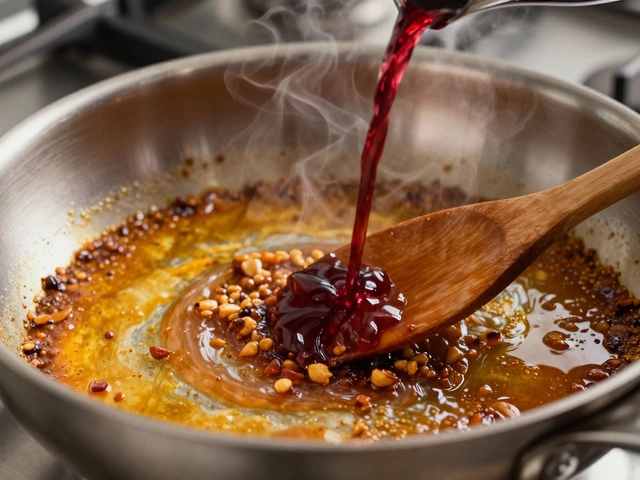
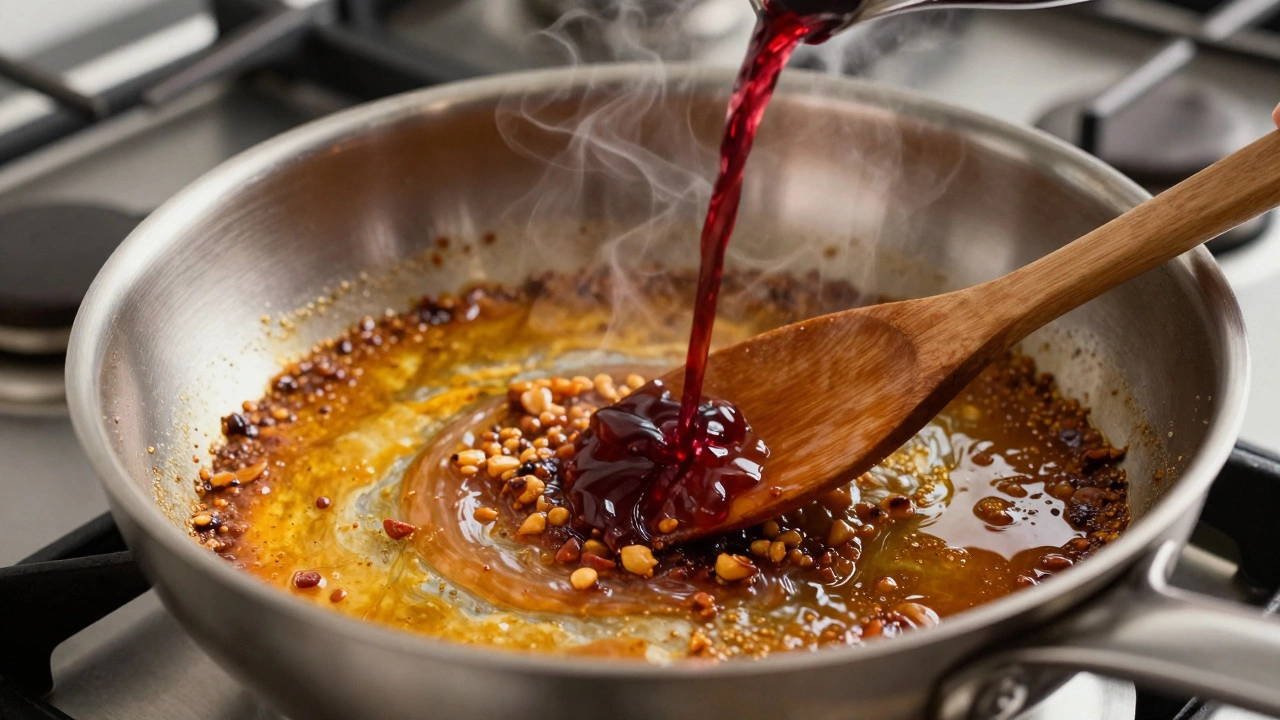
If you’ve ever seared a steak or sautéed onions until they’re golden brown, you’ve created fond. Fond consists of the flavorful browned food particles that stick to the bottom of a pan during high-heat cooking. In French cuisine, this is considered gold. Chefs don’t wash it away immediately because it holds concentrated umami-the savory taste that makes food feel rich and satisfying.
Fond forms when proteins and sugars undergo the Maillard reaction, a chemical process that happens between amino acids and reducing sugars under heat. This creates hundreds of new flavor compounds. If you deglaze the pan by adding wine, broth, or even water while it’s still hot, those bits dissolve and turn into an instant sauce base. That’s why many recipes tell you to “deglaze” rather than just “clean.” You’re harvesting flavor, not removing dirt.
| Residue Type | Common Name | Is It Edible? | How to Handle It |
|---|---|---|---|
| Browned bits from meat/onions | Fond | Yes (flavorful) | Deglaze with liquid to make sauce |
| Blackened, hard crust | Carbonized food / Burnt residue | No (bitter/toxic risk) | Scrape off and discard; soak pan |
| Oily film with small particles | Grease splatter / Oil polymerization | No (unappetizing) | Wipe with paper towel before washing |
| Starchy clumps (rice/pasta) | Starch gelatinization residue | Sometimes (if not burnt) | Soak to loosen; may salvage if fresh |
The Bad Stuff: Carbonized Residue
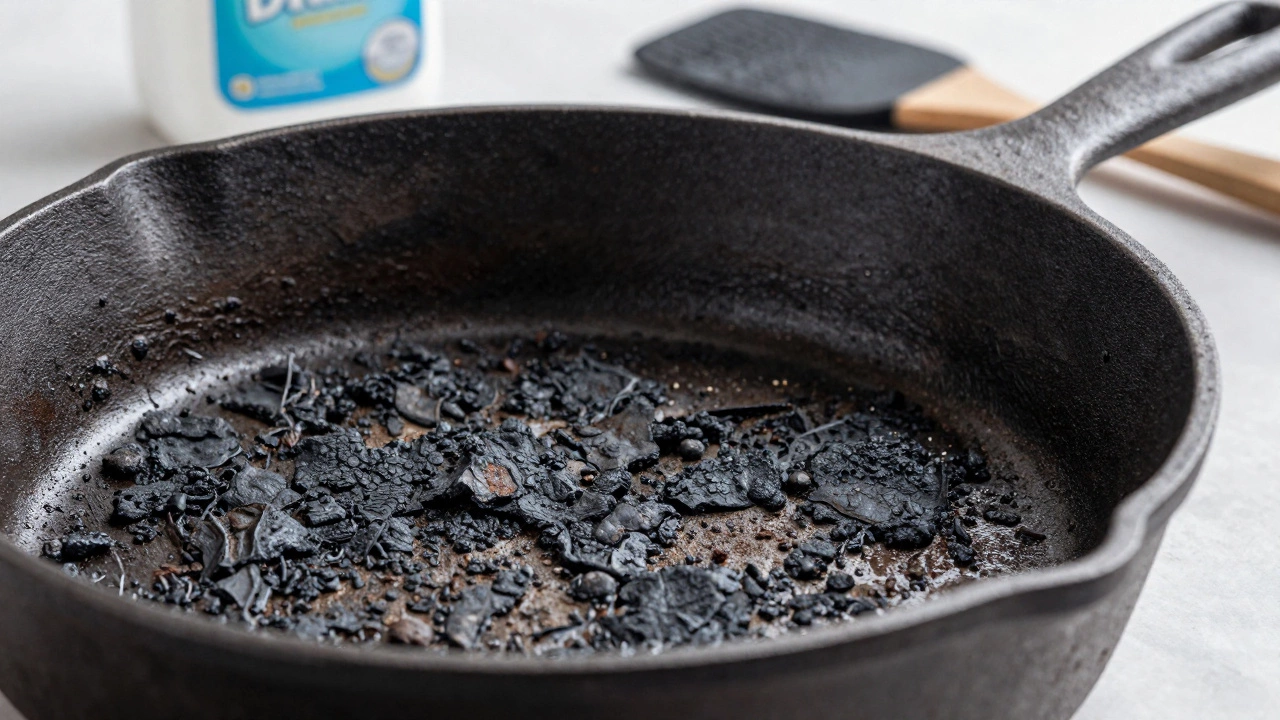
Not all stuck-on food is created equal. When fond goes too far-when you leave the pan on high heat without stirring-it turns into carbonized residue. This is what most people mean when they complain about “burnt food.” It’s hard, black, and tastes bitter. Chemically, it’s mostly carbon and degraded organic matter. Eating it won’t kill you in small amounts, but it ruins the flavor of any dish you try to save.
Carbonized residue bonds tightly to metal surfaces, especially stainless steel and cast iron. Unlike fond, which dissolves easily with liquid, carbon needs mechanical force or chemical breakdown to remove. That’s why soaking alone often fails. You might need a scraper, abrasive sponge, or boiling water to lift it off.
Other Common Culprits
Beyond fond and burnt bits, pans accumulate other types of residue depending on what you cook:
- Polymerized oil: When you fry something repeatedly without changing the oil, the fats break down and form a sticky, varnish-like layer on the pan. This is common in deep fryers and well-used skillets. It’s not toxic, but it can impart off-flavors to future meals.
- Protein scorch: Eggs, fish, and chicken often leave white or grayish films when overcooked. These are denatured proteins that bond to the surface. They’re harder to remove than starches but easier than carbon.
- Mineral deposits: If you live in an area with hard water, you might see white, chalky spots after boiling liquids. These are calcium and magnesium salts, not food residue. Vinegar or lemon juice dissolves them quickly.
Why Does Food Stick in the First Place?
Understanding why residue forms helps you prevent it-or harness it intentionally. Several factors contribute to sticking:
- Temperature control: Too much heat causes rapid protein coagulation and sugar caramelization, leading to immediate bonding with the pan surface.
- Lack of lubrication: Cooking without enough oil or butter removes the barrier between food and metal, increasing contact points where sticking occurs.
- Pan material: Stainless steel has microscopic pores that expand with heat, trapping food particles. Non-stick coatings reduce this effect but degrade over time. Cast iron develops a seasoned layer that naturally resists sticking-but only if maintained properly.
- Food composition: High-sugar foods (like sauces) and high-protein foods (like meat) stick more readily than low-moisture vegetables.
How to Clean Different Types of Residue
Once you identify what’s left in the pan, choose the right cleaning method. Using the wrong technique can scratch non-stick surfaces or waste time on stubborn grime.
For Fond
Don’t clean it yet! Add a splash of wine, stock, or vinegar to the hot pan. Scrape gently with a wooden spoon as the liquid bubbles. The acid and heat will lift the fond into a smooth sauce. Strain if needed, then use it immediately. Only wash the pan afterward.
For Carbonized Residue
Fill the pan with water and bring it to a boil. Add a tablespoon of baking soda to help break down the carbon bonds. Let it simmer for 10-15 minutes, then use a silicone spatula or nylon brush to scrape away the softened layer. For tough cases, let the pan soak overnight. Avoid steel wool on non-stick or coated pans.
For Polymerized Oil
Wipe out excess grease with paper towels first. Then wash with hot soapy water and a soft sponge. If the buildup is thick, apply a paste of baking soda and water, let it sit for 30 minutes, then scrub gently. Re-season cast iron pans afterward to restore their protective layer.
For Mineral Deposits
Fill the pan with equal parts water and white vinegar. Bring to a gentle boil, then remove from heat and let cool. The acidity dissolves the minerals. Rinse thoroughly and dry to prevent rust on uncoated metals.
Preventing Future Buildup
Cleaning is easier than prevention, but smart habits save time. Here’s how to minimize residue:
- Preheat gradually: Heat pans on medium-low before adding food. Sudden high heat shocks the metal and encourages sticking.
- Use adequate fat: Coat the pan evenly with oil or butter before cooking. Swirl it around so every surface is protected.
- Avoid overcrowding: Packing too much food lowers the pan temperature, causing steaming instead of searing. Steam leads to mushy, sticky results.
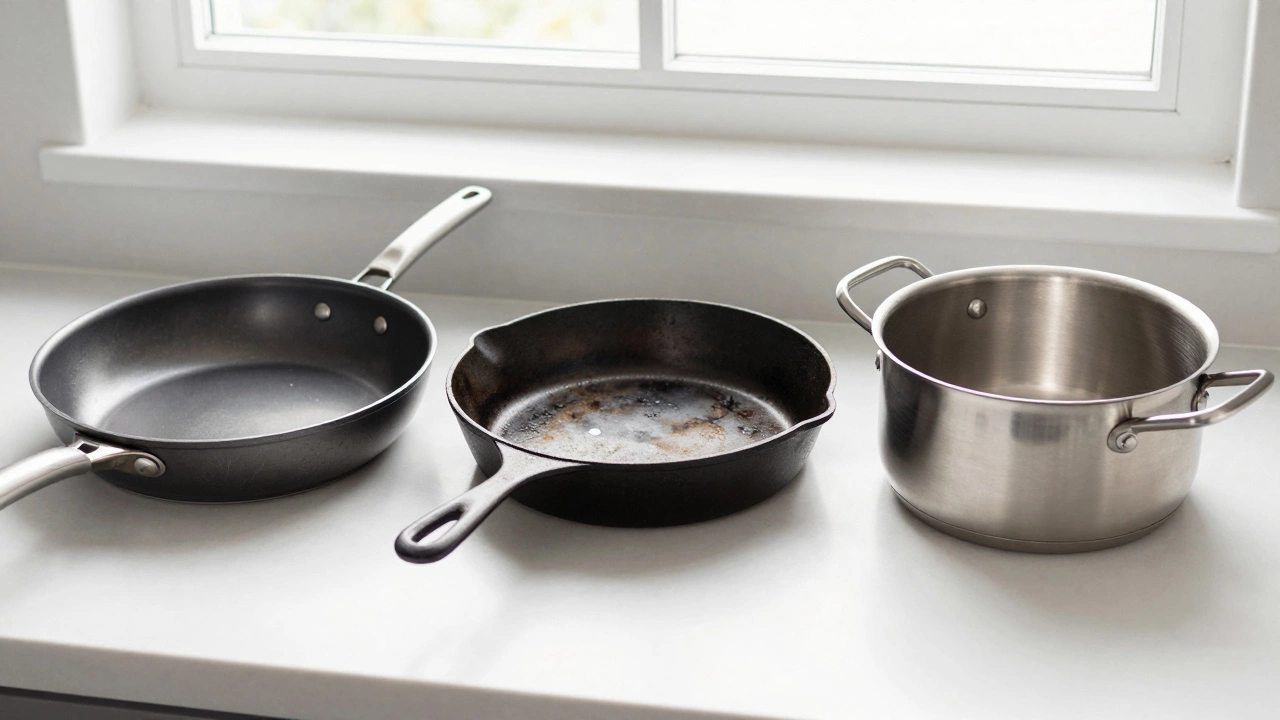
- Choose the right pan: Use stainless steel for browning meats (to create fond). Use non-stick for delicate items like eggs or fish. Use cast iron for slow-cooked dishes that benefit from seasoning.
- Clean while warm: Wash pans soon after cooking, while residue is still soft. Cold, hardened grime requires more effort to remove.
When to Toss the Pan
Some pans reach a point where no amount of cleaning helps. Signs include:
- Deep scratches on non-stick surfaces that expose underlying metal.
- Persistent odors that won’t go away after multiple washes.
- Warped bottoms that cause uneven heating and excessive sticking.
- Rust spots on cast iron that penetrate beyond the seasoned layer.
If your pan meets any of these criteria, consider replacing it. Modern cookware is affordable, and investing in quality tools pays off in both performance and longevity.
What is the technical term for food stuck to the bottom of a pan?
The technical term depends on the type of residue. Flavorful browned bits are called "fond." Hard, blackened crust is referred to as "carbonized residue" or "burnt food." Oily films are known as "polymerized oil," and starchy clumps result from "gelatinized starch."
Can you eat the bits left in a pan?
Only if they’re fond-browned, flavorful bits from searing meat or vegetables. Deglazing lifts them into a safe, tasty sauce. Never eat carbonized (blackened) residue, as it contains bitter, potentially harmful compounds.
How do you remove burnt food from a stainless steel pan?
Boil water with baking soda in the pan for 10-15 minutes. The alkaline solution breaks down carbon bonds. Scrape gently with a nylon brush or wooden utensil. Soak overnight for severe cases. Avoid abrasive pads that scratch the surface.
Why does food stick to my non-stick pan?
Non-stick pans lose effectiveness when overheated, scratched, or used with metal utensils. Always preheat on low-medium, use minimal oil, and avoid high-heat cooking. Replace pans if the coating shows wear or peeling.
Is it safe to cook with a pan that has old residue?
Small amounts of fond are safe and beneficial. However, repeated use with polymerized oil or carbonized layers can lead to off-flavors and potential health risks from degraded fats. Clean pans thoroughly between uses to maintain hygiene and taste.