Rug Durability & Lifespan Estimator
Select your room type and usage habits to see which rug material offers the best value and longevity for your specific needs.
You just spent good money on a beautiful area rug. Six months later, it looks like a doormat in your hallway. Why does this happen? It usually comes down to one thing: you picked the wrong fiber for the job. Not all area rugs are created equal when it comes to surviving daily life.
If you want a rug that stays looking fresh for years, not just months, you need to understand how different materials handle wear and tear. This guide breaks down which types of rugs last the longest, why they survive, and where each one fits best in your home. No fluff-just the facts on longevity.
Key Takeaways for Long-Lasting Rugs
- Wool is the gold standard: It naturally resists crushing, stains, and fading, often lasting 10-15+ years with proper care.
- Synthetics win in high-moisture areas: Polypropylene (olefin) is incredibly tough against stains and moisture, making it ideal for basements or outdoor use.
- Natural fibers vary wildly: Jute and sisal are eco-friendly but stain easily; seagrass is tougher but can feel rough underfoot.
- Weave matters as much as material: Hand-knotted rugs outlast machine-made ones because the structure holds tighter over time.
- Protective measures extend life: Using a quality rug pad and rotating the rug every six months can double its usable lifespan.
Why Wool Remains the Top Choice for Durability
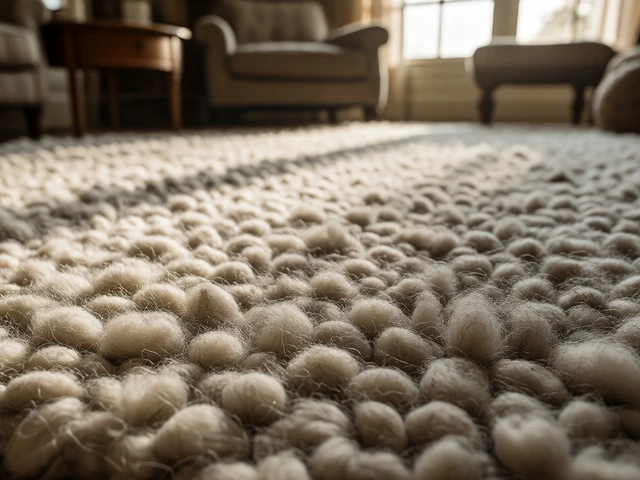
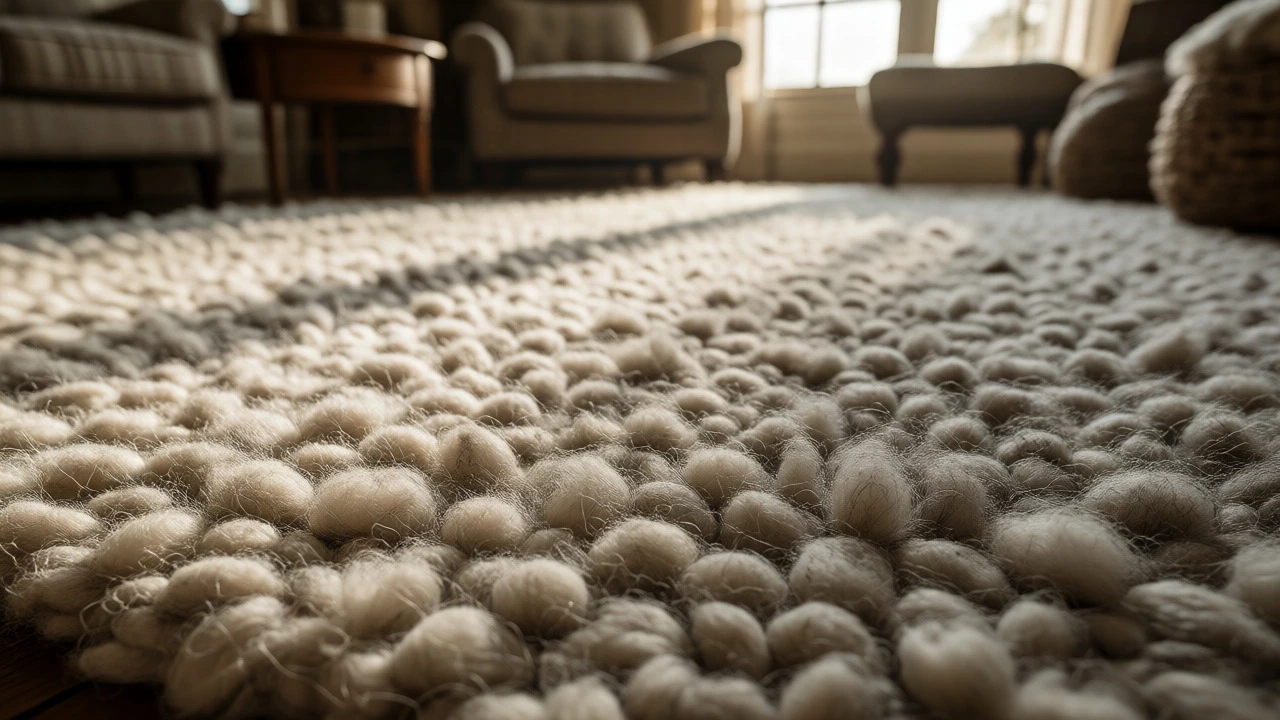
When people ask what lasts longest, wool is almost always the answer for living rooms and bedrooms. It’s not just tradition; it’s physics. Wool fibers have a natural crimp, which acts like a spring. When you walk on it, the fiber compresses but then bounces back to its original shape. Synthetic fibers tend to flatten permanently over time, creating those ugly "traffic lanes" near doorways.
Beyond resilience, wool has a built-in protective layer called lanolin. This waxy substance repels liquids initially, giving you time to wipe up spills before they soak in. According to the Carpet and Rug Institute, wool also hides soil well because the fibers reflect light rather than absorbing it. This means your rug looks cleaner for longer between deep cleans.
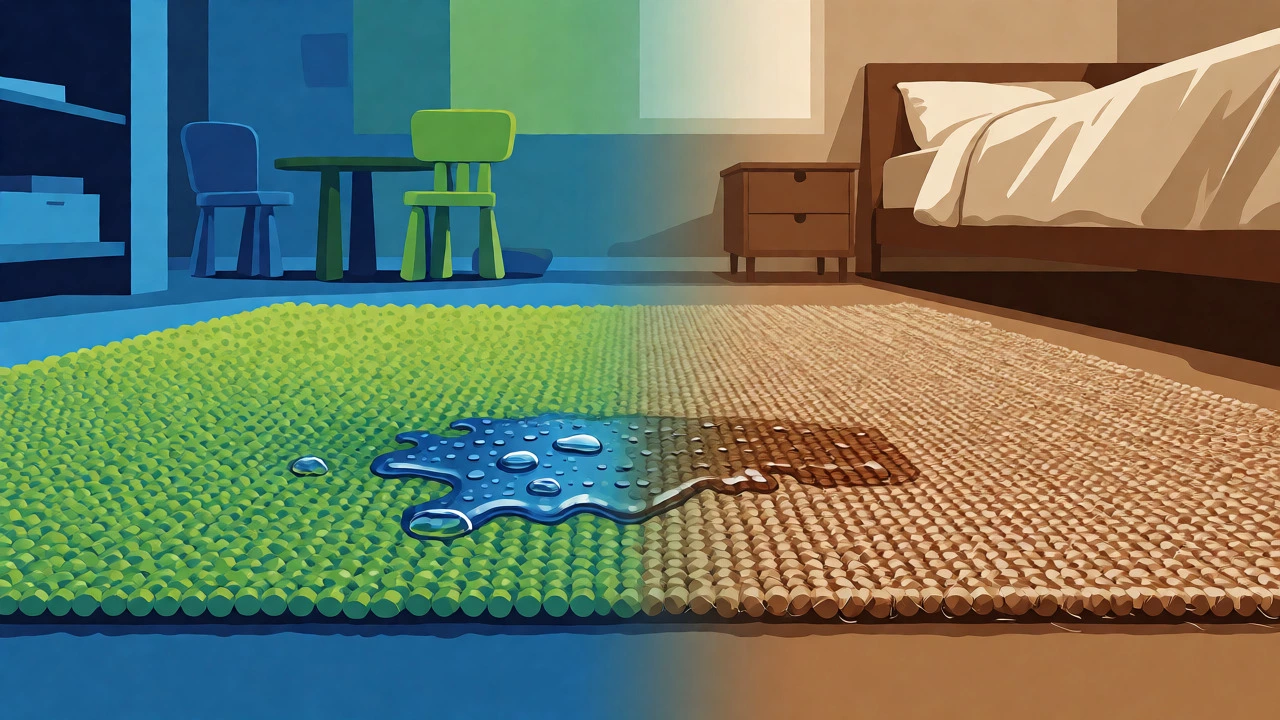
However, wool isn’t invincible. It hates prolonged moisture. If you leave a wet towel on a wool rug for hours, mildew can set in. So while it’s durable for foot traffic, it’s not the best choice for bathrooms or laundry rooms where dampness is constant.
The Case for Synthetics: Polypropylene and Nylon
If wool feels too expensive or high-maintenance, synthetic fibers offer serious durability at a lower price point. But not all synthetics are the same. You need to distinguish between them based on their chemical properties.
Polypropylene, also known as olefin, is the king of stain resistance. Because the color is dyed into the fiber itself during manufacturing, bleach and harsh cleaners won’t fade it. It’s also hydrophobic, meaning it doesn’t absorb water. This makes it perfect for basements, kids’ playrooms, or even covered patios. The downside? It crushes easily. In high-traffic areas, polypropylene rugs can look flat and worn within two years if they aren’t thick enough.
Nylon is the opposite. It’s the most resilient synthetic fiber available. Nylon springs back from compression better than any other man-made material. It’s commonly used in commercial office spaces for this reason. While it absorbs more water than polypropylene, modern nylon rugs come with advanced stain guards that make cleanup easy. If you need a synthetic rug for a busy family room, nylon is the smarter investment than polyester or olefin.
| Material | Lifespan (Years) | Traffic Resistance | Stain Resistance | Best For |
|---|---|---|---|---|
| Wool | 10-15+ | High | Moderate (Natural Repellent) | Living Rooms, Bedrooms |
| Nylon | 8-12 | Very High | High (With Treatment) | Hallways, Offices |
| Polypropylene | 3-7 | Moderate | Very High | Kids' Rooms, Basements |
| Sisal/Jute | 3-5 | Low | Low | Dry Areas, Low Traffic |
| Seagrass | 5-8 | Moderate | Moderate | Dining Rooms, Entryways |
Natural Fibers: Tough but Tricky
Many homeowners love the organic look of plant-based rugs. They bring warmth and texture without the cost of wool. But here’s the catch: most natural fibers are porous. They act like sponges. If you drop red wine on a jute rug, it’s likely there forever.
Jute is soft and biodegradable, but it’s fragile. It breaks down quickly in sunlight and dissolves when wet. Avoid jute in sun-drenched conservatories or humid kitchens. It’s best suited for low-traffic adult bedrooms where you want texture but not heavy footfall.
Sisal is stronger than jute. Made from agave plants, it’s stiff and durable. However, it still stains easily. To combat this, many manufacturers blend sisal with synthetic fibers or apply protective coatings. Uncoated sisal should never be used in dining rooms where food spills are common.
Seagrass is the exception among plant fibers. It’s naturally water-resistant because the strands are round and smooth, leaving little room for dirt to lodge inside. It’s an excellent choice for entryways or mudrooms where shoes track in grit and occasional rain. Just know that seagrass cannot be dyed, so you’re limited to natural green, beige, and brown tones.
Construction Methods That Impact Longevity
The material is only half the story. How the rug is made determines whether it survives five years or fifty. Hand-knotted rugs are the most durable construction method. Each knot is tied by hand around warp threads. This creates a dense, flexible pile that can withstand decades of use. These rugs are heirlooms, but they come with a premium price tag.
Flatweaves (like kilims) lack pile entirely. Without fibers to trap dirt, they are easier to clean and less prone to matting. However, they offer no cushioning. Flatweaves last a long time in low-traffic zones but can slide around and wear thin quickly in high-traffic hallways unless secured properly.
Machine-made tufted rugs are the most common and least durable. The yarn is punched through a backing and glued down. Over time, the glue degrades, especially in heat or humidity. Tufted rugs may shed excessively in the first year and lose structural integrity after three to four years of heavy use. If you buy a tufted rug, expect to replace it sooner than a woven alternative.
How to Make Your Rug Last Longer
Even the toughest wool rug will fail prematurely if you neglect basic maintenance. Here are three non-negotiable habits that protect your investment.
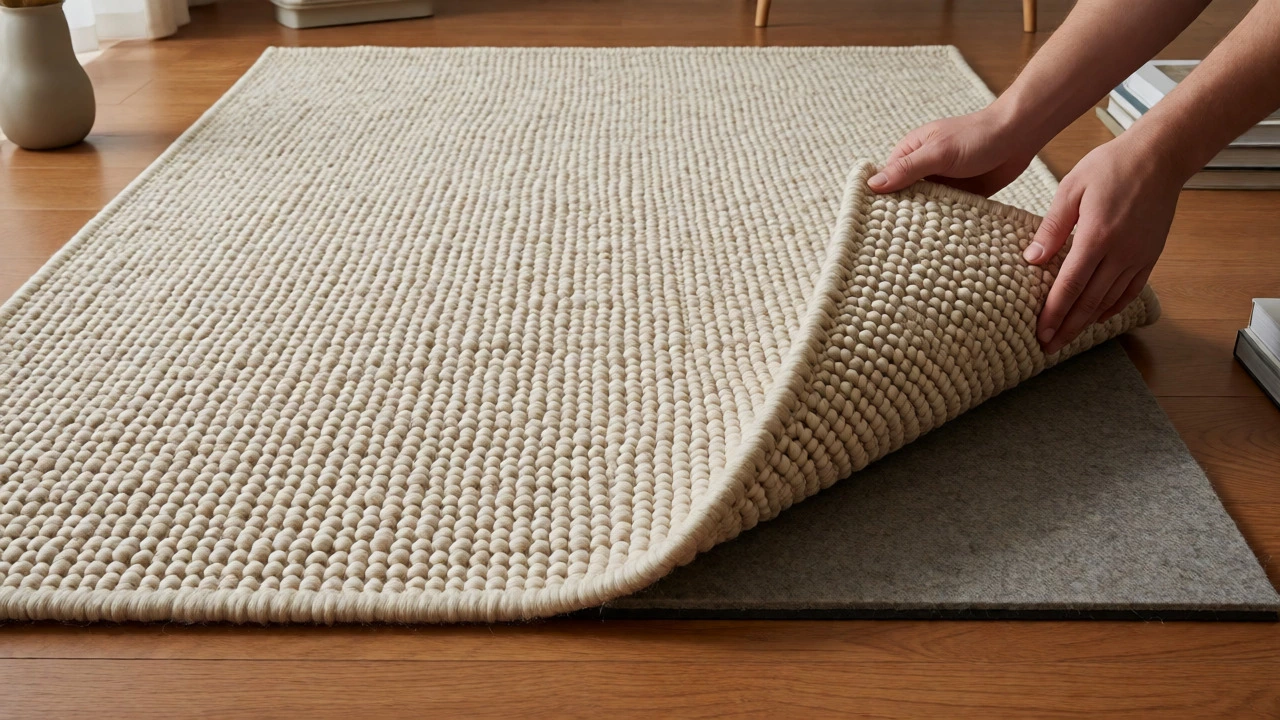
- Use a high-quality rug pad: This is the single biggest factor in extending rug life. A felt-and-rubber pad prevents the rug from sliding, which reduces friction stress on the fibers. It also provides cushioning, so the weight of furniture doesn’t crush the pile permanently.
- Rotate regularly: Foot traffic concentrates in specific paths. Rotate your rug 180 degrees every six months. This ensures even wear across the entire surface. You’ll be surprised how uneven the wear becomes without rotation.
- Vacuum correctly: Use a vacuum without a beater bar (rotating brush) for delicate natural fibers and antique rugs. The beater bar can snap brittle fibers. For wool and synthetics, a beater bar is fine, but empty the bin frequently to maintain suction power.
Frequently Asked Questions
Is wool really worth the extra cost compared to synthetic rugs?
Yes, if you view it as a long-term investment. While a wool rug costs 2-3 times more upfront, it can last 10-15 years versus 3-5 years for cheaper synthetics. When calculated per year of use, wool is often cheaper. Plus, wool adds resale value to your home and improves indoor air quality by trapping allergens effectively.
Can I use a jute rug in my kitchen?
It’s risky. Kitchens are prone to grease splatters and water spills. Jute is highly absorbent and stains easily. Grease, in particular, is nearly impossible to remove from jute once it sets. If you love the look, consider a jute-synthetic blend or place it in a dry corner away from the stove and sink.
What is the most durable rug for a home with pets?
Short-pile wool or tightly woven synthetic blends are best. Pets scratch and dig, which can pull loops in loose-weave rugs. Short piles prevent claws from getting caught. Additionally, dark colors or patterned designs help hide pet hair and minor accidents. Avoid light-colored natural fibers like cream sisal, as urine stains show immediately.
Do rug pads damage hardwood floors?
Cheap rubber pads can sometimes discolor certain finishes. Always choose a pad labeled "safe for hardwood." Natural rubber or felt-backed pads are generally safe. Avoid PVC plastic pads, which can trap moisture against the wood finish and cause cloudiness over time.
How often should I professionally clean my rug?
For high-traffic areas, professional cleaning every 12-18 months is recommended. For low-traffic bedrooms, every 2-3 years is sufficient. Regular vacuuming weekly is crucial to remove abrasive soil particles that cut into fibers. Professional cleaning removes embedded grit that vacuums miss, preventing premature fraying.