Storage Cost Comparison Calculator
Compare Your Storage Options
Calculate the real cost of off-site storage versus home storage solutions in New Zealand. Find out which option saves you money based on your specific needs.
How much should you really pay for storage? It’s not just about finding a box and tossing stuff in it. If you’re in Auckland or anywhere else in New Zealand, storage isn’t a one-size-fits-all expense. You could spend $20 a month and end up with a damp, inaccessible space - or pay $200 and get climate-controlled, secure, and easy-to-reach storage that actually works. The difference? Knowing what you’re paying for.
What kind of storage are you really looking for?
Before you look at prices, figure out what you need. Storage isn’t just one thing. There’s home storage - like shelves, cabinets, and under-bed bins - and off-site storage - like units in a warehouse. Each has different costs, benefits, and hidden traps.
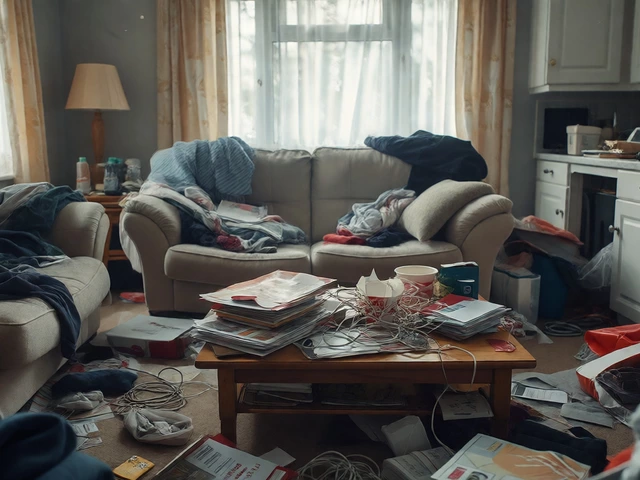
If you’re clearing out a garage after a move, or storing seasonal gear like snowboards or holiday decorations, off-site storage might make sense. But if you just need to tidy up a cluttered hallway or organize your pantry, buying a few sturdy shelves and bins could cost less than $100 total - and you won’t have to drive 20 minutes to access your stuff.
Off-site storage: What you actually pay
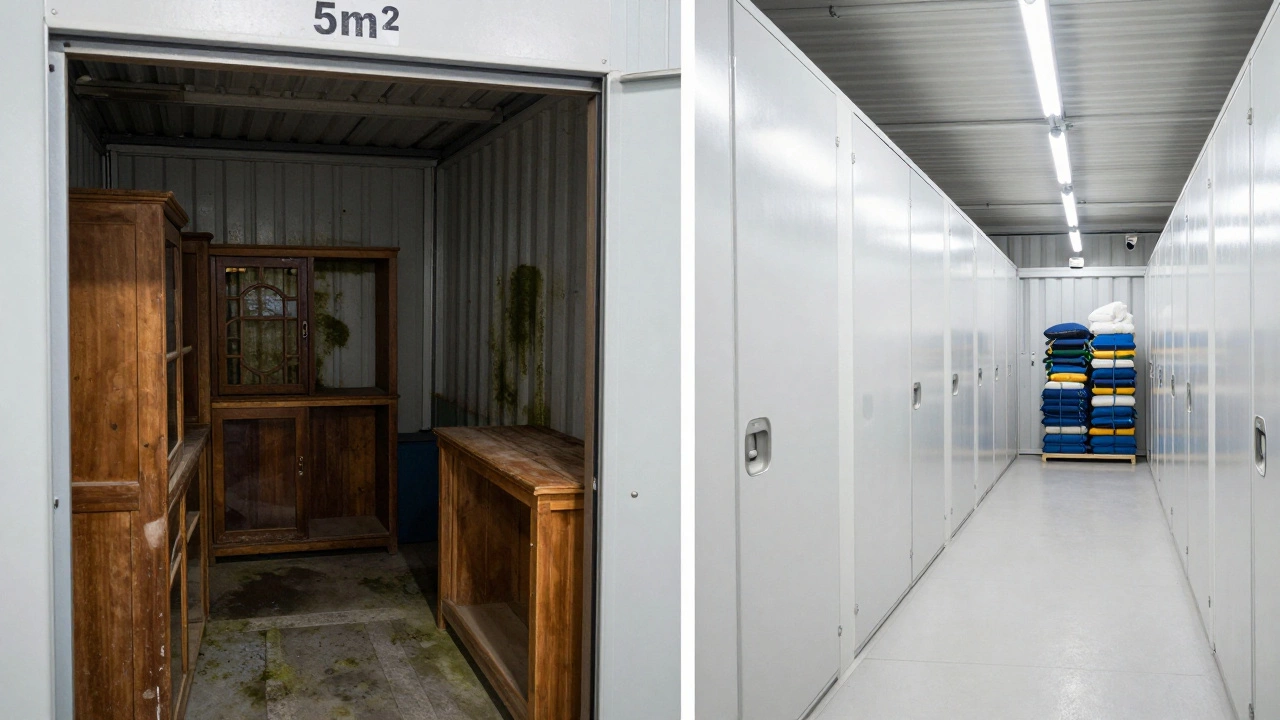
In New Zealand, a standard 5m² storage unit (about the size of a small bedroom) typically costs between $70 and $120 per month. That’s the average you’ll see in Auckland, Wellington, and Christchurch. But here’s the catch: not all units are created equal.
A basic unit with no climate control, no security cameras, and a dirt floor might be $70. But if your stuff includes wooden furniture, vinyl records, or wool sweaters, you’ll regret skipping climate control. Humidity in Auckland can warp wood, mildew fabrics, and ruin electronics. A climate-controlled unit adds $20-$40 to the monthly price, but it’s worth it. I’ve seen people lose $1,500 worth of heirloom furniture because they picked the cheapest option.
Security matters too. Units with individual alarms, 24/7 surveillance, and gated access cost more - often $100-$150/month - but they’re the only safe choice if you’re storing valuables. A $50/month unit with no cameras? That’s asking for trouble.
Some facilities charge extra for things like moving trucks, insurance, or even using a dolly. Always ask: What’s not included? A $60/month deal that forces you to pay $40 for insurance and $25 for a key deposit? That’s not a deal. That’s a trap.
Home storage: The smart, cheap alternative
Instead of renting a unit, why not optimize what you already have? A well-planned home storage system can save you hundreds a year.
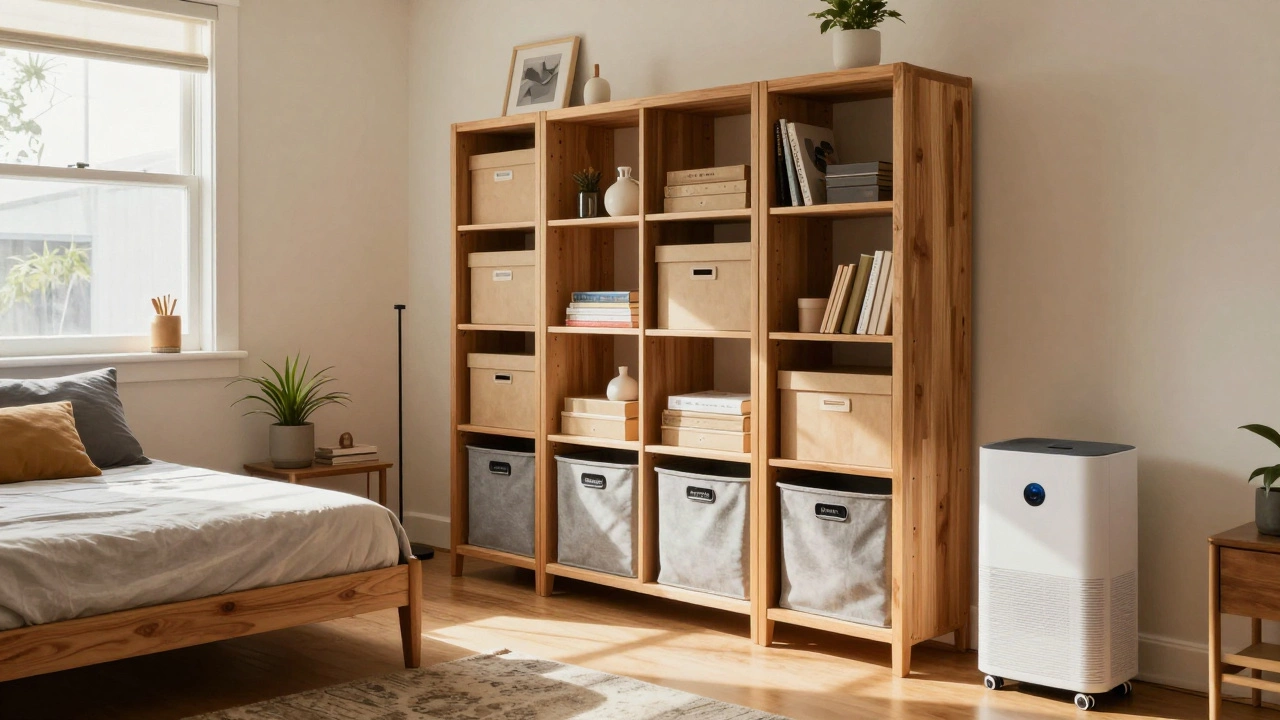
Start with vertical space. Wall-mounted shelves, tall bookcases, and ceiling-hung racks can turn unused corners into storage zones. A sturdy 1.8m tall shelving unit from Bunnings costs $80-$150 and holds the same amount as a 5m² storage unit. You can stack bins on top, label them, and access everything in seconds.
Under-bed storage is another underrated tool. Rolling bins with handles cost $25-$50 each and fit neatly under most beds. You can store off-season clothes, linens, or even holiday decorations without ever leaving your house.
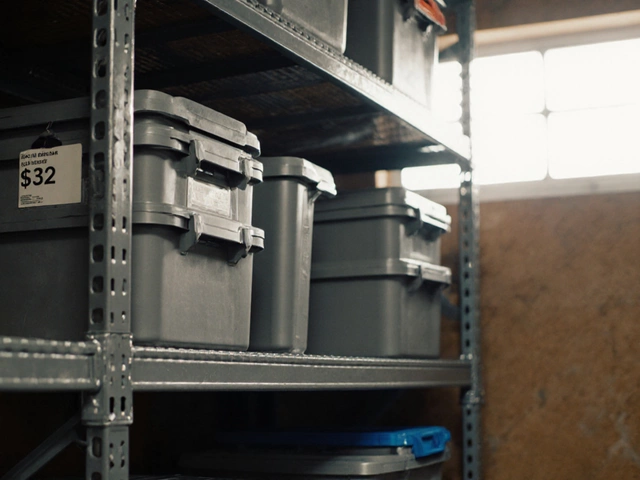
Don’t forget the garage. A heavy-duty metal shelving system (like the ones used in workshops) can hold boxes, tools, and sports gear for under $200. Add a dehumidifier ($120) and you’ve got a climate-controlled zone that costs less than one month of off-site storage.
What not to store - and why
Some things should never go into storage - even if you have the space. Here’s the short list:
- Perishables - food, plants, pet food. They attract pests and smell.
- Flammable items - paint thinner, propane tanks, aerosols. Most storage facilities ban these.
- Valuable documents - passports, birth certificates, deeds. If your storage unit floods or gets broken into, you’re out of luck. Keep these in a fireproof safe at home.
- Electronics with batteries - laptops, power tools, cameras. Batteries leak, corrode, and can damage other items.
- Family heirlooms - unless you’re paying for premium, climate-controlled, insured storage.
One person I know stored an old grandfather clock in a non-climate-controlled unit. By the time they retrieved it six months later, the wood had cracked, the mechanism was rusted, and the clock was worthless. It cost $3,000 new. They paid $80/month to save money. It didn’t add up.
How to pick the right storage solution
Here’s a simple decision tree:
- Is it something you need access to more than once a month? If yes, store it at home.
- Is it sensitive to heat, cold, or humidity? If yes, only consider climate-controlled storage.
- Is it valuable or irreplaceable? If yes, get insured storage - and don’t skimp on security.
- Are you storing it for more than a year? If yes, compare the total cost of off-site storage vs. buying home storage solutions. Often, home storage pays for itself in 6-8 months.
For example: If you’re storing 10 boxes of winter clothes for 18 months, off-site storage at $100/month = $1,800. A set of five under-bed storage bins ($125) + a few shelves ($150) = $275. You save $1,525. And you don’t have to wait in line to get your stuff.
Hidden costs nobody talks about
Storage companies don’t always tell you about these:
- Moving fees - Some charge $50-$100 just to let you use their truck.
- Insurance - Most units don’t cover damage. You’ll need to buy separate coverage. Expect $5-$15/month extra.
- Access hours - Some places only let you in between 9am-5pm, Monday to Friday. That’s useless if you work nights.
- Lock fees - Some make you buy their padlock for $15. Bring your own.
- Contract penalties - Month-to-month is best. Avoid annual contracts unless you’re 100% sure.
Always read the fine print. If they won’t let you see the contract before you pay, walk away.
What most people get wrong
Most people think storage is about space. It’s not. It’s about access and protection.
You don’t need a huge unit. You need one that’s easy to reach, dry, secure, and safe for your items. The cheapest option is rarely the cheapest in the long run.
I’ve talked to people who spent $10,000 on storage over five years - and still couldn’t find their stuff. Others spent $500 on home storage, labeled everything clearly, and now have a tidy, organized home. The difference wasn’t money. It was thinking.
Final rule: Think long-term, not short-term
Storage isn’t a quick fix. It’s a long-term habit. If you’re storing something because you think you might need it someday, ask: When was the last time I used it? If it’s been over a year, you probably don’t need it.
Storage costs more than money. It costs time, energy, and peace of mind. Choose wisely. A $200 home system that gives you instant access beats a $1,200/year rental that sits in a warehouse, gathering dust - and anxiety.
How much does a storage unit cost in New Zealand?
In New Zealand, a standard 5m² storage unit costs between $70 and $120 per month. Climate-controlled units add $20-$40 more. Security features like alarms and cameras can push prices to $150/month. Always check for hidden fees like insurance, moving trucks, or lock charges.
Is home storage cheaper than renting a unit?
Yes, often by a lot. A full home storage system - including shelves, under-bed bins, and wall racks - costs $200-$400 upfront. That’s less than three months of off-site storage. Plus, you get instant access and no ongoing fees.
What should I never store in a storage unit?
Never store perishables, flammable items, valuable documents, electronics with batteries, or irreplaceable heirlooms unless you’re using premium, climate-controlled, insured storage. Most damage from storage units comes from moisture, pests, or theft - and insurance rarely covers it fully.
Do I need insurance for my storage unit?
Yes, if your items are valuable. Most storage facilities don’t cover damage or theft. You’ll need separate insurance - either through your home policy or a storage-specific plan. Expect to pay $5-$15/month. Without it, you’re risking your stuff for nothing.
How do I know if I’m paying too much for storage?
If you’re paying more than $100/month for a unit you visit less than once a month, and your items aren’t sensitive to temperature or humidity, you’re probably overpaying. Consider moving those items to home storage. The upfront cost of shelves and bins pays for itself in under six months.
Next steps: What to do right now
Here’s what to do in the next 24 hours:
- Go through your clutter. Pick out 5 things you haven’t used in over a year.
- Ask: Do I really need to store these? Or can I donate, sell, or toss them?
- If you’re keeping them, measure the space they’ll take. Then compare the cost of renting a unit vs. buying home storage solutions.
- Visit Bunnings or The Warehouse. Look at shelving units, under-bed bins, and storage boxes. Add up the price.
- Call one storage facility. Ask about climate control, access hours, and insurance. Write down the total monthly cost - including all extras.
More often than not, you’ll find that home storage isn’t just cheaper - it’s smarter.