Home Storage Space Calculator
Calculate how much storage space you can create in unused areas of your home. Just enter the dimensions of your unused space (in meters) and discover what you can store.
Your Storage Potential
Volume: cubic meters
Equivalent to: liters
Personalized Suggestions
Most homes in Auckland have hidden spaces that go unused-under stairs, above doorways, even the sides of walls. You don’t need a big renovation to turn these dead zones into useful storage. The trick isn’t buying more bins or shelves. It’s seeing what’s already there differently.
Under the Stairs: The Forgotten Closet
Staircases take up a lot of vertical space, and most people treat them like decoration. But under the stairs? That’s a full closet waiting to happen. In a typical New Zealand home, that space is about 1.5 meters wide, 2 meters tall, and up to 3 meters deep. That’s enough for a deep shelf system, a pull-out laundry basket, or even a narrow wardrobe.
One family in Mt. Eden turned theirs into a mudroom. They added a bench with hidden storage underneath, hooks for bags and coats, and a pull-out shoe rack. No more shoes piled by the front door. No more muddy footprints on the carpet. The key? Keep it shallow. Use sliding doors or fold-down panels so it doesn’t block the stairs.
Wall Space: Vertical Storage Is Your Best Friend
Walls are not just for hanging pictures. They’re storage highways. In small apartments or older homes, floor space is tight. But the wall? That’s free real estate.
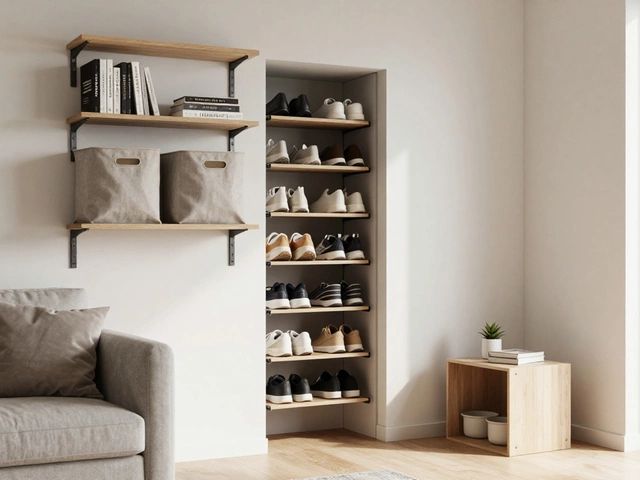
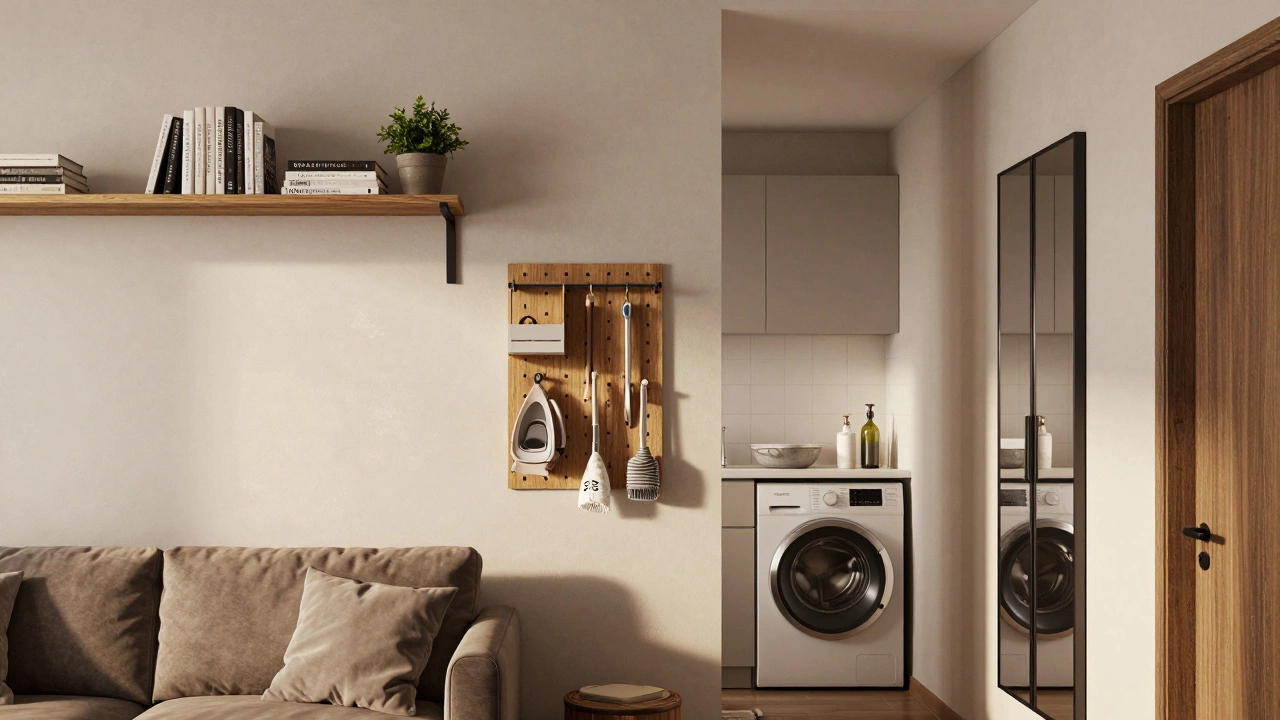
Install floating shelves above your bed, your sofa, or even your toilet. Use them for books, plants, or folded blankets. Want more? Go beyond shelves. Mount a pegboard in the laundry room to hang irons, spray bottles, and cleaning brushes. Use adhesive hooks behind doors for brooms, vacuum attachments, or kids’ backpacks.
Auckland homes often have narrow hallways. Put up a slim wall cabinet with mirrored doors-it doubles as a full-length mirror and a place to stash linens, toiletries, or spare batteries. No one even notices it’s there until they need it.
Above Cabinets: The Ceiling-Level Secret
Kitchen cabinets end at the ceiling. But the gap between the top of your cabinets and the ceiling? That’s wasted air. Most people leave it empty because it’s hard to reach. But you don’t need to reach it every day.
Use this space for items you only use once a year: holiday dishes, seasonal decor, or bulk pantry goods. Install pull-down rods or a ladder system. Some people even use tension rods to hang baskets that lower with a rope. You can find kits made for this exact purpose at Mitre 10 or Bunnings.
Pro tip: Label everything. If you can’t see what’s up there, you’ll forget it exists. Use chalkboard labels or color-coded bins so you know what’s stored without climbing up.
Behind Doors: Hidden Storage You Can’t See
Door backs are like blank canvases. A standard interior door is 2 meters tall and 80cm wide. That’s a lot of surface area you’re not using.
Stick a slim over-the-door organizer in the bathroom for hair tools, makeup, or first aid supplies. In the bedroom, hang a shoe organizer for socks, underwear, or scarves. In the pantry? Use a hanging rack for spices or snack packs. Even a simple tension rod across the back of a closet door can hold belts, ties, or rolls of wrapping paper.
One woman in Ponsonby turned her bedroom door into a jewelry station. She glued small hooks for necklaces, a felt-lined tray for rings, and a magnetic strip for earrings. No more tangled chains. No more lost studs.
Under the Bed: The Lazy Person’s Closet
Most beds lift off the ground by only 15-20cm. That’s not enough for bulky bins. But if you swap your standard bed frame for one with built-in drawers-or add sliding storage bins underneath-you unlock hundreds of liters of space.
Roll-out bins with wheels work best. Use them for off-season clothes, extra bedding, or even your vacuum cleaner. In Auckland’s humid climate, storing wool blankets or winter coats in sealed plastic bins prevents moth damage. Add a silica gel pack inside each bin to keep things dry.
Don’t forget the space under the bed frame itself. Use slim plastic containers that slide easily. You can find them for under $20 at Kmart or The Warehouse.
Corner Spaces: Don’t Let Them Go to Waste
Every room has corners. And every corner is a dead zone-until you fix it.
Install a corner shelf unit in the living room for books or decor. In the kitchen, a corner cabinet with a lazy Susan turns a blind spot into easy access. In the bathroom, a corner vanity with a narrow sink saves floor space and adds storage.
For tight corners, try a triangular shelf. They’re cheap, easy to install, and perfect for holding candles, plants, or toiletries. IKEA sells them. So do local makers in Newmarket.
Window Sills and Nooks: Small Spaces, Big Potential
Window sills are often just dust collectors. But if you have a deep sill-or a window seat-you can turn it into storage.
Build a bench with a lift-up seat. Inside, store blankets, board games, or craft supplies. Add cushions that double as storage compartments. In a sunroom, this becomes a cozy reading nook with hidden toys for kids.
Even narrow window recesses can hold slim baskets or jars. Use them for tea bags, herbs, or stationery. In a bathroom, a window sill shelf holds towels or bath salts. The sunlight keeps things fresh.
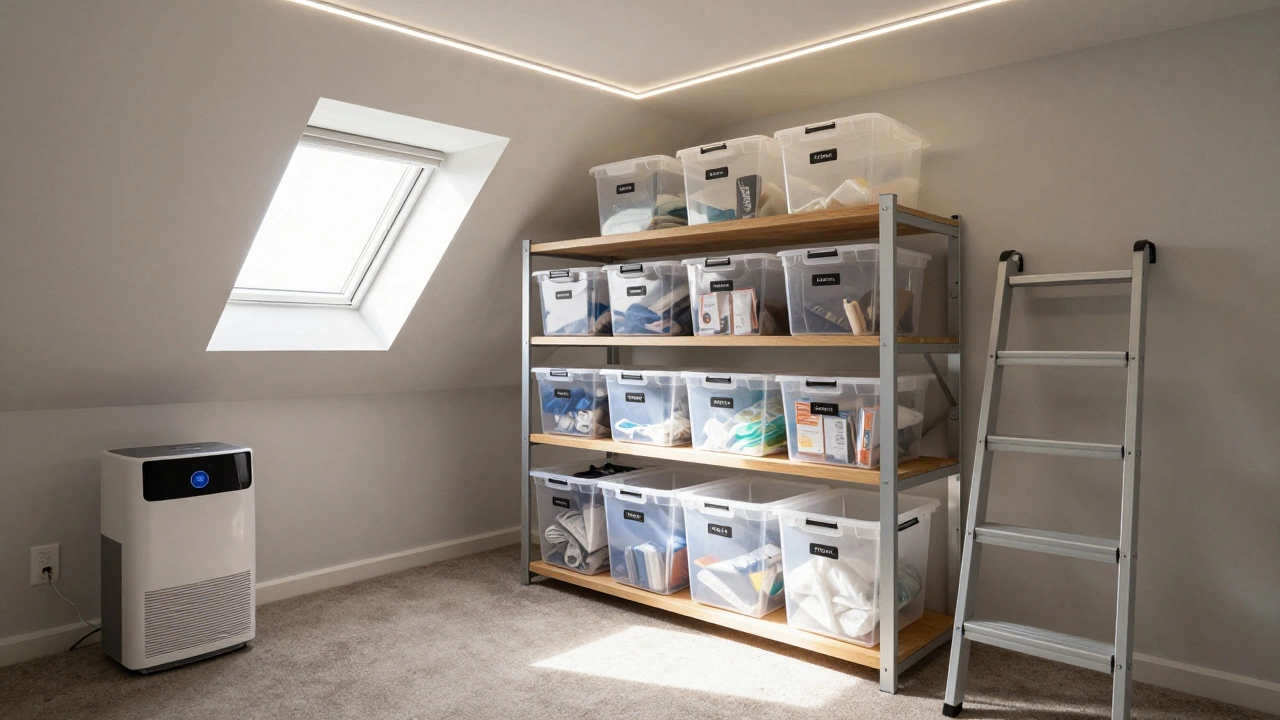
Attics and Basements: Don’t Let Them Become Junk Rooms
Attics and basements aren’t storage by accident-they’re storage by design. But without organization, they turn into black holes.
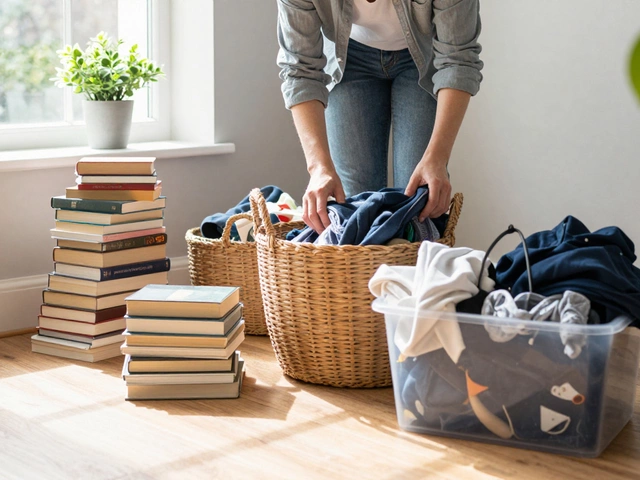
Start by clearing everything out. Sort into keep, donate, trash. Then install sturdy shelving units. Use clear, labeled bins. Install LED strip lighting so you don’t need a flashlight. In Auckland, humidity is the enemy. Use dehumidifiers or moisture-absorbing crystals in these spaces.
One family in Takapuna turned their basement into a workshop. They added pegboards, tool racks, and a folding workbench. Now they don’t need to store tools in the garage. Everything has a home.
What Not to Do
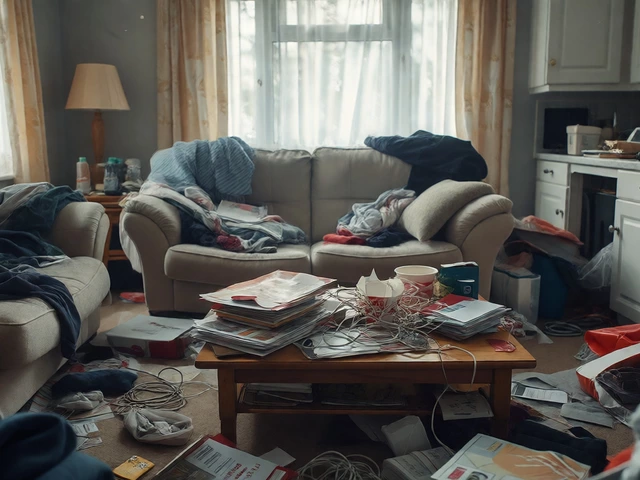
Don’t just shove stuff into corners. That’s not storage-it’s clutter in disguise.
Avoid overloading shelves. If you can’t see what’s on them, you won’t use them. Don’t buy storage bins without measuring first. A bin that’s too wide won’t fit under the bed. A shelf that’s too deep will collect dust.
And never store heavy items up high. Keep heavy things like books or tools at waist height. Save the top shelves for light, rarely used stuff.
Start Small. Think One Space at a Time
You don’t need to fix your whole house in one weekend. Pick one unused space today. Under the stairs? Behind the bathroom door? Above the kitchen cabinets?
Clear it out. Clean it. Put in one shelf, one bin, one hook. See how it changes your day. Then move to the next spot.
Storage isn’t about buying more stuff. It’s about using what’s already there better. And in a city like Auckland, where homes are often small, every square centimeter counts.
What’s the cheapest way to add storage to my home?
The cheapest way is using what you already have. Repurpose shoe boxes as drawer dividers. Use tension rods to create hanging shelves in closets. Hang baskets on walls with adhesive hooks. A $5 pack of Command hooks can turn a blank wall into a storage zone. You don’t need to buy anything-just rearrange.
How do I stop clutter from coming back after I organize?
One rule: One in, one out. Every time you bring something new into the house, let go of something old. Keep a donation bin in your closet. When it’s full, drop it off. Also, store items where you use them. Keep towels near the bathroom, cleaning supplies near the kitchen sink. If it’s hard to reach, you won’t put it back.
Can I use storage solutions in a rental home?
Absolutely. Use removable hooks, freestanding shelves, and over-the-door organizers. Avoid drilling holes unless you’re allowed. Stick to adhesive products like Command strips, tension rods, and magnetic racks. Many landlords appreciate neat, non-damaging storage-it makes the place easier to rent out again.
What storage tools work best in humid climates like Auckland?
Use plastic bins with tight lids, not cardboard. Add silica gel packs inside drawers and cabinets to soak up moisture. Store wool, cotton, and paper items in sealed containers. In basements and attics, use a small dehumidifier. Avoid storing items directly on concrete floors-place them on wooden pallets or plastic risers to keep them dry.
How do I organize storage in a small apartment?
Think vertical. Use wall shelves, hanging organizers, and stackable bins. Choose furniture with hidden storage-beds with drawers, ottomans with lift-up tops. Keep the floor clear. In small spaces, every inch of wall counts. Use mirrors on closet doors to save space and make the room feel bigger. And never store things you don’t use at least once a month.