Dead Space Storage Calculator
Calculate how much storage potential your unused spaces hold and get personalized recommendations.
Select dead space type
Most houses have dead space-areas you walk past every day but never think to use. That gap between the fridge and the wall. The space under the stairs. The corner behind the door. These aren’t just empty spots. They’re wasted storage potential. In Auckland, where homes are often smaller and prices keep rising, using every inch matters. You don’t need a renovation. You don’t need to buy new furniture. You just need to see those gaps differently.
Under the Stairs: The Forgotten Closet
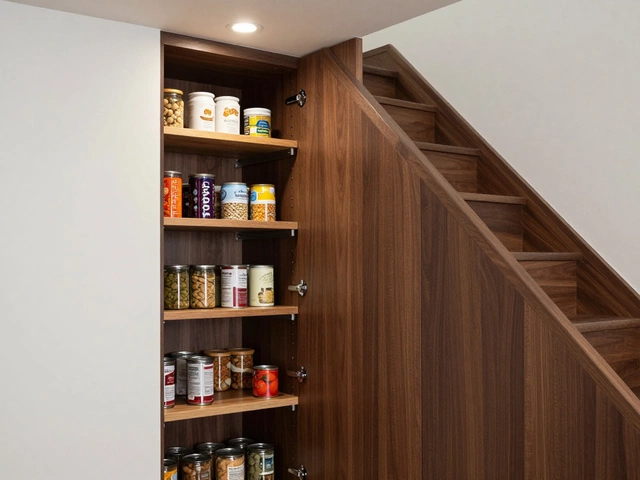
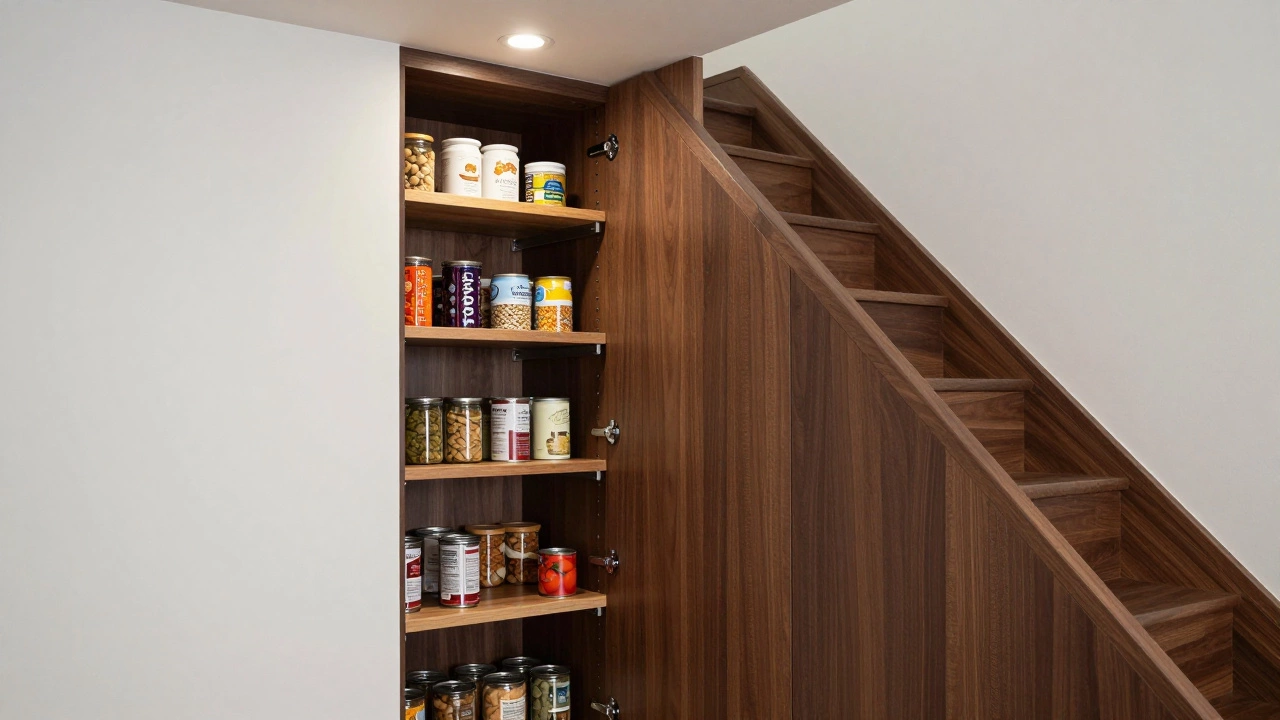
Under the stairs is one of the most common dead spaces in homes. People treat it like a dumping ground for boxes or leave it empty because it’s awkward. But it’s actually one of the best places to build storage. A custom-built cabinet that follows the slope of the stairs can hold shoes, tools, holiday decorations, or even a small laundry hamper. Some homeowners install sliding doors or pull-out drawers so everything stays hidden. I’ve seen a family turn this space into a full pantry with pull-out shelves for canned goods. No one even notices it’s there-until they need a can of tomatoes.
Even if you can’t build something permanent, a slim rolling cart fits perfectly under most staircases. Just make sure it’s not so tall it blocks the handrail. Keep it light and easy to pull out. That’s the key: access matters more than looks.
Behind Doors: More Than Just Hanging Coats
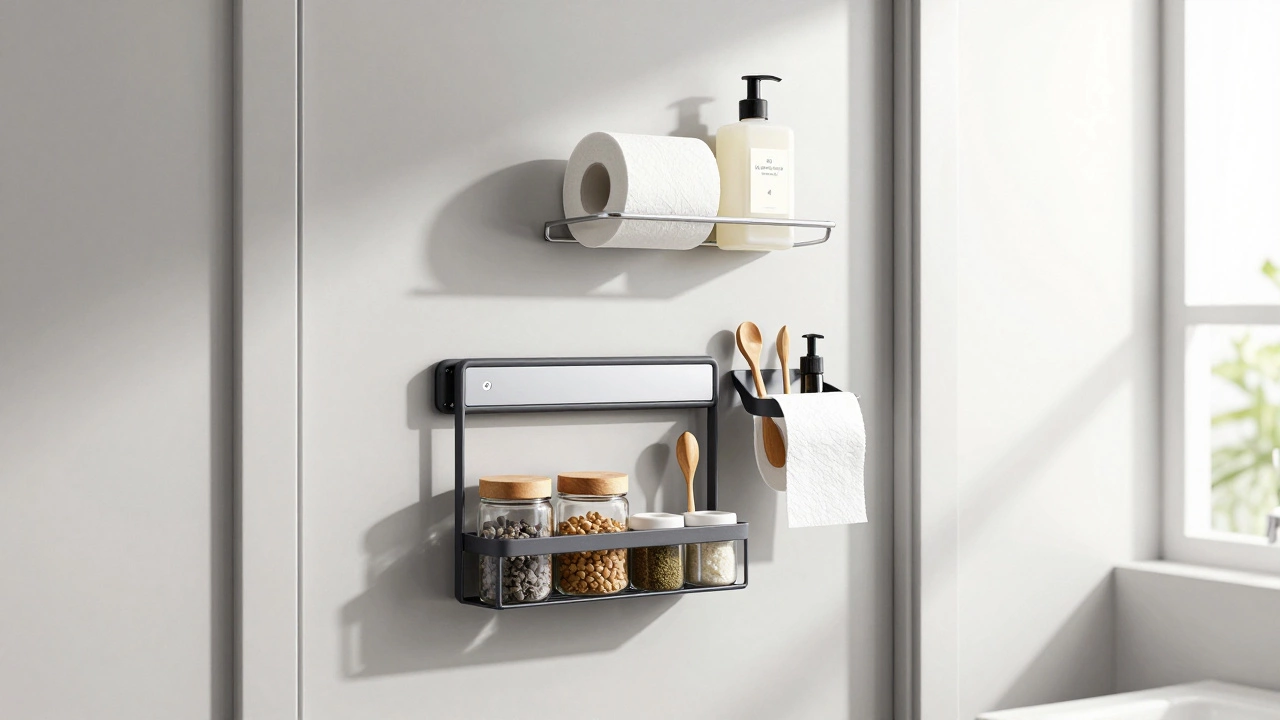
Behind every interior door is a flat surface. Most people hang one coat hook and call it done. But door backs are prime real estate for storage. Install a pegboard with hooks, baskets, or small shelves. You can store cleaning supplies, toiletries, craft supplies, or even kids’ school gear. I’ve seen a bathroom door with a narrow shelf holding extra toilet paper, hand soap, and hair ties. No clutter on the counter. No searching through drawers.
For closet doors, try a hanging organizer with pockets. It works for socks, underwear, scarves, or makeup. The best part? You can move it when you repaint or swap doors. No drilling needed. And if you have a pantry door, a magnetic strip holds spice jars or small tools. It’s like adding a shelf without taking up floor space.
Between the Fridge and the Wall: Slim Storage Wins
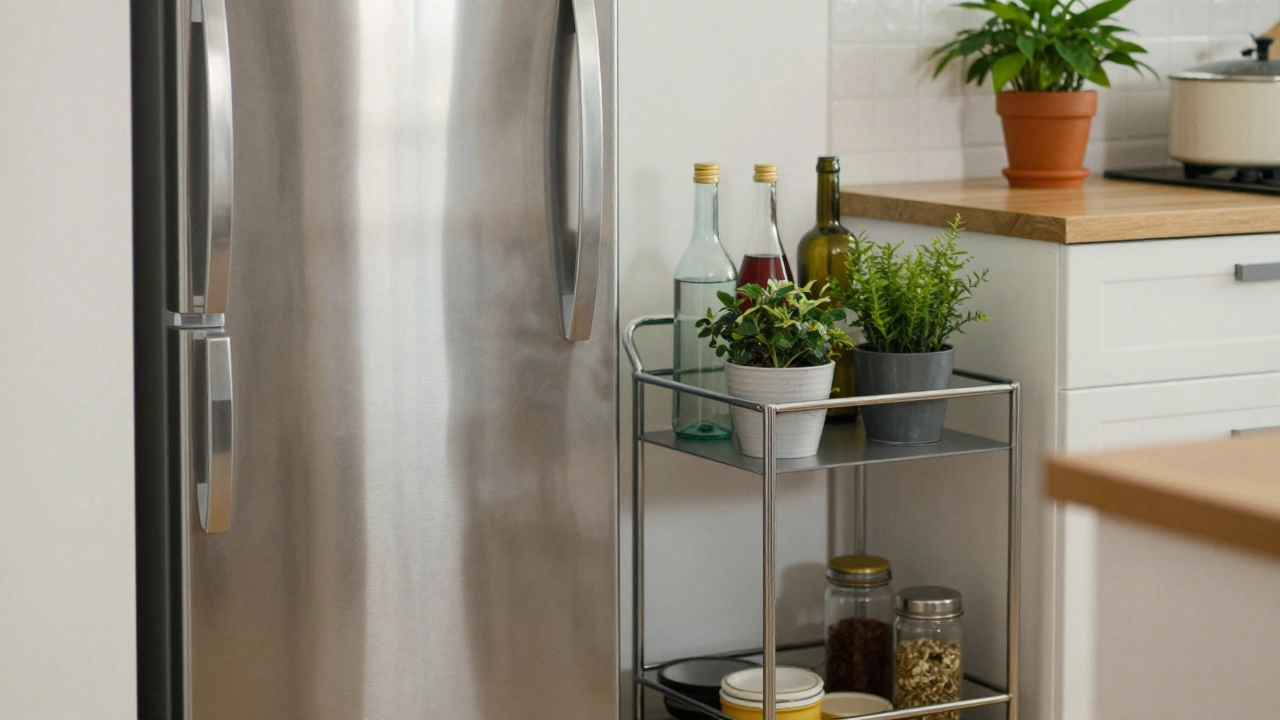
That 5-centimeter gap between your fridge and the wall? It’s too narrow for a box. Too wide to ignore. A slim rolling cart, under 10 cm wide, slides right in. You can use it for extra bottles, condiments, or even a small recycling bin. In kitchens where space is tight, this trick adds up. One family in Ponsonday started with a cart for soda cans. Now it holds spices, oils, and a mini herb garden in small pots.
Don’t forget the sides of your fridge too. A magnetic knife strip or a thin shelf mounted to the side can hold spice jars, measuring spoons, or even a small timer. If you have a stainless steel fridge, magnetic hooks work great. No tools needed. Just stick and go.
Under the Bed: Lift, Slide, or Pull
Under the bed is the biggest dead space in most bedrooms. Yet, people still shove suitcases under there and call it storage. The real trick is using containers that fit perfectly. Under-bed storage bins with wheels slide out easily. Look for ones that are low-profile-under 20 cm high-so they don’t lift the mattress too much. Use them for off-season clothes, extra bedding, or shoes you don’t wear daily.
Some beds come with built-in lift mechanisms. If yours doesn’t, you can buy hydraulic lift kits for under $80. They turn your bed into a drawer. One Auckland homeowner installed one and now stores all her winter coats, blankets, and even a small vacuum cleaner underneath. No more climbing into the attic.
Overhead Cabinets: Go Higher, Not Wider
Kitchen cabinets don’t stop at the top shelf. The space between the cabinet and the ceiling? That’s dead space. Most people leave it empty because it’s hard to reach. But a lightweight shelf or open basket on top can hold rarely used items: holiday dishes, bulk snacks, or backup paper towels. Use a step stool only when you need it. The rest of the time, it’s out of sight.
Same goes for above bathroom vanities. A narrow shelf or hanging basket can hold extra towels, first aid supplies, or hair tools. No more clutter on the counter. Just keep it simple: one shelf, one category. Too many items turn it into a mess.
Corner Shelves: Turn Gaps into Shelves
Every room has corners. And every corner is a wasted triangle. Corner shelves solve that. They’re not just for bookcases. A floating corner shelf in the living room can hold plants, books, or decor. In the hallway, it’s perfect for keys, mail, or a small lamp. In the bathroom, it holds extra soap and towels.
Look for L-shaped or triangular shelves. They fit snugly. Avoid bulky ones that stick out. The goal is to fill the space, not block the walkway. I’ve seen a corner shelf in a narrow hallway become the only spot for mail and sunglasses-no more lost keys.
Window Sills: Don’t Just Look Out, Store In
Window sills are often treated like decorative ledges. But if your window doesn’t open wide or you don’t need to open it often, the sill can hold things. A shallow box or basket on a kitchen window sill holds herbs, spices, or tea bags. In a bedroom, it can hold a small alarm clock, a book, or a glass of water.
Just make sure it’s not blocking sunlight or airflow. And don’t overload it. One or two items max. A window sill should still feel open. But if you use it wisely, it becomes a quiet, functional spot.
Entryway Walls: First Impressions, Lasting Storage
The front entryway is where things pile up: shoes, bags, keys, hats. But the wall next to the door? That’s storage gold. Install a narrow bench with hidden bins underneath. Add hooks above for coats and bags. Put a small shelf for mail and sunglasses. A wall-mounted basket holds gloves or umbrellas.
One Auckland family turned their narrow entryway into a drop zone. No more digging through bags for car keys. Everything has a home. The trick? Keep it minimal. Only what you use daily. Everything else goes elsewhere.
Start Small. Think Daily.
You don’t need to fix everything at once. Pick one dead space this week. The gap behind the door. The space under the stairs. The corner next to the TV. Use a measuring tape. See what fits. Then try one solution. A shelf. A basket. A rolling cart. See how it changes your routine.
Dead space isn’t empty. It’s waiting. You just have to ask: What’s in the way? Usually, it’s not the space. It’s the habit of ignoring it.
What’s the easiest dead space to start with?
The space behind your bedroom or bathroom door. It’s flat, easy to reach, and needs no tools. A hanging organizer or magnetic strip adds instant storage. No drilling. No mess. Just stick it on and start using it.
Can I use dead space in a rental?
Absolutely. Avoid permanent changes. Use adhesive hooks, rolling carts, over-the-door organizers, and tension rods. These hold weight, don’t damage walls, and come down cleanly. A magnetic knife strip works on stainless steel fridges. A slim cart fits between appliances. You’re not breaking rules-you’re being smart.
How do I stop dead space from turning into clutter?
Limit what goes in. Use bins with labels. Only store things you use once a month or less. If you can’t name what’s inside, it shouldn’t be there. Regularly check: every three months, empty one spot and ask, "Do I still need this?"
What tools do I need to start?
Just a measuring tape and a level. For most solutions, you don’t need drills or screws. Adhesive hooks, tension rods, and rolling carts work without tools. If you do drill, use a stud finder and small anchors. Start with non-permanent fixes first.
Is it worth buying custom cabinetry for dead space?
Only if you’re planning a longer-term stay and have the budget. For most people, ready-made bins, carts, and shelves cost less than $50 and work just as well. Custom cabinetry is great for high-traffic areas like under stairs, but for doors, corners, or fridge gaps, off-the-shelf solutions are smarter.