Kitchenware Classifier Tool
You walk into a store labeled "Kitchen," grab a whisk, pick up a frying pan, and maybe toss in a toaster. But when you get home, you wonder: is that toaster actually kitchenware? Or is it an appliance? The line gets blurry fast. If you are setting up a new apartment, moving house, or just trying to organize your cupboards, knowing exactly what falls under the umbrella of kitchenware saves you from buying duplicates or mislabeling your inventory.
At its core, kitchenware refers to the tools, vessels, and implements used for preparing, cooking, serving, and eating food. It does not typically include large, electric machines like refrigerators or ovens (those are appliances), nor does it usually cover the furniture itself. Instead, it’s the stuff you hold in your hand or place on a burner.
The Big Three: Cookware, Bakeware, and Tableware
To understand what counts as kitchenware, we have to break it down into three main pillars. Think of these as the primary categories that make up the majority of items in a functional kitchen.
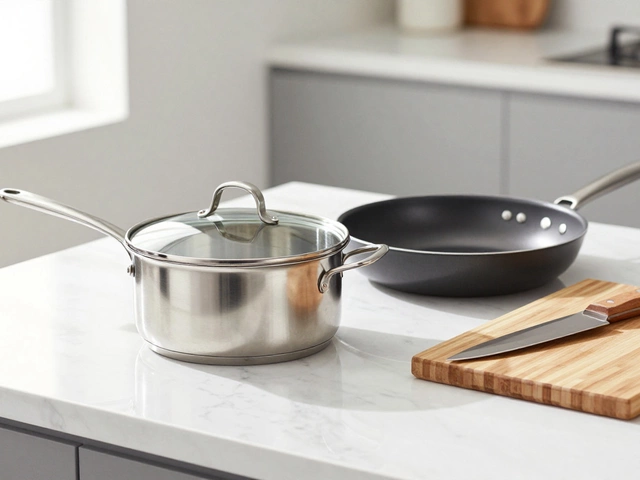
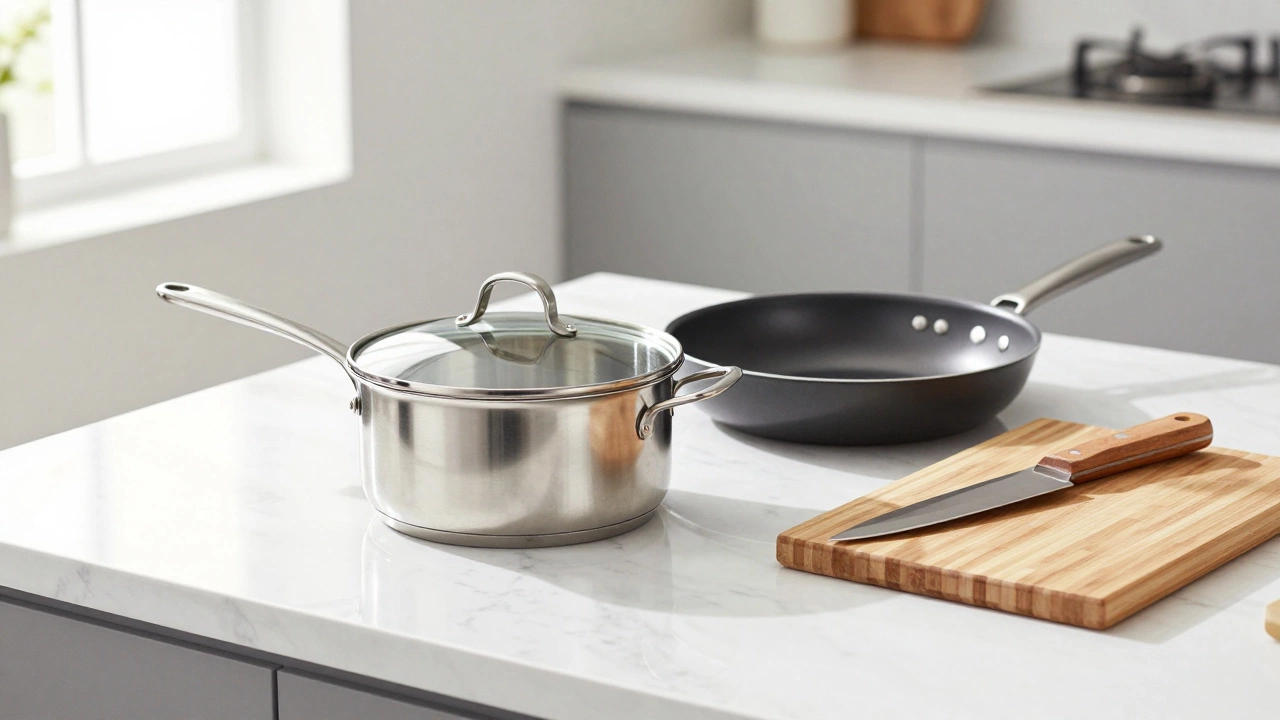
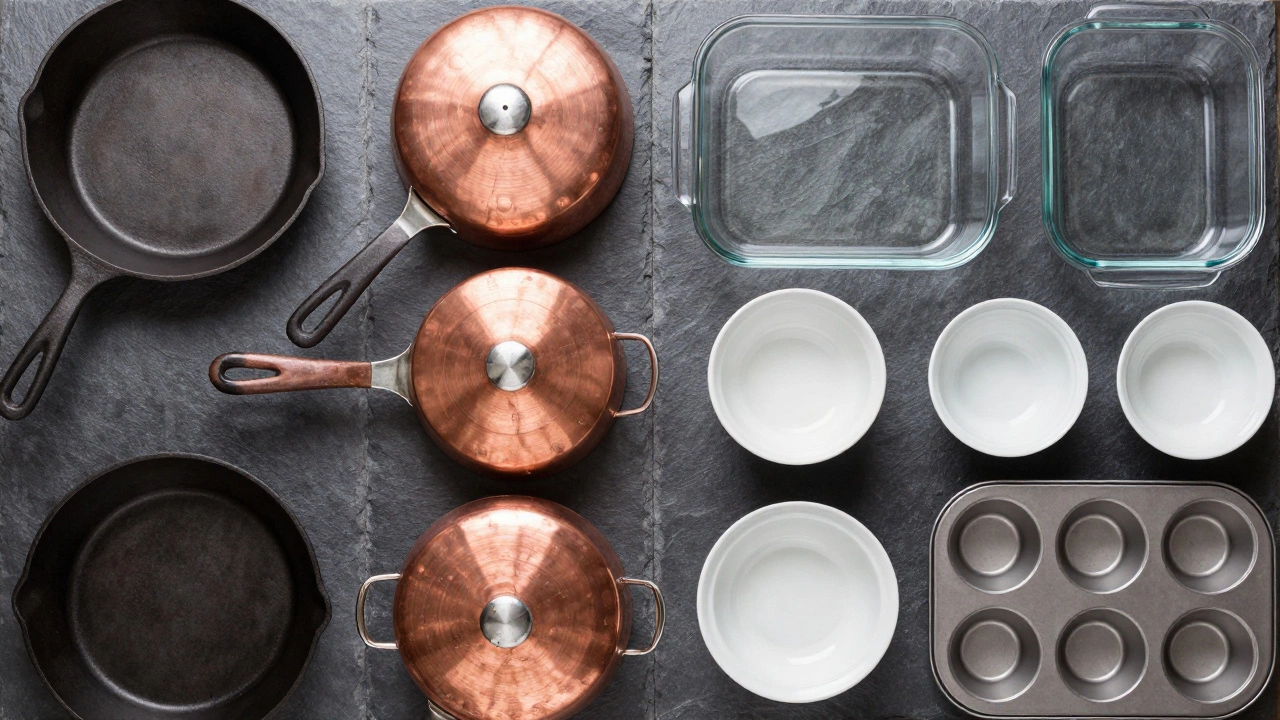
Cookware is vessels used for cooking food on a stovetop or over direct heat. This includes your pots, pans, skillets, and saucepans. These items are designed to withstand high temperatures and conduct heat efficiently. Common materials here include stainless steel, cast iron, non-stick coated aluminum, and copper. If it goes directly onto a flame or electric coil to boil water or sear meat, it’s cookware.
Bakeware is dishes and trays used for baking food in an oven. Unlike cookware, which often handles liquid boiling or high-heat frying, bakeware is built for dry, ambient heat. This category covers baking sheets, cake pans, muffin tins, roasting pans, and pie dishes. Materials tend to be glass (like Pyrex), ceramic, silicone, or heavy-gauge metal. If you put it inside an oven to bake a loaf of bread or roast a chicken, it belongs here.
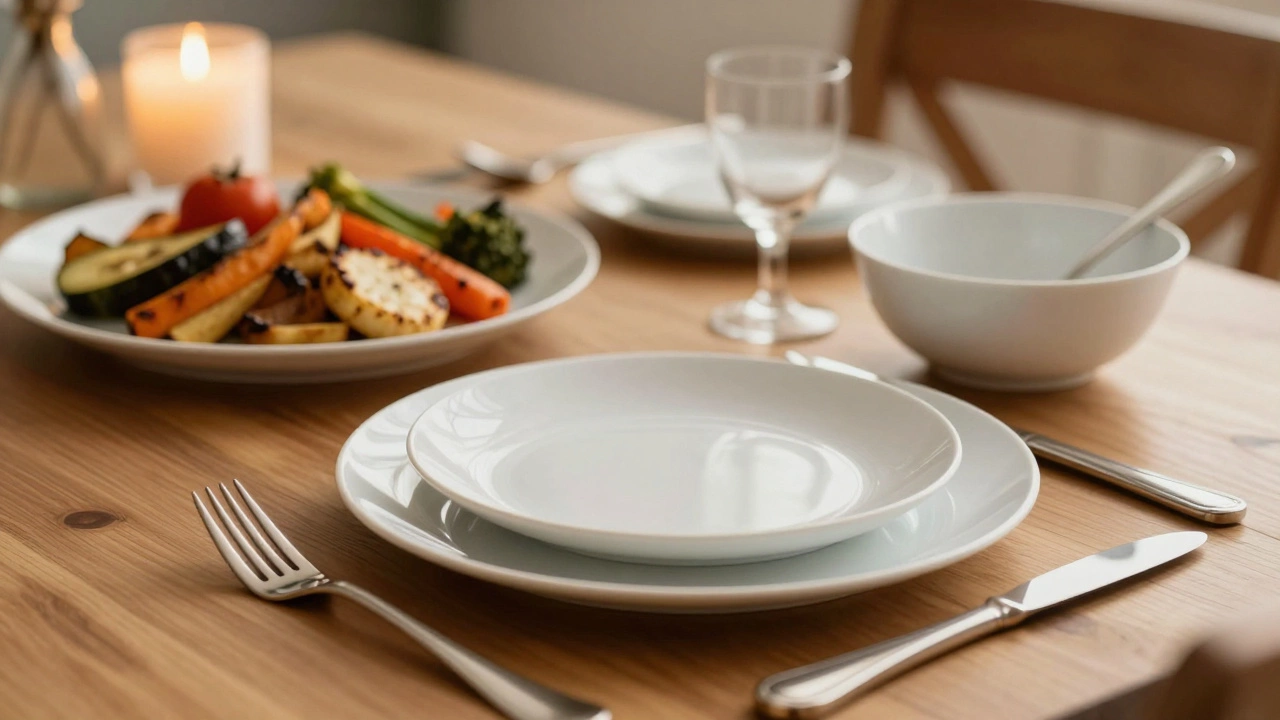
Tableware, also known as flatware or serveware, is items used for serving and eating food. This is the stuff that hits the table. It includes plates, bowls, cups, saucers, cutlery (forks, knives, spoons), and serving platters. While some people distinguish between "tableware" and "kitchenware," in broad retail and organizational terms, tableware is a subset of kitchen essentials because it is integral to the meal process.
Kitchen Utensils: The Hand Tools
If cookware holds the food, utensils manipulate it. Kitchen utensils are hand-held tools used for food preparation and cooking tasks. These are generally smaller, lighter, and made from materials like wood, silicone, plastic, or metal.
- Mixing tools: Whisks, spatulas, ladles, and tongs.
- Cutting aids: Knives (chef’s knife, paring knife, serrated bread knife), cutting boards, and mandolines.
- Measuring tools: Measuring cups, measuring spoons, and digital kitchen scales.
- Preparation tools: Peeler, grater, zester, can opener, and bottle opener.
A common point of confusion is whether knives count as kitchenware. They absolutely do. In fact, a good chef’s knife is often considered the most important piece of kitchen equipment you own. However, note that while a knife is a utensil/tool, the block that holds it might fall under storage or decor depending on how you classify it.
Gadgets vs. Appliances: Where Is the Line?
This is where most people get tripped up. You see a blender, a stand mixer, or an air fryer. Are these kitchenware?
Technically, no. These are are electric devices that perform specific cooking or food prep functions. The distinction lies in power source and complexity. Kitchenware is usually passive-it doesn’t plug into the wall. An appliance requires electricity (or gas) to function.
However, in casual conversation and even many retail stores, "kitchenware" is used as a catch-all term that includes small appliances. If you are writing a shopping list for a new home, you will likely group them together. But if you are organizing your pantry, keep them separate. Appliances need ventilation and outlet access; kitchenware needs shelf space.
| Category | Power Source | Primary Function | Examples |
|---|---|---|---|
| Cookware | Heat (Stove/Oven) | Cooking with direct heat | Frying pan, Dutch oven, Wok |
| Bakeware | Heat (Oven) | Baking/Roasting | Cake tin, Baking sheet, Loaf pan |
| Utensils | Manual | Preparation/Handling | Spatula, Knife, Whisk |
| Small Appliances | Electricity | Automated processing | Blender, Toaster, Rice cooker |
| Tableware | None | Serving/Eating | Plates, Glasses, Cutlery |
Storage and Organization Items
Does a Tupperware container count as kitchenware? Yes. Does a spice rack? Sort of.
Kitchen storage is containers and organizers used to keep food fresh and kitchen items tidy. Food storage containers, zip-lock bags, vacuum seal bags, and canisters are essential parts of modern kitchenware. They extend the life of your ingredients and reduce waste.
Organizational tools like dish racks, utensil holders, and lazy Susans are borderline. They support kitchenware but aren't used directly for food prep. Still, when buying "kitchen essentials," you’ll often find these bundled together. For example, a new homeowner kit might include a set of pots, a few utensils, and a drying rack.
What Does NOT Fall Under Kitchenware?
To clarify the scope, let’s look at what is excluded. Knowing what isn’t kitchenware helps you categorize better.
- Major Appliances: Refrigerators, freezers, dishwashers, washing machines, and built-in ovens. These are major household appliances, often categorized separately due to installation requirements and cost.
- Kitchen Furniture: Cabinets, countertops, islands, and sinks. These are part of home improvement or interior design.
- Cleaning Supplies: Sponges, dish soap, scrub brushes, and trash bags. While used in the kitchen, these are consumables or cleaning products, not durable goods.
- Decor: Wall art, curtains, or rugs placed in the kitchen. These belong to home decor.
Building a Starter Kit: What You Actually Need
If you are asking "what falls under kitchenware" because you are starting from scratch, don’t buy everything. Focus on versatility. Here is a practical checklist of the core items that cover 90% of cooking scenarios.
- One large skillet: A 10-12 inch non-stick or carbon steel pan handles eggs, pancakes, stir-fries, and searing meats.
- One medium pot: A 3-4 quart saucepan with a lid is perfect for pasta, soups, and boiling vegetables.
- One chef’s knife: An 8-inch blade cuts through almost anything. Skip the fancy sets; one good knife beats five mediocre ones.
- Two cutting boards: One for raw meat, one for produce/bread. Plastic or bamboo works well.
- Basic utensils: A wooden spoon, a silicone spatula, a pair of tongs, and a whisk.
- Baking sheet: A rimmed half-sheet pan is useful for roasting veggies, baking cookies, or reheating leftovers.
- Measuring cups and spoons: Essential for baking and consistent cooking.
Once you have these, you can expand based on your cooking habits. Love baking? Add mixing bowls and a rolling pin. Love slow cooking? Get a Dutch oven. The rest is optional.
Maintenance and Longevity
Understanding what your kitchenware is made of helps you maintain it. Stainless steel is durable and dishwasher safe but can stain if left wet. Cast iron retains heat beautifully but requires seasoning and hand-washing to prevent rust. Non-stick coatings are convenient but degrade over time and shouldn’t be used with metal utensils.
Treat your kitchenware with care, and it lasts for years. A well-maintained cast iron skillet can outlast several generations of non-stick pans. Similarly, high-quality stainless steel pots won’t warp or react with acidic foods like tomatoes.
Is a blender considered kitchenware?
Technically, a blender is a small kitchen appliance, not traditional kitchenware, because it requires electricity to operate. However, in retail contexts, blenders are often sold in the kitchenware section alongside utensils and cookware. For organization purposes, keep appliances separate from passive tools like pots and pans.
What is the difference between cookware and bakeware?
Cookware is used for cooking on a stovetop or over direct heat, such as frying pans and saucepans. Bakeware is designed for use in an oven, such as cake pans, muffin tins, and roasting dishes. The key difference is the heat source and the material construction, with bakeware often made from glass, ceramic, or heavy metal suitable for dry, ambient heat.
Do knives count as kitchenware?
Yes, knives are classified as kitchen utensils, which are a subset of kitchenware. They are hand-held tools used for food preparation. Along with cutting boards, they are essential components of any kitchen setup.
Is tableware part of kitchenware?
In broad terms, yes. Tableware (plates, bowls, cutlery) is often grouped under kitchenware in retail and home organization contexts because it is essential for serving and eating food prepared in the kitchen. However, strictly speaking, tableware is for consumption, while cookware and utensils are for preparation.
What should I buy first when setting up a new kitchen?
Start with versatile basics: one large skillet, one medium pot with a lid, one good chef's knife, two cutting boards, and basic utensils like a spatula and tongs. These items cover most cooking needs. Add specialized items like baking sheets or mixers only after you identify your specific cooking habits.