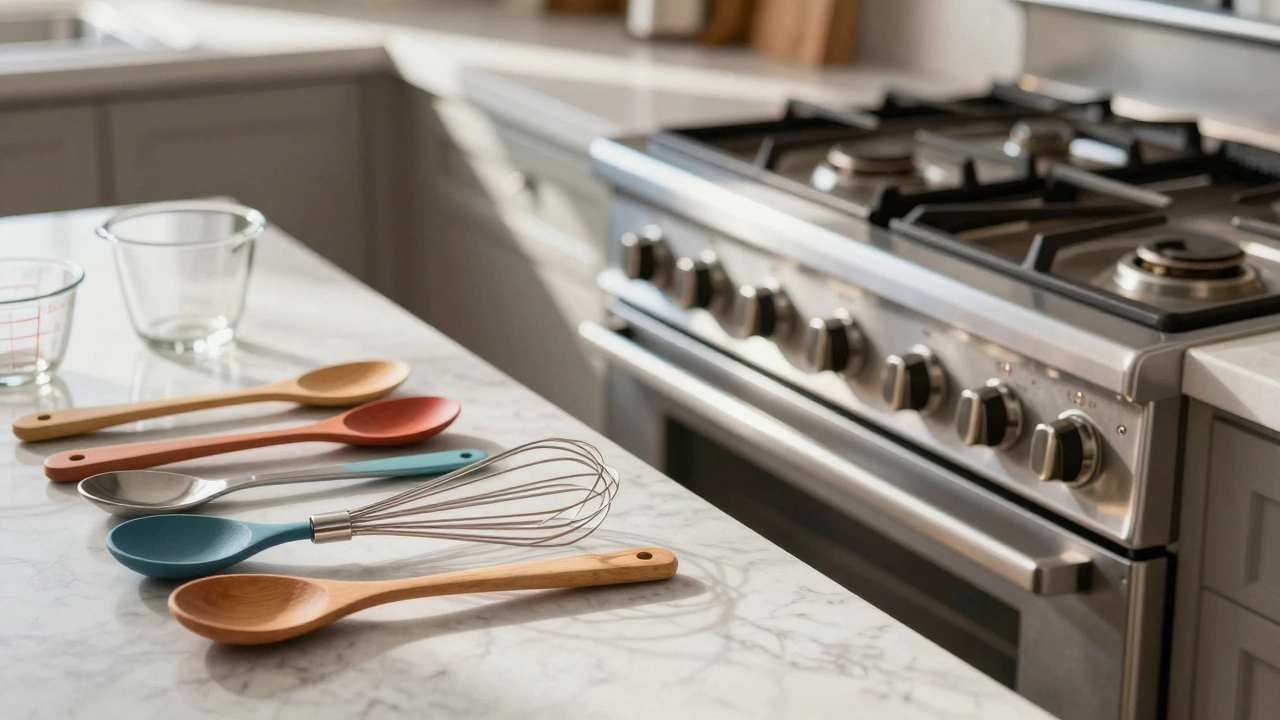
You walk into a store looking for a new cooker, and suddenly you're stuck searching through pages of spatulas and measuring cups. Does a stove belong there? Or do you head to the white goods section? This confusion happens all the time. You might even wonder this when packing boxes for a move. If you list everything wrong, your insurance policy might not kick in when you need it most.
The short answer is no. A stove is not kitchenware. While they share the same room, they play different roles. Kitchenware usually refers to the small tools you hold in your hand. A stove is a large, permanent installation that cooks the food for you. Knowing the difference helps you shop smarter, pack better, and protect your assets correctly.
What Actually Counts as Kitchenware?
To understand where a stove fits, we first need to define what makes something kitchenware. Small handheld utensils, tools, and accessories used for food preparation. . Think about the things cluttering your drawers. Knives, wooden spoons, tongs, mixing bowls, and measuring cups fall squarely into this category. These items are portable. You grab them, use them, and put them away.
In contrast, look at your fridge or dishwasher. These are bulky, stationary machines. They are considered major appliances. Large electrically powered household machines performing specific tasks. . A stove sits right in the middle of this appliance world. It is a fixed unit designed for heat generation, not a tool manipulated by hand. Most dictionaries and retailers separate "smallware" from "appliances" for a very practical reason: durability and cost.
The Different Types of Cooking Ranges
People use the word 'stove' loosely. In some regions, it means an outdoor fire pit. Inside a modern home, we are usually talking about a range, a hob, or an oven. Each has its own place in the hierarchy of household items. Understanding these variations clarifies why a stove isn't grouped with kitchen utensils.
- Freestanding Range: This unit includes burners on top and an oven below. It stands alone on the floor. While it moves easily compared to a built-in oven, it is still classified as an appliance due to its power requirements and connection to gas or mains electricity.
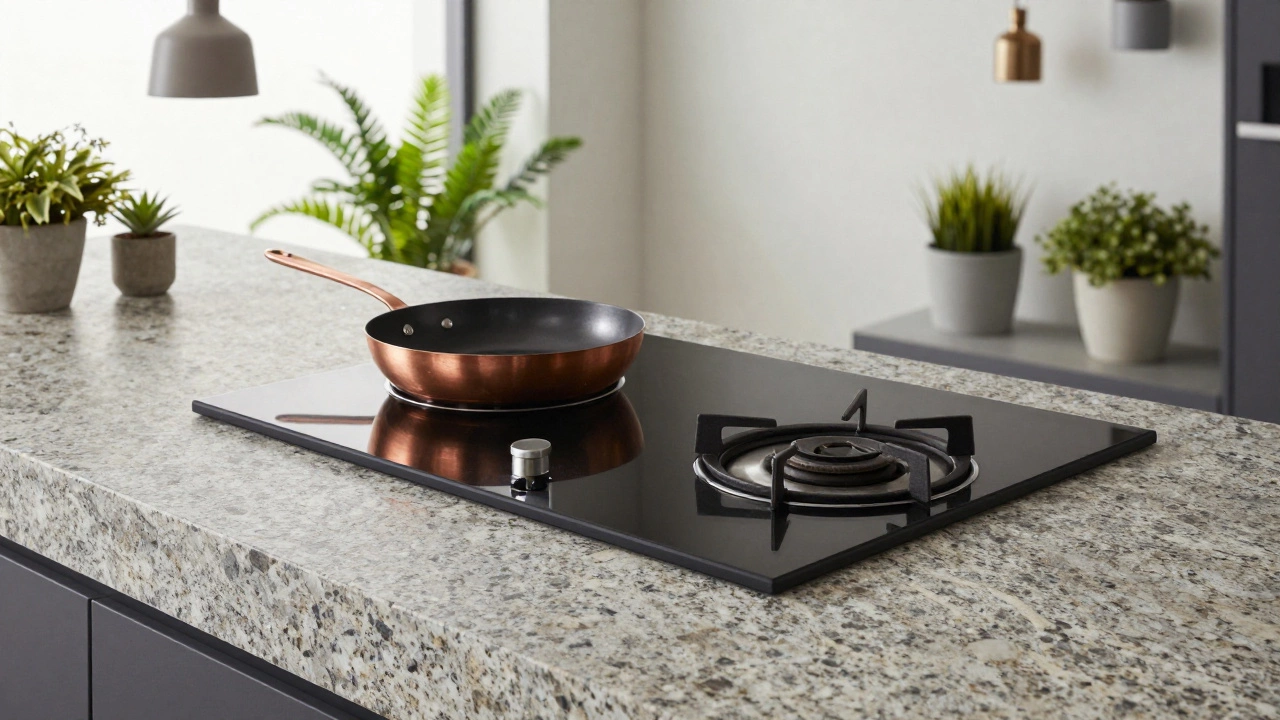
- Built-in Cooktop: Also known as a hob, this sits flush into a countertop. It is often treated as a fixture because removing it damages the surface underneath. It definitely isn't kitchenware.
- Portable Camp Stove: Now here is the tricky part. A small, two-burner propane stove you take camping looks more like a tool than a machine. Even then, most stores list these under camping gear or outdoor equipment, not with your forks and ladles.
The size matters. If you have to hire a mover to carry it, it's likely not kitchenware. If you can throw it in a suitcase, it might be considered portable cookware, but a full-sized domestic stove is almost always a major appliance.
| Item Type | Typical Examples | Movable? | Power Source | Category |
|---|---|---|---|---|
| Kitchenware | Spatulas, Whisks, Bowls | Yes, Handheld | None (Manual) | Utensils / Accessories |
| Cookware | Pots, Pans, Woks | Yes, Heavy | Passive Heat | Vessel / Cookware |
| Major Appliance | Stove, Oven, Fridge | No (Fixed) or Hard | Gas / Electric | Appliance / White Goods |
| Smart Gadget | Slow Cooker, Air Fryer | Yes, Plugs In | Electric Socket | Small Appliance |
Why Classification Matters for Movers and Renters
This might seem like a boring naming debate, but it gets expensive if you get it wrong. Imagine you are renting out your flat in Auckland. You list all your 'kitchen items' included in the rent agreement. If you say you leave behind the 'kitchenware,' tenants expect cutlery. They do not expect the stove. If you fail to specify that the 'cooking appliance' remains, you could end up with a dispute over who pays for gas hookups.
When hiring movers, you need to distinguish between 'furniture', 'white goods', and 'household effects'. A removalist company charges differently based on weight and volume. A stove is heavy. It requires professional handling to ensure gas lines aren't damaged. Treating it as standard kitchenware leads to damage. Professional movers treat stoves like fixtures or heavy appliances. They disconnect the gas line carefully rather than just dragging it.
Consider storage facilities too. If you put a heavy range in a locker marked for general goods, it might violate weight distribution rules. Storage companies classify heavy machinery separately from boxes of plates. Misclassifying the load creates safety hazards for other tenants.

Insurance Implications for Your Home
Your home insurance policy has two parts: Contents Cover and Building Cover. Building cover usually protects fixtures like a built-in cooktop because it is attached to the structure of the house. Contents cover protects movable property. If you buy a freestanding stove, does it fall under contents? Yes, usually. But if you claim it got damaged, you need to prove it was an appliance covered under your policy limits.
Insurance forms often ask for 'White Goods' inventory separately from 'Furniture'. Putting your gas range under furniture might confuse the adjuster. They have different depreciation rates. Electronics and heating elements lose value faster than solid timber cupboards. By understanding that your stove is a major appliance, you schedule your replacement value correctly. Don't lump it in with your blender collection.
Retail Categorization and Shopping Filters
E-commerce sites struggle with this exact terminology. You search for a new cooker, but the category dropdown only shows 'Kitchen & Dining'. This frustrates buyers. Good retail platforms split these clearly. They know a customer looking for a ceramic pot is not ready to install a 5-burner gas range. The logistics are completely different.
Delivery teams differ too. A delivery service dropping off a set of knives handles them differently than a crew bringing in an induction cooktop. One goes to your front door; the other requires a trip upstairs and installation verification. When browsing online, look for tabs labeled 'Electrical', 'Whitegoods', or 'Major Appliances'. If you stay in 'Kitchen Accessories', you will miss the big-ticket items entirely.
Some stores try to bundle them together under broad headings. Always check the product page description. It will explicitly state whether it is an 'appliance' requiring gas connection or 'cookware' requiring none. This small detail saves hours of return shipping nightmares.
Portable Solutions and the Edge Cases
Are there exceptions? Yes. Tiny camping stoves sit in the grey area. A single burner electric hot plate is often sold in the electronics aisle, not with pots and pans. Yet, functionally, it acts as a heat source. However, industry standards like ISO classifications group them under 'Household Heating Appliances'.
Even for these smaller devices, the distinction remains functional. You plug them in. They require voltage management. That places them closer to electronics than utensils. So even the smallest version of a stove is still technically an electrical device, making it an appliance rather than ware.
Frequently Asked Questions
Does a stove count as cookware?
No. Cookware refers to vessels like pots and pans that you place on top of a heat source. A stove is the heat source itself. They work together but are fundamentally different types of equipment.
Can I bring a stove when moving to New Zealand?
Moving appliances across borders involves strict biosecurity and electrical standards. Bring a manual model, but note that UK plugs differ from NZ three-pronged sockets. You may need adapters or replacement units upon arrival.
Where should I categorize my stove in an inventory spreadsheet?
Create a dedicated column for 'Major Appliances' or 'White Goods'. Do not mix it with kitchen utensils or dinnerware. List it separately to track its serial number and warranty period accurately.
Is an oven part of the stove category?
It depends on the configuration. A standalone range combines both functions. If you have a built-in wall oven with a separate cooktop, both are appliances, but they are installed separately. Functionally they are similar.
Do rental agencies provide stoves?
Most fully furnished rentals include a stove as part of the base fixture package. Standard tenancy agreements in New Zealand often require the landlord to supply a working cooking appliance to meet habitability laws.
What is the difference between hob and range?
A hob is the top cooking surface only. A range includes the burners and the oven below it. Hobs are usually built into countertops, while ranges are freestanding units sitting on the floor.
Understanding the line between kitchenware and appliances gives you clarity when shopping, moving, or insuring your home. While a stove lives in the kitchen, it behaves like a machine. Recognizing this shift in function helps you keep your lists organized and avoids costly misunderstandings with landlords, insurers, or sellers.