5-Second Decluttering Timer
The 5-Second Rule Timer
Count 5-4-3-2-1 and move the item
How many times have you picked up a sock, a coffee mug, or a pile of mail and thought, “I’ll deal with this later”-only to find it still sitting there three days later? You’re not lazy. You’re just stuck in the mental trap of “it’s not that big a deal.” But here’s the truth: clutter doesn’t grow in big chunks. It grows in seconds. And the 5-second rule for decluttering is the quiet hack that stops it before it starts.
What the 5-Second Rule Actually Means
The 5-second rule for decluttering isn’t about food. It’s not about whether something dropped on the floor is still safe to eat. This version comes from Mel Robbins’ 5-Second Rule for breaking hesitation. Applied to clutter, it works like this: When you see something that doesn’t belong where it is, count backward from 5 to 1-and move it. No thinking. No debating. Just move.
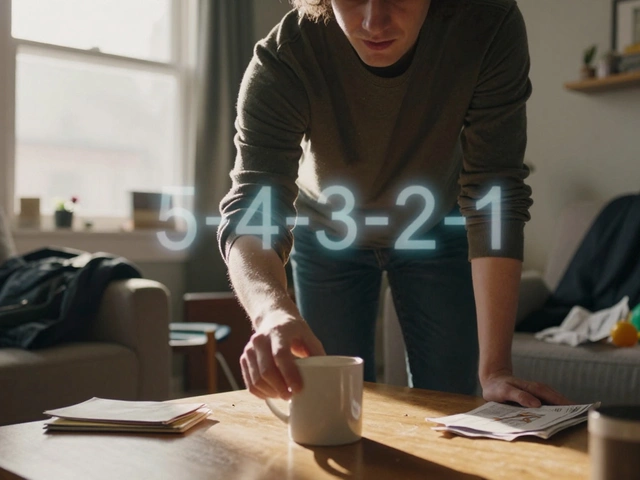
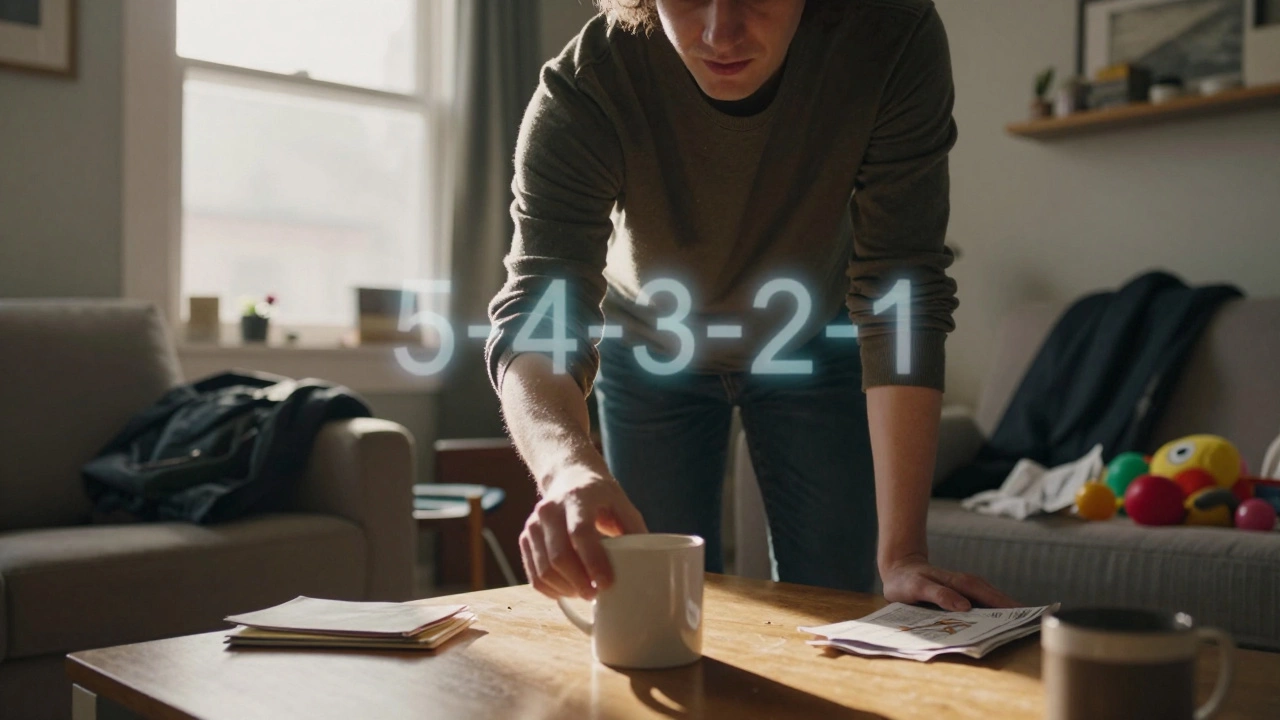
That coffee cup on the living room table? 5… 4… 3… 2… 1-pick it up and carry it to the kitchen. That stack of bills on the counter? 5… 4… 3… 2… 1-toss them in the folder by the desk. That coat hanging on the back of the chair? 5… 4… 3… 2… 1-hang it in the closet.
This isn’t about cleaning. It’s about interrupting the brain’s automatic habit of ignoring small messes. Your brain says, “It’s just one thing.” But one thing becomes ten. Ten becomes a pile. A pile becomes a zone. And suddenly, your whole house feels heavy.
Why It Works (And Why Most Decluttering Methods Fail)
Most decluttering advice tells you to sort through everything. “Go through your drawers.” “Empty your closet.” “Decide what to keep.” But here’s the problem: those tasks feel huge. They require energy, time, and decision-making-all things your brain resists when it’s tired, busy, or overwhelmed.
The 5-second rule bypasses all that. It doesn’t ask you to make decisions. It doesn’t ask you to organize. It just asks you to act-fast. And action, even tiny, rewires your brain over time.
Studies in behavioral psychology show that habits form fastest when actions are simple, immediate, and repeated. The 5-second rule turns decluttering into a reflex. After a few days, you start noticing clutter without even thinking. You don’t wait to feel motivated. You don’t wait for “someday.” You just move.
People who use this rule consistently report that their homes feel lighter within a week. Not because they threw out a lot. But because they stopped letting things sit.
How to Use It in Real Life (With Examples)
Here’s how the 5-second rule shows up in real homes-no magic, no fancy bins, no expensive organizers.
- Mail pile on the entry table? 5… 4… 3… 2… 1-grab it and walk to the recycling bin or filing drawer. Done.
- Shoes by the door? 5… 4… 3… 2… 1-put them in the shoe rack. Even if it’s just one pair.
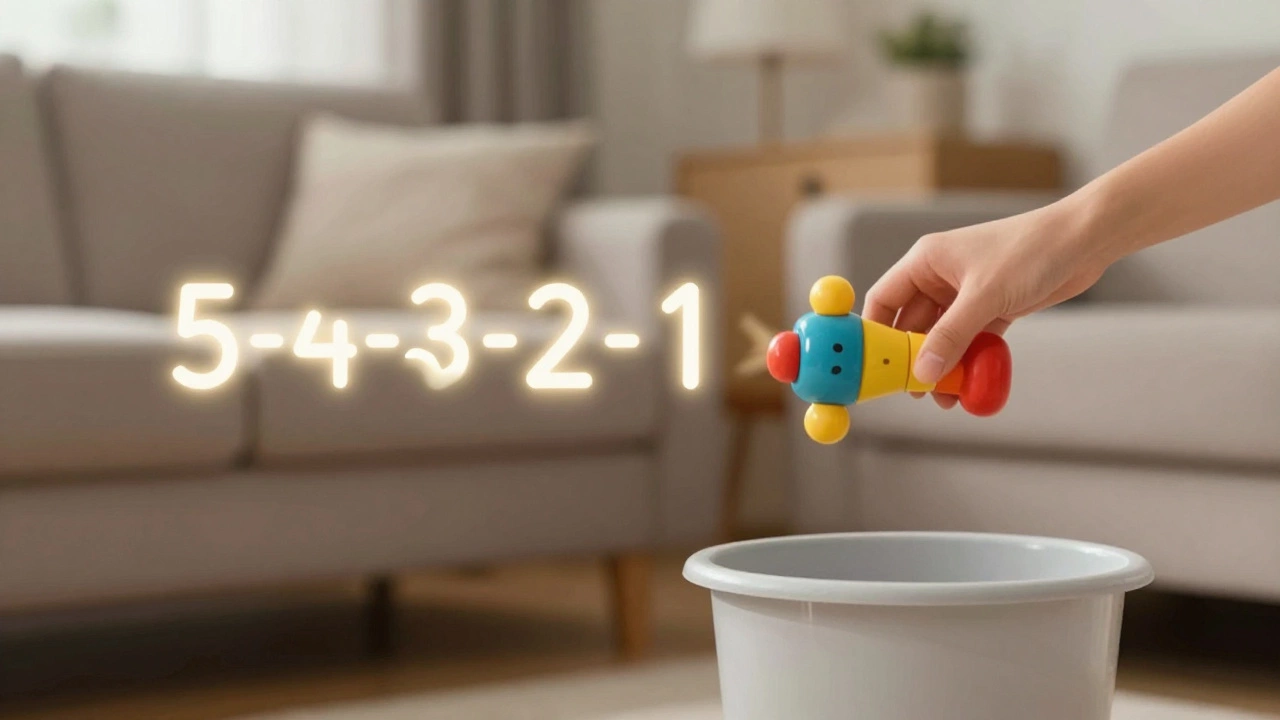
- Child’s toy on the sofa? 5… 4… 3… 2… 1-carry it to the toy bin. Doesn’t matter if the bin is full. Just get it there.
- Empty water bottle on the nightstand? 5… 4… 3… 2… 1-take it to the kitchen. No need to rinse it. Just move it.
- Magazine on the coffee table you haven’t read in months? 5… 4… 3… 2… 1-put it in the recycling. You won’t miss it.
Notice something? None of these require you to sort, categorize, or decide. You’re not deciding whether to keep the item. You’re just returning it to its home. That’s the key. The 5-second rule assumes you already have a place for things. If you don’t, that’s a separate problem-and one you can fix later.
What to Do If You Don’t Have a “Home” for Things
Maybe your coat has no closet. Maybe your bills have no folder. Maybe your books have no shelf. That’s okay. The 5-second rule still works-but you use it to build systems, not just move objects.
When you see something with no home:
- 5… 4… 3… 2… 1-put it in a temporary box or bin labeled “Where Does This Go?”
- Set a timer for 10 minutes once a week to sort that box.
- When you sort it, assign each item a real home-or toss it.
That’s it. You’re not fixing everything now. You’re just stopping the spread. The temporary box is your decluttering safety net. It keeps clutter from taking over while you slowly build better systems.
Common Mistakes (And How to Avoid Them)
People try the 5-second rule and give up because they think it’s not working. Here’s why that happens-and how to fix it.
- Mistake: “I did it once and nothing changed.” Fix: This isn’t a one-time fix. It’s a daily habit. Like brushing your teeth. Do it every time you see clutter-no exceptions.
- Mistake: “I’m not doing it right because I still have clutter.” Fix: Clutter doesn’t vanish overnight. The goal isn’t a zero-clutter home. The goal is to stop letting clutter grow. One less thing on the table each day adds up.
- Mistake: “I have to move everything.” Fix: You don’t. Just move what you see right now. Don’t look around the room. Don’t plan. Just react to the one thing in front of you.
- Mistake: “I forgot to count.” Fix: That’s normal. Just start again the next time you see clutter. No guilt. No pressure. Just count 5-4-3-2-1 and move.
Why This Rule Fits Perfectly With Storage Solutions
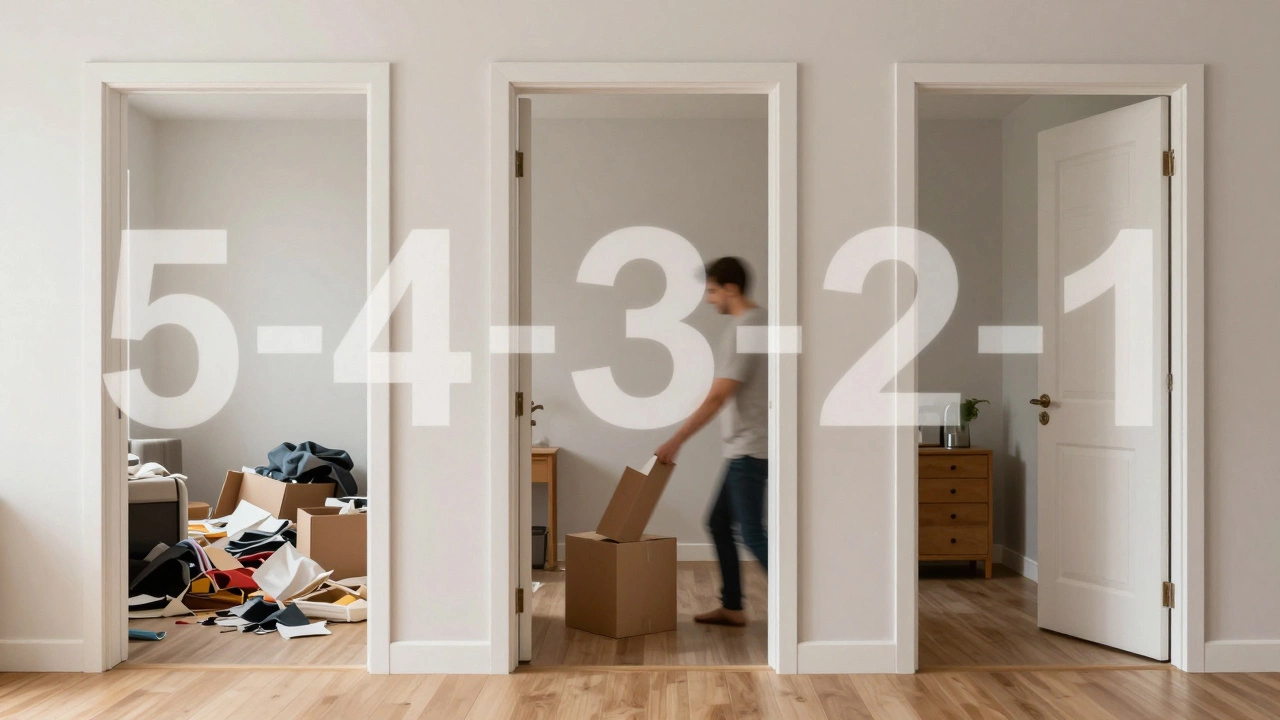
Storage isn’t about buying more bins. It’s about having a place for things-and making sure things go back there. The 5-second rule forces you to use what you already have.
If you’ve got a drawer, use it. If you’ve got a shelf, use it. If you’ve got a hook, use it. The rule doesn’t care if your storage is fancy or cheap. It just cares that you use it. And when you use it consistently, your storage works better. You stop forgetting where things go. You stop losing things. You stop buying duplicates because you can’t find the ones you already own.
People who combine the 5-second rule with basic storage solutions-like labeled bins, hooks near the door, or a single basket for remotes-see dramatic changes. Their homes stop feeling chaotic. They don’t need to clean more. They just need to move things faster.
What Happens After 30 Days
After a month of using the 5-second rule, you’ll notice three things:
- You stop seeing clutter as a problem. You see it as a signal to move.
- You start noticing when things are out of place before you even walk into a room.
- You feel calmer. Not because your house is perfect-but because you’re no longer fighting it.
One woman in Auckland told me she used to dread walking into her kitchen. There was always a mess: mugs, cereal boxes, stray utensils. After two weeks of the 5-second rule, she said, “I walk in now and I just feel… peaceful.” She didn’t buy new cabinets. She didn’t hire a cleaner. She just started moving things.
That’s the power of small actions. You don’t need a full-day decluttering marathon. You just need to move one thing, five seconds after you see it.
Final Thought: It’s Not About Perfection
The 5-second rule isn’t about having a Pinterest-perfect home. It’s about having a home that doesn’t weigh you down. It’s about not spending your energy fighting clutter every day. It’s about making your space feel like a place you want to be in-not a place you’re constantly fixing.
Start today. The next time you see something that doesn’t belong where it is, don’t think. Don’t wait. Don’t say, “I’ll do it later.”
5… 4… 3… 2… 1.
Move it.