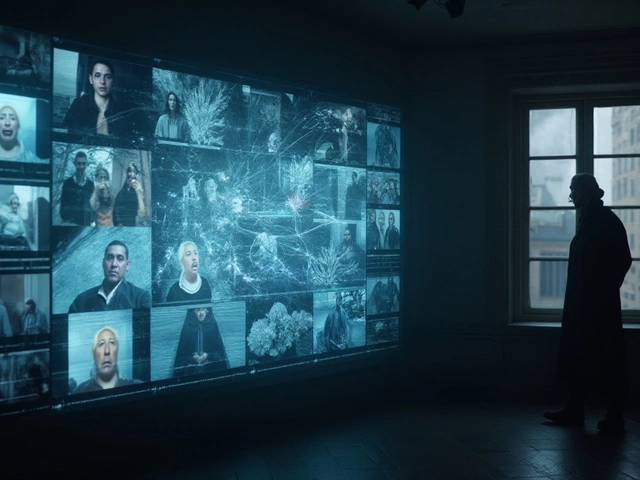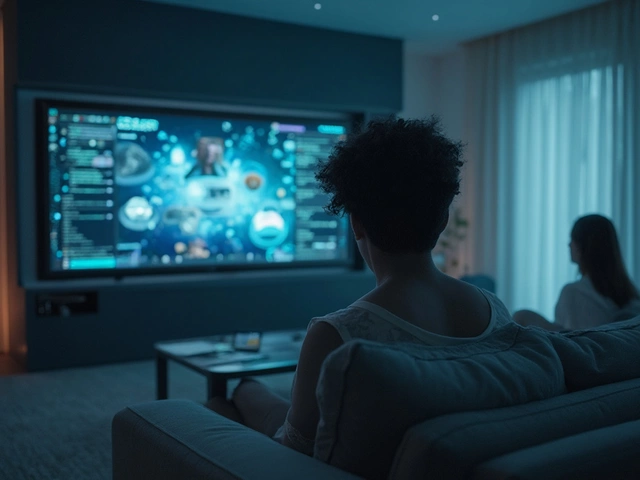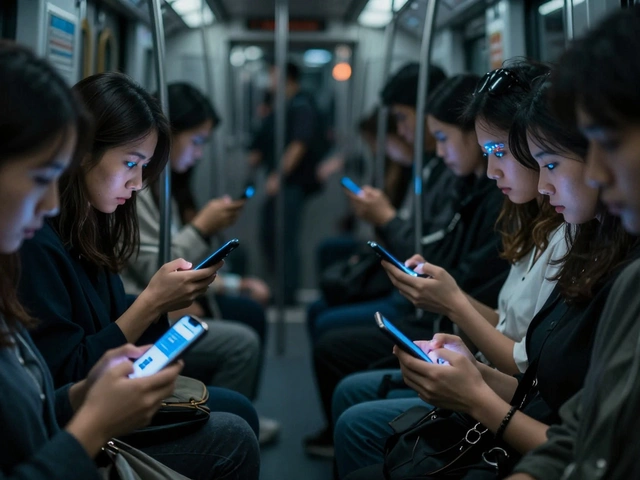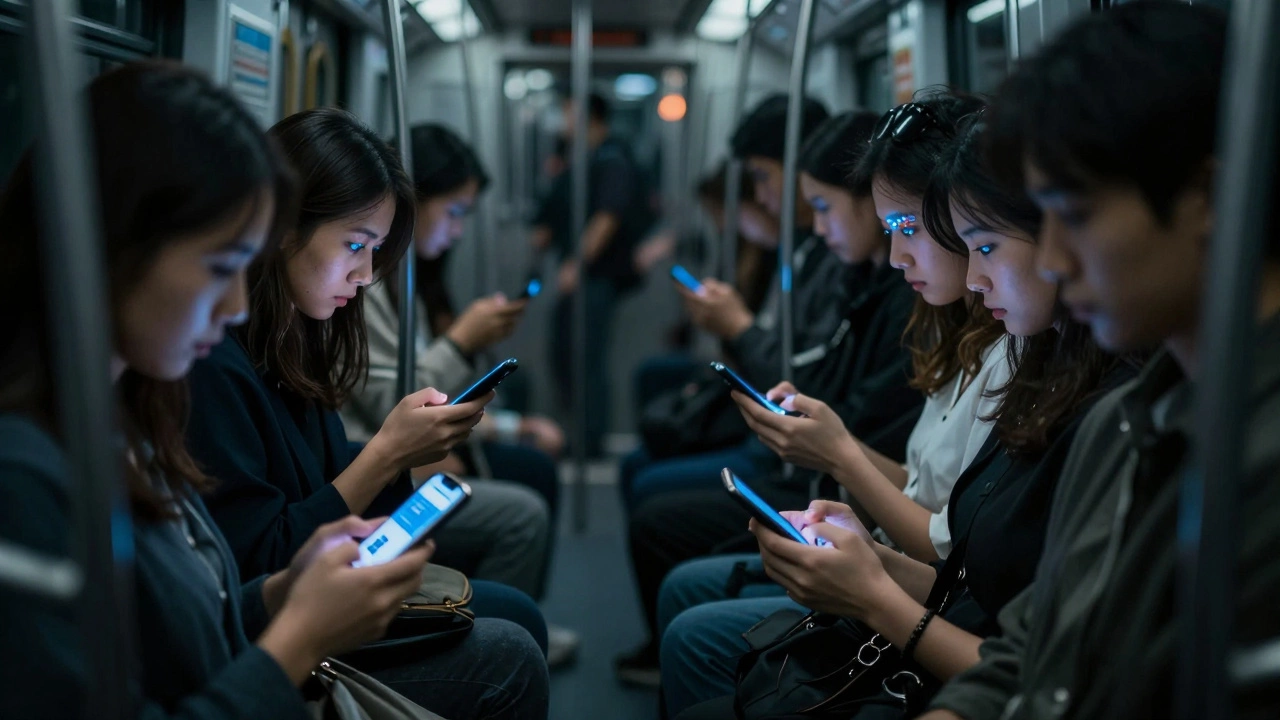
Black Mirror isn’t about mirrors. Not the kind you hang on your wall or check your reflection in before leaving the house. It’s about the way technology twists human behavior, turns social norms inside out, and reflects back our worst impulses in ways we didn’t see coming. That’s why it’s so popular - because every episode feels like a warning you ignored until it was too late.
It’s not science fiction. It’s already happening.
Most sci-fi shows imagine aliens, space travel, or robots taking over. Black Mirror doesn’t need that. Its monsters are real: social media likes, algorithm-driven news feeds, facial recognition, deepfakes, and surveillance capitalism. In San Junipero, people upload their consciousness to live forever in a virtual paradise. In The National Anthem, a prime minister is forced to have sex with a pig on live TV because of public outrage. Both sound absurd - until you remember how often real life has outpaced fiction.
When White Christmas showed people trapped in digital clones of themselves, forced to serve as personal assistants, it felt like horror. But today, millions of people work as gig laborers for apps that treat them like disposable code. When Nosedive turned social ratings into a currency that decided your housing, job, and even who you could date - that wasn’t fantasy. It was Instagram, LinkedIn, and TikTok with a 10-year head start.
It makes you uncomfortable - and that’s the point.
Most TV shows want you to feel good. Black Mirror wants you to feel guilty. It doesn’t offer heroes. It doesn’t give you a clean ending. In Hated in the Nation, a hashtag starts a movement that turns deadly. The villain isn’t a madman - it’s a crowd. In Playtest, a man volunteers for a VR game and gets trapped in his own worst fears. The horror isn’t the monster. It’s that he asked for it.
The show doesn’t blame corporations or governments. It blames us. We click. We share. We rage. We trade privacy for convenience. We let algorithms decide what we think is real. Black Mirror doesn’t say, "Look what they did." It says, "Look what you did."
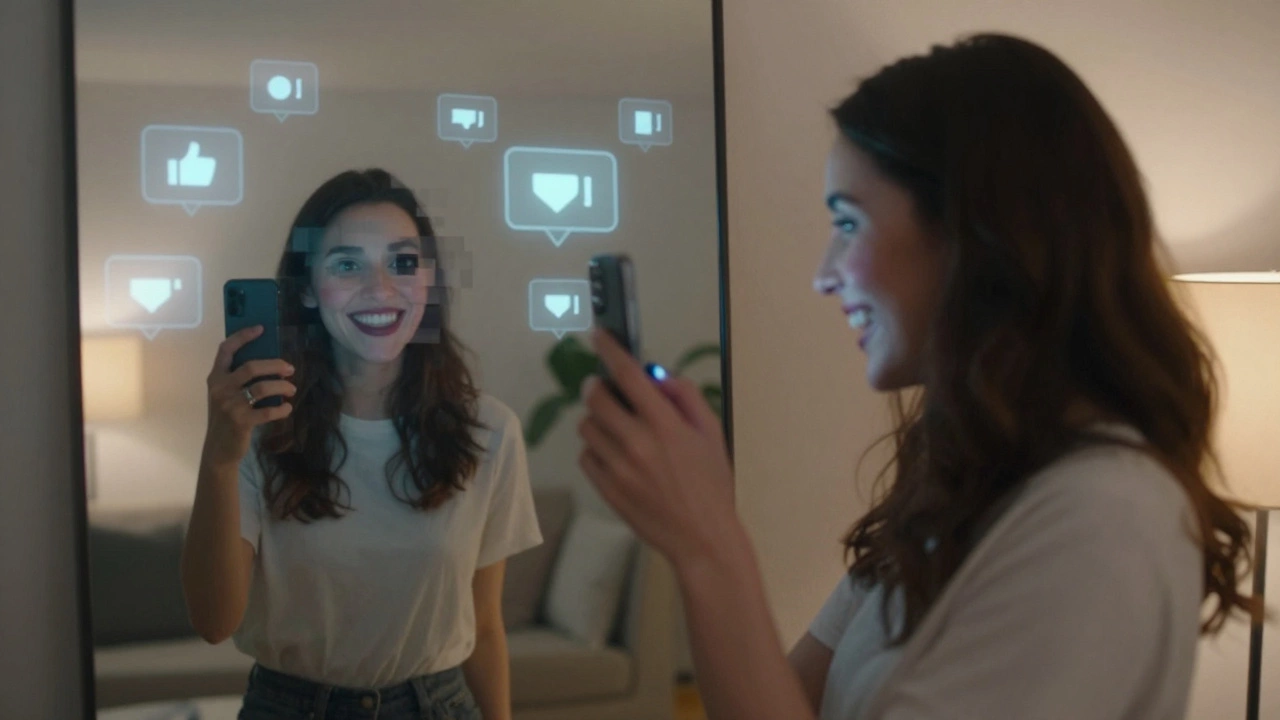
It’s a perfect anthology - no filler, no fluff.
Unlike long-running series that drag out storylines just to keep viewers hooked, every Black Mirror episode is a standalone story. That means no lazy writing. No recycled plots. No character arcs that outstay their welcome. Each episode is a tight, 90-minute experiment. One week, it’s about a dating app that rates your compatibility. The next, it’s about a government using AI to rewrite memories. There’s no pressure to make it all fit together. Each story stands on its own - and most of them leave you speechless.
That format works because you don’t have to commit. You can watch one episode, feel shaken, and walk away. Or you can binge five in a row and realize the pattern: technology doesn’t change who we are. It just gives us new tools to be worse.
It’s not anti-technology. It’s anti-complacency.
People say Black Mirror hates tech. It doesn’t. It hates when we stop asking questions. The show doesn’t say, "Don’t use smartphones." It says, "Why do you let a company decide what you see every time you open your phone?" It doesn’t say, "Delete your social media." It says, "What happens when your worth is measured in likes?"
In Men Against Fire, soldiers are implanted with a chip that makes them see enemies as monsters. The twist? The "monsters" are just people who don’t fit society’s norms. The chip isn’t evil. The silence is. When people stop asking why they’re being told to hate, that’s when the horror begins.
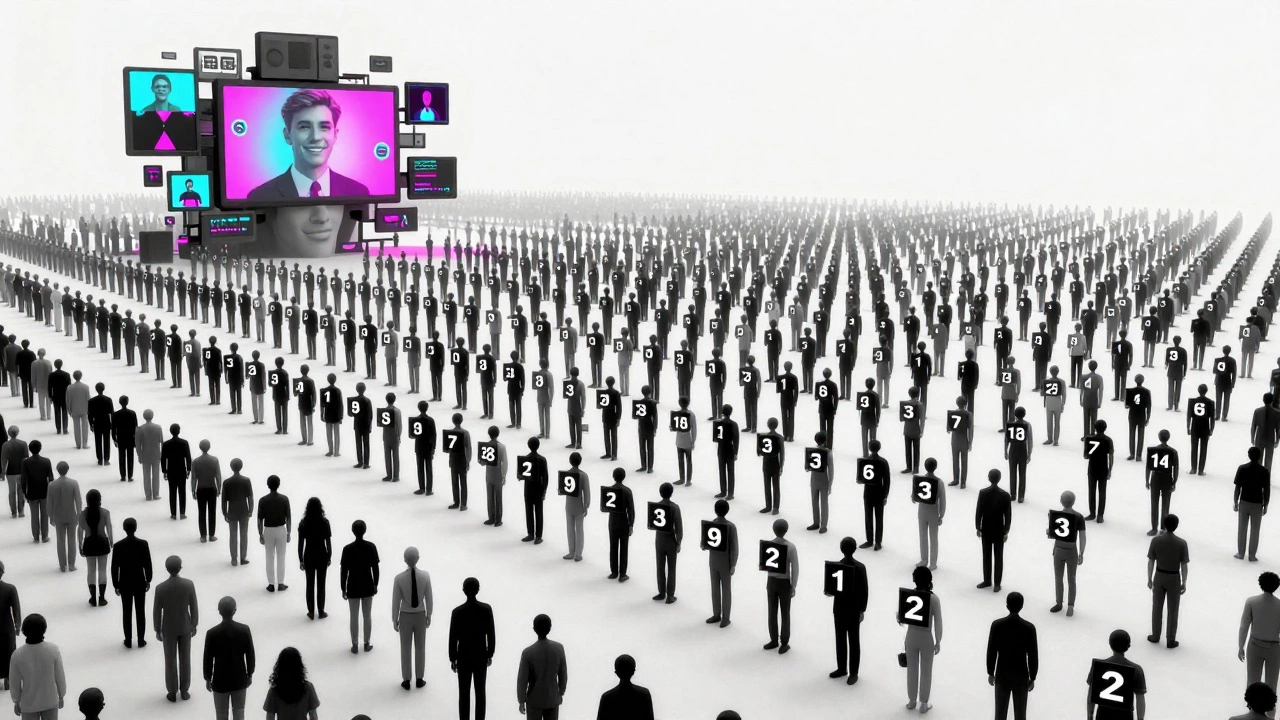
It’s written by people who’ve seen the future - and they’re scared.
Charlie Brooker, the creator, doesn’t write from a lab or a tech conference. He writes from watching people scroll through their phones on the subway, from seeing how outrage spreads faster than truth, from noticing how we treat each other differently when we’re behind a screen. He’s not a technophobe. He’s a journalist who noticed something: we’re not using technology. It’s using us.
And he’s not alone. Engineers at Google, Facebook, and Twitter have gone public about how their own creations are designed to hook users, exploit emotions, and maximize time spent. Black Mirror takes those behind-the-scenes truths and turns them into stories that stick in your head long after the credits roll.
Why it still matters in 2026
It’s 2026. We have AI that writes our emails, predicts our moods, and generates fake videos of politicians saying things they never said. We have facial recognition on every street corner. We have mental health apps that sell our data to advertisers. We have kids who can’t remember life before TikTok.
Black Mirror isn’t predicting the future anymore. It’s documenting the present. The episode about a child’s toy recording private conversations? That’s a real product sold in 2023. The one about people paying to have their memories edited? That’s a startup raising millions right now.
Its popularity isn’t because it’s scary. It’s because it’s true. And the scariest thing about Black Mirror? You already know which episode you’re living.
Is Black Mirror based on real technology?
Yes. Nearly every technology shown in Black Mirror has a real-world counterpart. The social rating system in "Nosedive" mirrors apps like WeChat’s social credit system. The memory-editing tech in "Black Museum" is similar to research into neural implants and memory manipulation. Even the AI companions in "Be Right Back" resemble real chatbots like Replika. The show doesn’t invent - it extrapolates.
Why do people keep watching Black Mirror if it’s so dark?
Because it feels honest. Most entertainment pretends technology will save us. Black Mirror says, "No - it’s revealing who we really are." People watch because they want to understand the world they’re living in. It’s not escapism - it’s a mirror. And even if the reflection is ugly, it’s better than ignoring it.
Which Black Mirror episode is the most realistic?
"Nosedive" is often cited as the most realistic. Its portrayal of social validation as currency, the pressure to perform happiness, and the consequences of low ratings mirror how platforms like Instagram and LinkedIn already shape careers and relationships. Studies show people with higher social media engagement report better job opportunities - and worse mental health. The episode just takes that to its logical extreme.
Is there a happy ending in Black Mirror?
There are no traditional happy endings. But some episodes offer quiet hope. "San Junipero" ends with two women choosing to live together forever in a digital afterlife - a rare moment of love surviving beyond death. "USS Callister" ends with rebellion and escape. These aren’t triumphs over technology - they’re moments of humanity breaking through. That’s the real message: technology won’t save us. But we might still save ourselves.
Why does Black Mirror feel different from other sci-fi shows?
Most sci-fi explores space, aliens, or futuristic wars. Black Mirror stays grounded - in your living room, your phone, your job, your relationships. It doesn’t need spaceships. It only needs a smartphone and a Wi-Fi signal. Its power comes from how close it is to your daily life. That’s why it sticks with you.