Mirror Value & Cost Analysis Tool
Step 1: Select Desired Features
Click the features you value in your daily routine to see the impact on quality and cost.
Step 2: Investment Analysis
The Sticker Shock of Luxury Glass
You walk into a showroom or browse online, and you see a mirror that looks, well, like a mirror. But then you see the price tag. It's not just a few hundred dollars; it's thousands. You start wondering if you're paying for the glass or just a fancy logo. When it comes to Kohler is a global leader in kitchen and bath fixtures known for high-end design and engineering. Kohler Co., the cost isn't just about the reflective surface. It's about what's happening behind the glass and how that glass is actually made.
Key Takeaways
- High-grade glass prevents the "funhouse" warping seen in cheap mirrors.
- Integrated tech like defoggers and tunable lighting adds significant hardware costs.
- Strict quality control and long-term warranties reduce the risk of silvering failure.
- The brand's design ecosystem ensures a perfect match with other bathroom fixtures.
Beyond the Glass: Engineering and Materials
Most cheap mirrors use thin glass and a basic silvering process. If you look closely at a budget mirror, you might notice a slight ripple when you move your head. That's because the glass isn't perfectly flat. Kohler uses high-density, precision-ground glass that eliminates these distortions. This ensures your reflection is mathematically accurate, which is a huge deal when you're applying makeup or shaving.
Then there's the backing. Cheap mirrors often suffer from "black edge" or desilverization, where the reflective coating peels away from the edges over time due to bathroom humidity. Kohler implements advanced sealing techniques and moisture-resistant coatings. They aren't just slapping a mirror into a frame; they're creating a sealed environment that protects the silver layer from the salty, humid air of a shower-heavy bathroom. This is why a premium mirror lasts twenty years while a budget one starts spotting after five.
The Cost of Intelligence: Smart Mirror Tech
A lot of the price jump happens when you move from a standard mirror to a Smart Mirror. These aren't just pieces of glass; they're electronic devices. When you pay for a high-end model, you're paying for integrated LED Lighting that mimics natural daylight. Many Kohler models feature "tunable" light, meaning you can switch from a warm glow for a relaxing bath to a cool, crisp white for morning prep.
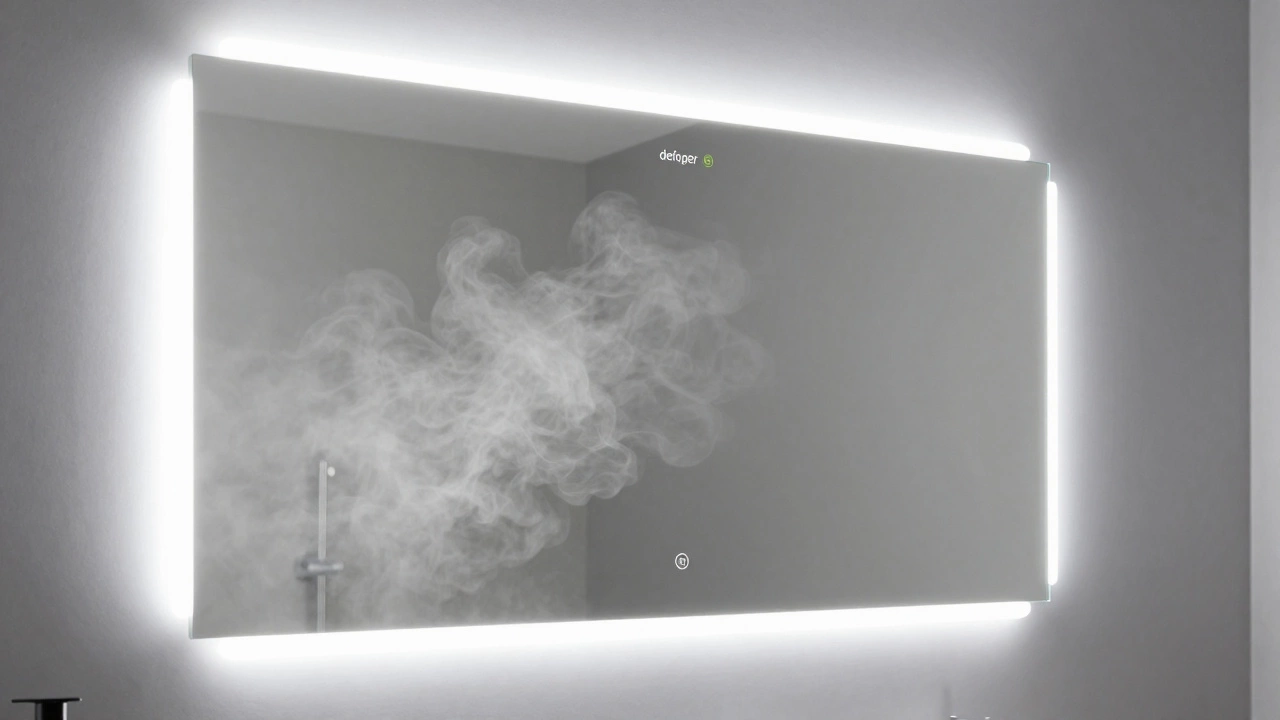
Ever stepped out of a hot shower and spent ten minutes wiping steam off the mirror with a towel? That's where the Defogger comes in. These mirrors have heating pads bonded to the back of the glass. These elements maintain the glass temperature just above the dew point, preventing condensation from forming. Integrating these heating elements without creating visible hotspots or electrical risks requires precise engineering and higher-grade components than you'd find in a generic brand.
| Feature | Budget Store Mirror | Kohler Premium Series |
|---|---|---|
| Glass Quality | Standard float glass (some warping) | Precision-ground, distortion-free |
| Edge Durability | Prone to silvering decay/black edges | Advanced moisture-seal technology |
| Lighting | None or basic external strips | Integrated, CRI-optimized LED arrays |
| Anti-Fog | Manual wiping required | Integrated electric heating pads |
| Warranty | Limited or 1-year | Comprehensive long-term support |
Design Synergy and the Ecosystem
There is a psychological and aesthetic value to buying within a single brand's ecosystem. When you choose a mirror that matches your Bathroom Vanity and faucet, the finishes are identical. Not all "brushed gold" or "matte black" are created equal. If you buy a mirror from one brand and a faucet from another, you often end up with two slightly different shades of the same color, which can make a room look disjointed.
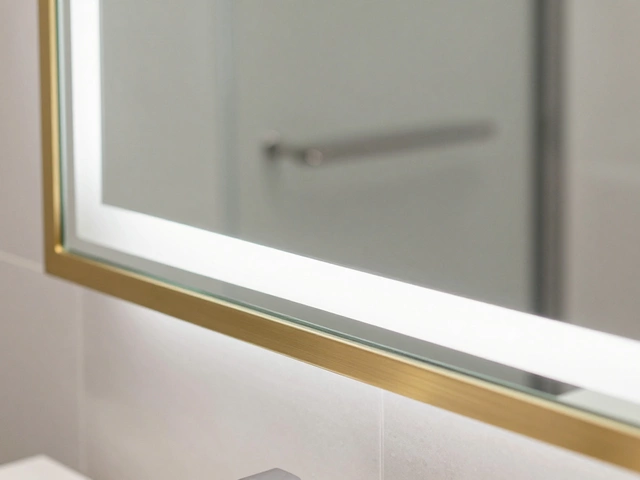
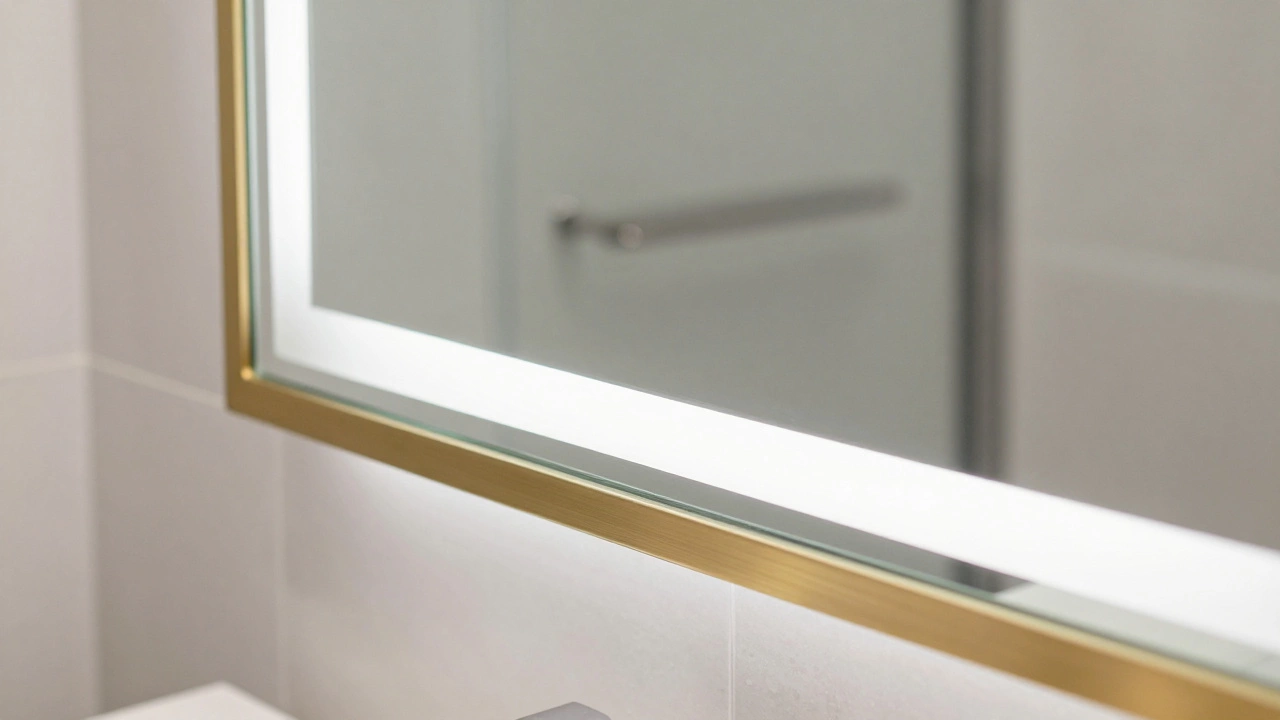
Kohler invests heavily in industrial design. Their mirrors are designed to balance the visual weight of the room. The frames are often made from high-grade metals rather than plastic with a metallic spray. This adds weight, which means more stable mounting hardware and a mirror that doesn't rattle or lean over time. When you're spending thousands on a bathroom remodel, the last thing you want is a mirror that feels flimsy.
The Hidden Costs of Quality Control
In the world of mass-produced mirrors, a 5% failure rate (cracks during shipping or bubbles in the glass) is often acceptable for the manufacturer. For a luxury brand, that's a nightmare. Kohler's quality control is significantly more rigorous. Every single unit is inspected for clarity, edge perfection, and electronic functionality before it leaves the factory.
Additionally, the logistics of shipping a massive, fragile sheet of glass is a nightmare. Luxury brands spend more on specialized packaging-custom foam inserts and reinforced crates-to ensure the mirror arrives without a single scratch. You're paying for the peace of mind that the product won't arrive shattered, and if it does, the customer service experience is handled by a company with the resources to replace it immediately without a fight.
Is the Investment Actually Worth It?
Whether a Kohler mirror is "worth it" depends on your goals. If you're flipping a house to sell it quickly, a budget mirror does the job. But if you're building a forever home, the value lies in the longevity. A mirror that doesn't desilver, doesn't fog up, and provides perfect light is a utility you use every single morning. Over ten or fifteen years, the cost per use becomes negligible.
Consider the impact on home value. Real estate agents often point to "designer brands" in bathrooms as a signal of quality to potential buyers. It tells them that the owner didn't cut corners on the plumbing or electrical work either. In this sense, the mirror acts as a symbol of overall home maintenance and luxury.
Do Kohler mirrors really last longer than cheap ones?
Yes. Most budget mirrors use a cheaper silvering process that reacts poorly to bathroom humidity, leading to black spots or peeling edges. Kohler uses superior sealing and high-grade glass that resists this decay, making them much more durable in high-moisture environments.
Are the smart features like defogging actually effective?
Extremely. The heating elements are designed to keep the glass just above the dew point. Instead of waiting for the steam to clear naturally or wiping it away, the mirror remains clear almost instantly after the shower is turned off.
Can I install a Kohler smart mirror myself?
While the mounting is straightforward, the smart features require a hardwired electrical connection. Because these involve heating elements and LED drivers, it is highly recommended to have a licensed electrician handle the wiring to ensure safety and maintain the warranty.
Why is the lighting different on these mirrors?
Kohler uses LEDs with a high Color Rendering Index (CRI). This means the light more accurately represents how colors look under natural sunlight, which is critical for tasks like applying makeup or choosing clothing colors.
Is the price difference mostly just the brand name?
While brand prestige plays a role, the bulk of the cost comes from the precision-ground glass, the moisture-sealed backing, the integrated electronics, and the rigorous quality control that eliminates defects common in cheaper alternatives.
Final Advice for Buyers
If you're on the fence, start by asking yourself how you use your bathroom. If you hate fogged-up glass and struggle with poor lighting, the smart features are a game-changer. If you're sensitive to visual distortions, the precision glass is a must. However, if you're just looking for a simple reflective surface for a guest bathroom that rarely gets used, a mid-range option might suffice.
One pro tip: if you're buying a smart mirror, check your wall studs first. These mirrors are significantly heavier than standard glass due to the electronics and reinforced frames. You'll likely need a professional installation or heavy-duty anchors to ensure it doesn't pull away from the drywall over time.