Shelf vs. Cabinet Cost Estimator
Project Details
Estimated Total Cost
$0
$0
$0
Detailed Breakdown
| Cost Component | Floating Shelves | Base Cabinets |
|---|---|---|
| Materials (per unit) | $0 | $0 |
| Labor (total) | $0 | $0 |
| Hidden Hardware/Anchors | $0 | $0 |
*Estimates based on average Auckland market prices (NZD). Actual costs may vary based on specific wall types and supplier choices.
Walk into any home improvement store in Auckland, and you’ll see the dilemma: sleek, wall-mounted floating shelves or sturdy, enclosed cabinets. The question isn't just about style; it's about your wallet. Are floating shelves cheaper than cabinets? The short answer is yes, usually by a significant margin. But if you think you can just swap them out one-for-one without losing functionality, you might be in for a surprise.
I’ve spent years renovating spaces here in New Zealand, dealing with everything from damp basements to tiny city apartments. I’ve seen people save thousands by choosing open shelving, and I’ve seen others regret it because they underestimated the hidden costs of installation and organization. Let’s break down exactly where that money goes, whether you’re doing it yourself or hiring a pro.
The Upfront Price Tag: Materials Matter
When you look at the shelf tag, floating shelves seem like a no-brainer. You are buying a board and some brackets. With cabinets, you are buying doors, hinges, drawer slides, soft-close mechanisms, and a complex box structure. That complexity drives the price up.
For a standard 36-inch wide unit, a ready-to-assemble (RTA) floating shelf kit might set you back between $40 and $80 NZD. If you go custom with solid timber like New Zealand native Rimu or Pine, you’re looking at $150 to $300 per linear foot depending on the finish. Now compare that to a base cabinet of the same width. A basic particleboard cabinet starts around $150, but decent quality plywood or MDF cabinets with soft-close features easily hit $300 to $600 each before you even touch a screwdriver.
Here is the catch: floating shelves are often sold as "kits." This means you get the shelf and the hidden mounting hardware. Cabinets come with everything needed to enclose items. If you need drawers, the price gap widens significantly. A single drawer mechanism alone can cost $20-$40, whereas a floating shelf has zero moving parts.
| Component | Floating Shelf (DIY Kit) | Base Cabinet (RTA) |
|---|---|---|
| Average Price Range (NZD) | $50 - $120 | $200 - $600+ |
| Hardware Included | Hidden brackets, screws | Hinges, handles, drawer slides |
| Material Quality Variance | MDF to Solid Timber | Particleboard to Plywood |
| Customization Ease | High (cut to length) | Low (fixed dimensions) |
The Hidden Cost: Installation Labor
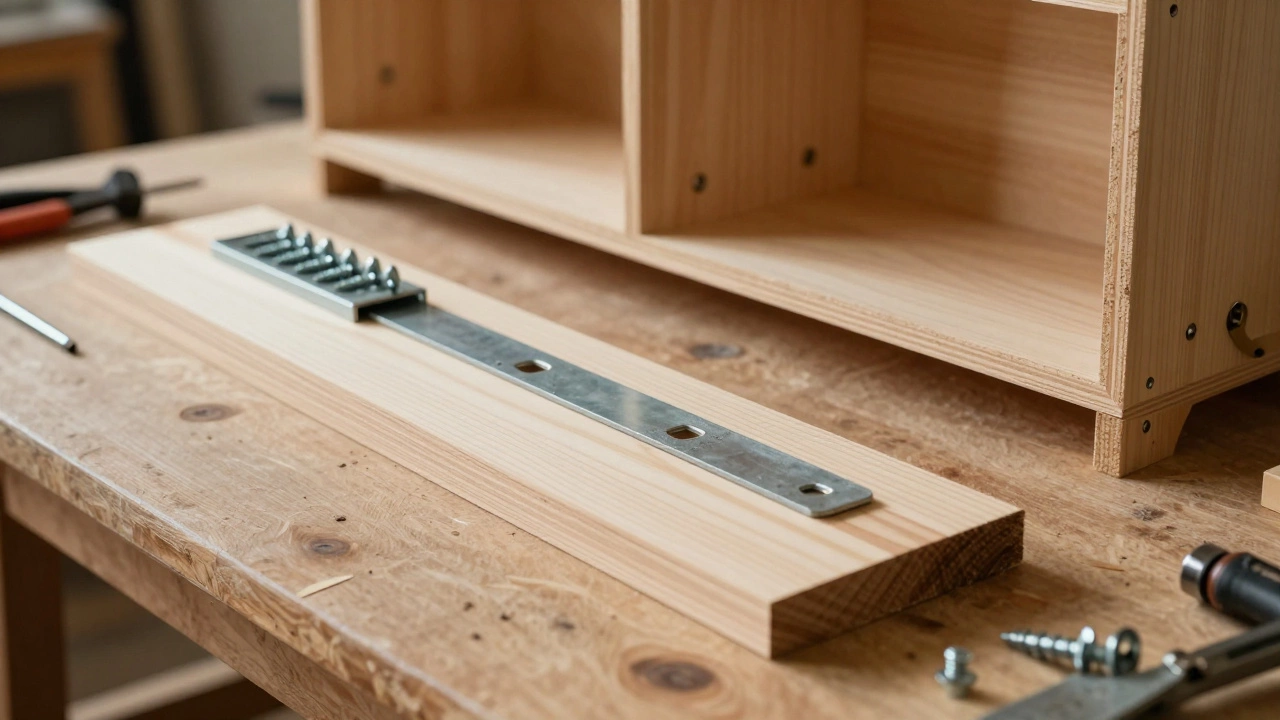
This is where the "cheaper" argument gets tricky. If you have a drill, a level, and steady hands, floating shelves are a Saturday afternoon project. You find the studs, mark the holes, and mount. Done. Total labor cost: $0.
Cabinets are heavier, bulkier, and require precise alignment. If you hire a carpenter in Auckland, expect to pay between $70 and $100 per hour. Installing three base cabinets plus a countertop can take half a day. That’s $350-$500 in labor alone. Floating shelves? A pro might charge $150-$200 to install a whole row because it’s faster and less physically demanding.
However, there’s a structural reality check. Floating shelves rely entirely on wall anchors or stud penetration. If your walls are hollow concrete block (common in older NZ homes), you need specialized heavy-duty anchors like toggle bolts or chemical anchors. These aren’t expensive, but if you miss the stud and pull the shelf out while loading it with books, you’re paying for drywall repair too. Cabinets sit on the floor, distributing weight downward, which is structurally safer for heavy loads like dishwashers or full pantries.
Functionality Trade-Offs: What You Lose When You Save
Money isn’t the only currency here. You’re trading enclosure for openness. Think about what you actually store.
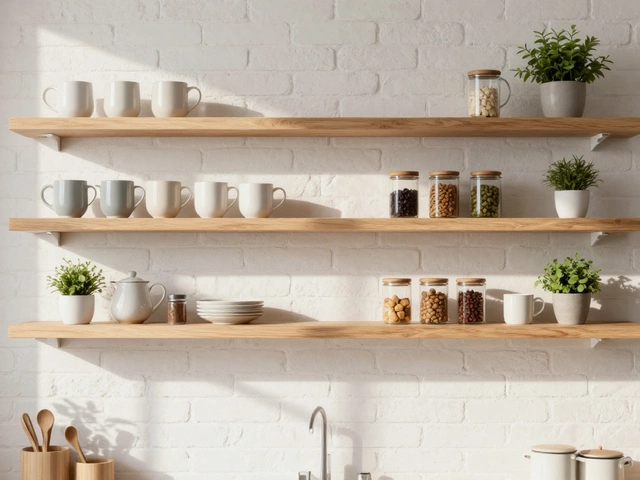
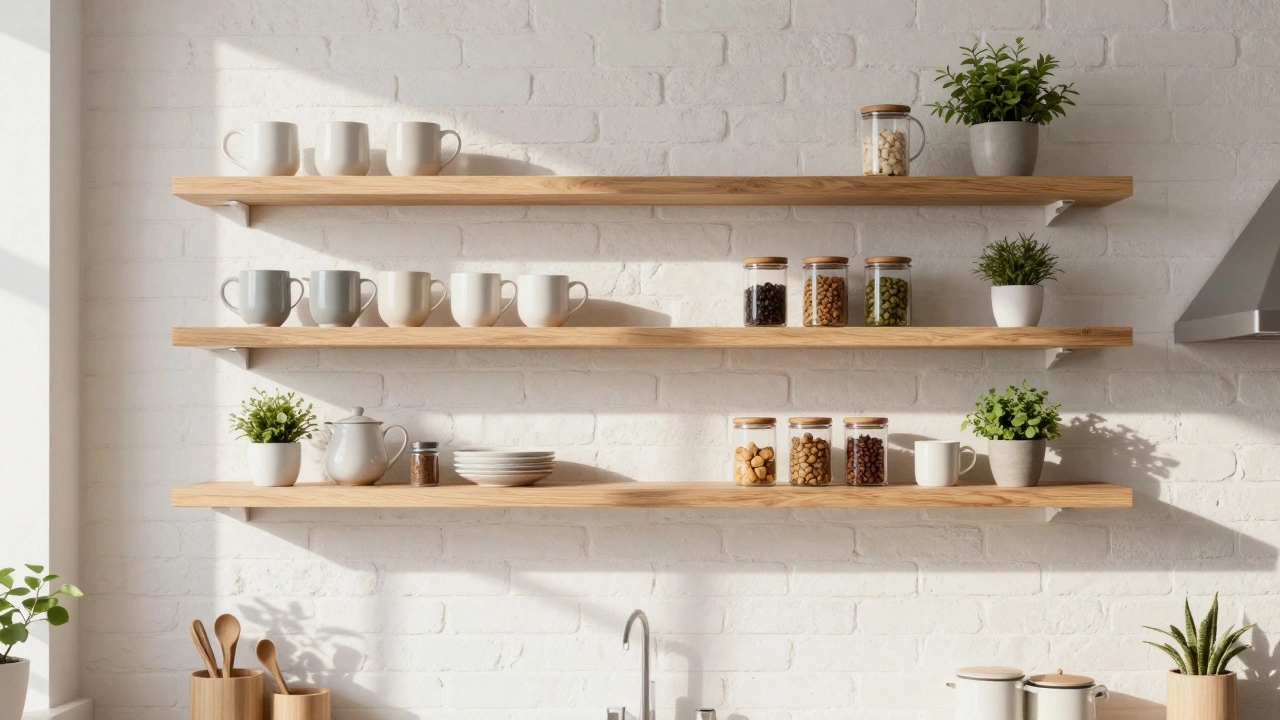
In a kitchen, floating shelves are great for displaying nice mugs, spices, and everyday dishes. They make a small space feel larger because light passes through. But do you really want to see every crumb of flour, the ugly plastic packaging of pasta, or the grease splatters on your pots? Probably not. Cabinets hide the clutter. If you choose floating shelves, you are committing to a lifestyle of constant tidying. Every item becomes decor. That’s a psychological cost many people underestimate.
In a bathroom, floating shelves above the toilet are popular. They’re cheap and easy. But humidity is the enemy. Open shelves collect dust and moisture. Without doors to protect towels and toiletries from steam, you might find yourself replacing items more often. Also, consider safety. In a household with kids, open shelves mean everything is accessible. Cabinets with child locks offer peace of mind that shelves cannot match.
Durability and Long-Term Value
Let’s talk lifespan. A well-made cabinet, especially one with solid wood construction, can last decades. It protects its contents from dust, pests, and accidental knocks. Floating shelves, particularly those made from thinner MDF or laminate, can sag over time if not properly supported. The load capacity is strictly limited by the wall anchor strength, not just the shelf material.
If you plan to sell your home, this matters. Buyers often view extensive open shelving as a negative in high-traffic areas like kitchens unless the items displayed are curated perfectly. Built-in cabinets signal "move-in ready" and "organized." Floating shelves signal "minimalist" or "unfinished." From a resale perspective, cabinets generally add more perceived value because they offer flexible, private storage.
However, if you rent or live in a temporary space, floating shelves are the winner. They are easier to remove without damaging walls (if done right) and don’t commit you to a permanent fixture. You can take them with you when you move. Cabinets are fixed assets that stay behind.
When Floating Shelves Make Financial Sense
So, should you always buy cabinets? No. There are specific scenarios where floating shelves are the smarter financial choice:
- Tight Budgets: If you’re furnishing a first apartment or a student room, the upfront savings are real. You can outfit a bedroom or office for under $200 instead of $1,000.
- Displaying Collections: If you have vinyl records, plants, or art, shelves showcase them. Buying display cases or glass-front cabinets would cost triple.
- Small Spaces: In narrow hallways or above toilets, cabinets can feel bulky and oppressive. Shelves keep the air flowing and the cost low.
- DIY Enthusiasts: If you enjoy woodworking, cutting your own boards from local timber suppliers (like Mitre 10 or Bunnings) and making simple cleat mounts can bring the cost down to almost nothing compared to retail kits.
When Cabinets Are Worth the Extra Cash
Conversely, invest in cabinets when:
- You Have Clutter: If you struggle to keep things tidy, doors are your best friend. Out of sight, out of mind.
- Heavy Items: Storing heavy cookware, appliances, or large books requires the structural integrity of a cabinet box anchored to the floor and wall.
- Kitchen Workflows: Kitchens generate mess. Splashes, spills, and crumbs happen. Enclosed storage keeps your workspace cleaner and reduces cleaning time.
- Resale Goals: If you’re flipping a house or planning to sell in 3-5 years, standard cabinetry appeals to a broader market.
Hybrid Approaches: Getting the Best of Both Worlds
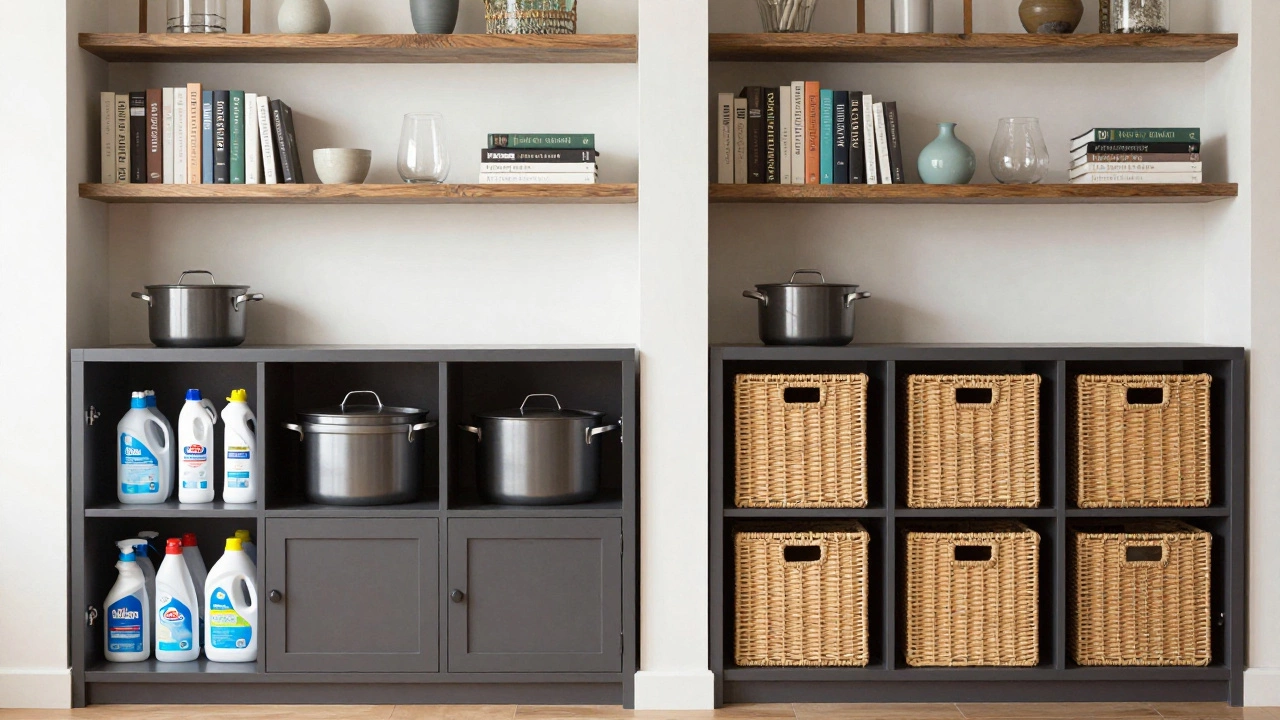
You don’t have to choose all or nothing. Many modern designs mix both. For example, use base cabinets for dirty laundry, cleaning supplies, and heavy pots. Then, install floating shelves above the counter for daily-use items and decor. This balances cost and function. You spend more on the bottom units where durability and concealment matter most, and save on the upper units where visibility is a feature, not a bug.
Another option: open shelving with baskets. Using woven or fabric baskets on floating shelves gives you the illusion of enclosure without the cost of doors and hinges. It’s a middle-ground solution that looks stylish and hides the ugly stuff.
Final Verdict: It Depends on Your Lifestyle
Are floating shelves cheaper than cabinets? Yes, unequivocally. You will save 50% to 70% on materials and likely more on installation. But that saving comes with a trade-off: you lose privacy, protection, and load-bearing capacity. If you are organized, love displaying your belongings, and have a tight budget, go for shelves. If you value convenience, hate cleaning dust, and store messy or heavy items, stick with cabinets. Don’t let the lower price tag blind you to the long-term maintenance required by open storage.
How much does it cost to install floating shelves professionally?
In New Zealand, professional installation typically ranges from $50 to $100 per shelf, depending on height and wall type. Complex installations involving concrete walls or electrical work may cost more. Always ask for a quote that includes drilling and cleanup.
Can floating shelves hold as much weight as cabinets?
Generally, no. Floating shelves rely on wall anchors and studs. While heavy-duty brackets can support 50-100 lbs, cabinets distribute weight across the floor and frame, making them far superior for heavy items like appliances or dense book collections.
Do floating shelves increase home value?
Not necessarily. While they can make a space feel larger, buyers often prefer the practicality of closed storage. Custom-built cabinets usually offer a better return on investment during resale compared to standard floating shelves.
What is the cheapest way to build floating shelves?
Buy raw lumber from a hardware store, cut it to size, and use a simple French cleat system or hidden metal brackets. Avoid pre-finished kits if you want to minimize cost. Painting or staining the wood yourself also saves labor fees.
Are floating shelves safe for bathrooms?
Yes, but choose water-resistant materials like sealed wood, PVC, or metal. Ensure proper ventilation to prevent mold growth on stored items. Avoid placing electronics or paper goods directly above showers or baths.