Sofa Cushion Matchmaker
Answer a few questions about how you use your sofa to get personalized cushion recommendations.
Your Ideal Cushion Profile
100% MatchRecommended Filling
Recommended Fabric
Firmness & Care
You know that feeling when you sit on a new sofa and it feels like sitting on a rock? Or worse, the cushions go flat after three months of watching Netflix? It’s frustrating. You spent good money on the furniture, but the comfort level is nonexistent. The culprit usually isn’t the frame-it’s the cushion inside the cover.
Choosing the right cushion isn’t just about picking a color that matches your curtains. It’s an engineering decision involving density, material science, and ergonomics. If you get this wrong, you’ll end up with lumbar support issues or a living room that looks sad and deflated. Let’s break down exactly how to pick a cushion that lasts, supports you, and looks great.
Start With the Core: Why Filling Matters Most
Most people look at the fabric first. That’s a mistake. The fabric is just the wrapper; the filling is the engine of comfort. You need to decide what kind of experience you want before you even think about texture.
Here are the main players in the filling game:
- High-Density Foam: This is the gold standard for structure. Look for foam with a density of at least 35kg/m³ (or 1.8 lbs/ft³). Lower densities collapse quickly. High-density foam holds its shape for years and provides firm back support. It doesn’t feel "cloud-like" immediately, but it saves your spine.
- Fiber Fill (Polyester): Cheap and soft initially. But here’s the catch: it clumps. Within six months, fiber-filled cushions often develop lumpy spots and lose volume. They’re fine for decorative throw pillows you rarely sit on, but terrible for daily seating.
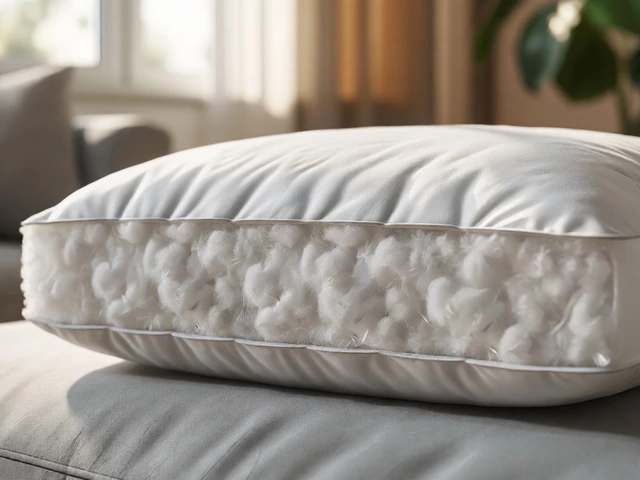
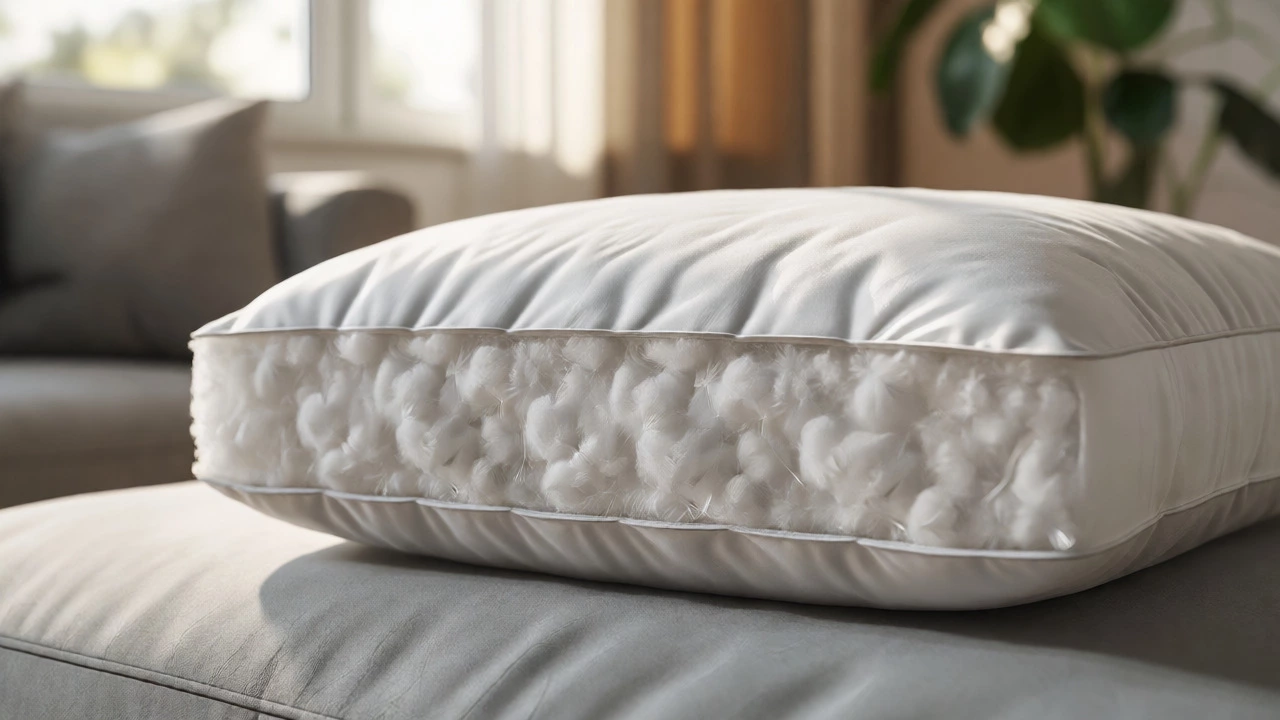
- Down and Feather: Luxury defined. Down clusters trap air, creating that sink-in sensation. However, pure down offers zero structural support. If you lean back against a pure down cushion, you’ll slide right off the sofa. Most high-end manufacturers use a hybrid: a foam core wrapped in a layer of down. This gives you the best of both worlds-support from the foam, softness from the down.
- Bubble Foam: Often used as a filler to bulk out cheap cushions. It creates a bouncy, uneven surface. Avoid this if you care about aesthetics; it makes cushions look puffy and unstructured.
If you’re replacing a worn-out seat cushion, stick to high-density foam or a foam-down hybrid. Your back will thank you.
| Filling Type | Comfort Level | Durability | Maintenance | Best For |
|---|---|---|---|---|
| High-Density Foam | Firm, Structured | High (5-7+ years) | Low (Spot clean) | Seat backs, main seats |
| Foam + Down Hybrid | Soft yet Supportive | Medium-High | Medium (Fluffing required) | Luxury sofas, loungers |
| Polyester Fiber | Soft, Fluffy | Low (Clumps quickly) | High (Needs reshaping) | Decorative throws |
| Pure Down | Very Soft, Sink-in | Medium (Shifts over time) | High (Daily fluffing) | Accent pillows, beds |
Get the Size Right: The Math Behind Comfort
A common complaint is that new cushions don’t fit properly. They either bulge out awkwardly or leave gaps where dust collects. The secret lies in the relationship between the cushion dimensions and the sofa cavity.
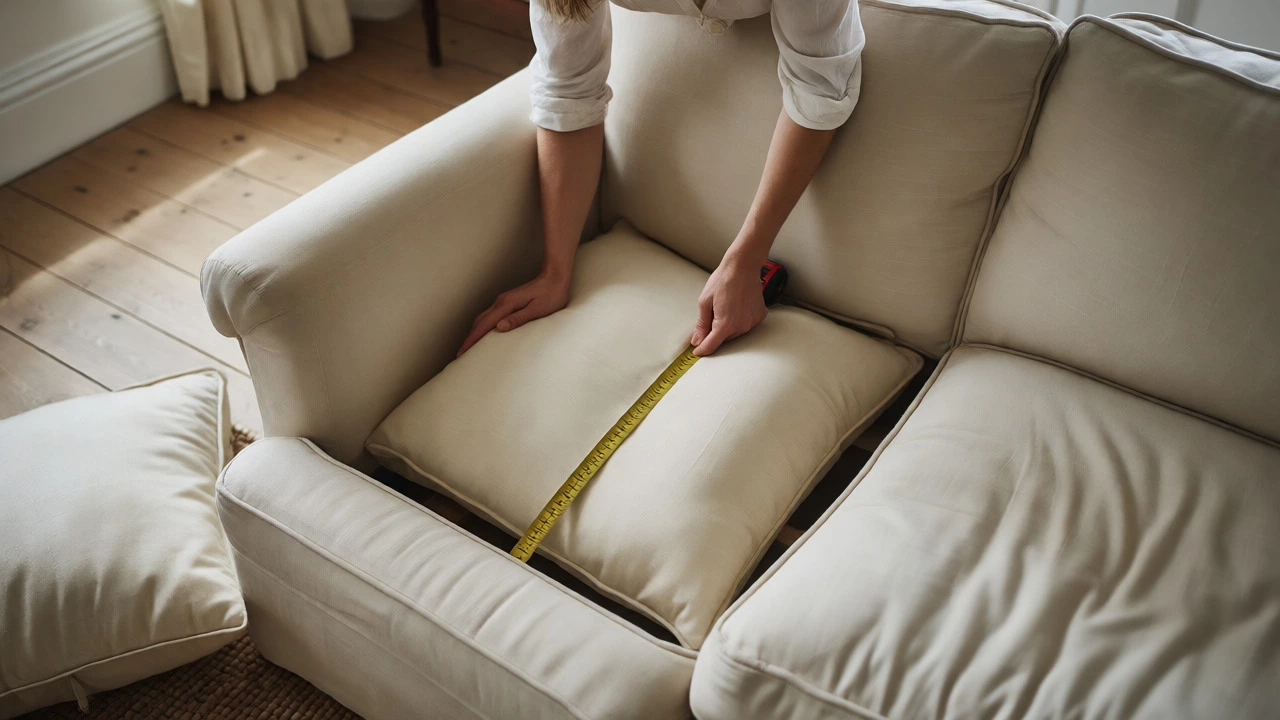
Measure the internal space of your sofa seat and backrest carefully. Don’t guess. Use a tape measure.
For seat cushions, aim for a width that is 0.5 to 1 inch smaller than the cavity width. This allows for easy insertion and removal without forcing the fabric. For depth, match the cavity depth closely, perhaps adding an extra half-inch if you want a plump look. Too small, and the cushion slides around. Too big, and the seams strain and tear.
Back cushions are different. You generally want them to be slightly larger than the visible opening so they tuck in neatly. A good rule of thumb: order back cushions that are 1-2 inches wider and taller than the opening. This ensures no unsightly gaps appear between the cushions and the armrests.
Decide on Firmness: It’s Personal, Not Universal
There is no single "best" firmness. It depends entirely on how you use the sofa. Ask yourself these questions:
- Do you nap on the sofa? If yes, you need softer support. A medium-firm foam or a down-wrapped foam core prevents you from feeling the wooden slats underneath.
- Do you have back pain? Go firmer. High-resilience foam maintains spinal alignment better than soft materials that let you sag.
- Is it a formal sitting area? Firm cushions encourage upright posture, which suits conversation-heavy spaces.
Remember, firmness is measured by Indentation Load Deflection (ILD) or simply density. Higher numbers mean firmer foam. For most living rooms, a medium firmness (around 30-40 ILD for polyfoam) strikes the right balance between comfort and support.
Choose Fabric That Survives Real Life
The prettiest velvet might look amazing online, but can it handle cat claws and red wine spills? When selecting upholstery fabric, durability is non-negotiable.
Look for fabrics rated for heavy domestic use. Check the Martindale rub test count. Anything under 15,000 cycles is too delicate for a family sofa. Aim for 20,000 to 50,000 cycles.
Consider these options:
- Cotton Blends: Breathable and natural, but prone to staining unless treated. Great for casual homes.
- Linen: Beautiful texture, but wrinkles easily and stains fast. Best for low-traffic areas or adult-only households.
- Synthetic Microfibers: Surprisingly tough. Modern microfibers mimic suede or linen textures while resisting stains and fading. They’re also usually machine washable, which is a huge plus.
- Leather: Durable and ages well, but requires conditioning to prevent cracking. It’s also temperature-sensitive-cold in winter, sticky in summer.
If you have pets or kids, prioritize stain-resistant synthetic blends or performance fabrics. You can always add a nice throw blanket for texture, but the base cushion needs to take a beating.
Don’t Ignore the Cover Details
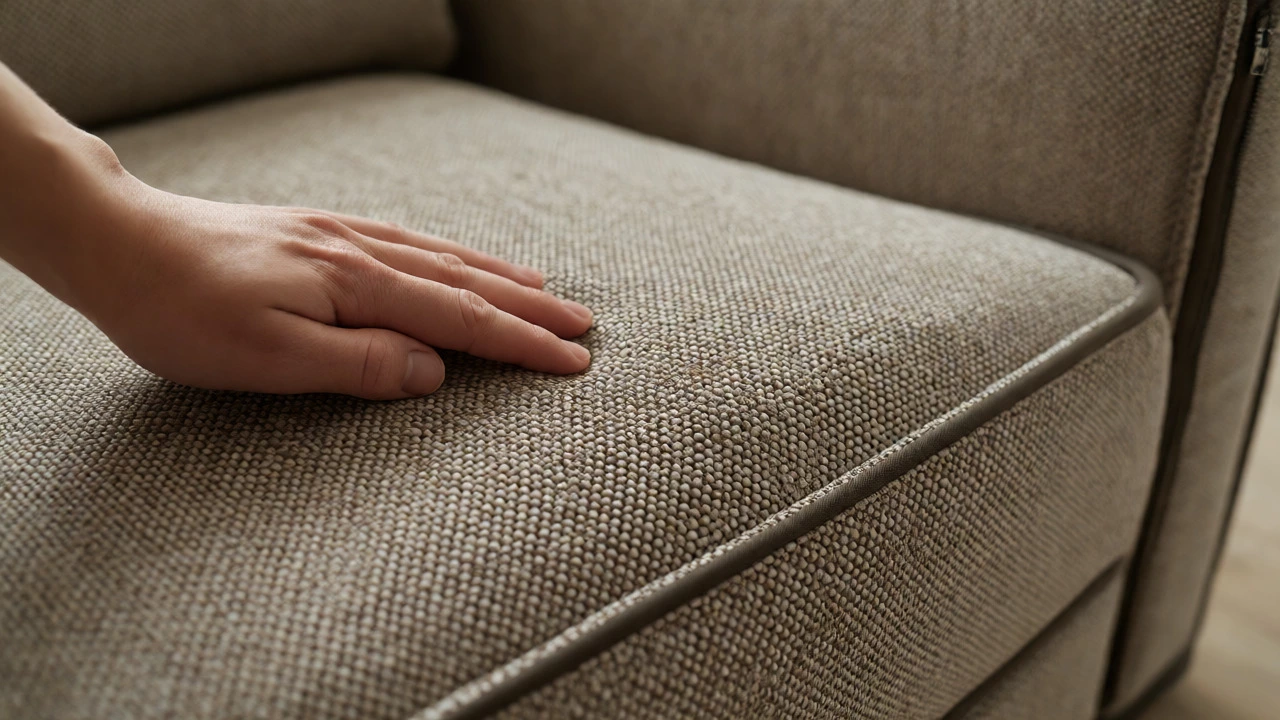
The construction of the cover affects longevity more than you’d think. Zipper quality matters. Cheap zippers snag and break. Look for YKK zippers or similar reputable brands. Also, check if the cover is removable. Non-removable covers mean you can’t wash them. If you spill coffee, you’re stuck with a permanent stain or a dry-cleaning bill every time.
Seams should be double-stitched. Single stitching unravels quickly under tension. And consider piping. Piping not only adds a tailored look but also reinforces the edges of the cushion, preventing the fabric from fraying at the corners.
Pro Tips for Buying Online vs. In-Store
Buying cushions online is risky because you can’t test the firmness. Here’s how to mitigate that risk:
- Order Samples: Many retailers send small swatches of fabric and foam. Touch them. Squeeze the foam sample. Does it spring back instantly? If it leaves a dent, it’s too soft.
- Check Return Policies: Ensure you can return bulky items. Shipping large cushions back is expensive. Some stores offer free returns for custom orders; others charge hefty fees.
- Read Reviews Specifically About Sagging: Search reviews for words like "flat," "lumpy," or "collapsed." This tells you more about long-term quality than star ratings do.
If buying in-store, sit on the display model for at least five minutes. Stand up. Sit down again. Notice if the cushion recovers its shape quickly. Slow recovery indicates low-quality foam.
Final Checklist Before You Click Buy
Before finalizing your purchase, run through this quick audit:
- Is the filling appropriate for my usage (firm for support, soft for lounging)?
- Are the dimensions accurate based on my measurements?
- Does the fabric rating meet my household’s wear-and-tear needs?
- Is the cover removable and washable?
- Is there a warranty against premature sagging?
Choosing a good cushion is an investment in your daily comfort. It’s not just about decor; it’s about how you live in your space. Get the details right now, and you won’t have to replace them next year.
How often should I replace my sofa cushions?
It depends on the quality and usage. High-density foam can last 5-7 years with regular flipping. Fiber fill may need replacement every 1-2 years if used daily. Signs it’s time to replace include visible sagging, lumpiness, or loss of shape after fluffing.
Can I wash all cushion covers?
No. Always check the care label. Synthetic microfibers are often machine washable, but wool, silk, and some cotton blends require professional dry cleaning to avoid shrinking or damage. Removing the cover before washing is crucial to protect the inner foam from water absorption.
What is the best filling for pet owners?
Tight-weave synthetics like polyester microfiber or outdoor fabrics are best. They resist claw snags and are easier to clean. For filling, choose high-density foam rather than loose fibers, as pets can sometimes chew through covers and pull out loose stuffing.
Why do my new cushions smell?
New foam cushions often have a chemical odor due to off-gassing from volatile organic compounds (VOCs) used in manufacturing. This is normal. Air them out in a well-ventilated area for 24-48 hours. The smell should dissipate completely within a week.
Should cushions be tighter or looser in the case?
A slight looseness is preferred for a relaxed, lived-in look and to reduce stress on the seams. However, excessive looseness causes the cushion to shift and bunch up. Aim for a snug fit where the fabric lies flat without stretching tightly across the corners.