Sofa Cushion Capacity Checker
Your Setup
Analysis
Select your options above and click analyze.
Recommendation:
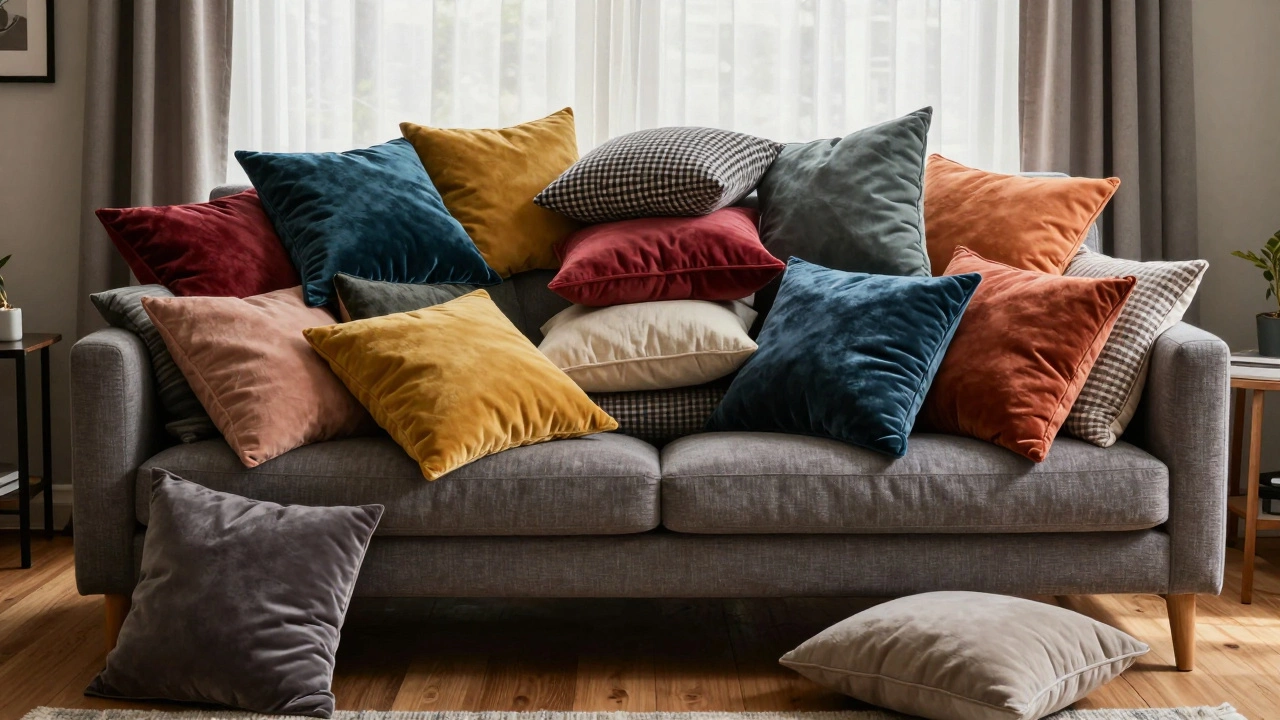
Picture this: You walk into a living room, and the sofa is completely hidden under a mountain of colorful textiles. It looks festive for five seconds. Then you try to sit down. Nowhere to put your legs. Your back finds no support against the seat back because it’s propped up by three fluffy throw pillows. Is it coziest setup ever, or total chaos? The short answer is yes, you can absolutely have too many.
This isn’t about ruining your style with harsh math, but rather respecting the ergonomics of furniture. We often treat sofas like display shelves rather than functional seating. When the number of decorative elements overtakes the utility of the object, the room stops working for the people who live there. In this guide, we’ll break down exactly where the line falls between "inviting" and "impassable," so your living space feels balanced without needing a renovation crew.
The Mathematics of Seating Space
Every piece of furniture starts with a job. For a couch, that job is sitting. If you cover 60% of the seating surface with decorative cushions, you’ve essentially reduced your seating capacity significantly. Imagine a standard three-seater sofa that comfortably fits three adults. That usually means about 24 inches of width per person. Now, add two large lumbar pillows and three accent squares on each end. Suddenly, you’ve pushed those two outer seats out of commission.
We need to distinguish between structural cushion cores and decorative additions. Base cushions are built for posture and support; they define the shape of the furniture. Throw pillows are purely aesthetic or secondary support. Most experts suggest keeping the seat surface at least 50% accessible for general use. If you have guests over and everyone ends up standing because there’s no clear space to perch, you’ve crossed into the territory of having too many cushions. It turns your sofa into a prop rather than a piece of home furnishing.
- Count the intended number of sitters first.
- Reserve one-third of the sofa width for open seating space.
- Never block the entire armrest access points.
A common mistake is buying a set of matching pillows online that looks great on a model photo but overwhelms a smaller real-world apartment. Online retailers show idealized setups, not the reality of a household with dogs or active kids. The scale of the room matters here. A compact studio apartment might handle four small accents gracefully, whereas a grand sectional could easily hold ten or twelve. Always measure your existing furniture before adding more fabric.
Visual Weight and Color Theory
Beyond physical space, there’s visual weight. This concept relates heavily to interior design principles regarding balance. When you stack too many textures, patterns, and colors, the eye gets exhausted. Think of it like loud music playing in a library. The sofa becomes a source of stress rather than relaxation. This is especially true in smaller rooms where the eye has fewer places to rest.
If you love the look of many pillows, you need to manage their visual impact. Solid neutral tones blend together visually even if there are physically many of them. Patterns fight for attention. Having a navy velvet cushion next to a leopard print next to a gingham check creates competition. Your brain tries to process all three signals at once. High contrast increases visual noise.
| Style Type | Pillow Count Recommendation | Visual Impact |
|---|---|---|
| Minimalist | 0-2 per seat | Calm, clean lines, spacious feel |
| Moderate | 3-4 per seat | Cozy, layered, inviting texture |
| Maximalist | 5+ per seat | Dramatic, bold, potential clutter |
To avoid the cluttered look while maintaining volume, vary the size. Mixing a few large back cushions (like lumbar pillows) with tiny front accents draws the eye vertically instead of horizontally. This breaks up the horizontal stacking that makes a sofa look stuffed. It tricks the brain into seeing curated styling rather than disorganized piling.
The Fabric Factor: Wear and Tear
It seems innocent enough to toss another pillow on the pile, but the friction causes damage. The fabrics rub against each other every time someone shifts position. Over six months, this abrasion wears down delicate materials faster than normal. Suede and velvets are particularly prone to "burnish" marks-those shiny spots that appear when fibers get compressed repeatedly. If you have too many cushions piled up, they are grinding against your expensive upholstery.
Linen also suffers. It creases easily. When you have twenty pillows stacked up, the bottom ones never fully recover their fluffiness once removed. They stay compressed. If you rotate your bedding regularly, you likely understand that fabric recovery takes time. On a sofa used daily, high-density stacking accelerates flattening.
There is also the issue of maintenance. Who is washing these? A collection of fifteen throws requires frequent laundering if one spills on the coffee table. If they aren’t washed, you have a collection of pet hair and dust magnets. Dust settles in the folds between layers. Vacuuming a sofa full of cushions takes double the effort because you have to move them, vacuum underneath, and then rearrange the whole setup again. Time spent maintaining the decor should not exceed the enjoyment gained from looking at it.
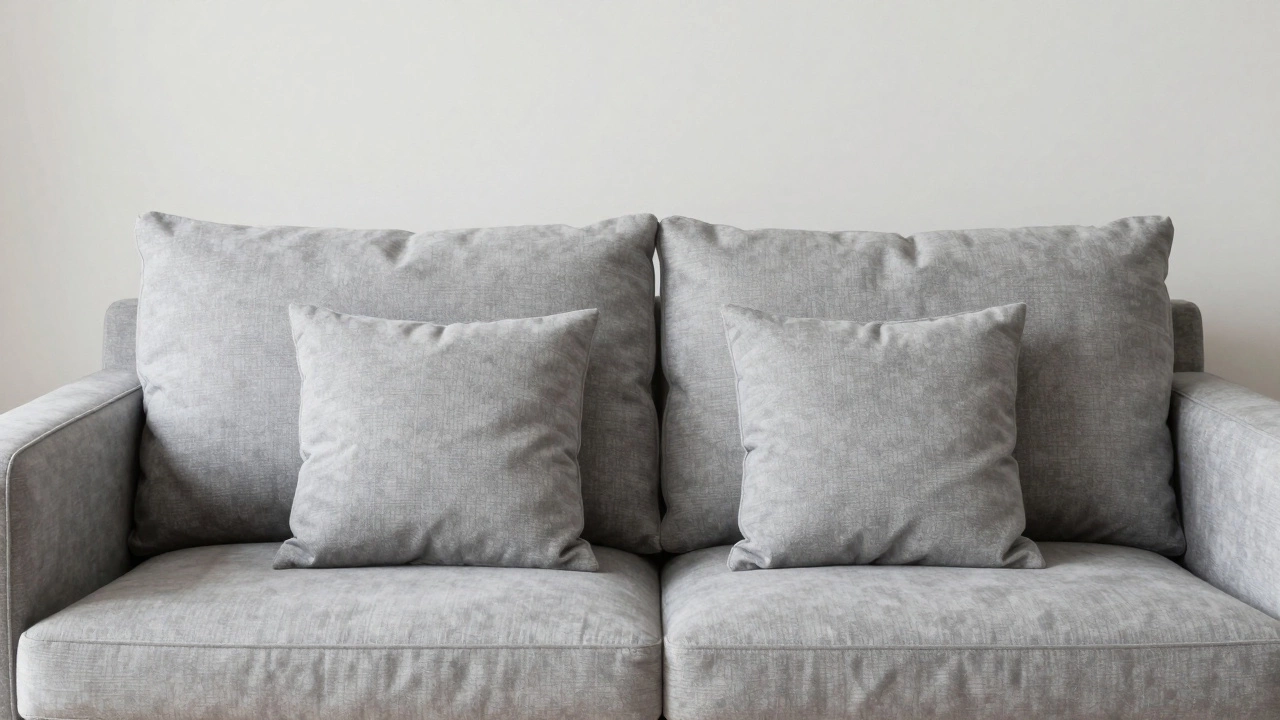
Context Matters: Pets and Children
Does anyone live in a museum where nothing touches the furniture? Probably not. If you own pets, the situation changes drastically. Dogs and cats view sofas as beds. They will scratch the fabric, shed fur, and sleep on top of whatever is there. If you have excessive cushions, you create a hiding spot for claws and food crumbs.
Kids are similar. They jump on couches. They spill juice. Having piles of throw pillows acts as safety hazards during active play. They can trip over them when climbing on or off the seat. Furthermore, younger children often pull the pillows off to build castles on the floor. If the number of pillows equals the number of people in the house, you are effectively losing seating every time the game starts.
For households with high activity, the rule changes from "maximalism" to "practicality." One sturdy lumbar pillow per side provides back support without creating tripping hazards. It keeps the aesthetic intact while ensuring functionality wins.
Style-Specific Recommendations
Your design philosophy dictates the acceptable limit. Let’s look at how different styles handle volume. If you lean towards Scandinavian minimalism, having even two pillows might feel excessive. This style prioritizes negative space-the empty air around objects. The focus is on the clean lines of the frame. Here, less is truly more.
Conversely, a Bohemian style invites layering. It celebrates mismatch and abundance. However, even in boho decor, there is a boundary. The boundary lies in the cohesion of the theme. A maximalist room succeeds because the chaos feels intentional. The chaos comes from varying textures (knit, leather, silk) rather than quantity alone. It’s easy to slide from "bohemian" to "messy laundry basket" if you lose sight of the theme.
Transitional style sits in the middle. It mixes classic shapes with modern finishes. Usually, this style prefers symmetry. Two identical pillows on the left, two on the right. Breaking symmetry with odd numbers adds interest but requires more skill. If you aren't sure what your style is, ask yourself: Does this arrangement make me want to tidy up, or relax?
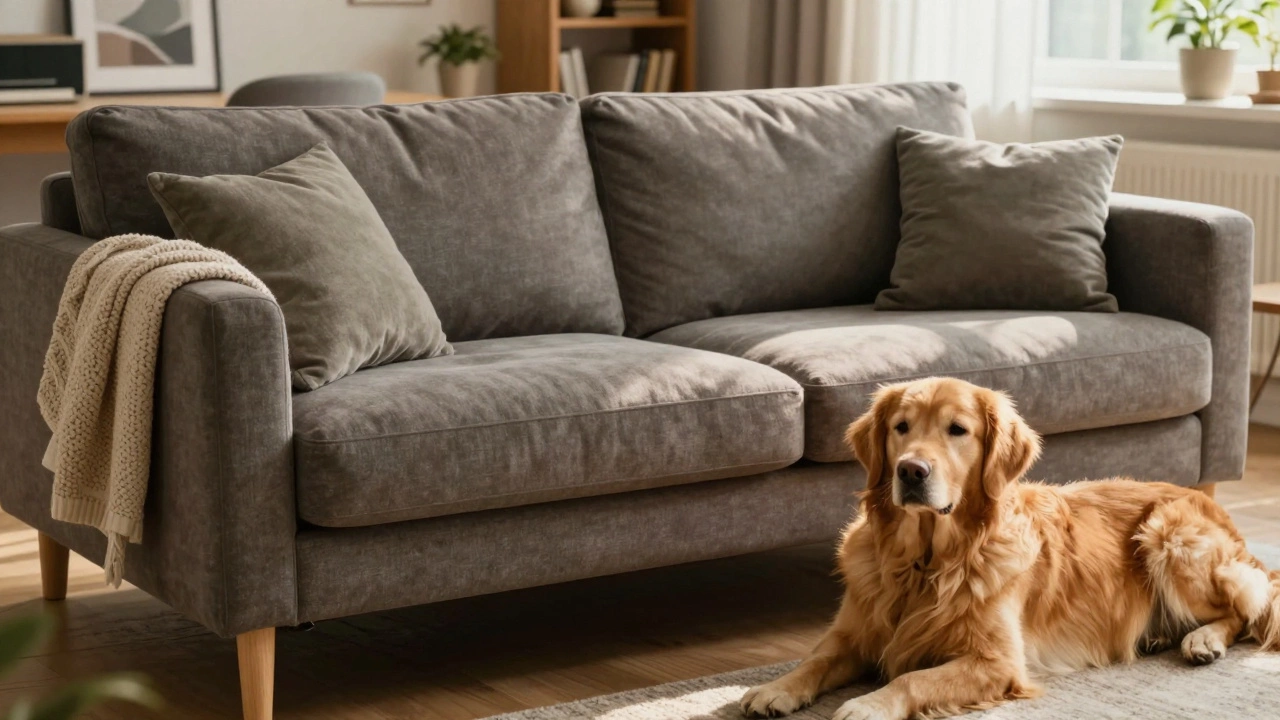
Rearranging for Balance
Suppose you already bought the pillows. What now? You don't have to throw them away. Rotate them. Buy storage bins labeled "Winter Fluffy" and "Summer Lightweight." Swap them seasonally. This keeps the inventory fresh without overcrowding year-round.
- Check the Base: Ensure the base sofa cushions are firm. If they sink, you don't need extra fluff on top.
- Group by Size: Place larger pillows in the corners of the sofa backs. Taper toward the center with smaller square options.
- Remove During Use: If you plan to host a dinner party or binge-watch movies, stash 50% of them in a closet beforehand.
Another trick is to swap some solid pillows for textured accessories that aren't technically cushions but provide softness. Knitted throws draped over the arm do much of the same visual work as a dozen pillows but leave the seating surface clear. Drapes offer warmth without occupying square footage on the seat.
Frequently Asked Questions
How many pillows should be on a queen-sized sofa?
For a standard queen or three-seater sofa, the sweet spot is between 2 and 4 throw pillows total. This typically means one per corner for structure and maybe two smaller ones in the center for accent.
Do throw pillows ruin my sofa's warranty?
Generally, no. Using throw pillows does not void warranties. However, using heavy zippers or abrasive materials directly on delicate frames can cause wear that might not be covered if the manufacturer defines it as improper care.
Should pillows match my curtains exactly?
Matching exactly is rarely necessary. Complementary colors or textures work better. Pull a shade from your rug or artwork to connect the pillows to the wider living room scheme without being rigid.
Can I wash synthetic cushion covers?
Most synthetic blends like polyester are machine washable on gentle cycles. Always check the care label sewn into the seam. Delicates like velvet may require dry cleaning or hand washing to prevent shrinkage or clumping.
What size pillows look best on a small sectional?
For smaller sectionals, stick to 18x18 inch squares. Larger 22x22 inch options tend to overwhelm narrow L-shaped configurations. Oversized pillows take up the legroom needed for reclining.
Ultimately, the decision comes down to function versus decoration. While a mountain of pillows might look perfect in a magazine editorial, it rarely functions well in a real life lived day after day. Your sofa exists to hold you. Respect its geometry, protect its fabric, and keep your cushions serving a purpose beyond just taking up space.