Sofa Cushion Calculator
Your Perfect Setup
Recommendation:
Loading...
Visual Layout Strategy:
There is a specific moment in every home renovation where you buy the sofa, place it in the room, and immediately realize something is missing. It looks flat. It looks cold. It looks like a showroom display that nobody actually wants to sit on. The fix is usually simple: add some cushions are soft fabric pads used for comfort and decoration on furniture. But then comes the panic. How many do you need? Do you stack them? Do you scatter them? If you put too few, it looks sparse. If you put too many, it looks like a bird’s nest. Getting this right isn't about following a rigid rulebook; it is about understanding balance, proportion, and how humans actually use their living spaces.
I’ve spent years looking at living rooms, from cramped Auckland apartments to sprawling suburban lounges, and the number one mistake people make is treating cushions as an afterthought. They grab whatever is on sale and pile them up until the sofa disappears. Or they buy one fancy pillow and leave it there, looking lonely. The truth is, the number of cushions depends entirely on the size of your sofa and the vibe you are going for. Let’s break down exactly how to calculate the perfect amount so your couch looks inviting rather than cluttered.
The Golden Rule: Sofa Size Dictates Quantity
Before you run to the store, look at your sofa. Is it a tiny two-seater or a massive sectional that could seat the entire extended family? The physical dimensions of the seating area are the primary constraint. A good starting point is the "rule of three," but with a twist based on width.
- Two-Seater Sofas: Aim for 3 to 4 cushions. Two standard square ones flanking the sides and one lumbar (rectangular) cushion in the center creates a balanced look. If you prefer a minimalist style, stick to two larger cushions.
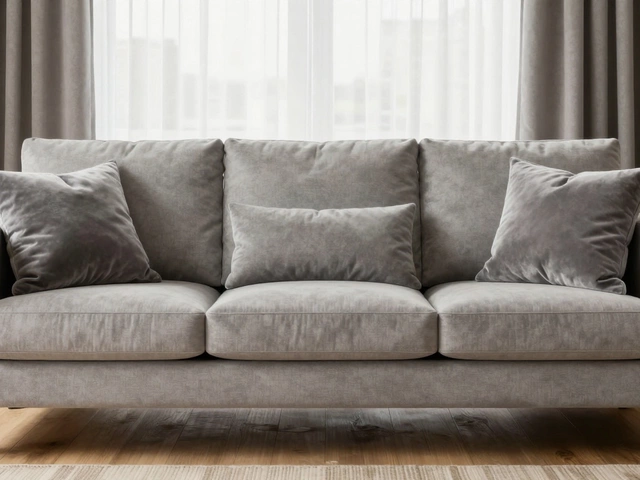
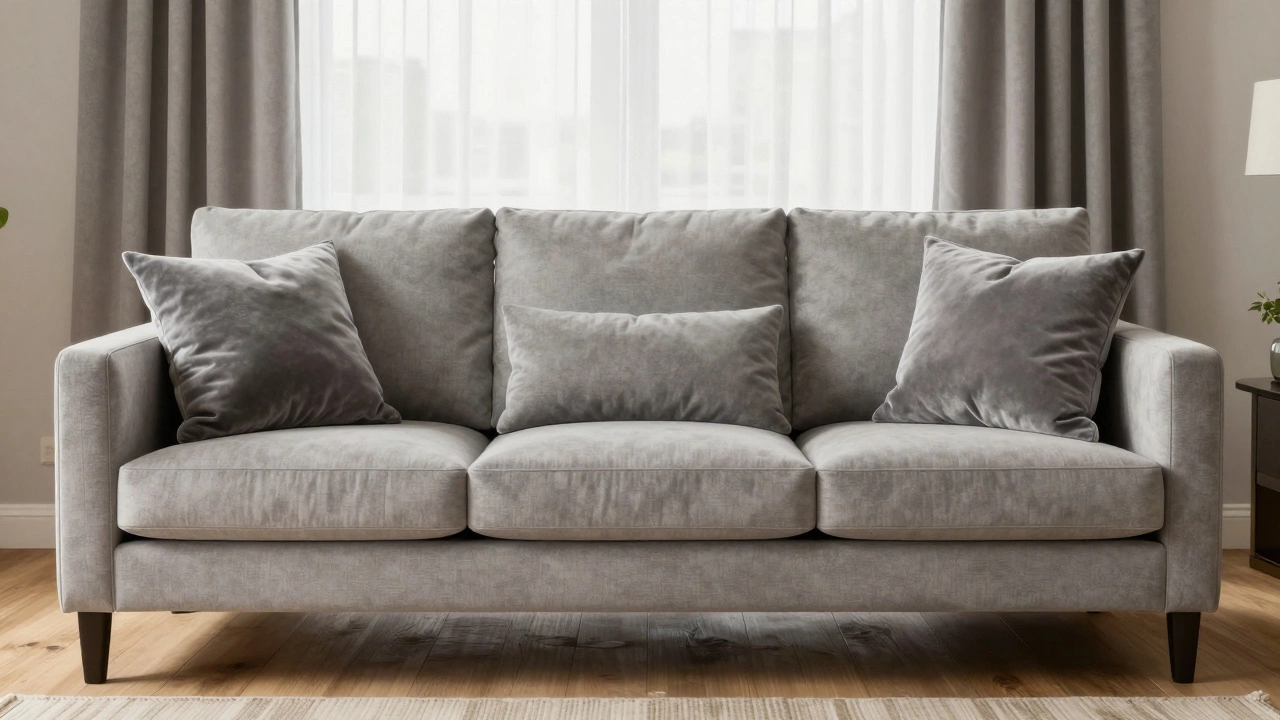
- Three-Seater Sofas: This is the sweet spot for 5 to 6 cushions. You can do two on each end and one or two in the middle. Alternatively, three large cushions spaced evenly works well for a modern aesthetic.
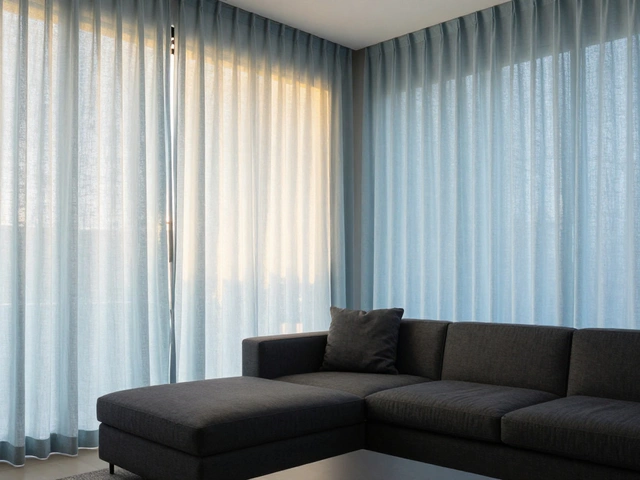
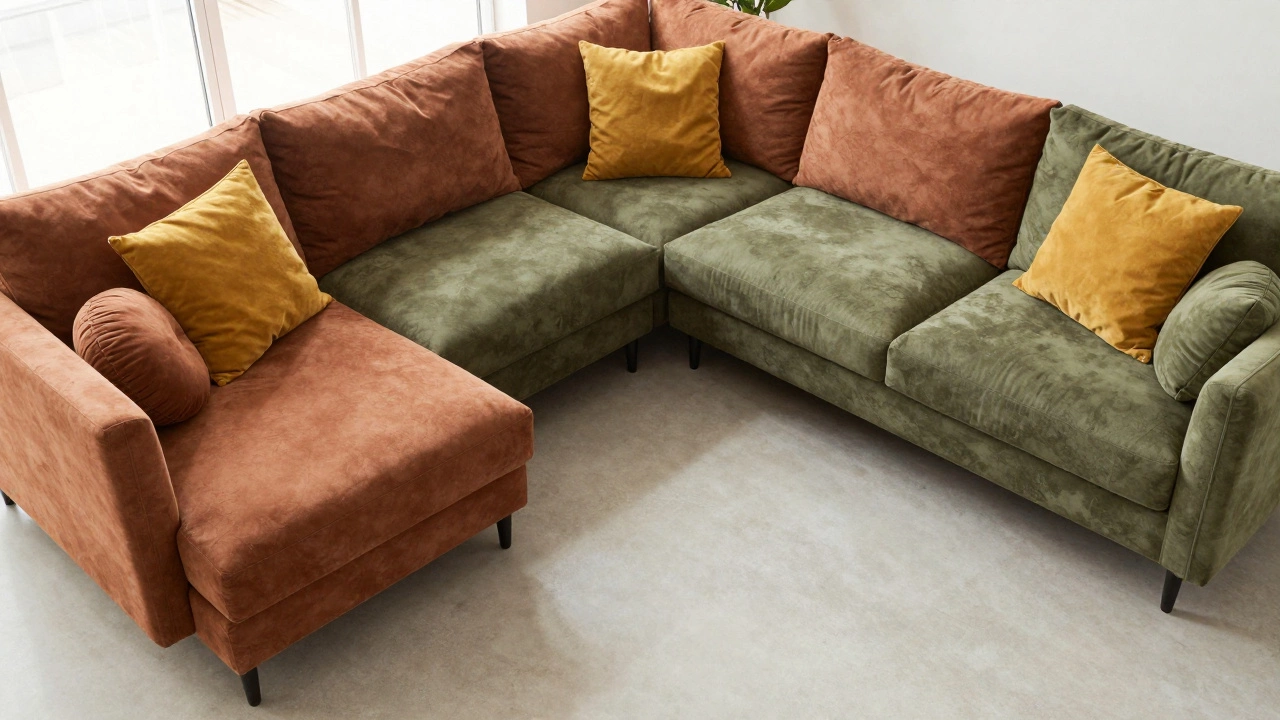
- L-S shaped Sectionals: These require more volume because of the chaise lounge section. Plan for 7 to 9 cushions. You want to fill the corner without blocking the seat. Place larger cushions along the backrest and smaller decorative ones in the corners.
- Oversized Sectionals: If your sofa is wider than 10 feet, you might need 10 or more cushions. However, be careful not to overcrowd. Leave breathing room between groups of pillows.
Remember, these are guidelines, not laws. If you have a deep-seat sofa, you might need fewer cushions because the depth provides enough visual weight. If your sofa has thin arms and a shallow seat, you will need more cushions to create a sense of coziness and fullness.
Mixing Shapes and Sizes for Visual Interest
Having the right number is only half the battle. If you buy six identical white squares and line them up like soldiers, your sofa will look sterile. The magic happens when you mix shapes. This adds texture and prevents the eye from getting bored.
Start with lumbar cushions are rectangular pillows designed to support the lower back. These are often overlooked but are essential for comfort. They fit perfectly against the back of the sofa and provide actual support when you sit down. Use them as anchors. Then, layer in square cushions. Standard sizes are 18x18 inches or 20x20 inches. For a more relaxed, bohemian look, try round cushions or even diamond-shaped ones. The key is to vary the heights. Some cushions should lean against the armrests, while others can be propped up against the backrest. This variation in height creates a dynamic silhouette that feels curated rather than accidental.
If you have a lot of floor space around the sofa, consider adding floor cushions. These are larger, softer pads that can double as extra seating or footrests. They help ground the space and make the area feel more intimate. Just ensure they don’t obstruct walkways. In a small apartment, floor cushions can make the room feel tighter, so use them sparingly.
Color and Texture: Creating Cohesion
Now that you have the quantity and shape figured out, let’s talk about appearance. Your cushions should tie the room together. Look at your rug, your curtains, and any artwork on the walls. Pick two or three colors from those elements and reflect them in your cushions. This creates a cohesive look where everything feels connected.
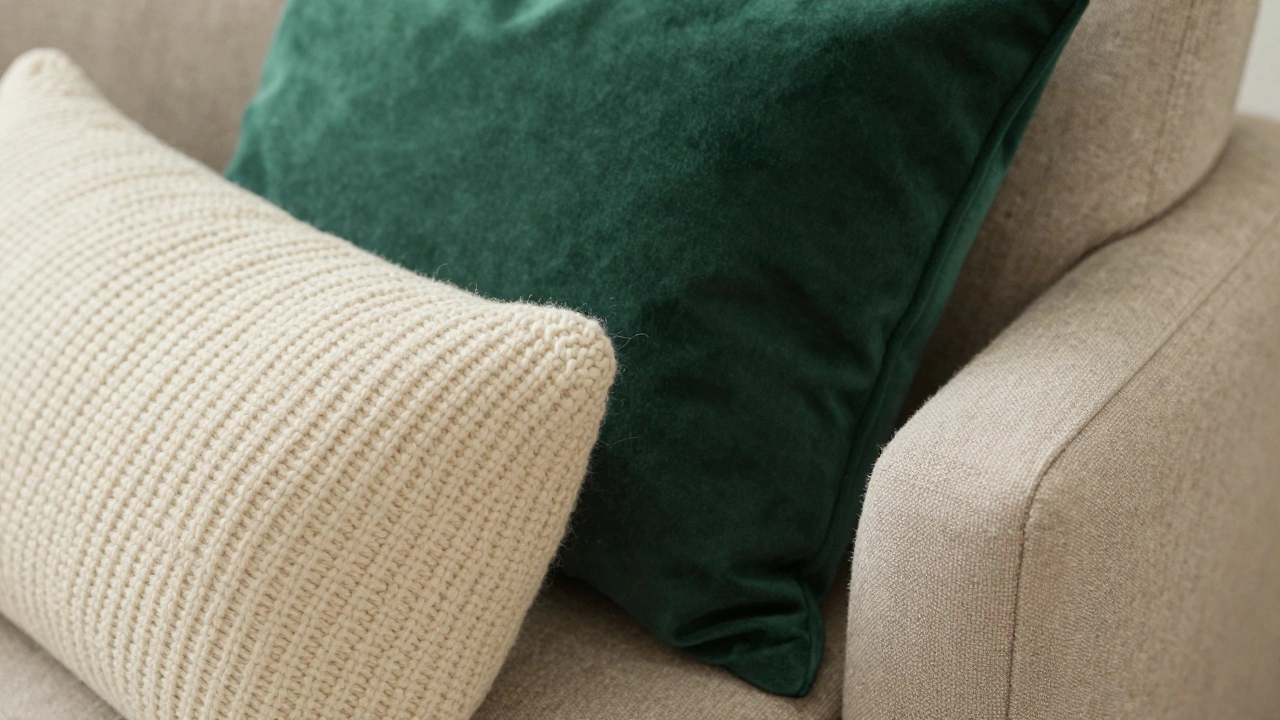
Texture is just as important as color. If your sofa is made of smooth leather, go for plush velvet or rough linen cushions to add contrast. If your sofa is already textured, like tweed or boucle, choose smoother fabrics like silk or cotton blends. Mixing textures adds depth and makes the space feel richer. For example, a chunky knit cushion paired with a sleek satin one creates an interesting juxtaposition that draws the eye. Avoid using all shiny materials or all matte finishes. Variety keeps the eye engaged.
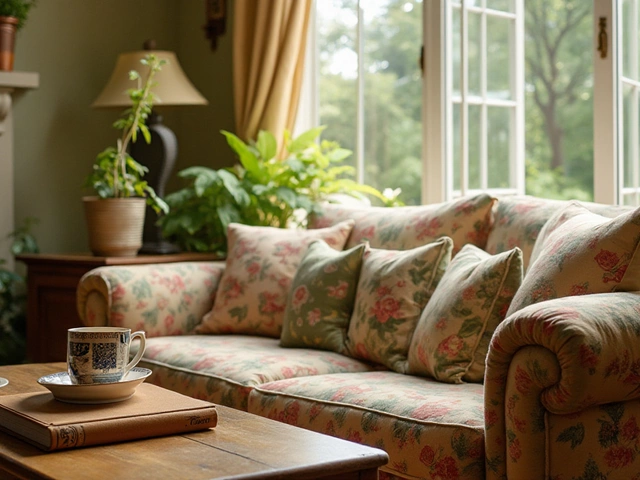
Don’t be afraid of patterns. Stripes, florals, geometrics-they all work if you keep the scale in mind. Large patterns can overwhelm a small sofa, so stick to smaller prints or solids. On a large sectional, bold patterns can act as focal points. Just ensure that if you use multiple patterns, they share at least one common color to maintain harmony.
Comfort vs. Decoration: Finding the Balance
Here is the hard truth: most decorative cushions are useless for sitting. They are too stiff, too small, or too oddly shaped. If you want your sofa to be functional, you need to include at least one or two cushions that are actually comfortable. These are your "sit-on" cushions. They should be filled with soft foam or down alternative and have a firm enough cover to hold its shape.
Place these functional cushions in the areas where people naturally sit. Usually, this means the outer edges of the sofa. The center cushions can be purely decorative. This way, guests know where to put their feet or lean back, and you don’t end up fighting with slippery silk pillows every time you try to relax. It’s a practical solution that enhances both form and function.
Also, consider the maintenance. Light-colored cushions look airy and fresh, but they show stains easily. If you have kids or pets, opt for darker shades or durable fabrics like microfiber or outdoor-rated textiles. These materials are easier to clean and can withstand daily wear and tear. Don’t sacrifice longevity for aesthetics unless you are prepared to wash your cushions every week.
Common Mistakes to Avoid
Even experienced decorators slip up sometimes. Here are a few pitfalls to watch out for:
- Overstuffing: Adding too many cushions makes the sofa look messy and uncomfortable. It also reduces the available seating space. Less is often more.
- Ignoring Proportion: Small cushions on a huge sofa look lost. Large cushions on a tiny sofa look overwhelming. Always match the cushion size to the sofa size.
- Uniformity: Using all the same cushion creates a boring, hotel-like atmosphere. Mix it up with different shapes, sizes, and textures.
- Forgetting the Backrest: Cushions shouldn’t just sit on the seat. Lean some against the backrest to create layers and depth. This makes the sofa look taller and more substantial.
Another mistake is neglecting the corners. In L-shaped sectionals, the corner joint is often left bare. Add a small cushion or a bolster here to soften the angle and make the transition between the two sections smoother. It’s a small detail that makes a big difference in the overall flow of the furniture.
Seasonal Swaps and Refreshing Your Space
You don’t need to buy new cushions every season. Instead, rotate what you have. Keep a set of lighter, breathable fabrics for summer and heavier, cozier materials for winter. Store the off-season cushions in vacuum bags or storage boxes to save space. This simple swap can completely change the mood of your room without spending a dime.
If you want to refresh your look without buying everything new, change the covers. Slipcovers are affordable and easy to find. You can keep the same inserts and just swap the fabric. This is a cost-effective way to experiment with trends. Try a bright pop of color in spring, earth tones in autumn, and crisp whites in winter. It keeps your home feeling current and alive.
Speaking of keeping things current, sometimes we look for inspiration in unexpected places. I recently found a unique directory of independent companions in Dubai that showcased how personal styling and presentation matter in high-end environments. While it’s not directly related to furniture, the attention to detail in their profiles reminded me that first impressions-whether of a person or a room-are crucial. You can check out this resource if you’re curious about how presentation plays a role in luxury services. It’s a strange parallel, but it highlights the importance of curating your environment carefully.
Final Thoughts on Sofa Styling
So, how many cushions should you have on a sofa? There is no single answer. It depends on your sofa’s size, your personal style, and how you use the space. Start with the basics: 3-4 for a two-seater, 5-6 for a three-seater, and more for sectionals. Mix shapes and textures to add interest. Ensure at least some cushions are comfortable for sitting. And don’t be afraid to experiment. Your home is your sanctuary. Make it look and feel like you.
Take your time arranging them. Step back. Look at the whole room. Does it feel balanced? Does it invite you to sit down? If yes, you’ve nailed it. If not, tweak it. Move a cushion here, remove one there. Design is iterative. Enjoy the process of making your space uniquely yours.
How many cushions should I put on a 3-seater sofa?
For a standard 3-seater sofa, aim for 5 to 6 cushions. This allows for two cushions on each side and one or two in the center, creating a balanced and inviting look without overcrowding the seating area.
What size cushions are best for a small sofa?
For small sofas, use smaller cushions, typically 16x16 inches or 18x18 inches. Larger cushions can overwhelm the frame and reduce usable seating space. Stick to 2-3 cushions total to maintain proportion.
Should all sofa cushions be the same color?
No, mixing colors and textures is recommended for visual interest. Choose a palette of 2-3 coordinating colors from your room’s existing decor. Varying textures like velvet, linen, and knit adds depth and prevents a flat appearance.
Are lumbar cushions necessary on a sofa?
Lumbar cushions are highly recommended for both comfort and aesthetics. They provide lower back support and help anchor the arrangement. Placing them vertically against the backrest adds height and structure to the sofa styling.
How do I arrange cushions on an L-shaped sectional?
For L-shaped sectionals, use 7-9 cushions. Place larger cushions along the main backrests and smaller decorative ones in the corners and chaise area. Ensure the corner joint is softened with a cushion to create a seamless flow between sections.