Clutter-Free Home Storage Finder
Not sure what to replace your dusty open shelves with? Answer these three questions to find your perfect match.
You love the airy vibe of open shelves until you realize they are essentially giant dust collectors. If you’ve ever spent your Saturday morning wiping down every single mug on a floating wooden plank, you know the struggle. Open shelving looks great in magazines, but real life involves crumbs, splashes, and kids who think books are building blocks. So, what is an alternative to open shelves that keeps your space stylish without the constant maintenance? The good news is that there are plenty of smart, functional options that hide the mess while still showing off your personality.
Before we list specific products, let’s look at why people usually move away from open displays. It’s rarely just about aesthetics; it’s about practicality. In high-humidity areas like kitchens or bathrooms, open items degrade faster. In busy households, visual clutter creates mental noise. You want storage that works for you, not against you. Here are the best ways to swap out those exposed boards for something more manageable.
Closed Cabinetry with Glass Fronts
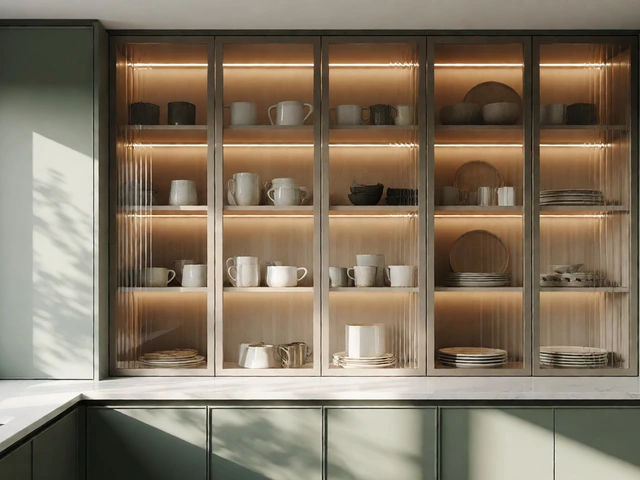
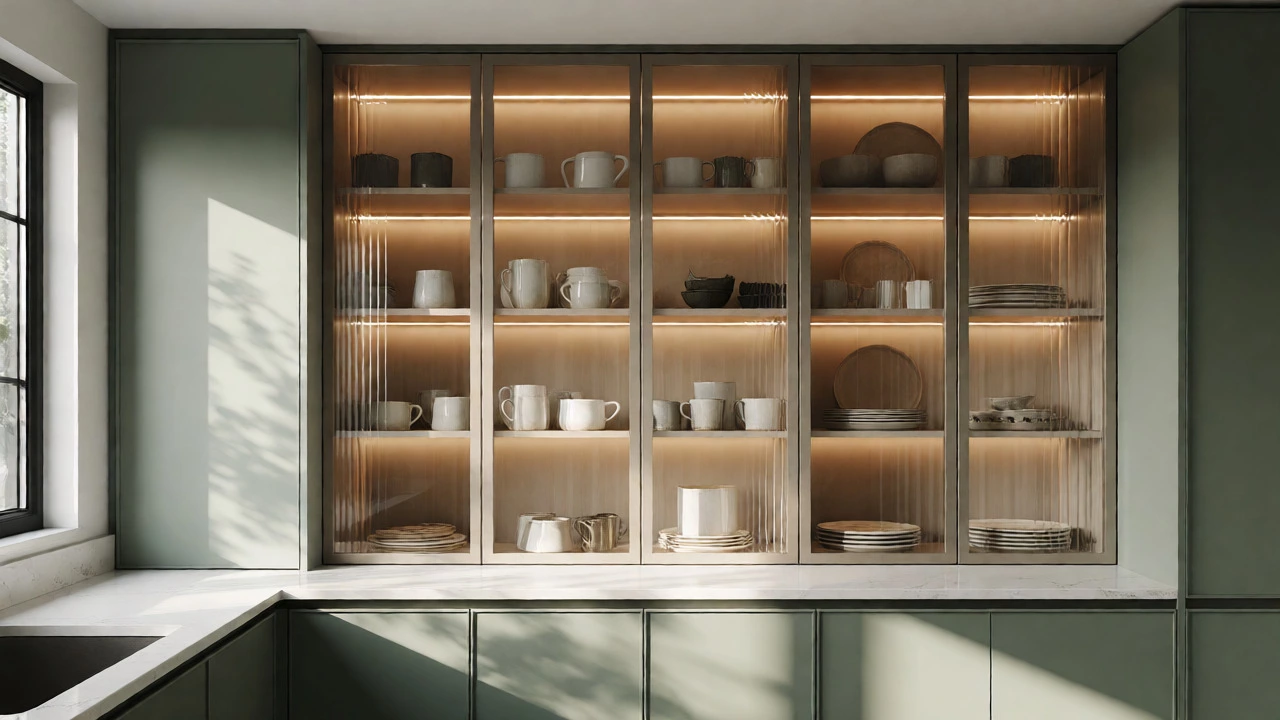
If you aren’t ready to give up seeing your beautiful ceramics entirely, glass-front cabinets are the perfect middle ground. This option keeps the lightness of open shelving but adds a protective barrier. You get the visual interest of displaying your collection without the weekly dusting marathon.
Glass-front cabinets are storage units featuring transparent or translucent doors that allow visibility of contents while providing protection from dust and moisture. They come in various styles, from sleek modern frames to rustic barn-door mechanisms. For example, using reeded or fluted glass adds texture and blurs the view slightly, so you don’t have to keep everything perfectly aligned behind the door. This is a huge win for anyone who hates the "perfectly staged" pressure that comes with fully open shelves.
- Best for: Kitchens with heirloom dishware or living rooms with book collections.
- Pro Tip: Add interior LED strip lighting to make the contents glow and turn the cabinet into a focal point.
- Pitfall to Avoid: Don’t use clear glass if you plan to store mismatched Tupperware; stick to frosted or textured glass for everyday items.
Wall-Mounted Cabinets and Cupboards
Sometimes, hiding things completely is the best design choice. Wall-mounted cabinets free up floor space and draw the eye upward, making small rooms feel larger. Unlike bulky floor-standing units, these can be customized to fit awkward corners or spaces above appliances.
Wall-mounted cupboards are fixed storage structures attached directly to wall studs, designed to maximize vertical space without occupying floor area. They are incredibly versatile. In a kitchen, they keep heavy pots off fragile countertops. In a home office, they hide papers and cables that ruin a clean desk setup. Because they are closed, you can toss in random items when guests arrive and close the door-done.
The key here is depth and height. Standard upper cabinets are often too shallow for large plates. Look for custom depths or adjustable shelving inside to accommodate your specific needs. Also, consider push-to-open mechanisms instead of handles for a seamless, handle-less look that feels modern and uncluttered.
Multi-Functional Furniture with Hidden Storage
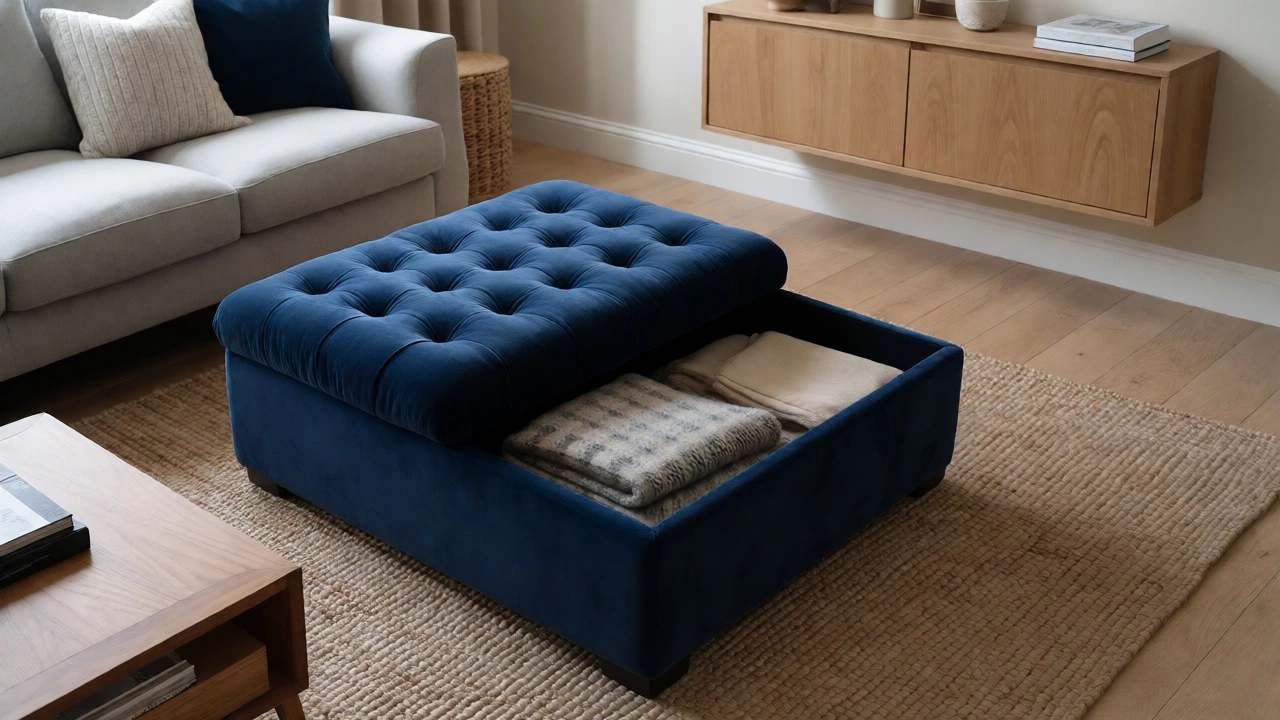
Why buy a separate shelf when your furniture can do double duty? Ottomans, benches, and coffee tables with built-in compartments offer substantial storage without adding extra footprint. This approach is particularly effective in apartments where every square meter counts.
Consider an ottoman with storage which acts as a seating element that doubles as a concealed container for blankets, toys, or magazines. When you need extra seating, you pull it out. When you need to hide the clutter, you lift the lid. It’s a two-for-one deal that reduces the number of individual pieces you need to manage. Similarly, bed frames with hydraulic lifts or drawers underneath eliminate the need for bedside tables if you’re tight on space.
| Solution | Dust Protection | Visual Appeal | Cost Estimate (NZD) | Best Room |
|---|---|---|---|---|
| Glass-Front Cabinets | High | Medium-High | $800 - $2,500 | Kitchen / Dining |
| Wall Cupboards | Very High | Low-Medium | $400 - $1,200 | Kitchen / Bathroom |
| Storage Ottomans | Total Concealment | High (as decor) | $150 - $600 | Living Room |
| Curio Cabinets | Very High | Very High | $300 - $1,500 | Living Room / Hallway |
| Baskets & Bins | Partial | Textural Warmth | $20 - $100 each | Any Room |
Freestanding Curio Cabinets
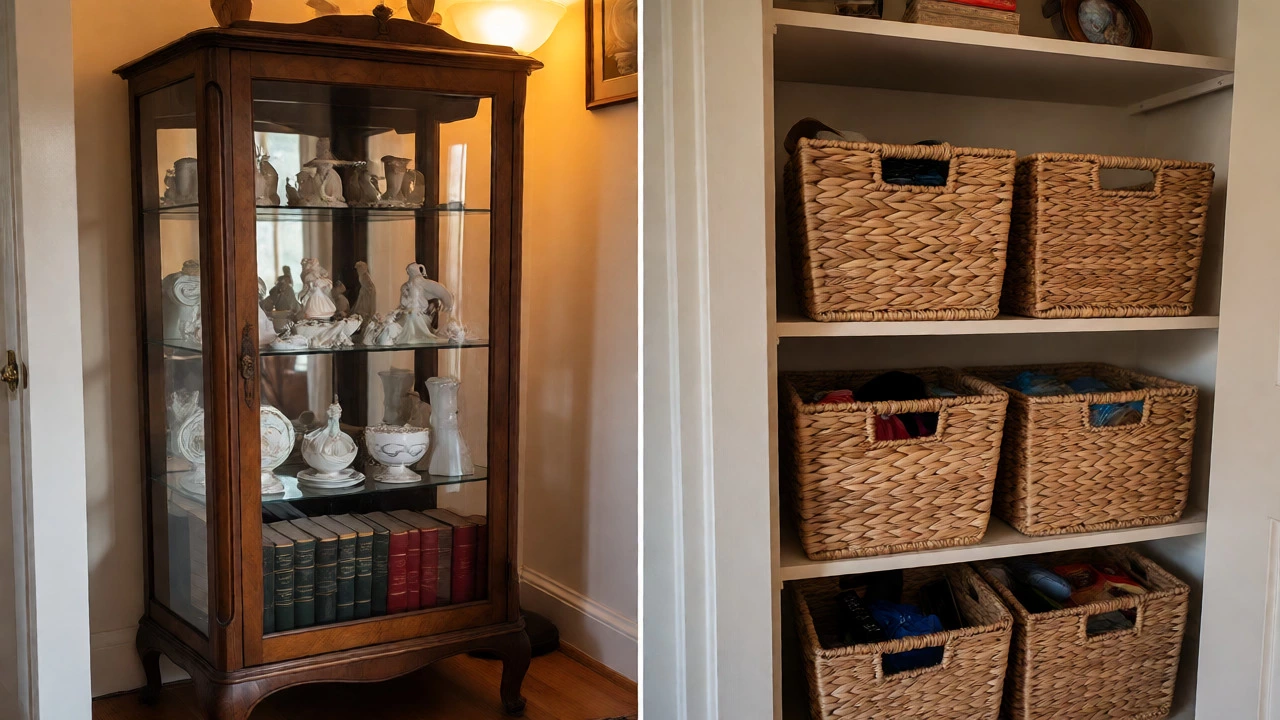
If you rent or can’t commit to permanent fixtures, freestanding curio cabinets are a fantastic alternative. These tall, narrow units often feature glass sides and front, allowing 360-degree visibility while keeping items enclosed. They act as standalone art pieces rather than just storage.
A curio cabinet is a display case typically made of wood and glass, used for showcasing collectibles or decorative objects in a protected environment. Unlike built-ins, you can move them around. Place one in a hallway corner to break up empty wall space, or use one in a bedroom to organize jewelry and perfumes. Because they are enclosed, you don’t need to worry about sunlight fading your treasures as quickly as you would with open shelves near a window.
Look for vintage finds at local Auckland markets or second-hand shops. Restoring an old wooden curio can be cheaper than buying new custom cabinetry, and it adds character that mass-produced furniture lacks.
The Hybrid Approach: Baskets and Bins on Open Shelves
Maybe you don’t want to rip out your existing open shelves. That’s fine. You can modify them to function better by introducing uniform containers. This technique hides the chaos while keeping the accessibility of open access.
Use woven baskets as natural fiber containers that conceal irregularly shaped items while adding organic texture to a room. Rattan, seagrass, and jute are popular choices because they bring warmth to sterile modern spaces. Assign specific uses to each basket-one for remotes, one for magazines, one for children’s toys. When the room gets messy, you sweep everything into the appropriate bin. It’s faster than organizing individually and looks intentional rather than chaotic.
This method also solves the "visual noise" problem. A shelf lined with ten different colorful boxes looks busy. Ten identical neutral-toned baskets look curated. Stick to a color palette that matches your walls or textiles to blend the storage into the background.
How to Choose the Right Alternative
Selecting the right solution depends on three factors: what you’re storing, how often you need it, and your budget.
- Assess Usage Frequency: If you use an item daily (like mugs), keep it accessible. Glass fronts or open shelves with bins work well. If it’s seasonal (like holiday decorations), put it in closed overhead cabinets or under-bed storage.
- Evaluate Dust Sensitivity: Do you have allergies? If yes, prioritize fully enclosed solutions like solid-door cabinets or sealed glass cases. Fabric-covered ottomans might trap allergens, so leather or vinyl might be better.
- Check Structural Limits: Before installing heavy wall cabinets, ensure your walls can support the weight. In older New Zealand villas, plasterboard alone isn’t enough-you’ll need to hit studs or use specialized anchors.
Remember, the goal isn’t to hide everything forever. It’s to create zones. Keep your most beautiful items visible, but tuck away the utilitarian stuff. Your home should feel calm, not like a warehouse inventory system.
Are glass cabinets harder to clean than open shelves?
Glass cabinets require less frequent cleaning than open shelves because the glass blocks dust from settling on the items inside. However, you will need to wipe the exterior glass regularly to maintain clarity. Overall, it saves time compared to dusting individual objects on open shelves.
Can I convert my existing open shelves into closed storage?
Yes, you can add curtain rods and fabric panels in front of open shelves to create instant privacy and dust protection. Alternatively, some hardware stores sell clip-on glass panels or sliding door kits that can retrofit onto standard shelf units.
What is the cheapest way to hide clutter on shelves?
Using matching baskets or bins is the most cost-effective method. Buying six identical plastic or woven bins from a discount store costs significantly less than installing new cabinetry, yet it visually organizes the space immediately.
Do closed cabinets make a small room look smaller?
Not necessarily. Light-colored, handle-less cabinets can actually make a room feel larger by reducing visual clutter. Using glass-front cabinets also maintains sightlines, preventing the space from feeling boxed in.
Is it safe to install heavy cabinets on drywall?
It depends on the weight. Light cabinets can use toggle bolts, but heavy units must be anchored into wall studs. Always check the load rating of your fasteners and consult a professional if unsure, especially in older homes with non-standard framing.