Bathroom Space Perception Calculator
Room Details
Analysis Results
Select a color to preview
Recommendation:
Enter your details to get personalized advice.
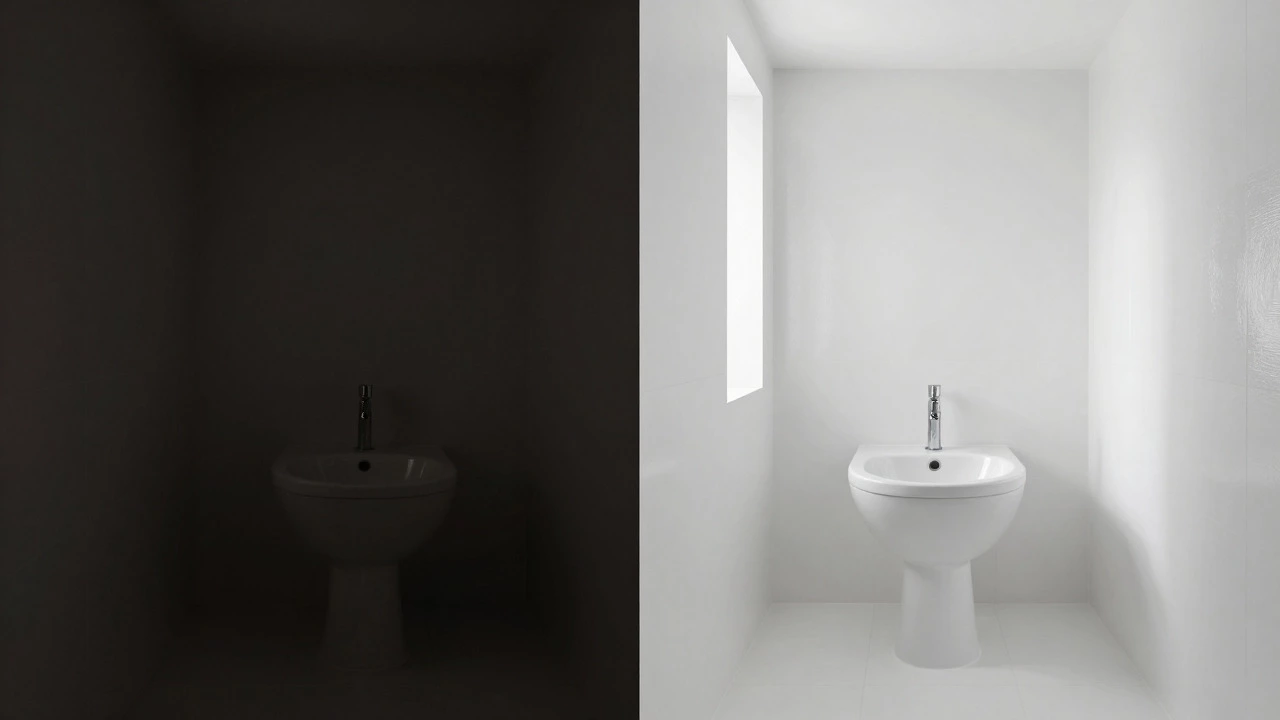
Walk into a cramped bathroom with dark walls and low lighting. It feels like you’re stepping into a closet. Now imagine the same square footage, but painted in soft whites or pale blues. Suddenly, you can breathe. The difference isn’t magic; it’s physics. Light bounces off light-colored surfaces, tricking your brain into perceiving more depth. If you are struggling with a tiny powder room or a master bath that feels claustrophobic, choosing the right bathroom colors is the cheapest, fastest way to reclaim your space.
You don’t need a renovation budget to make this change. A fresh coat of paint costs a fraction of what tiling or moving walls does. But picking the wrong shade can backfire, making the room feel flat or sterile. Let’s break down exactly which hues work, why they work, and how to use them without turning your bathroom into a hospital waiting room.
The Physics of Light and Perception
To understand why color changes size perception, you have to look at how light behaves. Dark colors absorb light. When light hits a deep navy or charcoal wall, most of it gets trapped. Your eyes register less illumination, and the boundaries of the room seem to close in. Light colors reflect light. White, cream, and pastels bounce photons around the room, filling corners and eliminating shadows. This reflection creates an illusion of expansion because your brain associates brightness with open spaces.
Light Reflectance Value (LRV) is a measurement that determines how much visible light is reflected from a surface. Also known as Reflectivity Index, it ranges from 0 (absolute black) to 100 (pure white). For small bathrooms, aim for paints with an LRV above 70. This ensures maximum light bounce, which is critical for creating depth.Consider the difference between a matte black wall and a glossy white one. The black wall swallows the light from your vanity bulbs. The white wall amplifies it. In a small space, you want amplification. You want the light to travel further than the physical walls allow. That is how you cheat the eye.
Top Colors That Expand Space
Not all light colors are created equal. Some shades add warmth, while others add coolness. Both can expand space, but they do it differently. Here are the top performers for maximizing perceived square footage.
- Pure White: The classic choice. It reflects the most light possible. To avoid a clinical feel, choose an off-white with a hint of beige or gray undertone. Brands like Benjamin Moore offer "Chantilly Lace" or "Simply White," which provide crispness without sterility.
- Soft Pastels: Pale blues, mint greens, and blush pinks recede visually. Blue mimics the sky, suggesting openness. Green connects to nature, offering calmness. These colors should be very light-think watercolor washes, not saturated hues.
- Warm Grays: Gray is versatile, but cool grays can feel cold and small in a windowless bathroom. Warm grays with taupe or greige undertones add sophistication while still reflecting enough light to keep the room feeling airy.
- Cream and Ivory: These shades add warmth similar to sunlight. They prevent the room from feeling stark, which is important if you have hard tile floors that might otherwise feel chilly.
Avoid high-contrast patterns on large wall areas. Stripes or bold geometries draw the eye to specific points, breaking up the flow of the wall. Solid colors create a seamless canvas that allows the eye to travel uninterrupted across the room.
The Power of Monochromatic Schemes
Color isn’t just about the walls. It’s about continuity. One of the biggest mistakes people make is using different colors for walls, trim, and ceilings. When you contrast these elements, you create visual barriers. Each line where one color meets another acts as a boundary, defining the limits of the room.
Try a monochromatic approach. Paint the walls, trim, and ceiling the same color. This eliminates visual breaks. The eye doesn’t know where the wall ends and the ceiling begins, making the room feel taller and larger. If you want some definition, use texture instead of color. A subtle wallpaper pattern or wainscoting in the same hue adds interest without shrinking the space.
| Strategy | Visual Effect | Best For |
|---|---|---|
| Monochromatic Walls | Eliminates boundaries, increases height perception | Tiny powder rooms, windowless baths |
| High-LRV Whites | Maximizes light reflection, brightens corners | All bathroom sizes, especially dark ones |
| Pastel Accents | Adds softness, recedes visually | Bathrooms with natural light |
| Dark Accent Wall | Creates depth, draws eye forward | Long, narrow bathrooms |
Using Dark Colors Strategically
Yes, you read that right. Dark colors can make a bathroom feel bigger under specific conditions. This seems counterintuitive, but it works through the principle of recession. Very dark colors, like deep navy or charcoal, can appear to push away from the viewer. If you paint the farthest wall in a dark shade, it can create an illusion of depth, making the room feel longer rather than wider.
This technique works best in long, narrow bathrooms. Painting the short end wall a dark color makes it seem further away. However, this requires excellent lighting. Without ample artificial light, a dark wall will just look gloomy. Pair it with bright white trim and reflective surfaces like mirrors to balance the darkness.
Another trick is painting the ceiling a darker shade than the walls. This lowers the visual plane of the ceiling, making the walls feel closer together but the room more intimate and cozy. Use this only if you want a spa-like atmosphere rather than an expansive one.
The Role of Finish and Texture
Color isn’t just about hue; it’s about sheen. The finish of your paint affects how light interacts with the surface. Flat or matte finishes absorb light and hide imperfections, but they don’t reflect it well. Glossy or semi-gloss finishes reflect light, enhancing the brightness and expanding the space.
Semi-Gloss Paint is a durable, shiny finish ideal for high-moisture areas like bathrooms. It reflects more light than matte paint, contributing to a brighter, more open feel. It also resists mold and mildew better, making it practical for humid environments.In a small bathroom, opt for eggshell or satin finishes on walls. They offer a balance between reflectivity and ease of cleaning. Avoid flat paint unless you have flawless walls, as it can make the room feel duller. For trim and doors, use semi-gloss to highlight architectural details without overwhelming the space.
Mirrors and Reflective Surfaces
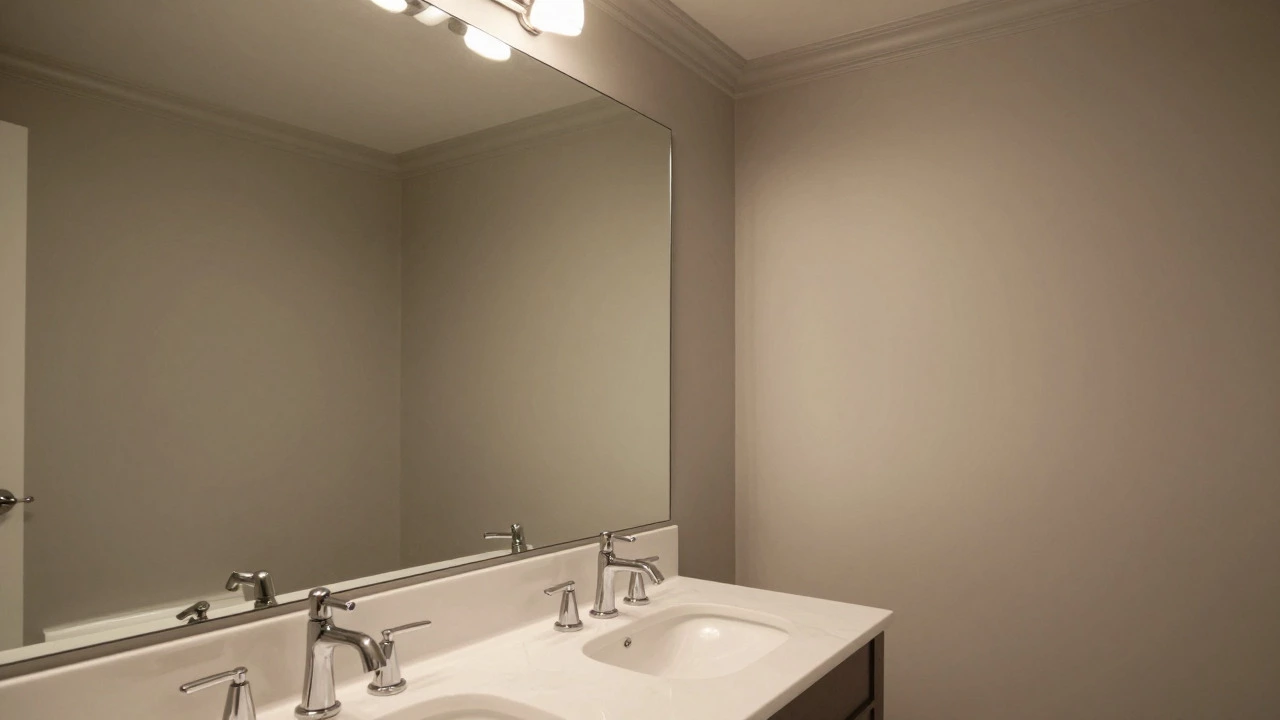
Color works hand-in-hand with mirrors. Mirrors double the visual space by reflecting the room. Place a large mirror opposite a window to bounce natural light deeper into the bathroom. If you lack windows, use mirrors to reflect artificial light sources.
Consider mirrored tiles or glass accents. These materials amplify the effect of light-colored walls. A white wall paired with a large mirror creates a feedback loop of light, making the room feel significantly larger. Even small touches, like metallic fixtures in chrome or nickel, add reflective points that enhance brightness.
Common Mistakes to Avoid
Even with the right colors, poor execution can shrink your bathroom. Here are pitfalls to sidestep:
- Ignoring Undertones: White isn’t just white. Some whites lean blue, others yellow. Test samples on your walls at different times of day. A cool white might clash with warm wood tones, making the room feel disjointed.
- Overusing Patterns: Large-scale wallpapers or busy tiles distract the eye and break up the flow. Stick to solid colors for walls and save patterns for small accents like shower curtains or rugs.
- Neglecting Lighting: Color depends on light. Poor lighting makes even the brightest paint look dim. Install multiple light sources-vanity lights, overhead fixtures, and sconces-to ensure even illumination.
- Clashing Fixtures: Heavy, dark fixtures can weigh down a light-colored room. Choose sleek, modern fixtures in neutral metals to maintain the airy feel.
Practical Steps for Implementation
Ready to transform your bathroom? Follow these steps:
- Assess Your Light: Determine if your bathroom has natural light, artificial light, or both. North-facing rooms benefit from warm whites, while south-facing rooms can handle cooler tones.
- Choose Your Palette: Select a high-LRV base color. Add complementary accents if desired, but keep them minimal.
- Test Samples: Paint small patches on different walls. Observe how they look in morning, afternoon, and evening light.
- Prep the Surface: Clean walls thoroughly. Repair any cracks or holes. Prime if switching from dark to light colors.
- Paint Strategically: Start with trim, then walls, then ceiling. Use rollers for large areas and brushes for edges.
- Add Reflective Elements: Install or enlarge mirrors. Update fixtures to metallic finishes.
Final Thoughts on Space Perception
Making a bathroom look bigger isn’t about changing its dimensions; it’s about manipulating perception. Light colors, strategic finishes, and reflective surfaces work together to create an illusion of space. By understanding how light interacts with color, you can turn a cramped box into a serene retreat. Remember, the goal is comfort and functionality. A spacious-feeling bathroom reduces stress and enhances daily routines. So grab that paintbrush, pick a light hue, and watch your walls recede.
Does white really make a bathroom look bigger?
Yes, white reflects the most light, reducing shadows and making boundaries less distinct. This creates an illusion of expanded space. However, choose off-whites to avoid a sterile appearance.
Can I use dark colors in a small bathroom?
Yes, but strategically. Dark colors on the farthest wall can create depth, making the room feel longer. Ensure you have strong lighting to prevent gloominess.
What paint finish is best for small bathrooms?
Satin or semi-gloss finishes are ideal. They reflect light better than matte finishes and are easier to clean in humid environments.
How do mirrors help make a bathroom look bigger?
Mirrors reflect light and images, effectively doubling the visual space. Placing a mirror opposite a window maximizes natural light penetration.
Should I paint the ceiling the same color as the walls?
Yes, painting the ceiling the same color as the walls eliminates visual breaks, making the room feel taller and more cohesive.