Bedding Classification Finder
Select a bedding item to see how it is classified by different professional perspectives (Interior Design, Retail, Logistics, and Insurance).
Item Name
| Industry Perspective | Classification |
|---|
The Big Picture: Soft Furnishings and Home Textiles
When you look at the broadest possible category, bedding is a collection of fabric materials used along with a bed to provide warmth and comfort. In the industry, it is primarily classed as Soft Furnishings. Unlike "hard furnishings" (like your wooden bed frame or a nightstand), soft furnishings are any items made from fabric that can be washed, folded, or draped. If you go a level deeper into manufacturing and trade, you'll find it under Home Textiles. This is a global category that includes everything from bath towels to kitchen rags. When a company imports a shipment of Egyptian cotton sheets, they aren't just importing "bedding"; they are moving home textiles. This distinction is huge for trade tariffs and manufacturing standards, as textiles are governed by different laws than furniture.Breaking Down the Bedding Layers
Bedding isn't just one thing; it's a system. To understand what it's classed as, you have to look at the three main functional layers. Each layer serves a different purpose, and in a high-end retail environment, they might even be classed as separate sub-categories.- The Base Layer (Linens): This includes your Fitted Sheet, flat sheet, and pillowcases. These are often classed as "bed linens." The term "linen" comes from the flax plant, though today most sheets are made from cotton, polyester, or Tencel.
- The Insulation Layer (Fillers): This is where your Duvet, comforter, or quilt lives. These are classed as "bed covers" or "fillers." Their primary job is thermal regulation, not just skin contact.
- The Decorative Layer (Accents): Think Bed Runners, decorative shams, and throw blankets. These are often classed as "home decor" or "accent pieces" because their primary purpose is aesthetic rather than functional sleep support.
How Different Industries Classify Bedding
Depending on who you ask, the "class" of your bedding changes. This is where people usually get confused. If you're trying to file an insurance claim or organize a warehouse, you need to know which terminology to use.| Industry | Primary Classification | Reasoning |
|---|---|---|
| Interior Design | Soft Furnishings | Focuses on texture, color, and tactile elements of a room. |
| Retail / E-commerce | Bedding / Linens | Organized by consumer shopping habits and product type. |
| Logistics / Customs | Home Textiles | Classed by material (e.g., 100% cotton) for tax and import codes. |
| Insurance | Contents / Soft Goods | Grouped by perishability and replacement value. |
The Role of Material in Classification
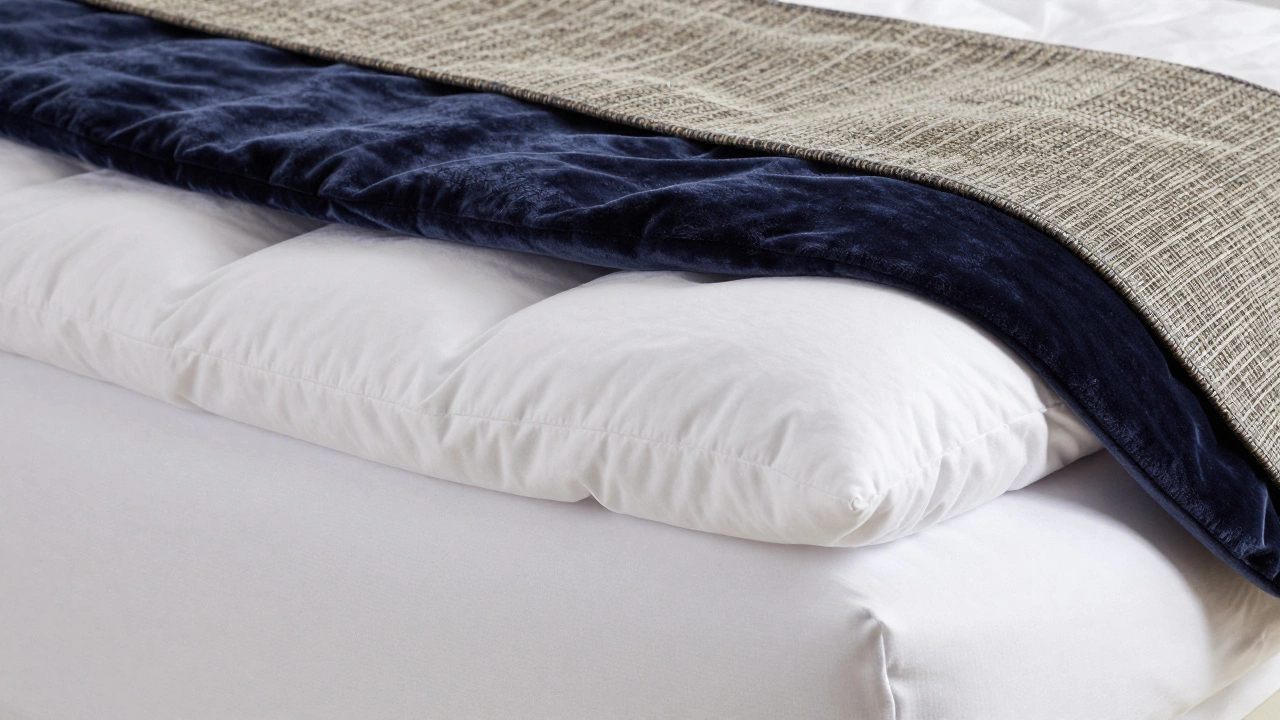
Materials aren't just about how the fabric feels; they actually change how the item is classed in a technical sense. For example, a Memory Foam mattress topper is often classed as "bedding" by the consumer, but by a manufacturer, it is a "polyurethane product" or "bedding accessory." When we talk about Percale or Sateen weaves, we are talking about the construction of the textile. Percale is a one-over-one weave that feels crisp and cool, while Sateen is a four-over-one weave that feels silky. In the world of luxury textiles, these aren't just styles; they are specific product classes that dictate the price point and the target market.Bedding vs. Bedclothes: Is There a Difference?
In some regions, particularly in the UK and Commonwealth countries, you'll hear the term "bedclothes." While it sounds like the same thing, "bedding" is the broader umbrella. Bedding includes the mattress protector and the duvet, whereas "bedclothes" usually refers specifically to the items you wrap yourself in-the sheets and blankets. If you're shopping online, searching for "bedding" will give you everything from frames to pillows. Searching for "bedclothes" or "linens" will narrow your results down to the fabric elements. It's a subtle difference, but it helps when you're trying to find a specific Thread Count set without scrolling through a thousand mattress options.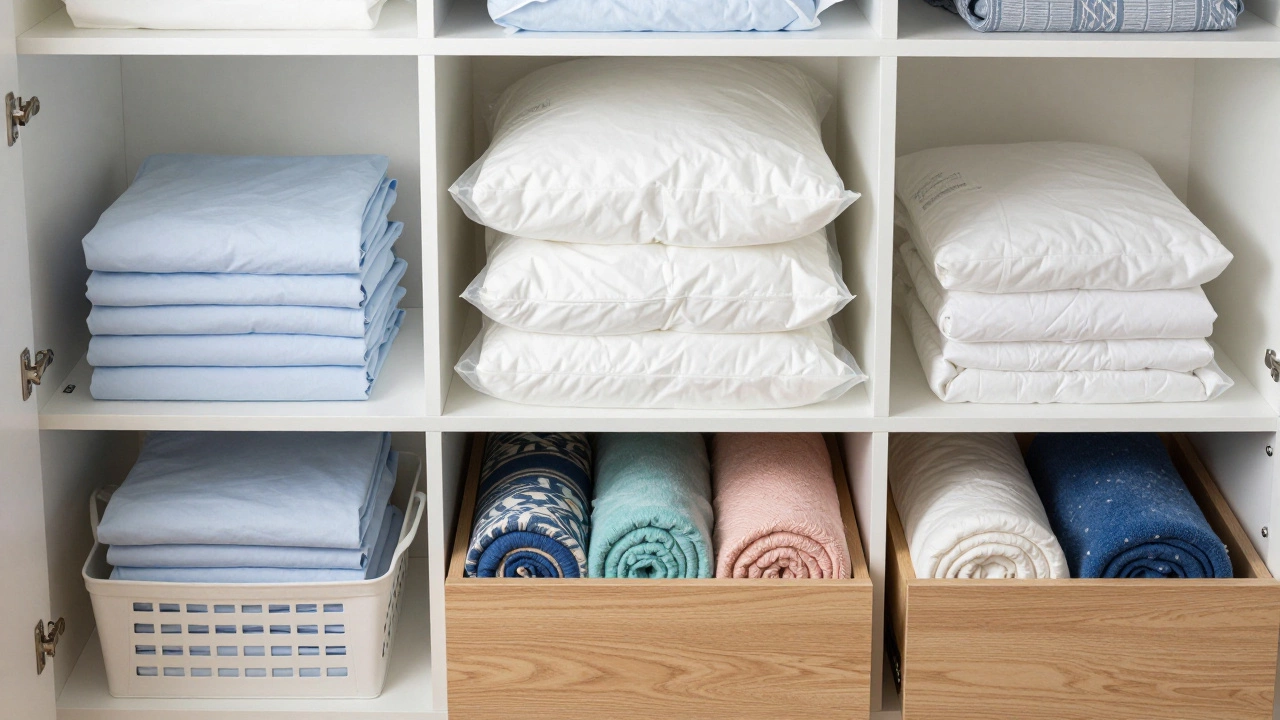
Common Misclassifications to Avoid
One of the most common mistakes people make is classing Pillows solely as bedding. While they are part of the bedding set, in many health and wellness contexts, pillows are classed as "sleep accessories" or "orthopedic supports." This is because a pillow is a tool for spinal alignment, whereas a sheet is simply a textile for comfort. Similarly, mattress protectors are often misclassed. Are they bedding? Yes. But technically, they are "protective gear" for furniture. They are designed to extend the life of the mattress, which puts them in a different utility class than a duvet, which is designed to keep a human warm. Understanding this helps you realize why a mattress protector might have a different warranty or care instruction than your favorite set of sheets.Practical Tips for Organizing Your Bedding
Now that you know how the pros class these items, you can use that logic to organize your own linen closet. Instead of just throwing everything in, try grouping them by their functional class:- The Linens Bin: Keep all your matched sets (fitted sheet, flat sheet, pillowcases) together. This prevents the nightmare of searching for a matching case at 11 PM.
- The Warmth Zone: Store duvets and quilts together. Since these are bulkier, using vacuum-sealed bags is a pro move to keep them from taking up the whole closet.
- The Accessory Drawer: Put your throw blankets and decorative shams here. These are the "decor" class and don't need to be changed as often as the linens.
Is bedding considered a soft furnishing?
Yes, bedding is a primary example of soft furnishings. This category includes any items made from fabric, such as curtains, cushions, and rugs, that are used to furnish a home and provide comfort and aesthetic appeal.
What is the difference between bed linens and bedding?
Bedding is the overarching term that includes everything on the bed, including the mattress protector, duvet, and pillows. Bed linens specifically refer to the fabric sheets and pillowcases that come into direct contact with your skin.
Are pillows classed as bedding?
In a general sense, yes. However, in professional or medical contexts, they are often classified as sleep accessories or orthopedic supports because they provide structural support for the neck and head.
What are home textiles?
Home textiles are any cloth materials used in the home. This is a broad industrial category that includes bedding, towels, tablecloths, and upholstery fabrics.
Does a mattress topper count as bedding?
Most consumers treat mattress toppers as bedding. Technically, they are bedding accessories designed to modify the feel or support of the mattress, acting as a bridge between the hard furniture (the bed) and the soft linens (the sheets).