Small Space Storage Planner
Select the area of your home that needs help most, then choose your primary challenge to get tailored recommendations.
Living Area
Kitchen
Bedroom
Entryway
Recommended Tools & Hacks
Immediate Action Steps
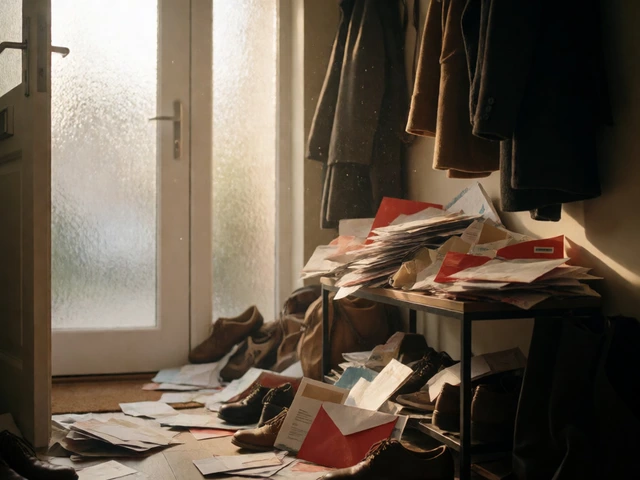
Imagine walking into your living room and tripping over a stack of books you meant to read last week. You look around for a place to put your keys, but every surface is covered in mail, coats, or that one plant you’re trying to keep alive. If you live in a small house with no built-in storage-no closets, no cupboards, just open walls-you know this panic well. It’s not just messy; it feels suffocating.
But here’s the good news: you don’t need a renovation budget or a team of contractors to fix this. In fact, some of the best storage solutions are invisible, cheap, or things you already own. The secret isn’t buying more boxes; it’s changing how you see your space. Every vertical inch, every empty corner, and even the back of a door can become functional real estate if you approach it with intention.
The First Step: Ruthless Editing Before Organizing
Before you buy a single shelf or hang a pegboard, you have to confront the elephant in the room: you likely have too much stuff. In a small house with no storage, clutter doesn’t just hide; it takes over. Trying to organize chaos is like trying to fold a wet towel-it just spreads the mess around.
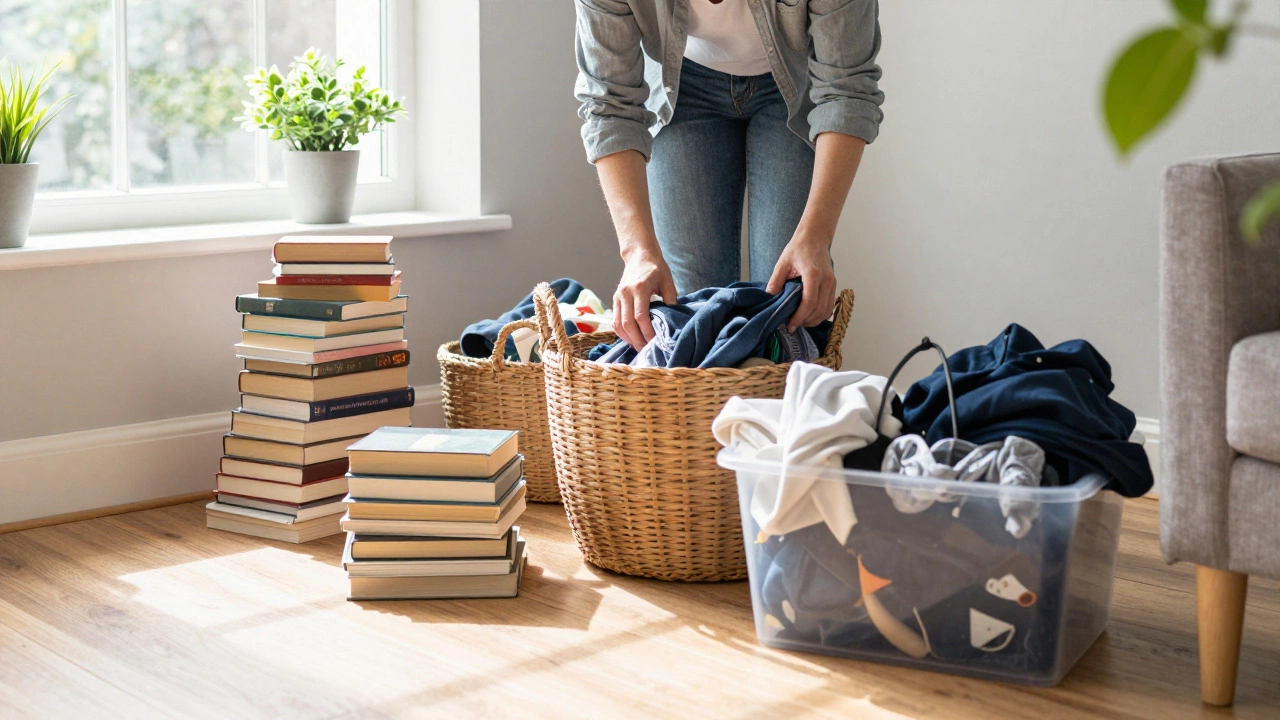
You need to edit. This isn’t about being harsh on yourself; it’s about making room for the life you want to live. Start with the category that stresses you out most. Maybe it’s clothes. Maybe it’s kitchen gadgets you used once for a holiday party. Set a timer for 20 minutes and go through one drawer or one pile. Ask yourself three questions:
- Do I use this regularly?
- Does this bring me joy or serve a specific purpose?
- If I needed this again, could I easily replace it or borrow it?
If the answer is no, let it go. Donate, sell, or recycle. The goal is to reduce the volume of items so that what remains actually fits in the limited space you have. Remember, in a tiny home, every object needs to earn its keep. If an item doesn’t have a designated home, it becomes visual noise.
Go Vertical: Walls Are Your Best Friend
In a small house, floor space is precious. That means you need to stop thinking horizontally and start looking up. Your walls are essentially free shelving units waiting to be activated. The key is to install fixtures that don’t require drilling massive holes if you’re renting, or that maximize height if you own the place.
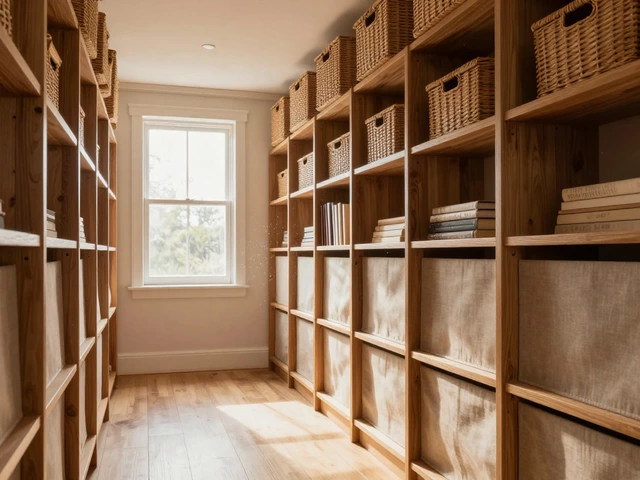
Consider installing floating shelves above eye level. These aren’t just for display; they’re perfect for storing books, bins, or decorative baskets that hold everyday items. Use clear acrylic bins on higher shelves to keep contents visible without looking bulky. For renters, tension rods are a game-changer. You can fit them between studs or inside existing structures to create hanging spaces for towels, scarves, or even kitchen utensils.
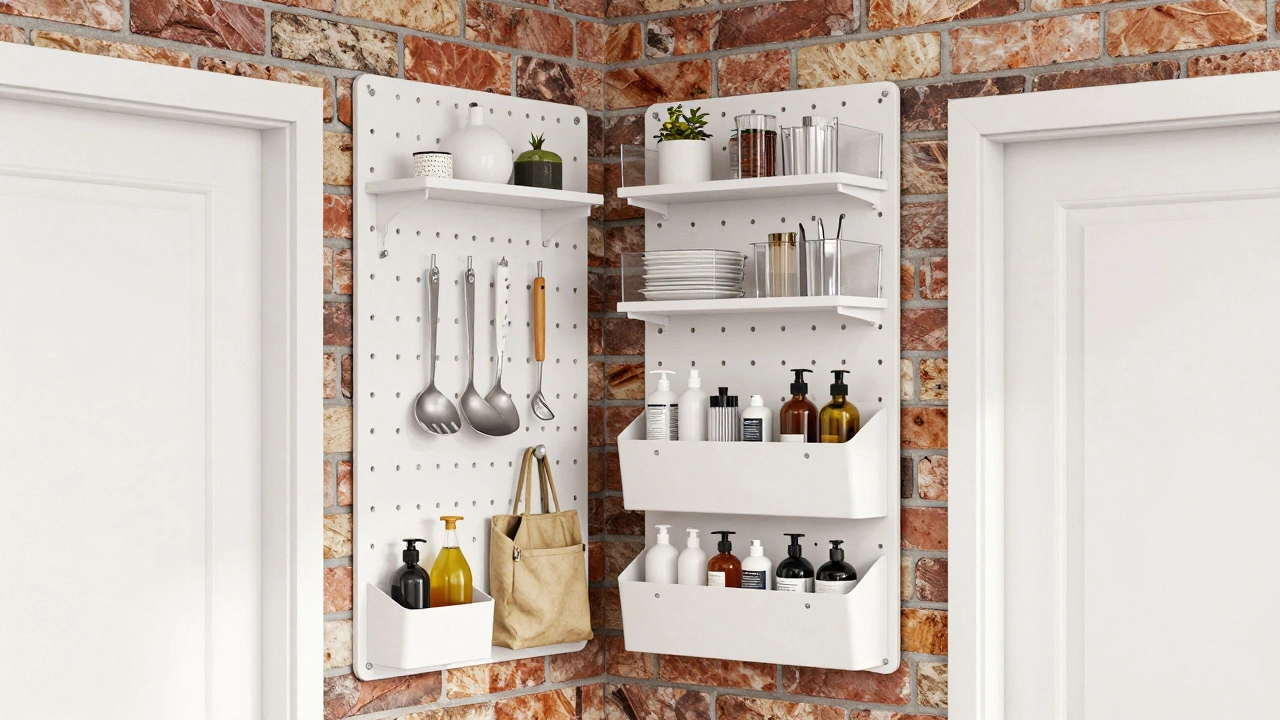
Pegboards are another powerhouse tool. They offer infinite configurability. Mount a large pegboard in your entryway for bags and hats, or in the kitchen for pots and pans. The beauty of a pegboard is that you can rearrange hooks as your needs change. It turns a blank wall into a highly functional command center.
Hack Every Door and Corner
We often ignore the backs of doors because they feel like dead space. But in a small home, they are prime real estate. Over-the-door organizers are not just for shoes. You can find fabric pockets that slide over any standard door handle or hook system.
Try these specific hacks:
- Bathroom Doors: Hang an organizer for hair tools, extra toiletries, or cleaning supplies. Keep the counter completely clear.
- Closet Doors: Even if you don’t have a closet, you might have a wardrobe door. Use adhesive hooks to hang belts, jewelry, or lanyards.
- Kitchen Cabinet Doors: Attach magnetic strips to the inside of cabinet doors to hold spice tins or metal utensil handles. Or use suction-cup racks for sponges and scrubbers.
Corners are another neglected zone. Instead of leaving them empty, place a tall, narrow ladder shelf in a corner. It uses the awkward angle perfectly and provides multiple levels for storage without blocking walkways. Alternatively, corner carousels (like lazy Susans) work wonders inside cabinets or on countertops to store spices, sauces, or cosmetics.
Furniture That Works Double Duty
In a small house, every piece of furniture should do at least two jobs. A coffee table that is just a table is a waste of space. Look for multifunctional pieces that hide storage inside.
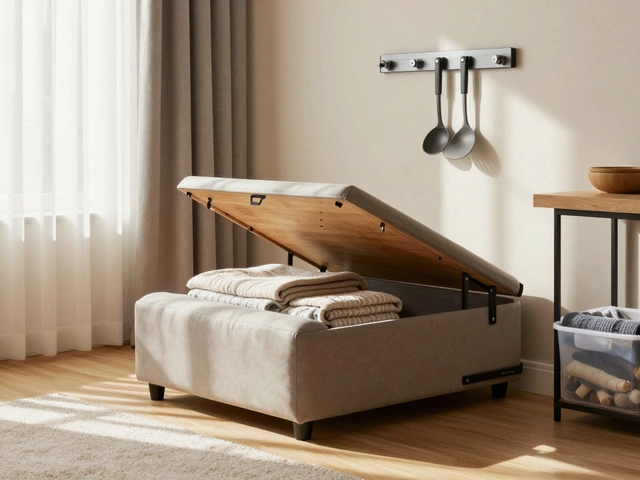
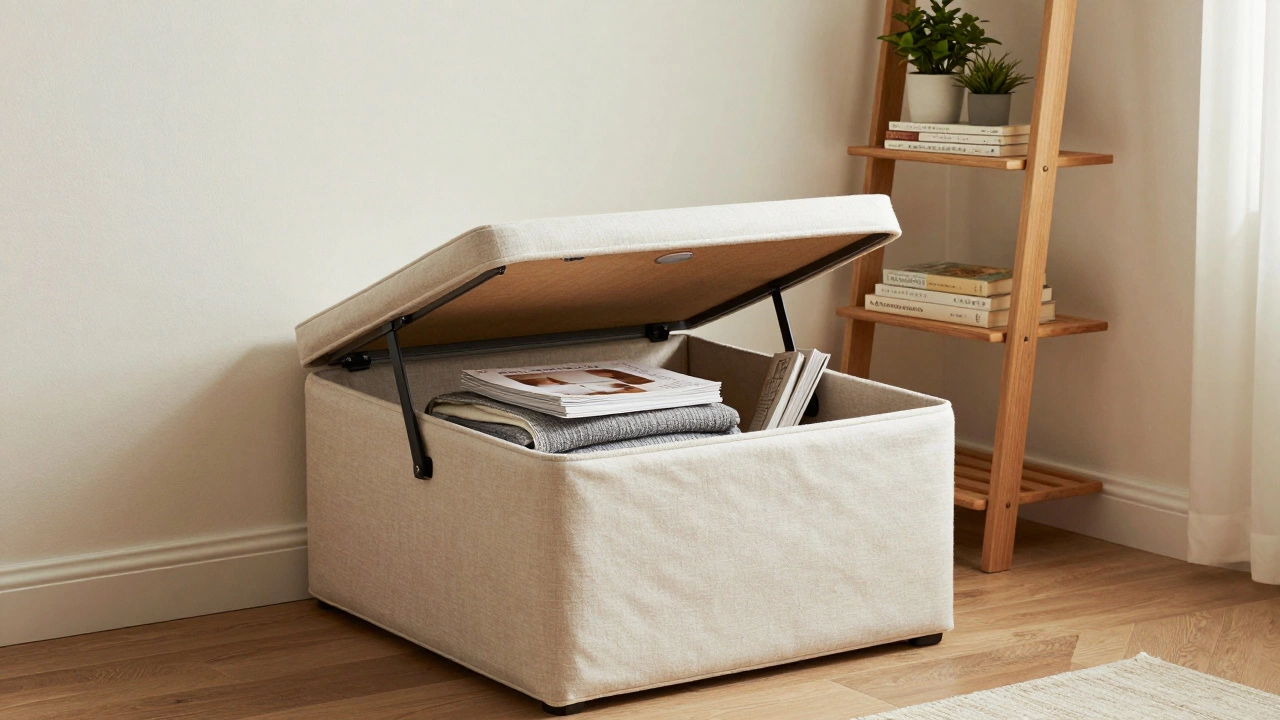
Ottomans with lift-top lids are essential. They provide seating, a footrest, and a hidden bin for blankets, magazines, or toys. When guests come over, you can stash away the clutter instantly. Similarly, consider a bed with built-in drawers underneath. If your current bed doesn’t have this, you can buy rolling storage bins that slide under the frame. Just measure the clearance height first!
Storage benches are perfect for entryways. They give you a place to sit while putting on shoes, and the interior holds umbrellas, pet leashes, or seasonal gear. This keeps the floor clear and creates a dedicated zone for coming and going.
| Furniture Type | Primary Function | Hidden Storage Capacity | Best For |
|---|---|---|---|
| Lift-Top Ottoman | Seating/Footrest | High (Blankets, Media) | Living Rooms |
| Storage Bed Frame | Sleeping | Very High (Seasonal Clothes) | Bedrooms |
| Nesting Tables | Surface Space | Low (Small Items) | Small Apartments |
| Expandable Dining Table | Eating/Working | Medium (Chairs Tuck Away) | Kitchen/Dining |
The Power of Baskets and Uniform Containers
Once you’ve edited your belongings and installed vertical storage, you need to group similar items together. Loose items create visual chaos. Baskets and uniform containers create order.
Use woven baskets for soft items like throw pillows, blankets, or kids’ toys. The texture adds warmth to a small space, preventing it from feeling like a sterile warehouse. For harder items like office supplies, snacks, or craft materials, use clear plastic bins. Label them clearly. When everything has a labeled home, it’s easier to put things back where they belong.
Avoid mismatched boxes. A mix of cardboard shipping boxes, plastic tubs, and paper bags looks messy even when organized. Stick to a cohesive color palette-white, natural wood, or black-and your space will instantly feel larger and calmer.
Digital Decluttering and Paper Management
Clutter isn’t always physical. Piles of mail, bills, and documents take up desk space and mental energy. In a small house, paper clutter is particularly destructive because there are no filing cabinets to hide it.
Switch to digital billing wherever possible. Scan important documents and store them in cloud storage. For papers you must keep, invest in a single, slim filing box or accordion folder. Keep only current year documents accessible; archive older ones off-site or digitize them. This reduces physical bulk significantly.
Maintaining the System
Organizing a small house is not a one-time event; it’s a habit. Without maintenance, clutter will return. Adopt the "one in, one out" rule. If you buy a new shirt, donate an old one. If you get a new gadget, remove the old one. This prevents accumulation.
Also, spend five minutes each evening resetting your space. Put dishes in the dishwasher, hang up coats, and wipe down surfaces. This daily reset prevents small messes from becoming overwhelming piles. It’s a small investment of time that pays off in peace of mind.
What are the best storage solutions for a studio apartment?
The best solutions for studios involve zoning and verticality. Use room dividers with shelving on both sides to separate sleeping and living areas while adding storage. Install curtains to visually hide cluttered corners. Choose furniture with hidden storage, like ottomans and beds with drawers, to keep floors clear.
How can I organize a small kitchen without cabinets?
Focus on wall-mounted options. Install floating shelves for plates and mugs. Use magnetic strips for knives and spice tins. Hang pots and pans from a ceiling rack or wall hooks. Use tension rods inside existing niches or between walls to create makeshift shelves for canned goods.
Is it expensive to add storage to a small house?
Not necessarily. Many effective solutions are low-cost. Command hooks, tension rods, and repurposed crates are affordable. DIY projects like building simple pallet shelves can be done for under $50. Investing in quality multifunctional furniture costs more upfront but saves money long-term by reducing the need for additional storage units.
What should I do if I have no closet space?
Use freestanding wardrobe racks or garment bags hung on sturdy hooks. Convert a corner with a curtain rod and tension pole to create a mini-closet. Utilize the back of bedroom doors for hanging organizers. Store off-season clothing in vacuum-sealed bags under the bed to free up immediate access space.
How do I keep a small entryway organized?
Create a dedicated drop zone. Use a bench with storage for shoes. Install hooks for coats and bags. Add a small tray for keys and mail. Keep a basket for umbrellas. The goal is to contain all entry-related items in one compact area to prevent them from spreading into the living space.