Mirror Cost Estimator
Configuration Settings
Estimated Cost Breakdown
Have you ever stood in a furniture store, holding a beautiful framed mirror, and felt your wallet tighten when you saw the price tag? You aren't alone. A standard wall mirror that looks like simple glass can cost anywhere from $50 to several hundred dollars, while large, custom pieces often jump into the thousands. It feels unfair because, on the surface, a mirror is just a sheet of glass with some metal behind it. But if you think about it, making a perfect reflection is actually one of the more difficult feats in modern manufacturing.
The high price isn't just about markup or brand names. It comes down to the raw materials, the energy-intensive production process, the fragility of the product, and the logistics of moving heavy, breakable items across the world. Let's pull back the curtain on why that shiny surface costs so much.
The Chemistry of Clarity: It’s Not Just Glass
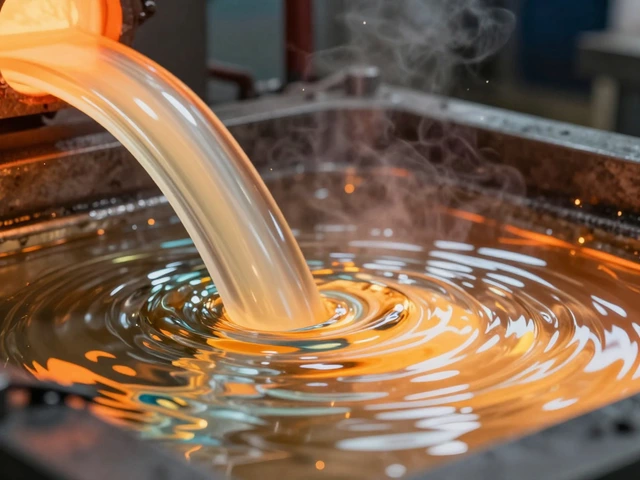
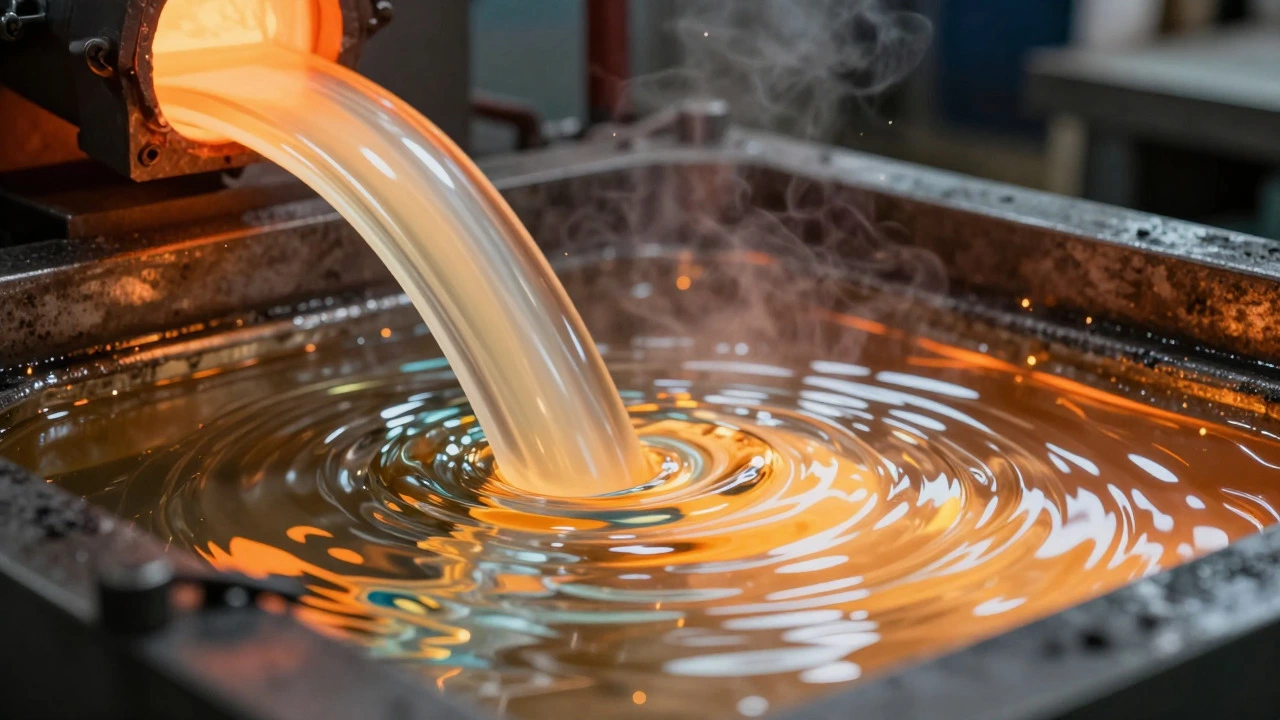
First, let's talk about the base material. You might assume all glass is created equal, but optical-grade float glass is a specific beast. To make a mirror that doesn't distort your face, the glass must be perfectly flat and free of bubbles or ripples. This requires the float glass process, where molten glass is poured onto a bath of molten tin. This creates a surface so smooth it’s almost mathematically perfect.
However, getting there is expensive. The raw materials-silica sand, soda ash, and limestone-are cheap, but the furnace temperatures required to melt them exceed 1,500°C (2,732°F). Keeping those furnaces running 24/7 consumes massive amounts of energy. In regions with high electricity costs, this alone drives up the baseline price of every sheet produced. If the glass has even a slight wave in it, the reflection will look wavy too, rendering the entire batch useless. That waste factor gets passed on to you.
The Silvering Process: Where the Magic (and Money) Happens
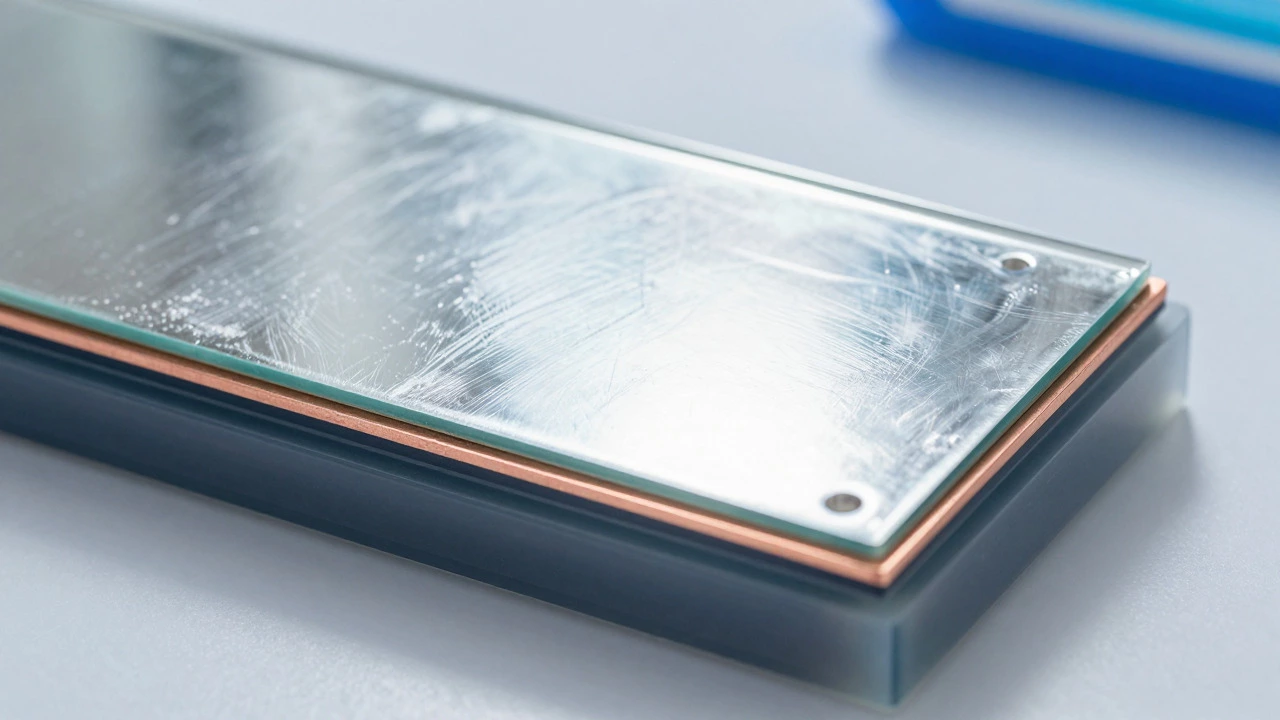
Glass by itself is transparent, not reflective. To turn it into a mirror, manufacturers use a process called chemical silvering. This involves depositing a microscopic layer of pure silver onto the back of the glass. Silver is chosen because it offers the highest reflectivity of any common metal, bouncing back about 95% of visible light. Aluminum is cheaper and reflects less, which is why bathroom mirrors sometimes have a slightly grayish tint compared to high-end dressing room mirrors.
This step is delicate and hazardous. The chemicals used to bond the silver to the glass are toxic and require strict environmental controls. After the silver is applied, a protective layer of copper is added, followed by paint to seal everything in. If any air or moisture gets behind that seal, the mirror starts to blacken at the edges-a common issue with cheap mirrors. High-quality mirrors use better sealing techniques and thicker protective coatings, which adds labor and material costs.
Framing and Finishing: The Labor Factor
If you buy an unframed mirror, you’re paying mostly for the glass and the silvering. But most people want a frame, and this is where prices skyrocket. Custom framing is largely a manual process. Even in automated factories, cutting wood or molding metal to precise lengths, joining corners seamlessly, and applying finishes like gold leaf, distressed paint, or velvet wrapping requires skilled hands.
Consider the difference between a mass-produced plastic frame and a solid oak frame. The wood needs to be dried, planed, cut, joined, sanded, and finished. Each step adds time. In countries with higher labor costs, such as the US, Europe, or Australia, this labor premium is significant. A mirror that takes two hours to hand-frame will naturally cost more than one stamped out of plastic in seconds. Additionally, decorative elements like beveled edges (where the glass is cut at an angle to catch the light) require specialized machinery and slower processing speeds, further increasing the unit cost.
The Logistics Nightmare: Shipping Heavy Fragility
You’ve probably never shipped a mirror yourself, but try imagining it. Mirrors are heavy, bulky, and incredibly fragile. Unlike a sofa, which can be compressed or folded, a mirror must remain rigid. And unlike a book, it shatters if dropped.
Packaging costs for mirrors are disproportionately high. Manufacturers have to use thick cardboard, foam inserts, and often wooden crates for larger pieces. These materials add weight and volume, which directly impacts shipping rates. Freight carriers charge based on dimensional weight, meaning you pay for the space the box takes up, not just its actual weight.
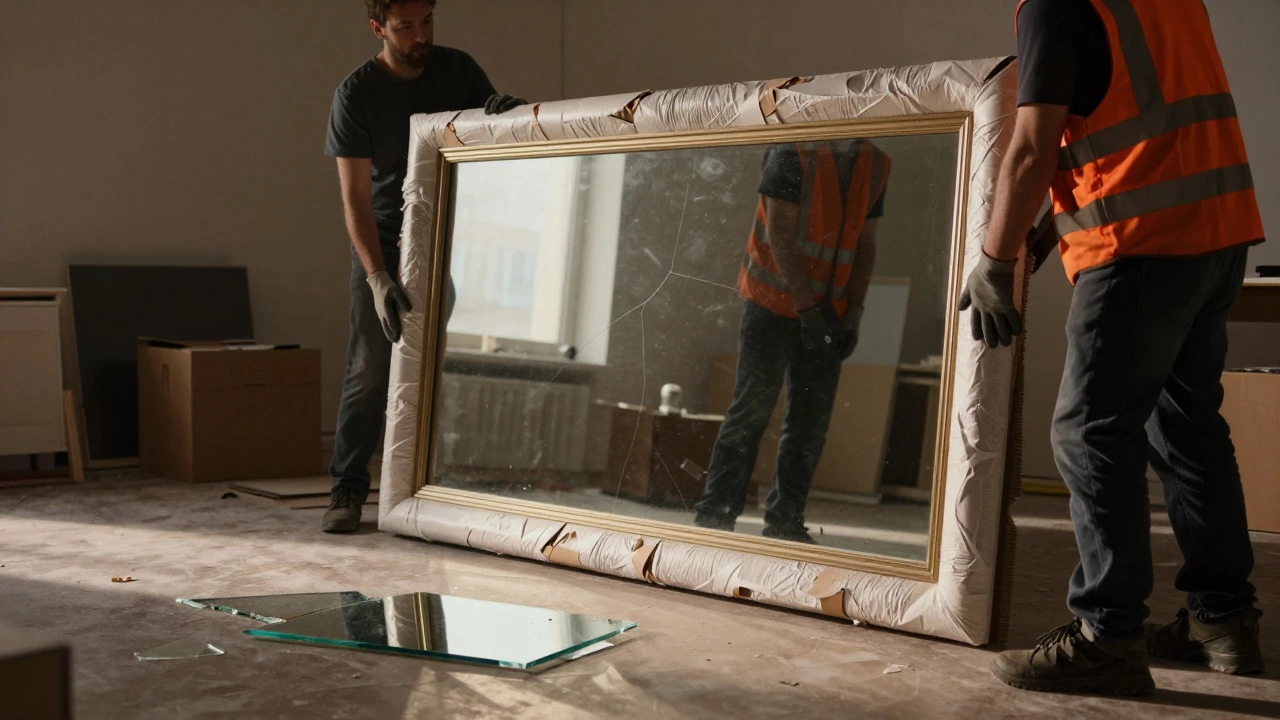
Then there’s the risk. Breakage rates during transit are higher for mirrors than for most other home goods. Companies factor this loss into their pricing. If they ship 100 mirrors and five arrive cracked, the cost of those five broken units is spread across the remaining ninety-five. This "breakage buffer" is hidden in the final price tag. For international buyers, import duties and tariffs on glass products can also add 10-25% to the cost, depending on trade agreements between countries.
Size Matters: The Non-Linear Cost Curve
Here’s a counterintuitive fact: doubling the size of a mirror doesn’t double the price-it often triples or quadruples it. This is due to the physics of glass production. Large sheets of glass are harder to manufacture without defects. As the size increases, the probability of a bubble or imperfection appearing somewhere on the sheet rises exponentially.
Manufacturers produce large sheets and then cut them down to size. If a giant sheet has one flaw in the corner, the usable area shrinks dramatically. Therefore, large-format mirrors carry a higher "yield loss" cost. Furthermore, handling large mirrors requires special equipment and more workers, adding to the installation and retail display costs. A small vanity mirror is easy to stock; a floor-to-ceiling statement piece takes up valuable warehouse space and requires careful handling throughout the supply chain.
| Mirror Type | Primary Cost Driver | Average Price Range (USD) | Key Quality Indicator |
|---|---|---|---|
| Basic Unframed | Glass & Silvering | $20 - $60 | Clarity, edge polish |
| Standard Framed | Labor & Materials | $80 - $200 | Frame finish, joinery |
| Custom/Large | Yield Loss & Logistics | $300 - $1,500+ | Flatness, durability |
| Antique/Decorative | Artistry & Rarity | $500 - $5,000+ | Craftsmanship, patina |
Market Dynamics: Supply Chain Vulnerabilities
In recent years, global supply chain disruptions have hit the glass industry hard. The closure of major glass plants in Europe due to energy crises forced many retailers to source from Asia, increasing shipping times and costs. When demand spikes-such as during renovation booms-suppliers raise prices because they can. There are only a handful of companies worldwide capable of producing high-quality optical glass at scale, creating a near-monopoly effect that keeps prices firm.
Additionally, consumer trends play a role. The rise of "Instagrammable" homes has increased demand for large, decorative mirrors. Retailers know that a well-placed mirror can make a small apartment feel twice as big, driving up willingness to pay. Brands leverage this psychological benefit, positioning mirrors not just as functional items, but as essential design statements. This perceived value allows for higher margins.
How to Save Money Without Sacrificing Quality
Understanding why mirrors are expensive helps you shop smarter. You don’t need to overspend to get a good reflection. Here are practical tips:
- Buy Unframed and Frame Later: Purchase a high-quality unframed mirror and add a simple, inexpensive frame from a hardware store. You save on the labor-intensive framing process.
- Check Local Fabricators: Instead of big-box stores, visit local glass shops. They may have off-cuts or smaller sizes available at a discount since they don’t have the same marketing overhead.
- Look for Secondhand: Mirrors rarely go out of style. Thrift stores and online marketplaces often have gently used framed mirrors. Check for black spots around the edges (signs of aging) before buying.
- Avoid Extreme Sizes: If you need coverage, consider multiple smaller mirrors instead of one massive custom piece. The yield loss on large glass is a major cost driver.
- Inspect Before You Buy: Hold the mirror up to a straight line, like a door frame. If the line bends in the reflection, the glass is warped. No amount of fancy framing fixes bad glass.
Next time you see a pricey mirror, remember you’re paying for precision chemistry, skilled labor, and the headache of shipping fragile art. While you can find budget options, knowing what makes a mirror costly helps you decide whether to splurge on quality or save on style.
Why do mirrors turn black at the edges?
This happens when moisture penetrates the protective coating behind the glass. Over time, the silver layer oxidizes and corrodes, causing dark spots or lines along the edges. This is more common in humid environments like bathrooms if the mirror wasn't sealed properly during manufacturing.
Are acrylic mirrors cheaper than glass?
Yes, acrylic mirrors are generally cheaper and safer because they won't shatter. However, they scratch easily and don't provide the same clarity or sharpness as glass. They are best suited for outdoor use or areas with children, but for indoor decor, glass remains the superior choice despite the higher cost.
Does the thickness of the glass affect the price?
Yes. Thicker glass uses more raw material and is heavier, increasing shipping costs. Standard mirrors are usually 3-4mm thick. Thicker glass (6mm+) is used for large formats to prevent bowing under its own weight, which significantly raises the price due to material and handling requirements.
Why are antique mirrors so expensive?
Antique mirrors often feature hand-carved frames, unique patinas, and historical significance. The glass itself may have been made using older methods, resulting in subtle waves or bubbles that collectors find charming. Their scarcity and craftsmanship drive up the value far beyond the cost of materials.
Can I install a large mirror myself to save money?
For smaller mirrors, yes. But large mirrors are heavy and risky to hang alone. Improper installation can lead to falls or shattered glass. Professional installation ensures proper anchoring into studs or masonry, which is worth the extra fee for peace of mind and safety.