Built-In Cost & Value Calculator
Project Details
Analysis Results
Enter your details and click Calculate to see the breakdown.
You walk into a room, and everything just... fits. There’s no clutter spilling onto the floor, no mismatched bookcases fighting for corner space, and no visual noise distracting your eye. It feels intentional. It feels expensive. This is the magic of built-in storage, also known as custom joinery or fitted furniture. But before you hand over your savings to a carpenter, you need to ask the hard question: are they actually worth the investment?
The short answer is yes, but with conditions. Built-ins aren't a one-size-fits-all solution. They are a strategic tool for maximizing square footage, increasing property resale value, and solving awkward architectural problems. However, they come with high upfront costs, long lead times, and significant logistical headaches during installation. If you buy your first home and plan to sell it in five years, built-ins might be a smart financial move. If you rent or love changing your decor every two years, they could become a costly burden.
The Space Multiplier Effect
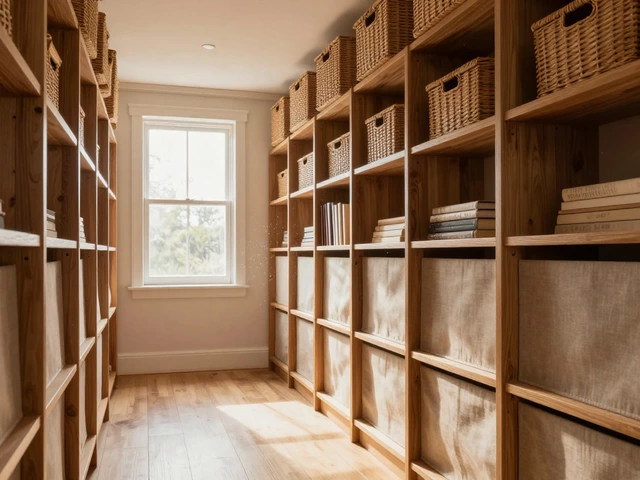
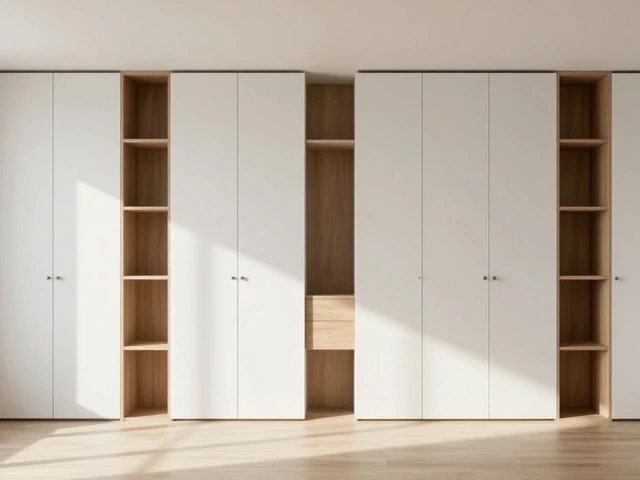
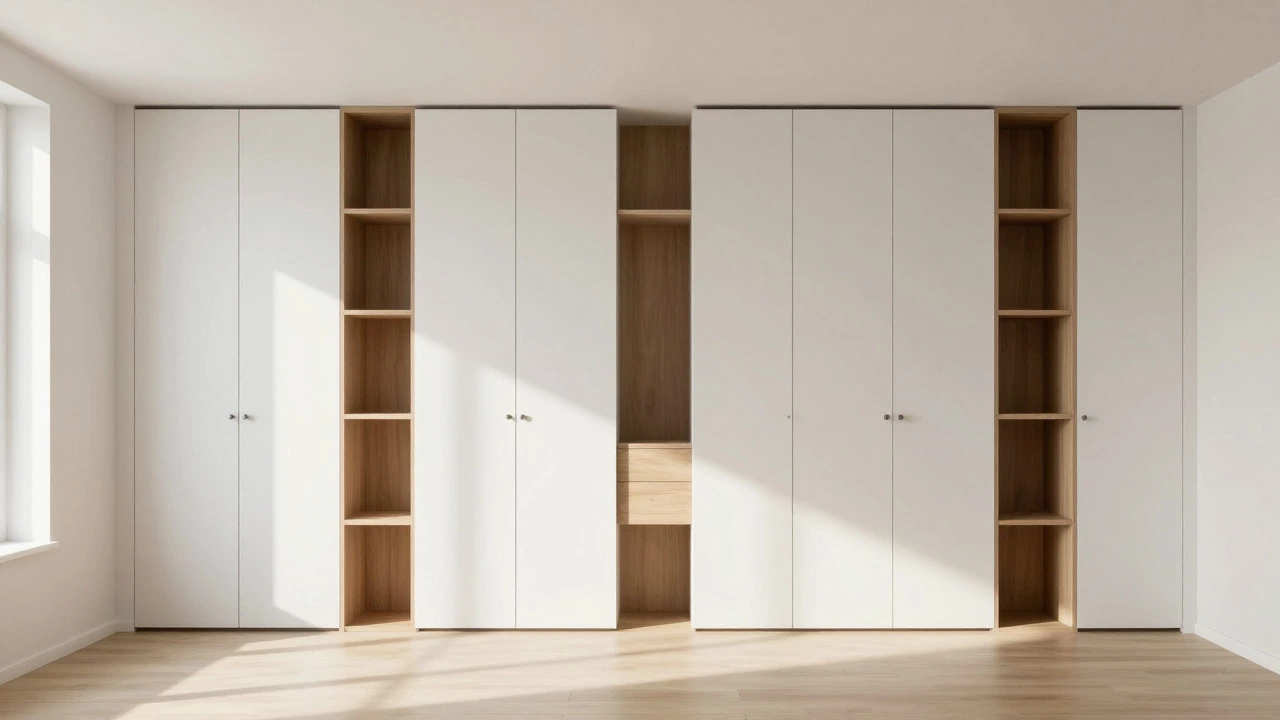
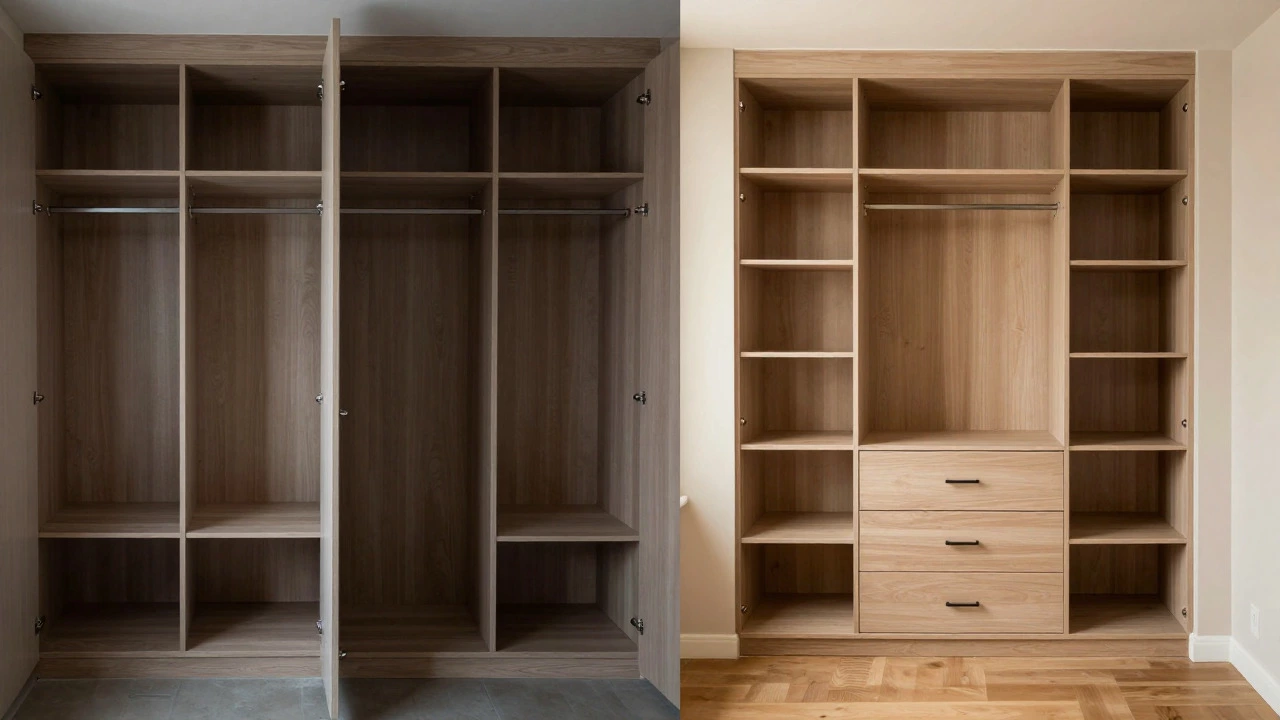
The primary argument for built-ins is spatial efficiency. Freestanding furniture has gaps. There’s always that annoying inch between the back of your sofa and the wall, or the empty vertical space above a standard wardrobe that goes unused. Built-in storage eliminates these dead zones by extending from floor to ceiling and wall to wall.
In Auckland, where housing prices remain high and unit sizes are often compact, every square meter counts. A built-in robe can reclaim up to 15% more usable storage volume than a freestanding wardrobe of the same footprint because it doesn’t require clearance for doors to swing open if you use sliding mechanisms or push-to-open systems. More importantly, they utilize awkward spaces that freestanding units ignore. Think about the alcove behind a door, the narrow strip beside a fireplace, or the triangular space under a slanted roofline. Custom joinery turns these "useless" corners into functional drawers, shelves, or cabinets.
This isn't just about tidiness; it's about psychology. When storage is hidden and seamless, rooms feel larger. Your brain isn't processing multiple objects (the cabinet, the gap, the items on top); it sees one continuous surface. This visual continuity makes even small apartments feel airy and designed rather than cramped and stuffed.
Cost Breakdown: What Are You Actually Paying For?
Let’s talk money, because this is where most people get sticker shock. Built-ins are significantly more expensive than buying off-the-shelf furniture from retailers like IKEA, Kmart, or local hardware stores. But comparing them directly is like comparing a tailored suit to an off-rack jacket. You’re paying for different things.
| Item Type | Freestanding (Mid-Range) | Built-In (Custom) | Key Differences |
|---|---|---|---|
| Master Wardrobe (2m wide) | $800 - $1,500 | $3,500 - $6,000 | Custom includes design, materials, labor, and site prep. |
| Kitchen Pantry Unit | $400 - $900 | $2,000 - $4,500 | Built-ins integrate with cabinetry lines and flooring. |
| Living Room Bookshelf | $300 - $700 | $1,500 - $3,000 | Custom allows for specific display niches and lighting. |
| Home Office Desk & Storage | $500 - $1,200 | $2,500 - $5,000 | Built-ins offer cable management and ergonomic height. |
Why the price jump? First, there’s the design phase. You need a joiner or designer to measure, draft plans, and source materials. Second, material quality matters. While you can build cheap built-ins with particle board, most homeowners opt for plywood, MDF, or solid timber for durability, which costs more. Third, and perhaps biggest, is labor. Installing built-ins requires skilled tradespeople-carpenters, electricians (for integrated lighting), and sometimes plasterers to patch walls afterward. In New Zealand, skilled labor rates have risen steadily, making manual craftsmanship a premium service.
However, consider the lifecycle cost. A cheap particle-board wardrobe might warp, sag, or fall apart after five years of heavy use. A well-built plywood unit with soft-close hinges can last twenty years or more. When you amortize the cost over two decades, the annual expense difference shrinks considerably.
Resale Value: Do Buyers Care?
If you view your home as an asset, built-ins are a strong selling point. Real estate agents consistently report that homes with high-quality fitted storage sell faster and often at higher prices. Why? Because buyers hate moving boxes. They see a home with ample, organized storage and immediately imagine their own life fitting into it without the hassle of buying new furniture.
In competitive markets like Auckland’s North Shore or Central City, features like walk-in robes, sculleries, and dedicated mudrooms with built-in cubbies are not just nice-to-haves; they are expected. A study by the Real Estate Institute of New Zealand suggests that kitchen renovations and bathroom upgrades yield the highest returns, but clever storage solutions come in a close third. They add perceived luxury without requiring structural changes to the house’s footprint.
That said, personal taste plays a role. If you choose bold colors, unusual textures, or highly specific configurations (like a wine rack shaped like a tree), you might alienate some buyers. Neutral tones, clean lines, and flexible shelving appeal to the widest audience. Always think like a buyer when designing custom work.
The Hidden Headaches: Timeline and Disruption
Here’s the part brochures don’t tell you: built-ins take time. And they make a mess. If you’re planning to install them while living in the house, prepare for disruption. Carpenters will need access to power, space to cut materials, and likely, your patience.
Lead times vary. Simple projects might take four to six weeks from design to installation. Complex jobs involving custom millwork, special orders for handles or glass, or coordination with other trades (like plumbers for a wet bar) can stretch to three months or more. During installation, expect dust. Even with careful sealing, cutting wood creates fine particles that settle everywhere. You’ll need to cover floors, move furniture out of the way, and possibly stay elsewhere for a weekend if the work is extensive.
There’s also the issue of permanence. Once those cabinets are screwed into the wall and painted to match the trim, they’re staying. If you change your mind about the layout in two years, removing them means repairing drywall, repainting, and potentially losing money on the removal itself. Unlike a bookcase you can push against a different wall, built-ins lock your design choices in place.
When Built-Ins Make Sense (And When They Don’t)
To help you decide, let’s look at specific scenarios. Not every room needs custom work, and not every budget should go toward joinery.
- Definitely Worth It: Small bedrooms where every inch counts. Here, built-in robes maximize vertical space and eliminate tripping hazards from swinging doors.
- Definitely Worth It: Entryways and mudrooms. These high-traffic areas benefit from durable, fixed storage for shoes, coats, and bags that won’t tip over or get pushed aside.
- Definitely Worth It: Kitchens. Integrated pantries and appliance garages create a streamlined look and protect expensive gadgets from dust and grease.
- Maybe Skip It: Living rooms with large windows. Blocking natural light with floor-to-ceiling cabinets can make a room feel dark. Consider low-profile media units instead.
- Maybe Skip It: Rental properties. Unless you have permission and a plan to recoup costs, avoid permanent alterations. Landlords rarely compensate for custom fixtures.
- Maybe Skip It: Rooms you plan to reconfigure soon. If you’re unsure about your lifestyle needs (e.g., expecting a child, starting a home business), wait until your requirements are clear.
DIY vs. Professional Installation
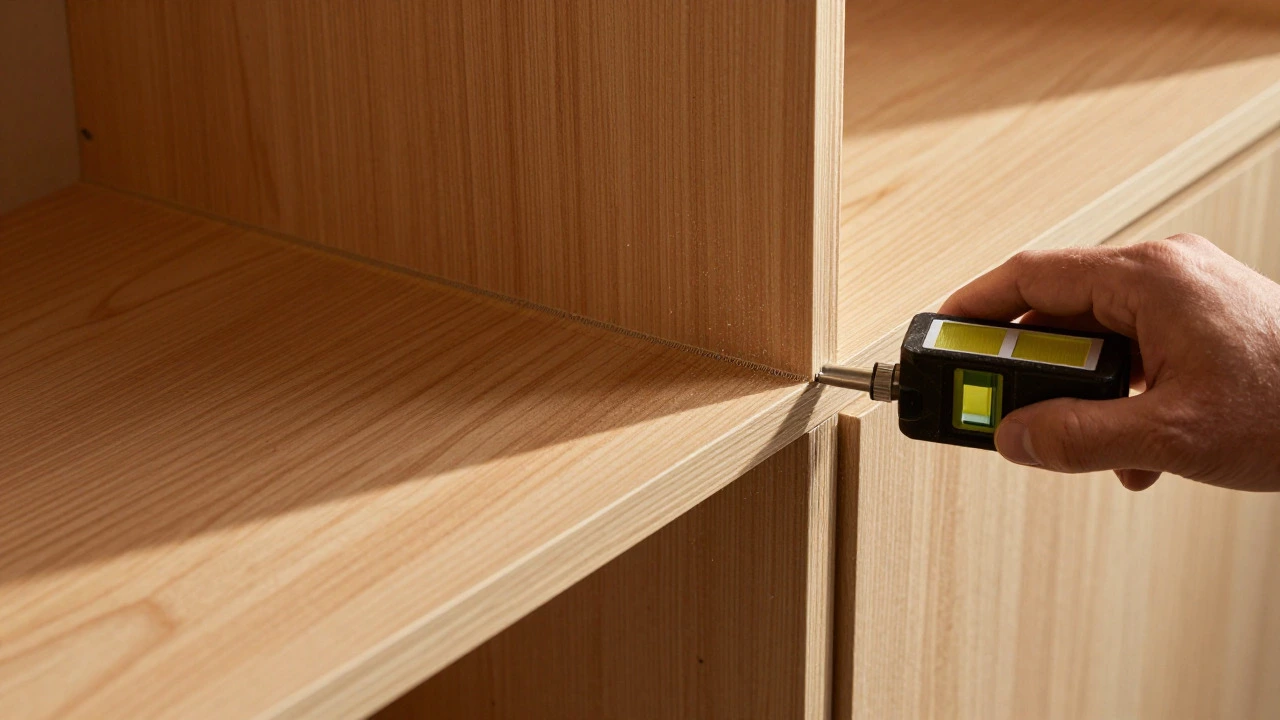
Can you save money by doing it yourself? Technically, yes. Kits exist for simple shelf brackets and basic cabinet frames. But true built-ins require precision. Walls in older homes, especially in Auckland’s heritage districts, are rarely perfectly straight or level. A professional joiner knows how to "sight" a room-identifying the highest point of the floor and the plumbest line of the wall-and adjust the framework accordingly. If you try to force a square cabinet into an uneven space, you’ll end up with gaps that look amateurish and doors that stick.
Moreover, safety matters. Heavy upper cabinets must be anchored securely to studs or masonry. Improper installation can lead to collapse, posing serious injury risks. For anything above waist height, hire a pro. For lower units, if you’re handy with tools and have experience reading blueprints, you might tackle simpler components, but factor in the cost of renting specialized tools like laser levels and track saws.
Making the Most of Your Investment
If you decide to go ahead, here’s how to ensure your built-ins deliver maximum value. First, prioritize flexibility. Ask your joiner to install adjustable shelving pins rather than fixed shelves. This lets you adapt the space as your needs change-from storing tall vases to stacking flat files. Second, integrate lighting. LED strips inside cabinets or under shelves add drama and functionality, making it easier to find items in deep cupboards. Third, choose hardware wisely. Soft-close hinges and drawer slides cost a bit more upfront but drastically improve daily usability and reduce wear and tear. Finally, think vertically. Use the full height of the room. Store seasonal items like winter coats or holiday decorations on the highest shelves, accessible only via a sturdy step stool, keeping everyday items at eye level.
Built-ins are more than just storage; they’re an extension of your home’s architecture. Done right, they disappear into the background, allowing your life to unfold smoothly within them. Done wrong, they’re expensive, immovable mistakes. Weigh the costs, consider your timeline, and visualize your future self using that space. If the answer brings you peace of mind, then yes-they’re absolutely worth it.
How much does it cost to build a custom wardrobe in New Zealand?
In New Zealand, a custom built-in wardrobe typically costs between NZD $3,500 and $6,000 for a standard 2-meter wide unit. Prices vary based on materials (plywood is cheaper than solid timber), complexity of internal fittings (drawers, tie racks, shoe shelves), and labor rates in your region. Auckland and Wellington tend to have higher labor costs compared to rural areas.
Do built-in shelves increase property value?
Yes, high-quality built-in storage generally increases property value. Real estate agents note that homes with ample, organized storage sell faster. Buyers appreciate the convenience and aesthetic appeal of seamless storage solutions, particularly in kitchens, bathrooms, and entryways. The return on investment depends on the quality of the workmanship and how well the design appeals to the broad market.
What is the difference between built-ins and freestanding furniture?
Built-ins are custom-made to fit specific spaces in your home, extending from floor to ceiling and wall to wall, eliminating gaps and maximizing storage. Freestanding furniture is mass-produced, movable, and often leaves unused space around it. Built-ins offer better space utilization and a cleaner look but are more expensive and permanent.
How long does it take to install built-in cabinets?
Installation timelines vary. Simple projects may take 4-6 weeks from design to completion, including manufacturing time. Complex installations involving multiple rooms, custom millwork, or coordination with other trades can take 3 months or more. Actual on-site installation usually takes 1-3 days depending on the scope of work.
Should I use plywood or MDF for built-in storage?
Plywood is generally stronger and more durable than MDF (Medium Density Fiberboard), making it better for load-bearing shelves and long-term use. MDF is smoother and cheaper, ideal for painted finishes, but it can swell if exposed to moisture and isn't as strong for screw retention. For high-humidity areas like bathrooms, marine-grade plywood or moisture-resistant MDF is recommended.