Storage Strategy Estimator
Select a storage strategy from the options below to see estimated costs, effort levels, and implementation details.
Floor-to-Ceiling Shelves
High ImpactRolling Slim Carts
Low CostStorage Beds
Dual PurposeOver-Door Organizers
Easy InstallPicture this: you walk into your hallway, but instead of moving forward, you have to navigate around a pile of shoes. You open the kitchen cabinet, and it’s jammed so tight with pots that nothing fits. If your home feels like a maze of clutter rather than a sanctuary, you are not alone. Many older homes or compact apartments were designed before the era of massive wardrobes and deep pantries. The good news? You don’t need to knock down walls or move out to fix this. You can build storage where there was none by looking up, using dead corners, and choosing smart furniture.
The core problem isn't just a lack of square footage; it's a lack of *vertical* and *hidden* volume. Most people focus on floor space, which is precious for living. To solve this, we shift our focus to the air above us and the awkward nooks we usually ignore. This guide breaks down exactly how to reclaim that lost space without making your home feel cramped.
Maximize Vertical Space
The biggest mistake homeowners make is stopping their shelves at eye level. In a standard room with 2.4-meter (8-foot) ceilings, you are wasting nearly half the wall space above your head. This empty zone is prime real estate for items you don’t use daily.
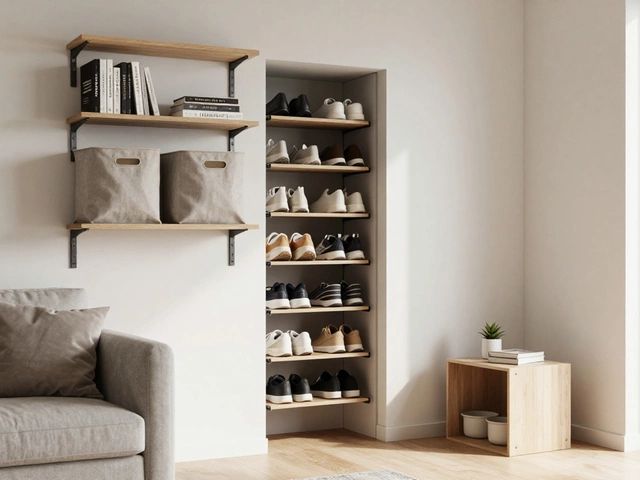
Installing floating shelves near the ceiling is one of the most effective ways to add capacity. These aren't just for display; they are for storage. Use uniform bins or baskets to store seasonal decor, extra bedding, or archival boxes. Because they are high up, they disappear from your daily view, keeping the room feeling airy while holding significant weight. Just ensure you anchor them into wall studs, not just drywall, to support the load.
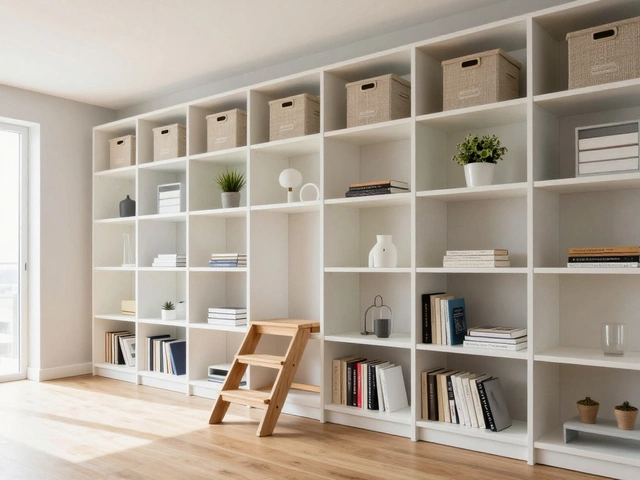
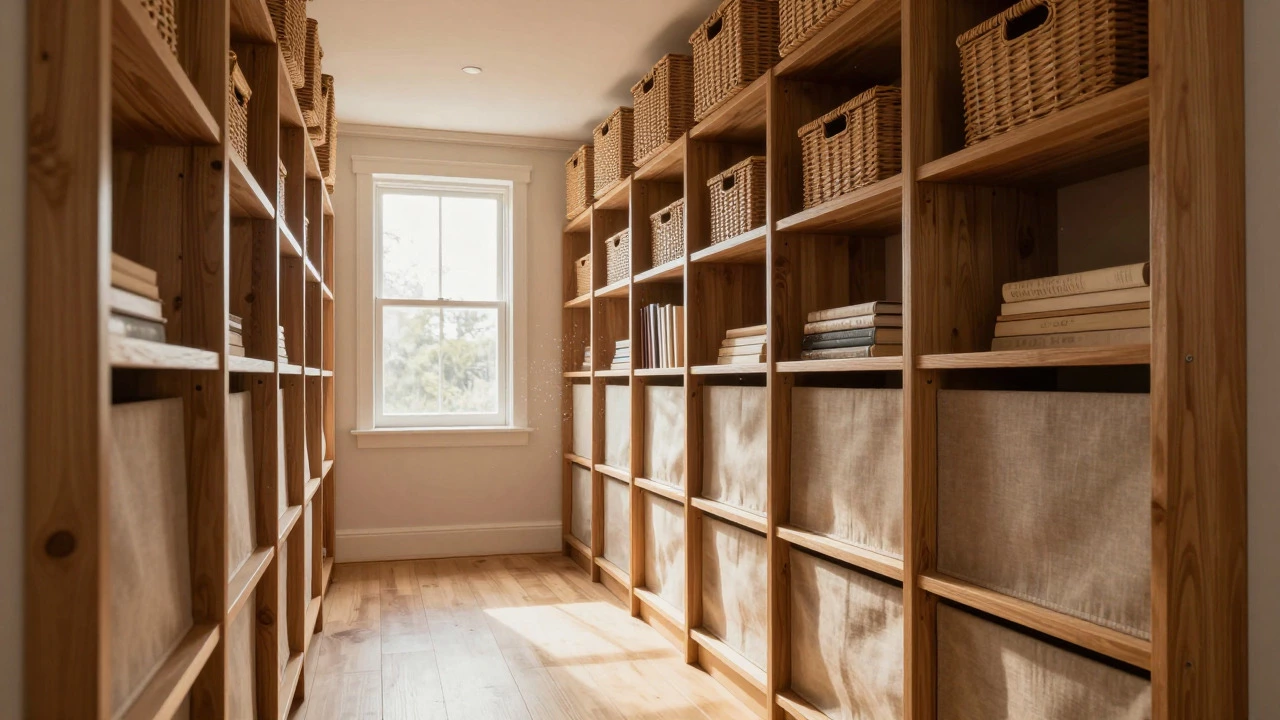
If floating shelves feel too exposed, consider floor-to-ceiling bookcases. Unlike traditional bookshelves that stop short, these units stretch all the way up. They create a visual line that draws the eye upward, making the room feel taller, while providing dozens of additional cubbies. For a cleaner look, choose units with closed doors or fabric-covered panels to hide the chaos inside.
Utilize Dead Corners and Nooks
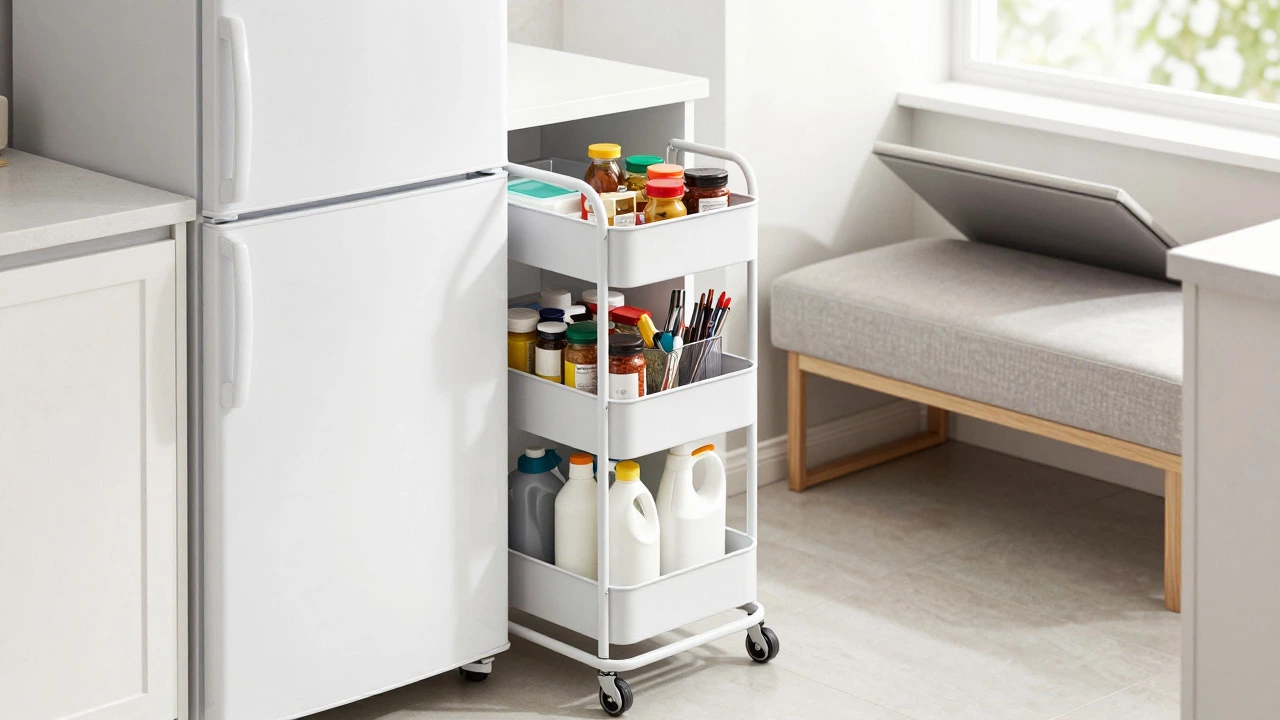
Every house has awkward spaces that seem useless. That narrow gap between the fridge and the counter? The odd alcove behind the front door? These "dead zones" are actually goldmines for storage if you treat them as custom projects.
For narrow vertical gaps, slim rolling carts or pull-out pantry organizers work wonders. You can slide these into spaces as thin as 15 centimeters. They turn a wasted sliver of wall into a functional drawer system for spices, cleaning supplies, or office stationery. The key is mobility; because they roll out, you can access items at the back without digging through a deep shelf.
In wider nooks, such as under stairs or in bay windows, think about built-in seating with hidden compartments. An ottoman bench with a lift-up lid provides comfortable seating during the day and a massive storage bin for toys or blankets at night. This dual-purpose approach ensures every piece of furniture earns its keep by serving two functions.
Choose Multi-Functional Furniture
In a home with limited storage, single-purpose furniture is a luxury you can't afford. Every chair, table, and bed should ideally offer hidden stowage. This strategy reduces the total number of items in your home, which directly reduces visual clutter.
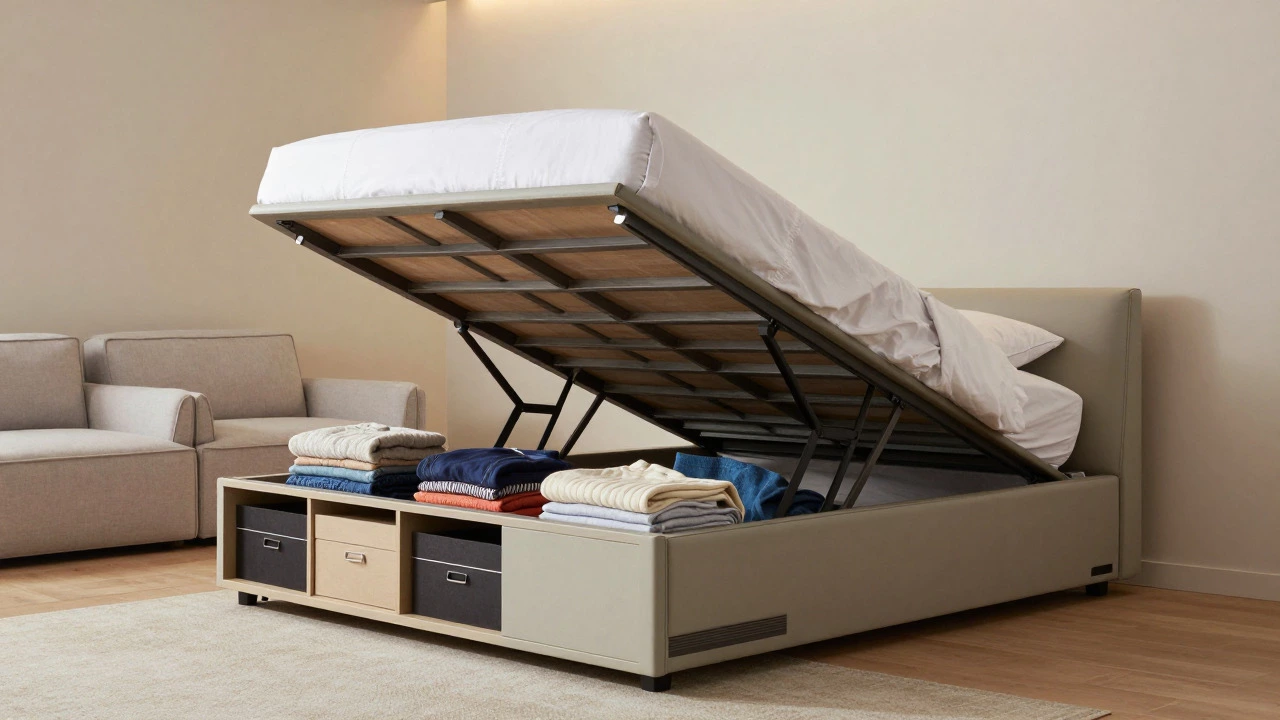
Start with the bedroom. A platform bed with integrated drawers underneath replaces the need for a separate dresser. Look for beds with hydraulic lifts that allow you to raise the mattress entirely, revealing a cavernous space perfect for off-season clothing or luggage. Similarly, nesting tables or drop-leaf desks can fold away when not in use, freeing up floor space for movement or play.
In the living area, consider coffee tables with internal shelving or magazine racks. Even better, opt for a modular sofa with storage cubes underneath. These pieces might cost slightly more upfront, but they eliminate the need for bulky sideboards or cabinets that eat up valuable floor area.
Implement Smart Closet Solutions
Closets are often the first place clutter accumulates because they are out of sight. However, most closets are poorly organized, with a single rod hanging low and little else. By reconfiguring the interior, you can double or even triple their capacity.
Install a second hanging rod below the main one. This allows you to hang shirts and pants on the lower rod, freeing up the upper rod for longer items like dresses or coats. Above both rods, install a shelf for folded sweaters or storage boxes. This simple change creates three distinct zones within the same footprint.
Don't forget the back of the closet door. Over-the-door hooks and pockets are inexpensive but highly effective. Use them for belts, scarves, jewelry, or even cleaning tools if it's a utility closet. Magnetic strips mounted inside the door frame can hold metal utensils or tools, keeping them accessible yet tidy.
| Strategy | Best For | Cost Level | Effort Required |
|---|---|---|---|
| Floor-to-Ceiling Shelves | Books, Decor, Bulk Items | Medium-High | High (Installation) |
| Rolling Slim Carts | Kitchen Spices, Office Supplies | Low | None |
| Storage Beds | Clothing, Linens, Luggage | Medium-High | Low (Assembly) |
| Over-Door Organizers | Accessories, Small Tools | Low | None |
Optimize Underutilized Areas
Beyond closets and shelves, there are specific areas in every home that are routinely ignored. Tackling these spots can yield surprising amounts of new storage without any major renovations.
Under-sink spaces in kitchens and bathrooms are notoriously difficult due to pipes. Instead of forcing square bins into round shapes, use adjustable shelving units designed specifically for plumbing obstructions. These units slide over the pipes, creating usable flat surfaces above and below the obstruction. It turns a dark, damp corner into a clean, accessible pantry or toiletry station.
Stair risers are another overlooked opportunity. If your stairs have solid risers, you can attach shallow drawers or magnetic racks to the sides. This is ideal for frequently used items like mail, keys, or charging cables, keeping them handy without cluttering entryway tables. For open-riser stairs, consider adding glass panels with small shelves attached, blending aesthetics with function.
Maintain Your New Storage System
Building storage is only half the battle. Without a system to maintain it, new spaces will quickly fill up with junk again. The goal is not just to have places to put things, but to curate what stays in your home.
Adopt the "one in, one out" rule. For every new item you bring into the house, remove an old one. This prevents accumulation from outpacing your storage capacity. Regularly audit your stored items-seasonal decorations, unused gadgets, and duplicate kitchenware-and donate or sell what you haven't used in a year.
Label everything. Clear labels on bins and boxes save time searching and encourage putting things back in their designated spot. When storage is intuitive, it’s sustainable. Remember, the best storage solution is the one you actually use consistently.
How much does it cost to add storage to a small house?
The cost varies widely depending on the method. Simple solutions like over-the-door organizers or rolling carts can cost under $50. Installing floor-to-ceiling shelves or custom built-ins can range from $500 to several thousand dollars, depending on materials and labor. Prioritize high-impact, low-cost options first, such as reorganizing closets and using vertical wall space.
Can I add storage without drilling holes in the walls?
Yes, there are many renter-friendly options. Tension rods can create shelves in closets or under sinks. Adhesive hooks rated for heavy loads can hold lightweight baskets. Freestanding bookcases and rolling carts require no installation at all. Command strips and similar products also allow for temporary mounting of lighter shelves.
What is the best type of storage for a tiny apartment?
Multi-functional furniture is essential in tiny apartments. Look for beds with storage, sofas with hidden compartments, and nesting tables. Vertical storage is also critical; use tall, narrow bookcases and wall-mounted shelves to keep the floor clear. Avoid bulky, single-purpose furniture that takes up space without offering stowage.
How do I organize irregularly shaped spaces?
Irregular spaces, like under stairs or in alcoves, often require custom solutions. Consider building custom cabinetry that fits the exact dimensions, or use modular storage systems that can be configured to fit awkward angles. For smaller nooks, flexible containers like fabric bins or adjustable wire baskets can adapt to the shape better than rigid boxes.
Is it worth hiring a professional organizer?
If you struggle with decluttering or don't know where to start, a professional organizer can provide immense value. They offer expert advice on layout, product selection, and maintenance systems. While there is a cost, it can save you time and money by preventing poor purchasing decisions and ensuring long-term sustainability of your storage plan.