Rug Material Recommendation Tool
Fill in your details and click Get My Recommendation to see how each material scores for your space.
Why this material fits your space.
You want a rug that looks expensive, feels soft underfoot, and lasts for years without fraying. But walking into a showroom or scrolling through online stores reveals a confusing array of materials: wool, cotton, nylon, jute, sisal, and silk. Which one is actually the best quality?
The short answer? There isn't one single "best" material. The right choice depends entirely on where you put the rug, how much traffic it gets, and your budget. A wool rug in a living room is a classic for a reason, but it might rot in a bathroom. A jute rug adds great texture to a bedroom but will wear thin quickly in a high-traffic hallway.
This guide breaks down the top materials used in high-quality rugs, explaining exactly why they work (or don't) in specific rooms. We’ll look at durability, maintenance, cost, and feel so you can make a decision that saves you money and regret.
Wool: The Gold Standard for Durability and Comfort
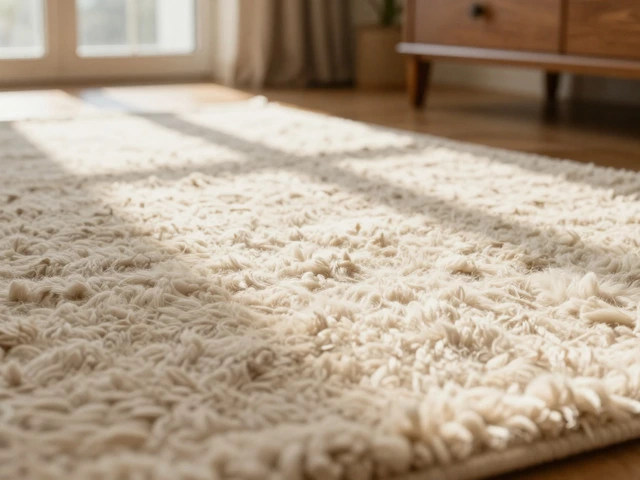
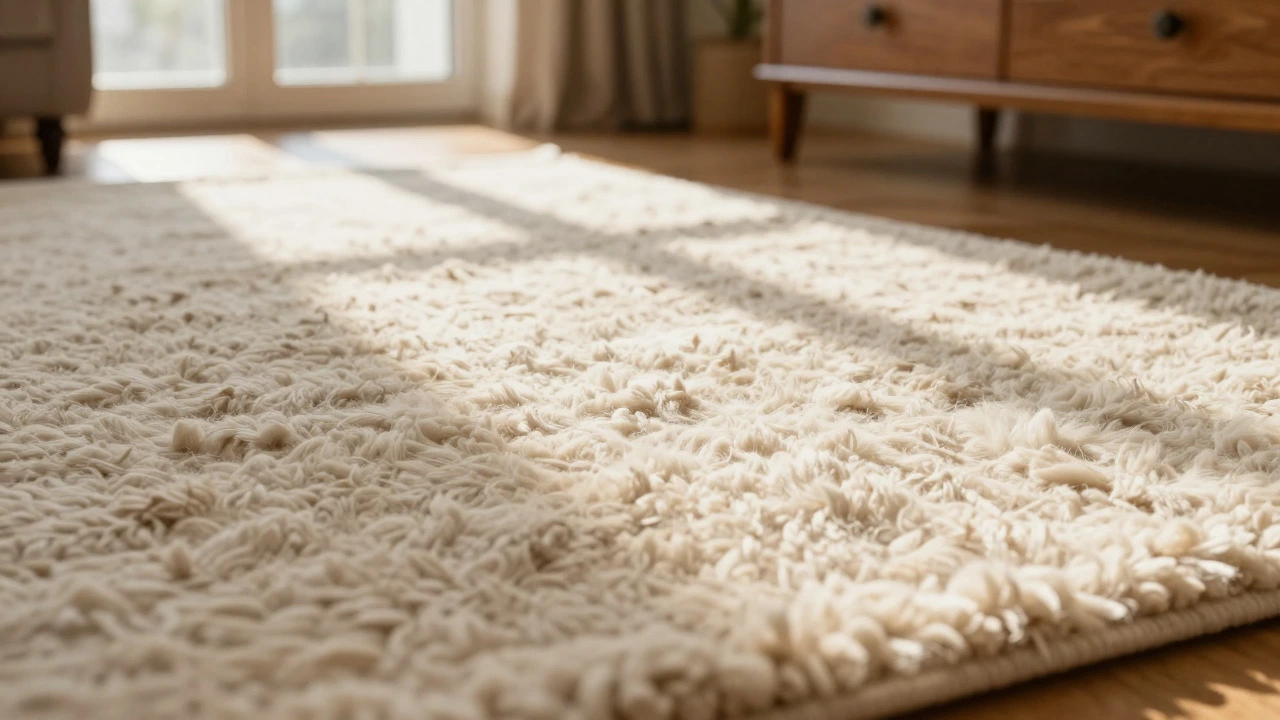
Wool is a natural fiber derived from sheep, known for its exceptional elasticity, insulation properties, and resistance to stains. If you ask interior designers what the best all-around rug material is, most will say wool immediately. It’s not just a marketing term; it’s physics. Wool fibers are naturally crimped, which means they bounce back after being compressed by heavy furniture or feet. This makes wool rugs incredibly long-lasting.
Wool also has a natural lanolin coating that repels water and dirt. Spill coffee on a wool rug? It often sits on the surface rather than soaking in immediately, giving you time to blot it up. Plus, wool is hypoallergenic and doesn’t hold onto dust mites as aggressively as synthetic fibers do, making it a great choice for households with allergies.
The downside? Price. High-quality wool rugs are expensive. You’re paying for a product that can last 10-20 years if cared for properly. For low-traffic areas like bedrooms or studies, wool is unbeatable. For entryways with muddy shoes, you might still need a tougher option.
Jute and Sisal: Natural Texture on a Budget
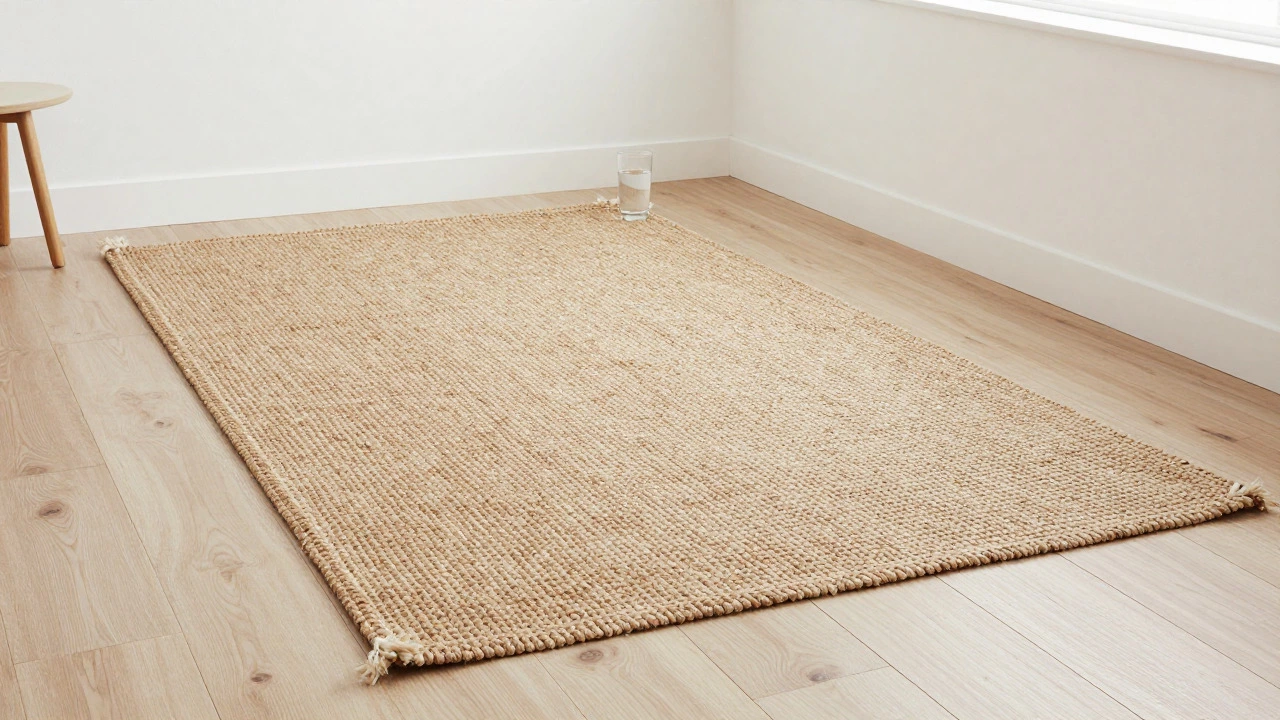
If you love the boho or coastal aesthetic, you’ve likely seen Jute is a coarse, brown fiber extracted from the bark of the jute plant, valued for its rustic appearance and biodegradability. Jute rugs are affordable, eco-friendly, and add a warm, earthy texture to any space. They pair beautifully with light wood floors and white walls.
Sisal, another natural fiber from agave plants, is similar to jute but slightly harder and more durable. Both materials are excellent for low-to-medium traffic areas. However, they have a major weakness: moisture. If you spill wine on a jute rug, it absorbs quickly and can stain permanently. Avoid using these in kitchens, bathrooms, or homes with young kids who drop food constantly.
Cleaning them is tricky too. You generally shouldn’t vacuum with a beater bar, as it can pull out the loose fibers. A gentle suction setting works best. If you’re looking for a quick, stylish update for a guest room or a sunroom, jute is a fantastic value pick.
Silk: Luxury and Luster for Formal Spaces
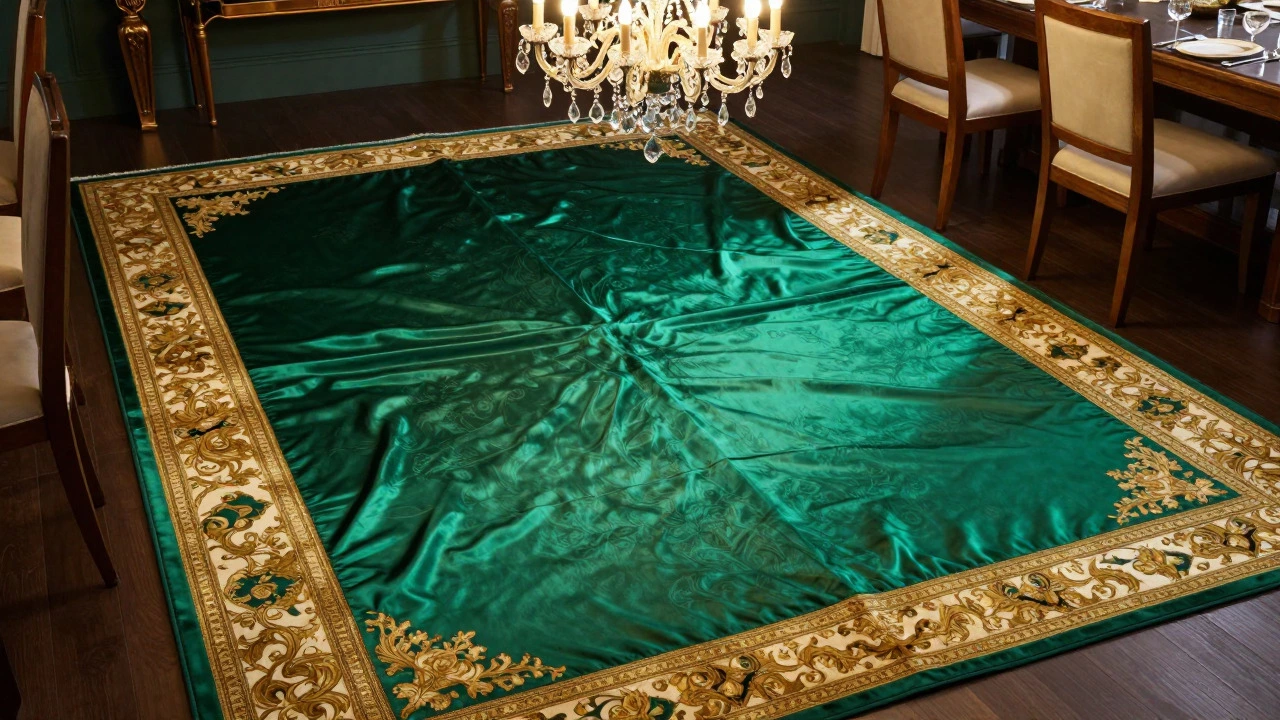
Silk is a protein fiber produced by silkworms, prized for its smooth texture, high luster, and ability to reflect light. Silk rugs are the pinnacle of luxury. They catch the light differently than wool or cotton, creating subtle color shifts that make patterns look alive. If you have a formal dining room or a foyer where you want to make a statement, silk delivers.
But let’s talk reality. Silk is delicate. It scratches easily, especially under sharp furniture legs. It’s also expensive-often costing three to five times more than a comparable wool rug. Maintenance is strict: professional cleaning only, no harsh chemicals, and careful spot treatment. If you’re comfortable with high-maintenance luxury, silk is worth it. If you want a set-and-forget floor covering, skip it.
Synthetic Fibers: Nylon, Polyester, and Polypropylene
Not everything needs to be natural. Synthetic rugs have come a long way in the last decade. They are often cheaper, easier to clean, and highly durable. Let’s break down the big three:
- Nylon: The workhorse of synthetic rugs. It’s tough, elastic, and resistant to abrasion. Great for high-traffic areas like hallways and family rooms. Modern nylon is also solution-dyed, meaning the color goes all the way through the fiber, so fading is less of an issue.
- Polyester: Softer than nylon and holds vibrant colors well. It’s hydrophobic, so it resists water stains. However, it’s less elastic than nylon, so it can mat down over time in high-traffic zones. Good for bedrooms or offices.
- Polypropylene (Olefin): The most affordable option. It’s lightweight, easy to clean, and resistant to mold and mildew. Perfect for outdoor use or basements. The trade-off is that it can pill (form small balls of fiber) over time and feels less plush than wool or nylon.
Synthetic rugs are ideal if you have pets or kids. Stains usually lift with a simple wipe-down. Just know that they may not age as gracefully as natural fibers-they tend to look either brand new or worn out, with less character in between.
Material Comparison: Which One Fits Your Room?
To help you decide, here’s a quick comparison of the top materials based on key factors. Use this table to match the rug to your specific room needs.
| Material | Durability | Softness | Stain Resistance | Best For | Price Range |
|---|---|---|---|---|---|
| Wool | High | Very High | Medium-High | Living Rooms, Bedrooms | $$ - $$$ |
| Jute | Low-Medium | Low | Low | Bedrooms, Sunrooms | $ |
| Silk | Medium | High | Low | Dining Rooms, Foyers | $$$$ |
| Nylon | Very High | Medium | High | Hallways, Family Rooms | $ - $$ |
| Polypropylene | Medium | Low-Medium | High | Outdoor, Basements | $ |
How to Spot Quality in Any Material
Regardless of the material, not all rugs are created equal. Even a cheap wool rug can be poorly made. Here’s how to check quality before you buy:
- Check the Knot Density: Higher knot counts mean a tighter weave. For hand-tufted rugs, aim for at least 30 knots per square inch. Hand-knotted rugs should have 64+ knots per square inch. You can count knots by flipping the rug over and counting the number of ends in a one-inch square.
- Feel the Pile: Run your hand across the surface. It should feel consistent. If some areas feel shorter or thinner, the weaving is uneven.
- Inspect the Edges: Frayed or loose edges indicate poor finishing. Look for serged edges or bound hems that are tight and secure.
- Smell It: Strong chemical smells can indicate off-gassing from dyes or adhesives. Natural fibers should smell neutral or slightly earthy.
Also, pay attention to the backing. A rubberized backing prevents slipping but can trap heat and moisture. A cotton or jute backing breathes better but may slide on hard floors. Consider using a non-slip pad underneath regardless of the backing type.
Maintenance Tips for Longevity
Even the best material won’t last if you ignore basic care. Here are some pro tips to keep your rug looking fresh:
- Vacuum Regularly: Aim for twice a week in high-traffic areas. Turn off the beater bar for delicate natural fibers like silk or jute.
- Rotate Seasonally: Flip your rug 180 degrees every six months. This ensures even wear, especially if sunlight hits one side more than the other.
- Blot, Don’t Rub: When cleaning spills, always blot from the outside in. Rubbing pushes dirt deeper into the fibers.
- Use a Rug Pad: A good pad cushions the rug, extends its life, and prevents it from sliding. It’s a small investment that pays off in comfort and durability.
For wool and silk, consider professional cleaning once a year. For synthetics, a DIY shampooer might be enough if you follow the manufacturer’s instructions.
Frequently Asked Questions
Is wool really worth the extra cost compared to synthetic rugs?
Yes, if you plan to keep the rug for more than five years. Wool lasts longer, feels softer, and ages better than most synthetics. While the upfront cost is higher, the cost-per-year is often lower when you factor in replacement frequency. For high-traffic areas where you want longevity and comfort, wool is a smart investment.
What is the easiest rug material to clean?
Polypropylene (olefin) and nylon are the easiest to clean. They resist stains well and can often be cleaned with a damp cloth or mild detergent. Wool is also relatively easy to maintain due to its natural stain resistance, but it requires more care than synthetics. Avoid jute and silk if you want minimal effort.
Can I use a jute rug in a kitchen?
It’s not recommended. Jute is absorbent and prone to staining. Kitchen spills (oil, sauce, water) can damage the fibers permanently. If you want a natural look in the kitchen, consider a tightly woven cotton or a synthetic rug designed for wet areas. Always use a non-slip pad to prevent accidents.
Which rug material is best for pet owners?
Nylon or polypropylene are the best choices for pet owners. They are durable, resist scratching, and are easy to clean. Look for rugs with a tight weave to prevent claws from catching. Avoid loose-weave jute or delicate silk, as pets can easily damage them. Also, consider a rug with a stain-resistant finish for added protection.
How do I know if a rug is made of real wool?
Check the label for fiber content. Reputable sellers will clearly state "100% New Zealand Wool" or similar. You can also perform a burn test: take a small tuft from the edge and burn it. Wool smells like burning hair and leaves a crumbly ash. Synthetics smell like plastic and melt into a bead. Be cautious with this test on valuable rugs.