Sofa Fabric Durability & Lifestyle Matcher
Answer these questions to find out which fabric grade and type is best for your living room.
Recommended Grade:
--Double Rub Count: --
Top Pick:
--
Why this choice?
Pro Tip
Other Good Options:
You just spent thousands on a sofa. The frame is solid oak, the cushions are high-density foam, and it looks like a million bucks in the showroom. Then, six months later, you notice the armrests looking shiny and worn, or worse, a small tear from your dog’s claws. What went wrong? Usually, it wasn’t the construction; it was the fabric choice.
Most people pick sofas based on color or texture alone. But upholstery has a hidden grading system that tells you exactly how long that pretty pattern will last. It’s not just about what feels soft to the touch; it’s about abrasion resistance, pilling, and whether it can survive real life. If you’re shopping for a new couch, understanding sofa fabric grades isn't optional-it's essential for protecting your investment.
The Secret Language of Upholstery: Double Rubs
When salespeople talk about "heavy-duty" or "commercial grade," they’re usually referring to a specific test result called Martindale cycles or Wyzenbeek double rubs. Think of this as the mileage rating for your fabric. In North America, the industry standard is the Wyzenbeek test, which uses a machine to rub the fabric back and forth until it wears out. One back-and-forth motion equals one double rub.
Here is the breakdown you need to know before signing a check:
- Light Duty (Under 15,000 double rubs): This is decorative stuff. Think throw pillows or a chair you sit in once a week. Do not put this on your main living room sofa unless you live alone and never have guests.
- Medium Duty (15,000 - 30,000 double rubs): This is the sweet spot for most households with one or two adults. It handles daily sitting but might show wear on the arms after five years if you lean heavily.
- Heavy Duty (30,000 - 50,000 double rubs): Recommended for families with kids or pets. This fabric resists abrasion well and maintains its look for a decade or more under normal use.
- Extra Heavy Duty (Over 50,000 double rubs): Commercial grade. You see this in hotels, offices, and busy family rooms. It’s tough, often less breathable, but practically indestructible.
Why does this matter? Because a cheap cotton canvas might feel great initially but only rates at 8,000 double rubs. It will shred at the seams within two years of daily use. A performance polyester blend rated at 40,000 double rubs might feel slightly less natural but will outlast three cheaper sofas combined.
Natural vs. Synthetic: The Great Debate
There is a persistent myth that natural fibers are always better. That’s only half true. Natural fibers breathe beautifully and age with character, but they lack inherent durability without chemical treatments. Synthetics are engineered for resilience but can trap heat. Let’s break down the common contenders by their actual performance attributes.
| Fabric Type | Durability (Double Rubs) | Cleanability | Best For | Pain Point |
|---|---|---|---|---|
| Linen | Low to Medium (10k-25k) | Hard to clean; stains set quickly | Formal living rooms, hot climates | Wrinkles easily; expensive |
| Cotton | Medium (15k-30k) | Moderate; depends on weave tightness | Budget-friendly homes, casual style | Fades in sunlight; pills over time |
| Leather | High (Varies by hide quality) | Easy wipe-down; needs conditioning | Allergies, modern aesthetics | Scratches from pets; sticky in summer |
| Microfiber | Very High (30k-50k+) | Excellent; stain-resistant | Homes with kids/pets | Can feel synthetic; attracts lint |
| Velvet | Variable (Synthetic velvet is higher) | Moderate; hides dirt well | Cozy, luxurious vibes | Crushes over time; traps pet hair |
Linen: The Beautiful Nightmare
People love linen because it looks expensive and feels cool against the skin. It’s derived from flax plants and is naturally strong. However, pure linen wrinkles instantly. If you flop onto your sofa after work, you’ll look like you slept in a tent. Furthermore, linen absorbs liquids rapidly. Spill a glass of red wine, and you’re likely looking at a permanent mark unless you treat it immediately. Choose linen blends-mixing linen with polyester or rayon-to boost durability while keeping some of that natural charm.
Cotton: The Everyday Workhorse
Cotton is affordable and comes in infinite patterns. But here’s the catch: loose weaves pill (those little fuzz balls) quickly. Tighter weaves, like duck cloth or canvas, hold up better. If you choose cotton, look for a high thread count or a blended composition. Pure cotton also fades faster than synthetics when exposed to direct sunlight, so keep those curtains closed during peak Auckland afternoon sun.
Leather: Not All Hides Are Created Equal
When discussing leather, we aren't talking about vinyl. Real leather is graded by thickness and finish. Top-grain leather is durable and ages well, developing a patina. Full-aniline leather is softer but scratches easily. Bonded leather is essentially scrap pieces glued together with polyurethane; it peels and cracks within a few years. Avoid bonded leather for main seating areas. If you have cats, leather is risky-their claws puncture it easily. Dogs are generally fine, provided you keep their nails trimmed.
The Rise of Performance Fabrics
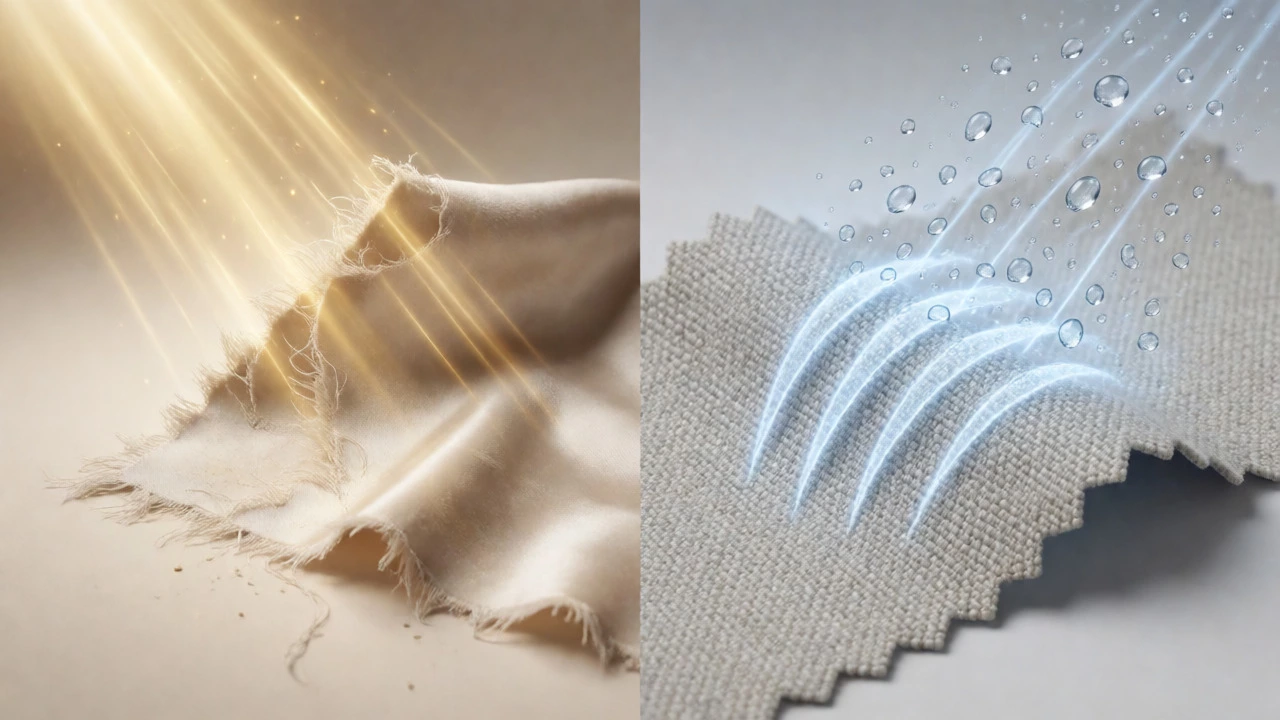
If you want the look of linen or cotton but the durability of nylon, performance fabrics are your answer. Brands like Crypton, Sunbrella, and Revolution create tightly woven synthetic materials treated with moisture barriers. These fabrics repel water, resist stains, and often inhibit mold and bacteria growth.
How do they work? The fibers are spun extremely fine, creating a dense surface that liquids sit on top of rather than soaking into. You can literally spill coffee on them, blot it up, and walk away. They typically rate above 40,000 double rubs. The downside? They cost more upfront. A performance fabric sofa might be 20-30% pricier than a standard cotton one. But consider the replacement cost. If a standard sofa lasts 5 years and a performance one lasts 15, the math favors the premium option.
One popular type is Microfiber, which is a synthetic material made from ultra-fine polyester threads. It mimics the softness of suede or velvet but cleans much easier. It’s ideal for households where messes are inevitable. Just be aware that microfiber acts like a magnet for pet hair. You’ll spend more time vacuuming, but the fabric itself won’t degrade.
Matching Fabric to Your Lifestyle
Don’t buy a fabric grade; buy a solution for your specific chaos. Here is a quick decision tree to help you narrow it down.
- The Pet Owner: Go for dark-colored microfiber or tight-weave polyester. Avoid light colors and open weaves (like burlap) that snag on claws. Leather is okay for dogs but bad for cats.
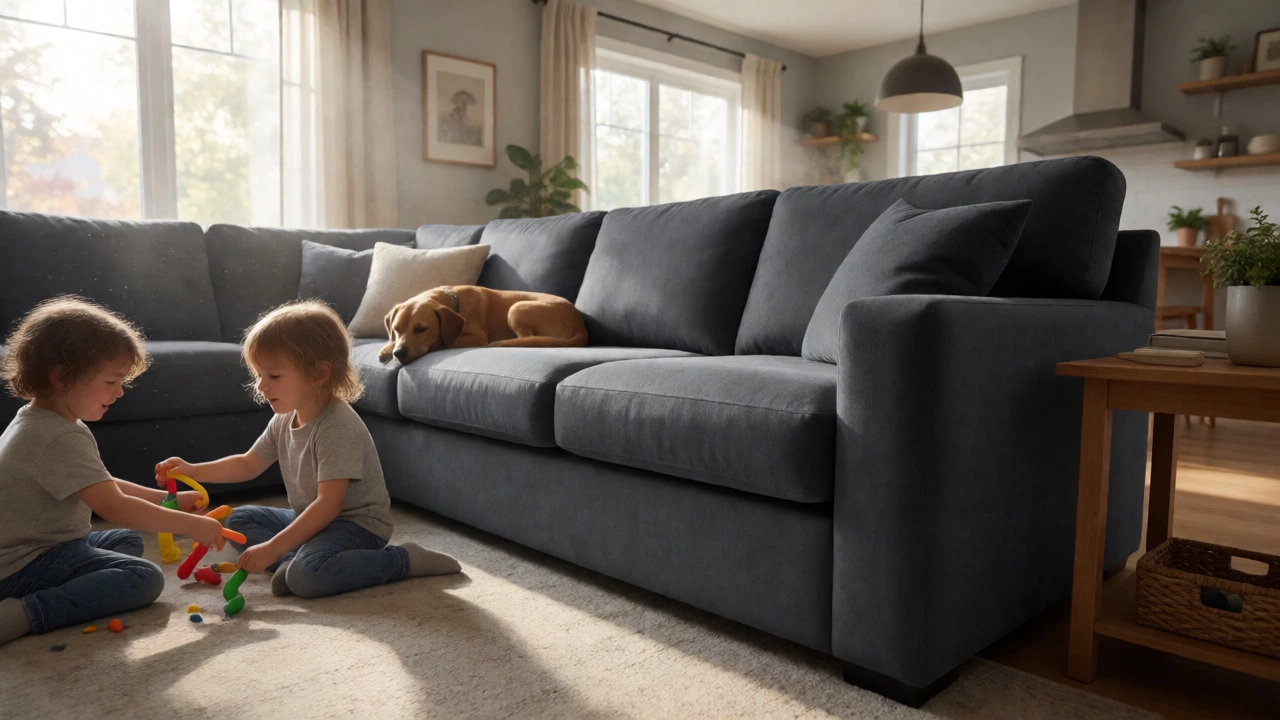
- The Family with Young Kids: Performance fabric is non-negotiable. Look for bleach-cleanable options. Navy blue or charcoal gray hides crayon marks and juice spills better than beige.
- The Sunroom:** Direct UV rays destroy dyes. Use solution-dyed acrylics (like Sunbrella) or outdoor-rated fabrics indoors. Cotton and linen will fade noticeably within two years in full sun.
- The Formal Guest Room: You can afford lower durability grades here. Silk, velvet, or high-end linen works because usage is low. Prioritize aesthetics over abrasion resistance.
Color and Pattern: Hiding Wear in Plain Sight
Durability isn’t just about fiber strength; it’s about visual forgiveness. A solid white fabric shows every smudge. A busy floral print hides stains and pilling effectively. Mid-tones like taupe, slate, and olive green are statistically the best at concealing daily wear. Dark colors absorb heat, making the sofa uncomfortable in summer, while very light colors show dirt. Patterns distract the eye from minor imperfections like crushed velvet pile or slight fading.
Also, consider the sheen. Matte fabrics hide scratches and wear better than glossy ones. A shiny satin finish will highlight every scuff mark on the armrests. Stick to matte or semi-matte finishes for high-traffic zones.
Final Checks Before You Buy
Before handing over your deposit, ask the retailer for the technical spec sheet. Don’t rely on vague terms like "durable." Ask specifically: "What is the Wyzenbeek double rub count?" If they don’t know, walk away. Inspect the sample swatch yourself. Rub it vigorously with your hand. Does it feel rough? Does it pull apart easily? Stretch it slightly to see if the weave opens up.
Remember, the best fabric is the one that matches your activity level. There is no single "best" grade. There is only the right grade for your home. If you value longevity and ease of cleaning, invest in heavy-duty synthetics. If you prioritize breathability and natural aesthetics, accept that you’ll replace the sofa sooner or pay for professional cleaning annually.
Is linen or cotton better for a sofa?
Neither is inherently "better" without context. Linen is stronger per weight and cooler to sit on, but it wrinkles severely and stains easily. Cotton is softer, cheaper, and comes in more patterns, but it pills and fades faster. For most living rooms, a cotton-linen blend offers a compromise between comfort and maintenance.
How many double rubs do I need for a family sofa?
For a household with children and/or pets, aim for at least 30,000 double rubs. This falls into the "heavy duty" category and ensures the fabric withstands daily friction from sitting, playing, and climbing without significant wear for several years.
Does microfiber attract pet hair?
Yes, microfiber tends to attract and hold pet hair due to static electricity and its textured surface. While it is highly durable and stain-resistant, you may find yourself vacuuming it more frequently than smoother fabrics like leather or tight-weave cotton.
Are performance fabrics worth the extra cost?
Generally, yes. Performance fabrics resist stains, moisture, and abrasion significantly better than standard upholstery. While the initial price tag is higher, their extended lifespan and reduced need for professional cleaning often make them more cost-effective over a 5-10 year period.
Which sofa fabric lasts the longest?
Synthetic fabrics like olefin, nylon, and high-grade polyester typically offer the highest abrasion resistance and colorfastness. Among natural materials, wool is surprisingly durable and resilient, though it requires careful cleaning. Leather, if properly maintained, can last decades, but it is susceptible to scratching.