Sofa Longevity Estimator
Why This Matters
The gap between a bargain-bin find and an heirloom piece can be twenty years or more. If you are trying to figure out if your current sofa is ready for retirement or if that expensive model is worth the price tag, look past the brand name and into the bones of the furniture.
You just spent three grand on a sectional, and six months later, the cushions look like sad pancakes. Or maybe you inherited your grandmother’s velvet armchair, which has survived four decades of tea stains and cat claws. So, what is the actual rule here? How many years should a sofa last? The honest answer isn’t a single number-it’s a range that depends entirely on what you bought, how hard you use it, and whether you rotate those cushions.
Most people expect their main living room couch to survive at least five years. But in reality, the gap between a bargain-bin find and an heirloom piece can be twenty years or more. If you’re trying to figure out if your current sofa is ready for retirement or if that expensive model is worth the price tag, you need to look past the brand name and into the bones of the furniture.
The Real Numbers: Low vs. High Quality
Let’s cut through the marketing fluff. Furniture manufacturers rarely publish exact expiration dates because they want you to buy again sooner rather than later. However, industry standards and consumer reports give us pretty clear benchmarks based on construction quality.
If you buy a budget sofa from a big-box retailer (think particleboard frames and low-density foam), you are looking at a lifespan of 3 to 5 years. These sofas are designed for temporary living situations-student rentals, first apartments, or guest rooms that see light traffic. The frame flexes, the springs sag, and the fabric pilling starts within the first winter.
Mid-range sofas, typically costing between $1,000 and $2,500, usually last 7 to 10 years. This is the sweet spot for most homeowners. They often feature kiln-dried hardwood frames and higher-density foam. They won’t look brand new after half a decade, but they remain functional and comfortable enough to keep using without embarrassment.
High-end, custom-made sofas with solid hardwood frames, hand-tied springs, and natural fiber fillings (like down or wool) can easily last 15 to 25+ years. Yes, you read that right. A well-built sofa is an investment. It’s not just about comfort; it’s about structural integrity. When the frame doesn’t wobble, the rest of the components have a much better chance of surviving daily life.
| Quality Tier | Typical Price Range (NZD) | Expected Lifespan | Key Failure Point |
|---|---|---|---|
| Budget / Fast Furniture | $300 - $800 | 3 - 5 Years | Frame breakage, foam collapse |
| Mid-Range | $1,000 - $2,500 | 7 - 10 Years | Fabric wear, spring sagging |
| Premium / Custom | $3,000+ | 15 - 25+ Years | Upholstery staining (refurbishable) |
Why Your Sofa Is Dying Faster Than Expected
Even a premium sofa will fail early if you treat it like a trampoline. The biggest killer of furniture isn’t poor manufacturing; it’s misuse. Here is what actually shortens the timeline:
- Skipping Cushion Rotation: Most people sit in the same spot every day. That specific section of foam compresses permanently while the edges stay fluffy. Rotate your seat cushions weekly. Flip them if they are double-sided. This simple habit adds years to the life of the seating surface.
- Jumping and Roughhousing: We know kids love it. But jumping onto a sofa stresses the joinery. Even a solid wood frame has limits. If you have young children, consider a sofa with reinforced corner blocks and dowel joints rather than just staples and glue.
- Direct Sunlight: UV rays are brutal on upholstery. They break down fibers, causing colors to fade and fabrics to become brittle. If your sofa faces a large window, pull back the curtains during peak sun hours or choose performance fabrics rated for UV resistance.
- Lack of Cleaning: Dirt and oils from skin work their way into the fabric weave. Over time, this grime acts like sandpaper, wearing down the threads from the inside out. Vacuuming weekly prevents this abrasive buildup.
Anatomy of Durability: What Actually Breaks?
To understand longevity, you need to know what parts fail. It’s rarely the whole sofa dying at once. Usually, one component gives up, making the whole thing unusable.
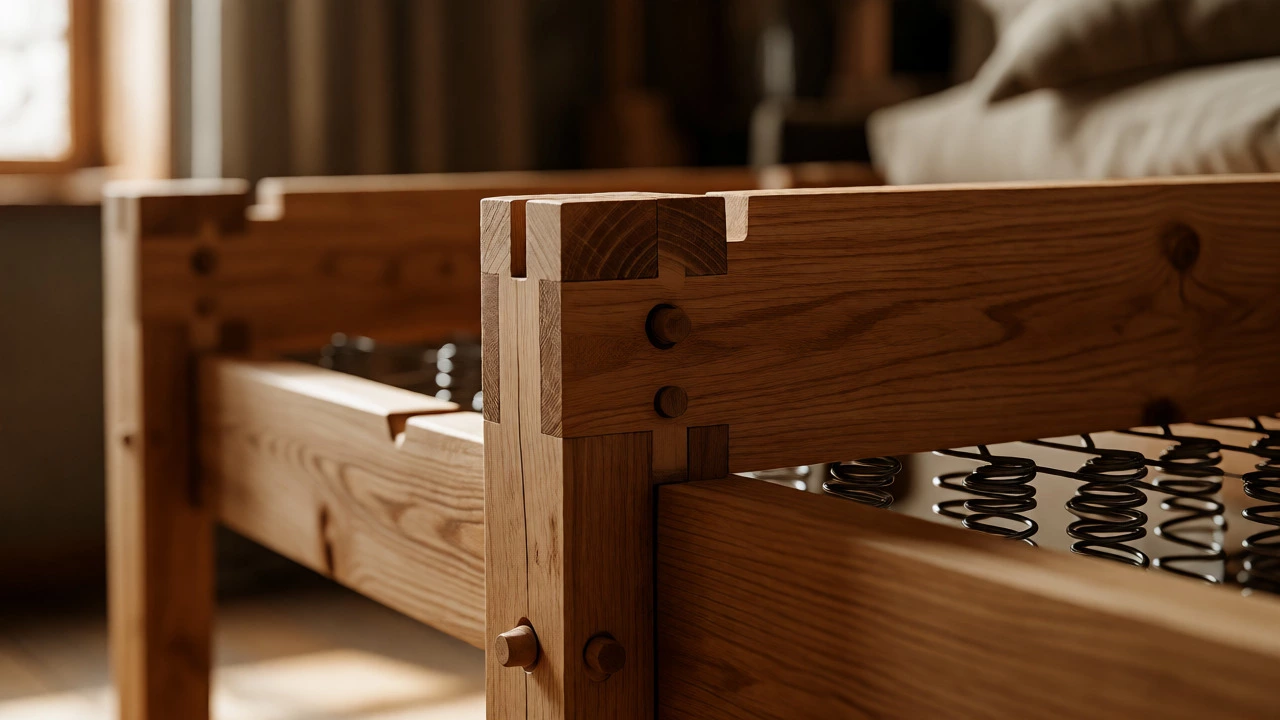
The Frame is the skeleton. A high-quality frame is made from kiln-dried hardwood (like oak, maple, or ash) joined with mortise-and-tenon or dowel connections. Cheap frames use plywood, particleboard, or softwoods like pine. Pine bends over time. Particleboard disintegrates if it gets damp. If you hear creaking or feel wobbling when you stand up, the frame is compromised. You can’t fix a broken frame easily; it’s time to replace the sofa.
Suspension Systems hold the weight. The gold standard is eight-way hand-tied springs, which distribute weight evenly and resist sagging. Sinuous springs (S-shaped metal wires) are common in mid-range sofas and last reasonably well if the gauge is thick. Webbing (elastic straps) is the cheapest option and tends to stretch out within a few years, leading to that "hammock" feeling.
Cushion Fill determines comfort retention. Low-density polyfoam collapses quickly. High-resilience (HR) foam lasts longer. Down and feather blends offer luxury comfort but require constant fluffing to maintain shape. Hybrid cushions (foam core wrapped in down) are the best compromise for durability and comfort.
Can You Extend the Life of Your Current Sofa?
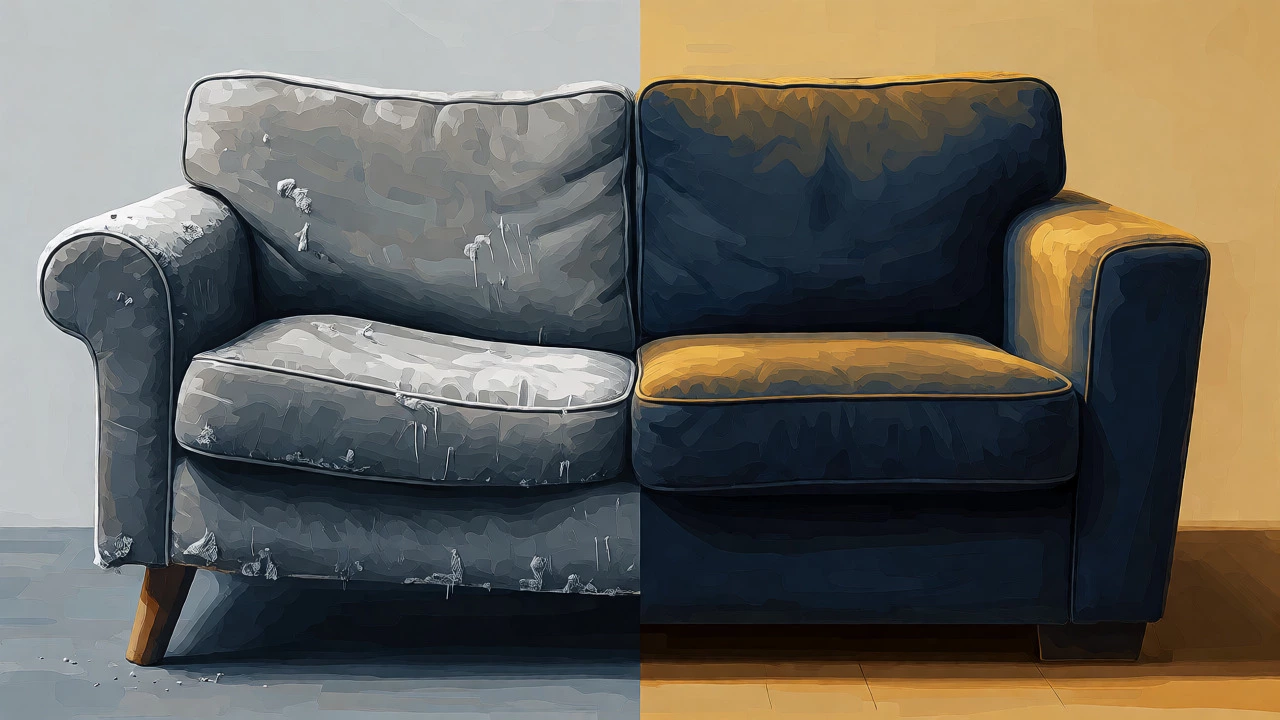
If your sofa is only five years old but looks tired, don’t panic. You might not need to buy a new one. Refurbishment is cheaper than replacement and often extends the life by another 5-7 years.
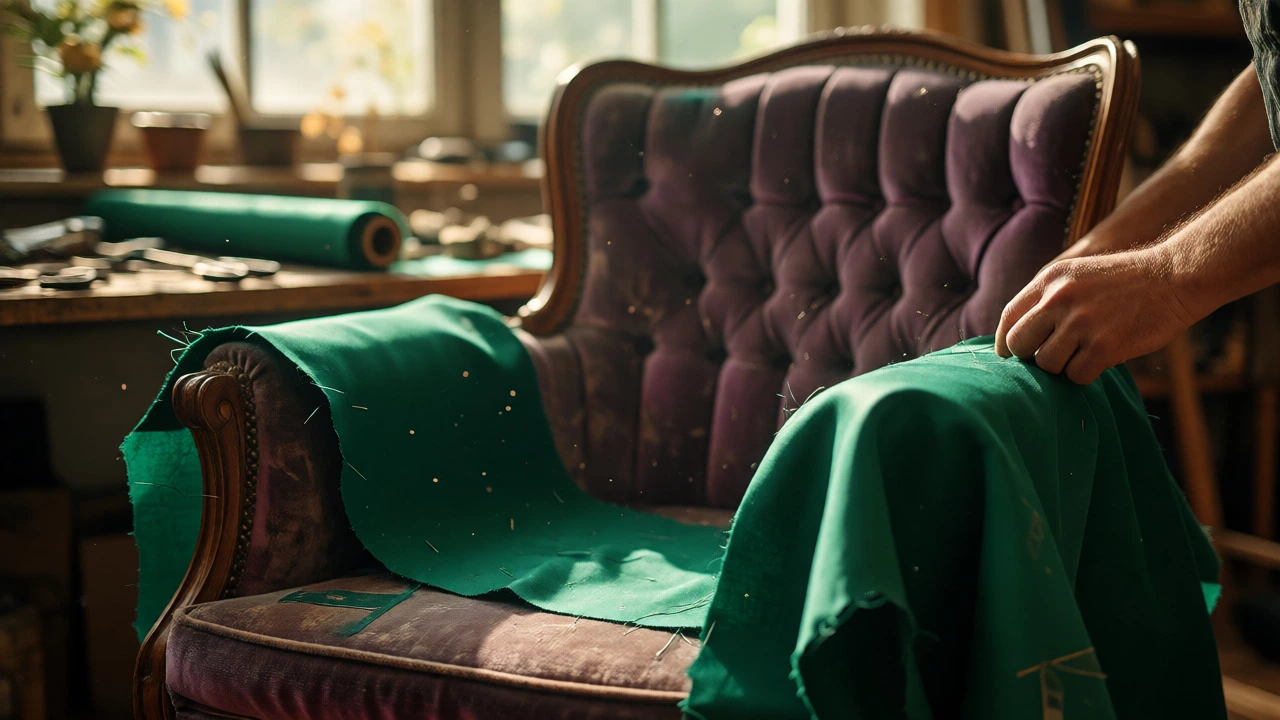
Reupholstering: If the frame and springs are solid, changing the fabric can make an old sofa look brand new. In Auckland, local upholsterers charge between $1,500 and $4,000 depending on size and fabric choice. Compare this to the cost of a new high-end sofa ($3,000+). If your current sofa has a good frame, reupholstering is a smart financial move.
Cushion Replacement: Often, the frame is fine, but the foam is dead. Many specialist shops sell replacement foam inserts tailored to your cushion dimensions. Swapping out flattened foam for high-density HR foam costs a fraction of a new sofa and restores support immediately.
Professional Cleaning: Sometimes, a sofa isn’t worn out; it’s just dirty. Deep steam cleaning can remove embedded dirt and restore the vibrancy of the fabric. It won’t fix physical damage, but it can make a 6-year-old sofa feel fresh again.
When to Say Goodbye: Signs It’s Time to Replace
How do you know when repair isn’t worth it? Look for these red flags:
- The Wobble Test: Sit on one end and lift the other. If the entire structure twists or cracks audibly, the joints are failing. Structural failure is dangerous and unfixable.
- Permanent Sagging: If the middle dips so deeply that you slide toward the center, the suspension has failed. Replacing springs on a cheap webbed sofa is often more expensive than buying a new one.
- Odor Retention: If a sofa smells like pets or mildew no matter how many times you clean it, the odor has penetrated the foam and padding. Foam is porous and holds smells forever. No amount of baking soda will fix deep-set odors.
- Visible Frame Damage: Check underneath. If you see splintered wood, rusted springs, or torn webbing, the end is near.
Buying Tips for Maximum Longevity
If you are shopping now, here is how to future-proof your purchase. Don’t just look at the color. Ask questions.
- Ask about the wood: Is it kiln-dried hardwood? Avoid "engineered wood" unless it’s clearly specified as plywood for non-load-bearing parts.
- Check the foam density: Look for a density rating of 1.8 lbs per cubic foot or higher for seat cushions. Anything less will flatten quickly.
- Test the arms: Push down on the arms. Do they feel sturdy? Weak arms indicate a weak overall build.
- Consider the fabric: For households with kids or pets, synthetic microfibers or performance blends (like Crypton or Sunbrella) last longer than delicate linens or silks. Double-rub counts (a measure of abrasion resistance) should be above 15,000 for heavy use.
Remember, a sofa is a long-term commitment. Spending an extra $500 upfront can save you from replacing the whole unit three years earlier. It’s about value, not just price.
Do leather sofas last longer than fabric ones?
Generally, yes. High-quality full-grain leather develops a patina over time and becomes more attractive, whereas fabric tends to show wear, fading, and pilling. However, leather requires regular conditioning to prevent cracking. Bonded leather (fake leather made of scraps) peels and flakes within 3-5 years, similar to cheap fabric.
Is it worth repairing an old sofa?
It depends on the frame. If the frame is solid hardwood and the springs are intact, reupholstering is often worth it, especially for vintage or high-design pieces. If the frame is particleboard or the springs are broken, repair costs often exceed the value of the sofa, making replacement the better option.
How does pet ownership affect sofa lifespan?
Pets significantly reduce lifespan due to scratching, shedding, and accidents. Claws snag fabric loops, and urine damages foam and wood. To mitigate this, choose tightly woven fabrics (no loose weaves) or leather. Using washable slipcovers can also extend the life of the underlying upholstery by protecting it from direct contact.
What is the average lifespan of a sectional sofa?
Sectionals follow the same rules as standard sofas but often fail faster at the connectors. The mechanism joining the chaise to the main body takes significant stress. Expect 5-7 years for budget sectionals and 10-15 years for high-quality ones. Regularly check and tighten connector bolts to prevent instability.
Does sofa color affect perceived age?
Yes. Light colors show stains and dirt more easily, making the sofa look older or dirty sooner. Dark colors hide stains but reveal dust and pet hair. Neutral tones like grey, taupe, or navy tend to maintain a 'clean' appearance longer than stark white or bright patterns, helping the sofa feel newer for longer.