Decluttering Progress Tracker
Follow the One-Third Rule: Sort items into Keep, Donate/Sell, or Trash. If more than 1/3 are "Keep," you're holding too much.
Current Zone: Bathroom Vanity
Start with easy zones to build momentum. Do not move on until this zone is finished.Decision Criteria:
- Keep: Use regularly, fits space, brings joy/utility.
- Donate/Sell: Good condition but unused/duplicate.
- Trash/Recycle: Broken, expired, or worthless.
Home Zones Checklist
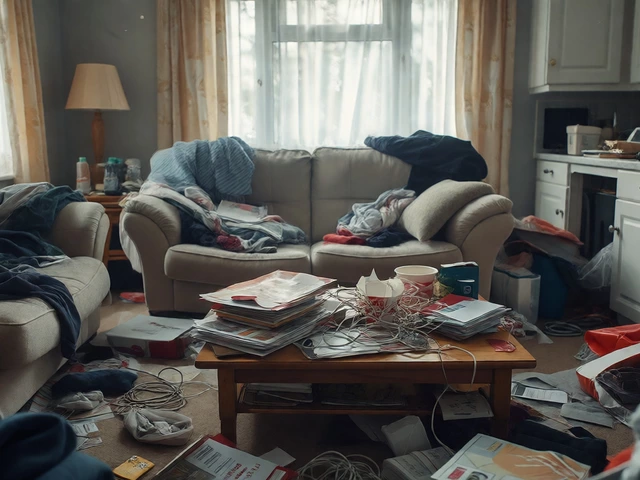
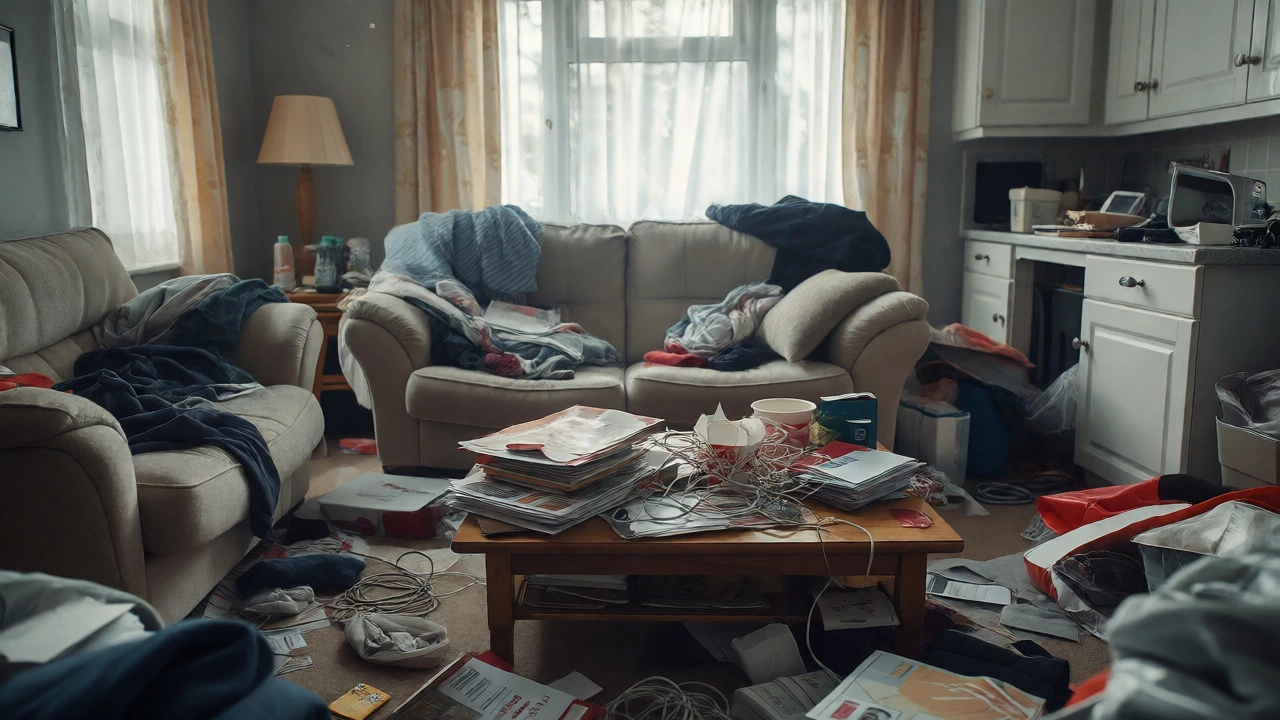
You walk into your living room and trip over a pile of laundry that has been sitting on the sofa for three days. The kitchen counter is buried under mail, takeout menus, and random gadgets you haven't used since 2019. It feels like the house is fighting back against you. If this sounds familiar, you aren't alone. Most people struggle with clutter because they try to organize things they don't actually need. You can't tidy up chaos if you don't first reduce it. This guide breaks down exactly how to tackle a house full of stuff without burning out or throwing away everything in panic.
The One-Third Rule for Sustainable Decluttering
Here is a hard truth: you will never have zero clutter unless you live in an empty box. The goal isn't perfection; it's manageability. Start by applying the one-third rule. Look at a specific area, like a bookshelf or a closet. Mentally divide the items into three piles: Keep, Donate/Sell, and Trash. If more than one-third of what you own falls into the "Keep" pile, you are holding onto too much. Be honest about why you are keeping things. Is it because you use it? Or because you feel guilty throwing it away?
Most clutter isn't made of valuable antiques. It is made of duplicate items, broken things we meant to fix, and gifts we felt obligated to keep. For example, do you really need four chargers for the same phone model? Do you need twelve mugs when you only drink from two? Cutting duplicates frees up space instantly. Once you have sorted through the volume, then you can worry about where things go. Organization solves placement problems, not accumulation problems.
Zone-Based Sorting Strategy
Trying to declutter the whole house in one weekend is a recipe for disaster. You end up with boxes everywhere and no time to process them. Instead, use zone-based sorting. Divide your home into small, manageable zones. A zone could be one drawer, one shelf, or one corner of the garage. Do not move to the next zone until the current one is completely finished and put away.
Start with the easiest zones to build momentum. The bathroom vanity or a single junk drawer usually takes less than thirty minutes. Success here gives you a dopamine hit that fuels the harder tasks later. Save high-emotion zones, like sentimental photo albums or children's toys, for last. When you tackle those areas, you will already have practiced your decision-making skills on easier items. This approach prevents decision fatigue, which is the main reason most decluttering projects stall halfway through.
| Category | Action Criteria | Storage Solution |
|---|---|---|
| Duplicates | Keep the best condition one; discard the rest. | N/A (Remove) |
| Sentimental | Take a photo, keep one item, let go of the rest. | Memory Box (one per person) |
| Broken/Unused | If not fixed in 6 months, toss it. | N/A (Recycle/Trash) |
| Frequently Used | Keep accessible within arm's reach. | Open Shelving/Baskets |
| Rarely Used | Store in off-season bins or high shelves. | Under-bed Containers |

Vertical Space and Hidden Storage
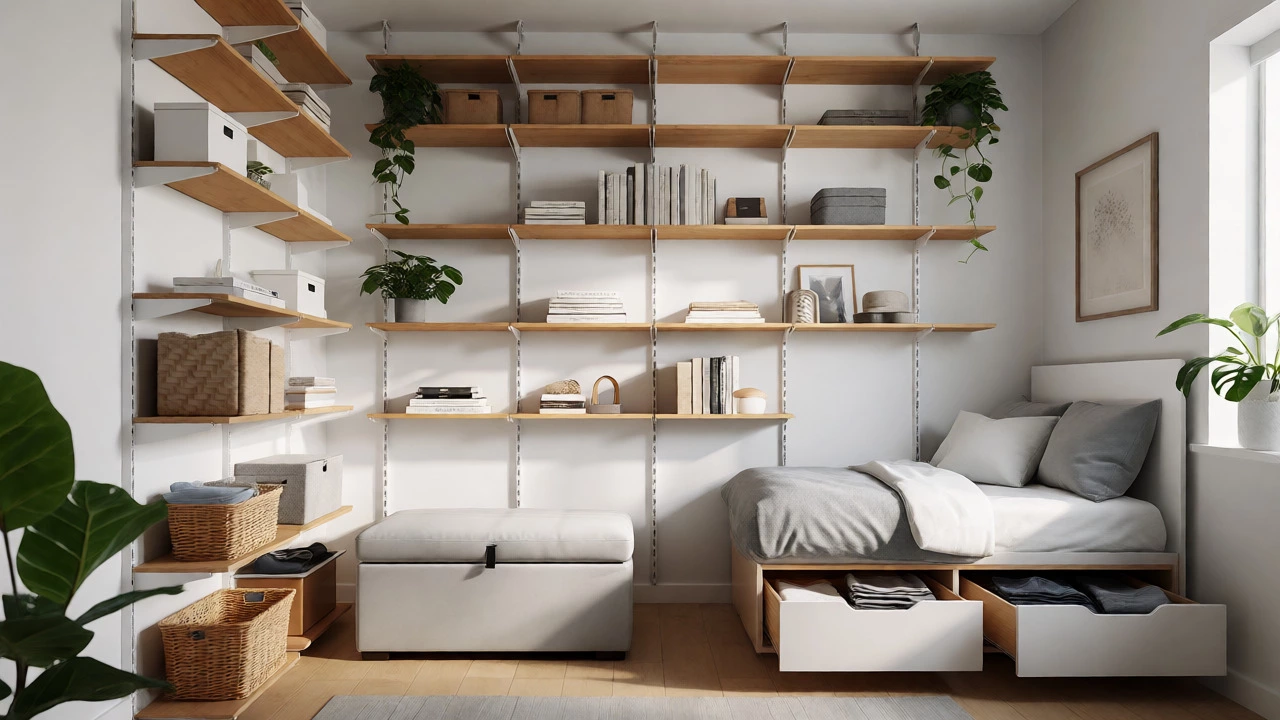
Once you have reduced the volume, you need places for the remaining items to live. Floor space is premium real estate in most homes. Stop stacking things on the floor and start using vertical space. Wall-mounted shelves, over-the-door organizers, and tall cabinets draw the eye upward and clear visual noise from the lower half of the room. In Auckland apartments, where square footage is often limited, going vertical is non-negotiable.
Look for hidden storage opportunities in plain sight. Ottomans with lift-top lids are perfect for hiding blankets or remote controls. Beds with built-in drawers can store off-season clothing, freeing up your wardrobe. Even the space above doorways can hold a narrow shelf for books or plants. The key is to match the storage solution to the item's frequency of use. Daily essentials should be easy to grab. Seasonal items can go higher up or deeper into closets. If you have to climb a ladder to get your winter coat in July, that is fine. If you have to dig through a bin to find your toothbrush, that is not.
The 'One In, One Out' Maintenance Habit
Decluttering is a project. Organizing is a habit. To keep your new system working, you need a maintenance rule. Adopt the "one in, one out" policy. Every time you bring a new item into the house, remove an old one. Bought a new pair of jeans? Donate an old pair. Got a new coffee maker? Sell the old one. This simple trade-off keeps your inventory stable. Without it, clutter creeps back in slowly, unnoticed, until you are tripping over laundry again six months later.
Set aside ten minutes each evening for a "reset." Walk through the main living areas and return stray items to their designated homes. Put shoes in the rack, plates in the dishwasher, and magazines in the recycling bin. This micro-habit prevents small messes from becoming big disasters. It also helps you notice when something doesn't have a home yet. If you find yourself creating a temporary pile for an item repeatedly, that item needs a permanent spot-or it needs to leave the house.
Dealing with Sentimental Clutter
This is where most people freeze. We attach memories to objects, making it painful to let go of old ticket stubs, childhood drawings, or gifts from ex-partners. Here is a trick: separate the memory from the object. You don't need to keep every birthday card from the last decade to remember the love you felt. Take photos of the items. Create a digital album. Then, keep only the top five most significant physical items. The rest can go.
Consider the "joy test," popularized by Marie Kondo, but adapt it to practicality. Does holding this item make you happy, or does it make you feel guilty? Guilt is a heavy burden to carry around in your hallway closet. If you inherited a vase you hate but feel bad throwing away, ask yourself: would I buy this today? If the answer is no, thank it for its service and pass it on. Your home should reflect who you are now, not who you were ten years ago or who your relatives think you should be.
Common Pitfalls to Avoid
Many people fail at organizing because they buy storage containers before they sort their stuff. They fill baskets with junk and call it organized. That is just hidden clutter. Always sort first, measure second, buy third. Another mistake is ignoring the "donation drop-off" step. Boxes of clothes sit in the garage for months because you didn't schedule the drop-off. Schedule it immediately after packing the boxes. If you can't drive to the charity shop, use a pickup service. Many local organizations in New Zealand offer free collection for large donations.
Finally, don't aim for magazine-perfect results. Real life is messy. Kids will spill juice. Pets will shed. Paperwork will accumulate. Allow for some controlled chaos. If your system requires military precision to maintain, it will break. Aim for a system that is forgiving. Baskets are better than rigid dividers for families because you can just toss things in when you're in a rush. Flexibility ensures longevity.
How long does it take to declutter a whole house?
It depends on the size of the home and the amount of clutter, but a realistic timeline is 4-8 weeks for a thorough job. Rushing leads to burnout. Focus on one small zone per week to see sustainable results without disrupting your daily life.
What is the hardest room to declutter?
The garage and the attic are typically the hardest because they act as dumping grounds for items that don't fit elsewhere. They require heavy lifting and sorting through many unrelated categories. Start with the kitchen or bathroom to build confidence before tackling these large spaces.
Should I hire a professional organizer?
If you have ADHD, anxiety, or a hoarding tendency, a professional can provide accountability and objective decision-making support. For general clutter, DIY methods work well if you commit to the zoning strategy. Consider hiring help only for the initial purge phase if you struggle to make decisions.
How do I stop buying things I don't need?
Implement a 24-hour waiting period for non-essential purchases. Add the item to an online cart and wait a day. Often, the impulse fades. Also, track your spending on household goods for one month to see patterns. Awareness is the first step to changing shopping habits.
What are the best storage solutions for small spaces?
Utilize vertical space with wall-mounted shelves and pegboards. Use multi-functional furniture like ottomans with storage or beds with drawers. Clear stackable bins allow you to see contents without opening them, saving time and space. Under-sink organizers and over-the-door racks are also highly effective in compact areas.