Mirror Glass: What It Is, How It’s Used, and Why It Matters in Home Design
When you look into a mirror glass, a smooth, reflective surface made of glass coated with a metallic backing. Also known as reflective glass, it’s not just a tool for checking your hair—it’s a design element that changes how light, space, and style work together in your home. Whether it’s a full-wall bathroom mirror or a slim antique piece above a vanity, mirror glass does more than reflect—it expands, brightens, and elevates.
What makes mirror glass different from regular glass? It’s the coating—usually aluminum or silver—that turns transparency into reflection. That’s why a mirror in a small bathroom can make the room feel twice as big, or why a vintage antique mirror, a mirror typically over 100 years old, often with ornate framing and hand-polished glass adds character you can’t buy new. But it’s not just about age. Modern bathroom mirror, a mirror designed specifically for use in wet areas, often with anti-fog or LED lighting tech now includes smart features like built-in lighting and defoggers. And then there’s the frame—wood, metal, or frameless—that changes the whole vibe. A heavy gilded frame says luxury. A thin black metal edge says modern. A mirror without a frame? That’s minimalist confidence.
People don’t just buy mirror glass for function. They buy it for how it makes a room feel. A well-placed mirror can turn a dark hallway into a bright passage, or make a tiny kitchen feel open. It’s why real estate agents use mirrors in staging—they know buyers respond to space and light. But not all mirror glass is made equal. Cheap versions can warp over time, especially in humid bathrooms. High-quality mirror glass stays flat, resists tarnishing, and lasts decades. And if you’re hunting for an antique piece, you’re not just buying glass—you’re buying history, craftsmanship, and a story.
What you’ll find below isn’t a list of where to buy mirror glass. It’s a collection of real questions people ask about how mirror glass fits into their lives. From how old a mirror needs to be to count as an antique, to why some bathrooms skip curtains and rely on mirrors for privacy, these posts answer what actually matters. You’ll see how mirror glass connects to lighting, space, design trends, and even resale value. No fluff. Just clear, practical insights from people who’ve lived with it, fixed it, and chosen it.
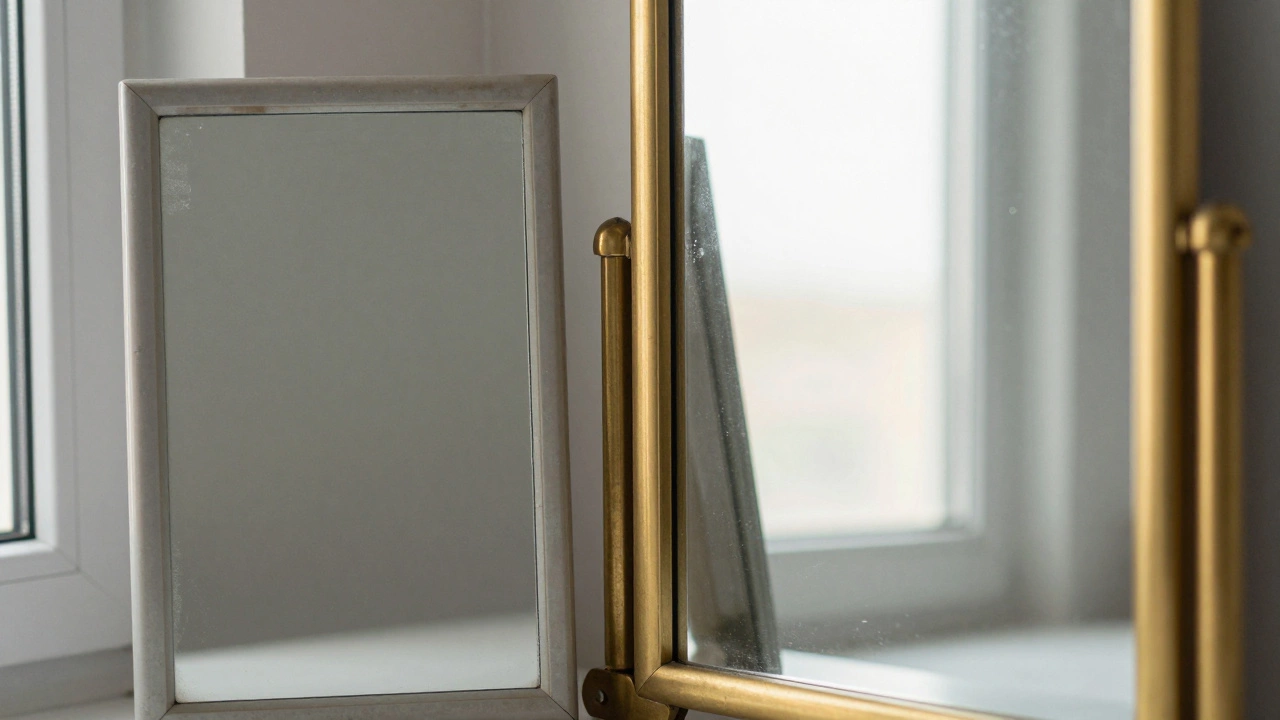
Is There a Difference Between Cheap and Expensive Mirrors?
Cheap mirrors may save money upfront, but they often warp, fog, or crack over time. Expensive mirrors use better glass, protective coatings, and durable frames for a true, long-lasting reflection.