Roasting Pan: Best Uses, Materials, and What to Look For
When you think of a roasting pan, a deep, sturdy baking dish designed for cooking large cuts of meat in the oven. Also known as roast pan, it’s the backbone of Sunday dinners, holiday meals, and slow-cooked stews that fill the house with smell. It’s not just a tray—it’s the tool that turns a raw chicken or a beef brisket into something tender, juicy, and unforgettable. But not all roasting pans are made the same. The material, shape, and even the handles can make or break your cooking experience.
Most people stick with cast iron, a heavy, heat-retaining material that browns meat evenly and can go from stove to oven because it’s tough and lasts decades. But if you want something lighter, stainless steel, a durable, non-reactive metal that resists warping and works well with acidic sauces is a solid pick. Then there’s ceramic-coated aluminum, a lighter option that heats quickly but needs careful handling to avoid scratching. Each has trade-offs: cast iron needs seasoning, stainless steel doesn’t brown as deeply without oil, and ceramic coatings can chip over time. You also need to think about size—too small and your bird won’t fit; too big and it won’t fit in your oven. Most home cooks do best with a 16x13 inch pan that fits a 12-15 pound turkey.
And don’t forget the rack. A good roasting pan comes with one—or you can buy it separately. The rack lifts the meat off the bottom, letting hot air circulate so the skin crisps up instead of steaming. Without it, you’re just boiling your roast in its own juices. Also, look for deep sides to catch drippings—those are the secret to making gravy later. If you’re using it for vegetables too, go for a pan with low enough sides to let steam escape, but high enough to keep juices from spilling.
People who cook often end up with one roasting pan they swear by. It’s not about brand names—it’s about what fits your oven, your stove, and your cooking habits. Some use theirs every week for roasted veggies and salmon. Others save it for Thanksgiving and Christmas. Either way, the right one becomes part of your kitchen rhythm.
Below, you’ll find real-world tests and comparisons of roasting pans, from budget picks to heirloom-quality pieces. You’ll see which ones hold up after years of use, which ones warp under high heat, and which ones actually make your meals better—not just look nice on the shelf.
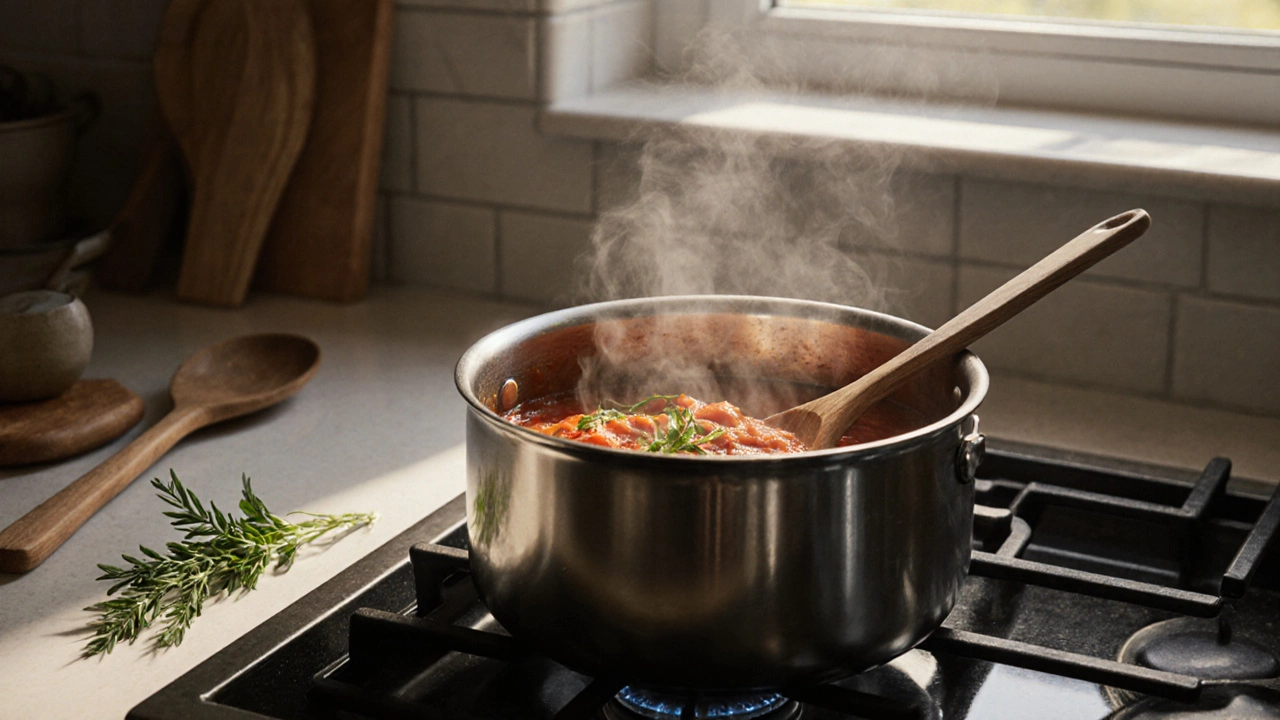
What Is a Deep Pan Called? Understanding the Types and Uses of Deep Pans in Cooking
A deep pan isn’t one thing-it’s a category. Learn what different types like saucepans, stockpots, and Dutch ovens are called, how to pick the right one, and what to avoid when cooking with deep pans.