Saucepan: What Makes a Good One and How to Choose
When you grab a saucepan, a deep, round cooking pot with a handle and lid, typically used for simmering liquids or boiling small amounts of food. Also known as a saucepan, it's one of the most used pieces in any kitchen—yet most people buy them based on price, not performance. A good saucepan isn’t about looks or brand names. It’s about how well it heats, how long it lasts, and whether it actually makes cooking easier.
Not all saucepans are created equal. The material changes everything. Stainless steel, a durable, non-reactive metal often layered with aluminum or copper for even heating is the top pick for most home cooks—it won’t warp, react with acidic foods, or scratch easily. Cast iron, a heavy, heat-retaining material that needs seasoning but lasts generations is great for slow cooking but too heavy for daily saucepan use. Aluminum, a lightweight, cheap conductor that heats fast but can warp and leach into food is common in budget sets but rarely worth it long-term. The best saucepans combine materials: a thick aluminum core inside stainless steel, with a smooth interior that won’t stick when you’re reducing sauces.
Size matters too. A 1.5-quart saucepan is perfect for melting butter or heating soup for one. A 3-quart is the sweet spot for most families—enough for pasta sauce, oatmeal, or steaming vegetables. Anything bigger than that and you’re better off with a stockpot. Look for a tight-fitting lid—it traps steam and saves energy. A helper handle on the opposite side? That’s not a luxury, it’s a safety feature when you’re carrying a full pot. And don’t ignore the base. If it doesn’t sit flat on your stove, you’ll get hot spots and uneven cooking. Induction-ready? Check the bottom. If it doesn’t stick to a magnet, it won’t work on modern stoves.
You don’t need ten saucepans. You need one good one. The kind that doesn’t need constant babysitting, doesn’t discolor after a few uses, and doesn’t make you curse when you try to clean it. The right saucepan makes simple meals easier. It lets you boil eggs without burning the bottom, reduce a sauce without scorching, or warm milk without a crust forming. It’s not glamorous, but it’s the workhorse of your kitchen.
What you’ll find below are real-world tests, comparisons, and tips from people who use saucepans every day—not marketing fluff. Whether you’re replacing a worn-out pot, upgrading from a cheap set, or just wondering why your sauce keeps sticking, the posts here cut through the noise and show you what actually works.
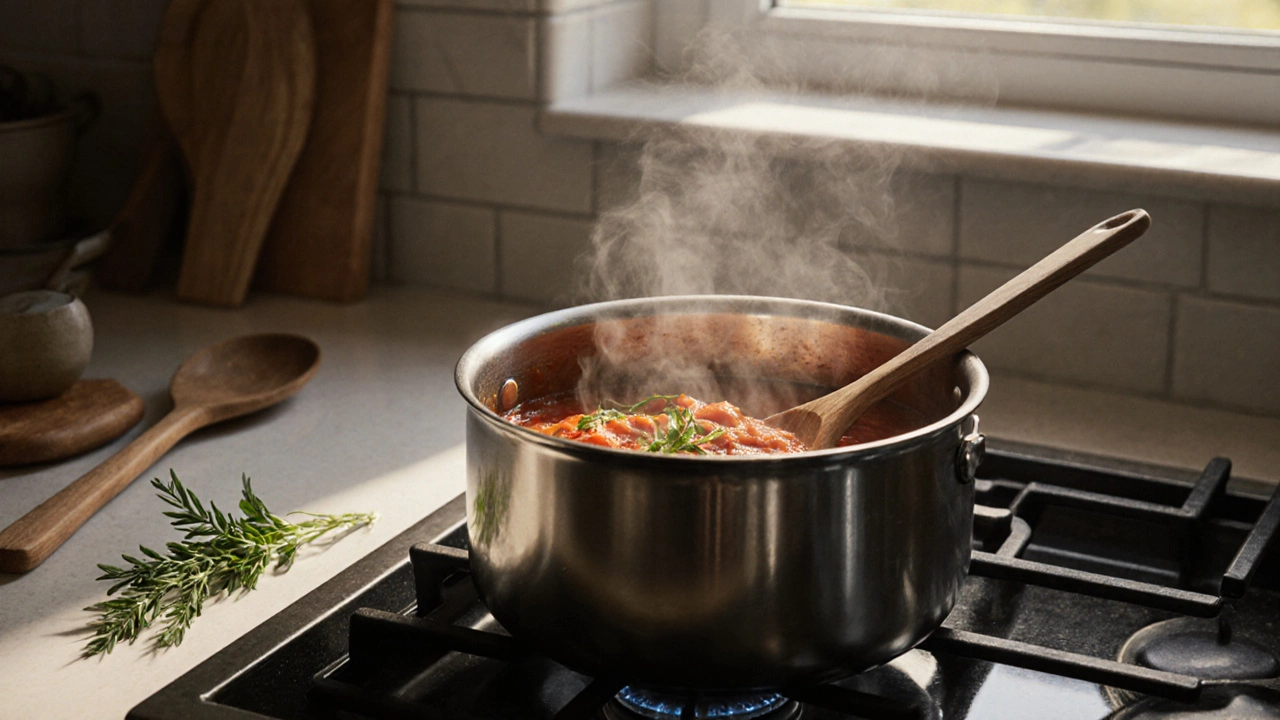
What Is a Deep Pan Called? Understanding the Types and Uses of Deep Pans in Cooking
A deep pan isn’t one thing-it’s a category. Learn what different types like saucepans, stockpots, and Dutch ovens are called, how to pick the right one, and what to avoid when cooking with deep pans.