Sofa Comfort & Fit Calculator
Your Profile
Recommendation
Enter your details and click calculate to see your personalized recommendation.
There is nothing quite like sinking into a sofa after a long day. But finding that perfect balance between support and softness can feel like searching for a needle in a haystack. You walk into a showroom, sit on what looks like a cloud, and leave with back pain the next morning. Or you buy something sturdy only to realize it feels like sitting on a wooden bench. The question isn't just about price or style; it's about biomechanics and materials. What type of sofa is actually most comfortable depends entirely on how your body interacts with its components.
Comfort is subjective, but it is not random. It comes down to three main factors: the depth of the seat, the firmness of the cushioning, and the angle of the backrest. When these elements align with your body shape and sitting habits, you get true comfort. Let’s break down exactly which sofa types win in specific scenarios so you don’t have to guess.
The Anatomy of a Comfortable Seat
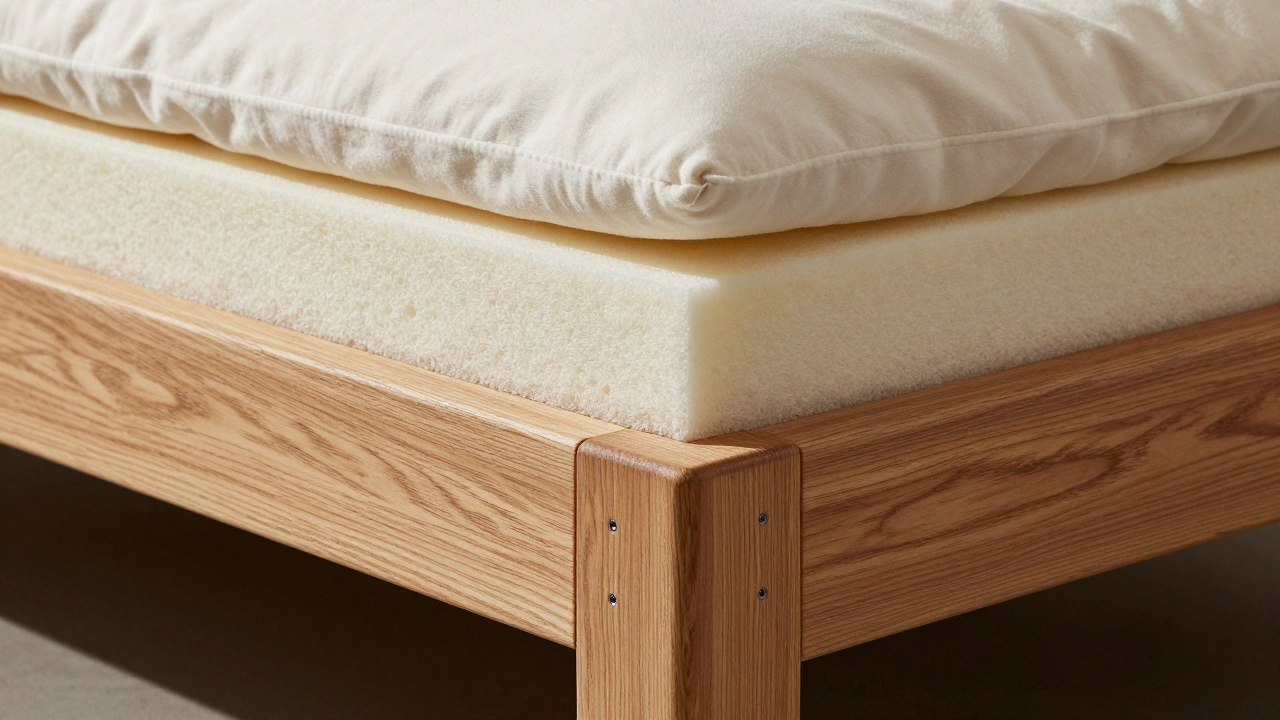
Before looking at styles, we need to understand what makes a seat feel good. If you’ve ever wondered why one sofa hugs you while another pushes you away, look at the internal structure. Most modern sofas use a combination of high-resilience foam, down feathers, or synthetic fibers. High-density polyurethane foam provides structure and longevity, while down or fiber wraps add that initial plush "sink" feeling. A sofa with only foam might feel too firm over time, whereas all-down cushions can flatten out completely, requiring constant fluffing.
The frame matters just as much. A hardwood frame, such as kiln-dried oak or maple, prevents sagging. If the frame flexes when you sit, the comfort will degrade within months. Look for corner-blocked joints reinforced with screws and glue, rather than just staples. This structural integrity ensures that the comfort you feel today remains consistent years from now.
What is the ideal seat depth for maximum comfort?
For most adults, a seat depth between 22 and 24 inches allows the thighs to be fully supported without pressing against the backrest. However, if you prefer lounging or sleeping on the sofa, look for "deep-seat" designs ranging from 25 to 30 inches. These deeper seats require larger throw pillows for back support but are excellent for relaxing.
Top Contenders for Ultimate Comfort
Not all sofas are created equal when it comes to relaxation. Here are the top contenders based on different needs.
The Deep-Seat Sectional
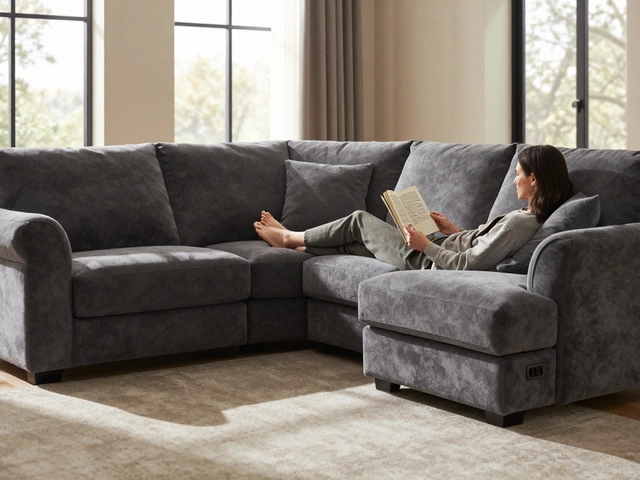
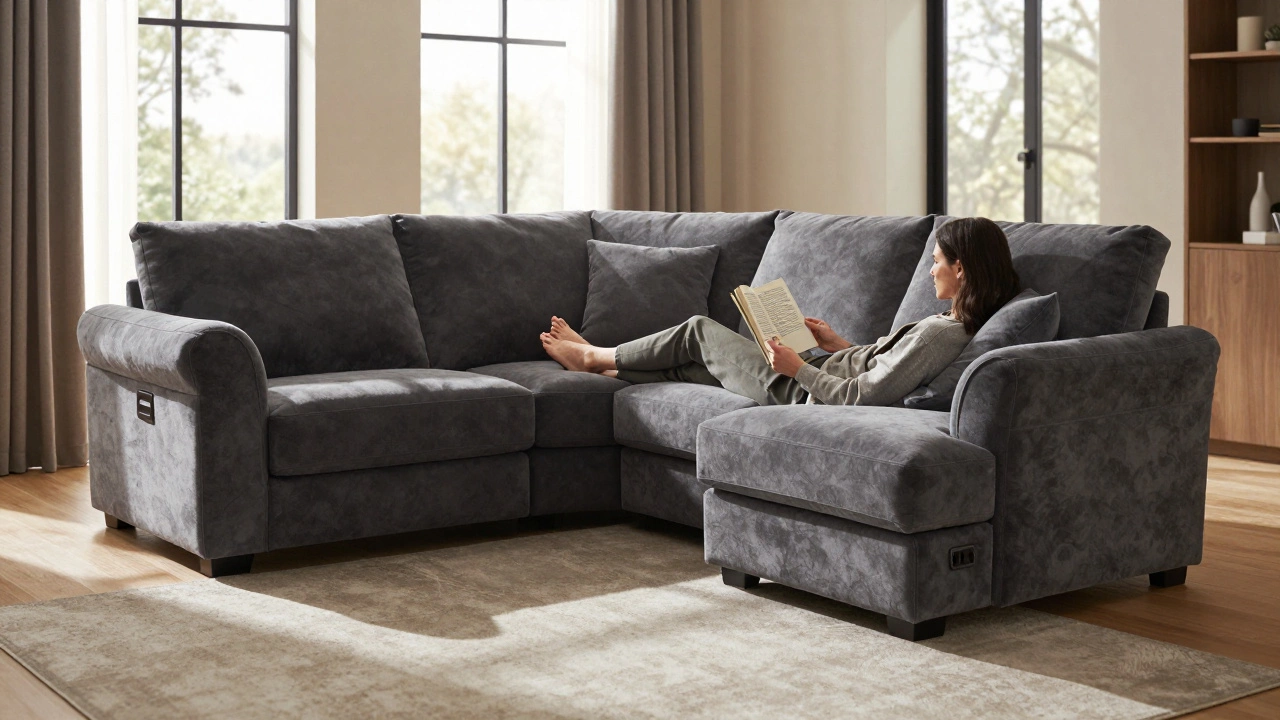
If your definition of comfort involves sprawling out, reading, or napping, the deep-seat sectional is the undisputed champion. These sofas typically feature seat depths of 25 inches or more. They often come with chaise lounges that extend the seating area, allowing you to stretch your legs completely. The L-shape or U-shape configuration also means you never have to worry about hitting an armrest when shifting positions. In Auckland, where living rooms often serve as multi-purpose family hubs, sectionals provide ample space for both socializing and individual relaxation.
The Reclining Sofa
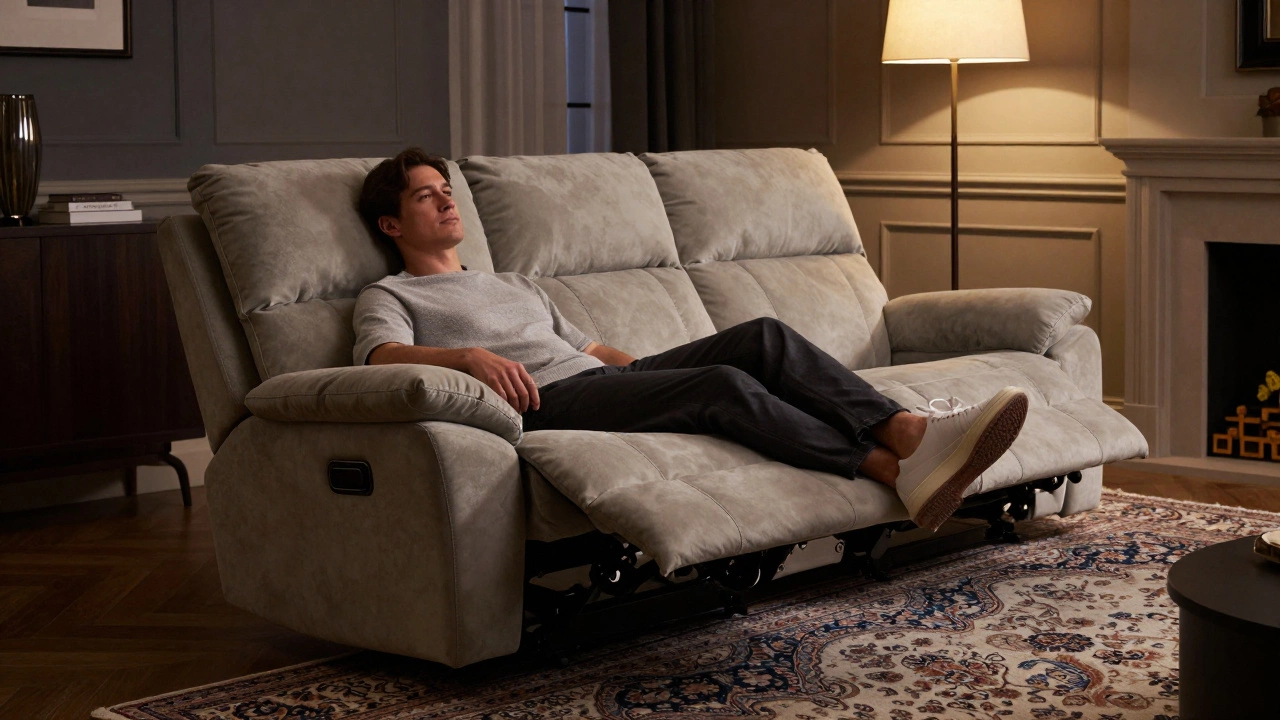
Recliners take the guesswork out of posture. By mechanically adjusting the backrest and footrest, they support the spine in a near-zero-gravity position. This reduces pressure on the lower back and improves circulation. Modern recliners are no longer bulky, ugly beasts; many feature sleek profiles and hidden mechanisms. If you suffer from chronic back pain or spend hours watching TV, a power-reclining sofa offers therapeutic benefits that static sofas cannot match.
The Tufted Chesterfield
For those who prefer a more upright, yet still cozy, experience, the Chesterfield style offers unique comfort through its deep button tufting. The buttons create small pockets that conform slightly to the body, providing a customized fit. The rolled arms and back offer a sense of enclosure, which many find psychologically comforting. While traditionally made with stiff leather, modern versions often use softer leathers or fabrics that drape better, enhancing the tactile experience.
| Sofa Type | Best For | Key Comfort Feature | Potential Drawback |
|---|---|---|---|
| Deep-Seat Sectional | Lounging, Napping | Extra-wide seat depth (25+ inches) | Requires large room; may lack lumbar support without pillows |
| Power Recliner | Back Pain Relief, TV Watching | Adjustable back and leg support | Takes up more wall space when reclined; mechanical parts can fail |
| Chesterfield | Upright Sitting, Reading | Conforming tufted back and arms | Can be difficult to get in and out of due to low seat height |
| Modular Sofa | Flexible Layouts | Customizable configuration | Gaps between modules can cause discomfort if not aligned properly |
Firmness Levels: Finding Your Sweet Spot
Firmness is measured by density and resilience. Soft sofas invite you in but may lack support, leading to slouching and eventual back strain. Firm sofas keep you upright but can feel unyielding. The middle ground-medium-firm-is often cited as the most universally comfortable because it supports the natural curve of the spine while still offering some cushioning.
Consider your weight and sitting duration. Heavier individuals may find medium-firm cushions compress too quickly, losing their shape. In this case, higher-density foam (1.8 lbs per cubic foot or higher) is essential. Lighter individuals might prefer a softer top layer of down or fiber to prevent feeling like they are sitting on a rock. Always test the sofa by sitting for at least five minutes. Initial impressions can be misleading as the materials warm up and settle under your weight.
The Role of Armrests and Back Height
Armrests are often overlooked but play a crucial role in overall comfort. High, wide armrests allow you to rest your elbows comfortably, reducing shoulder tension. Low, narrow arms can make you feel cramped. Similarly, the back height determines whether your head has support. A high-back sofa is ideal for taller people or those who like to lean back fully. A low-back sofa might look stylish but could leave your neck unsupported unless you use additional pillows.
In smaller spaces, like many apartments in central Auckland, low-profile sofas might seem appealing. However, sacrificing back height for aesthetics can compromise comfort. Look for designs that maximize vertical support without overwhelming the room visually.
Material Matters: Fabric vs. Leather
The material covering the sofa affects temperature regulation and texture. Fabric sofas, especially those made from cotton, linen, or wool blends, breathe well and feel soft against the skin. They are ideal for cooler climates or indoor environments with climate control. However, they can trap heat if you tend to run warm.
Leather sofas, particularly full-grain or top-grain varieties, offer a different kind of comfort. They are smooth, cool to the touch initially, and then warm up to body temperature. Leather is also easier to clean and tends to last longer than fabric. Yet, it can feel sticky in humid conditions or cold in winter. Consider adding throws or cushions to adjust the feel throughout the year.
Testing Like a Pro: What to Look For
When visiting a store, don’t just sit and stand up immediately. Mimic your home habits. If you read, bring a book. If you watch TV, sit back and relax. Check if your feet touch the floor comfortably. Ensure there is enough space between your knees and the front edge of the seat. Press down on the corners of the seat cushion to check for stability-if it rocks side-to-side, the construction is poor.
Ask about the warranty. A reputable manufacturer will guarantee the frame and cushions against defects for several years. This indicates confidence in their durability and comfort retention. Avoid sofas with vague warranties or those that exclude normal wear and tear.
Maintaining Long-Term Comfort
Even the best sofa will lose comfort if neglected. Rotate cushions regularly to ensure even wear. Vacuum fabric sofas monthly to remove dust and debris that can break down fibers. For leather, condition every six months to keep it supple. Fluff down-filled pillows daily to maintain loft. These small habits extend the life of your sofa and keep it feeling new.
Invest in quality throw pillows. They provide extra lumbar support and can be replaced or rearranged as your needs change. A simple addition of a bolster pillow behind your lower back can transform a mediocre sofa into a comfortable haven.
Are expensive sofas always more comfortable?
Not necessarily. Price often reflects brand reputation, design complexity, or premium materials like genuine leather. However, mid-range sofas from reputable manufacturers often offer comparable comfort using high-quality foam and solid wood frames. Focus on construction details and cushion density rather than just the price tag.
How do I choose a sofa for a small apartment?
Opt for a compact two-seater or a loveseat with exposed legs to create a sense of space. Choose light-colored fabrics to make the room feel larger. Ensure the sofa fits through your door and elevator before buying. Measure carefully, leaving at least 10 inches of clearance around the sofa for easy movement.
Can I customize the firmness of my sofa?
Some manufacturers offer customizable cushion options, allowing you to choose between soft, medium, or firm fillings. Additionally, you can add or remove layers of padding yourself if you have sewing skills, though this may void warranties. Using adjustable pillows is a safer, non-invasive way to tweak firmness.
What is the lifespan of a comfortable sofa?
A well-made sofa should last 7 to 15 years. Higher-end models with hardwood frames and high-resilience foam can exceed 20 years. Signs of aging include sagging seats, broken zippers, or stained upholstery that cannot be cleaned. Regular maintenance can significantly extend this lifespan.
Is a modular sofa as comfortable as a traditional one?
Yes, if assembled correctly. Modular sofas allow you to configure the layout to suit your space and preferences. However, ensure the connecting pieces are secure to avoid gaps that can cause discomfort. High-quality modular systems use interlocking mechanisms that keep sections aligned, providing a seamless sitting experience.