Luxury Curtain Calculator
Window Specifications
Your High-End Specs
Enter your measurements to generate a professional installation plan.
Walk into a hotel lobby or a high-end boutique, and notice the windows. They don't just block light; they frame the space with weight, texture, and intention. Now look at your living room. If the fabric looks thin, hangs too short, or clashes with the trim, the whole room feels cheaper than it is. You can have a $5,000 sofa and Italian marble floors, but if your curtains are an afterthought, the illusion of luxury shatters.
The good news? Making a room look expensive doesn't require spending thousands on custom millwork. It requires understanding three things: fabric density, installation height, and visual proportion. When you get these right, even affordable materials read as high-end because they mimic the physics of luxury-weight, drape, and precision.
The Weight of Luxury: Choosing the Right Fabric
Lightness is the enemy of perceived value in window treatments. Thin, translucent fabrics like standard polyester blends often look flimsy because they lack structural integrity. To achieve that "expensive" look, you need fabric with substance. Think about how heavy wool coats feel compared to cheap synthetic jackets. The same principle applies here.
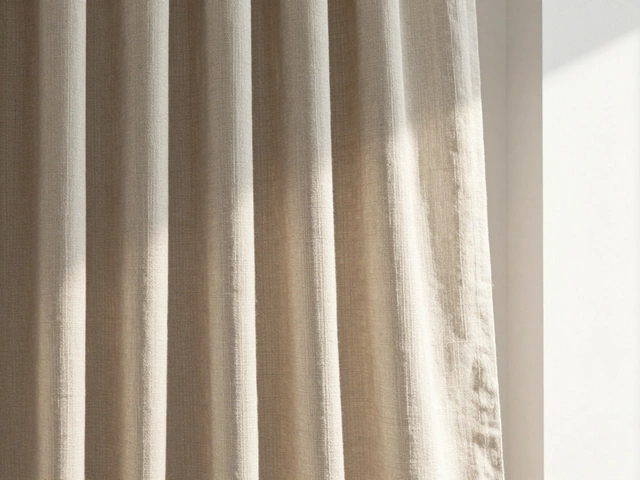
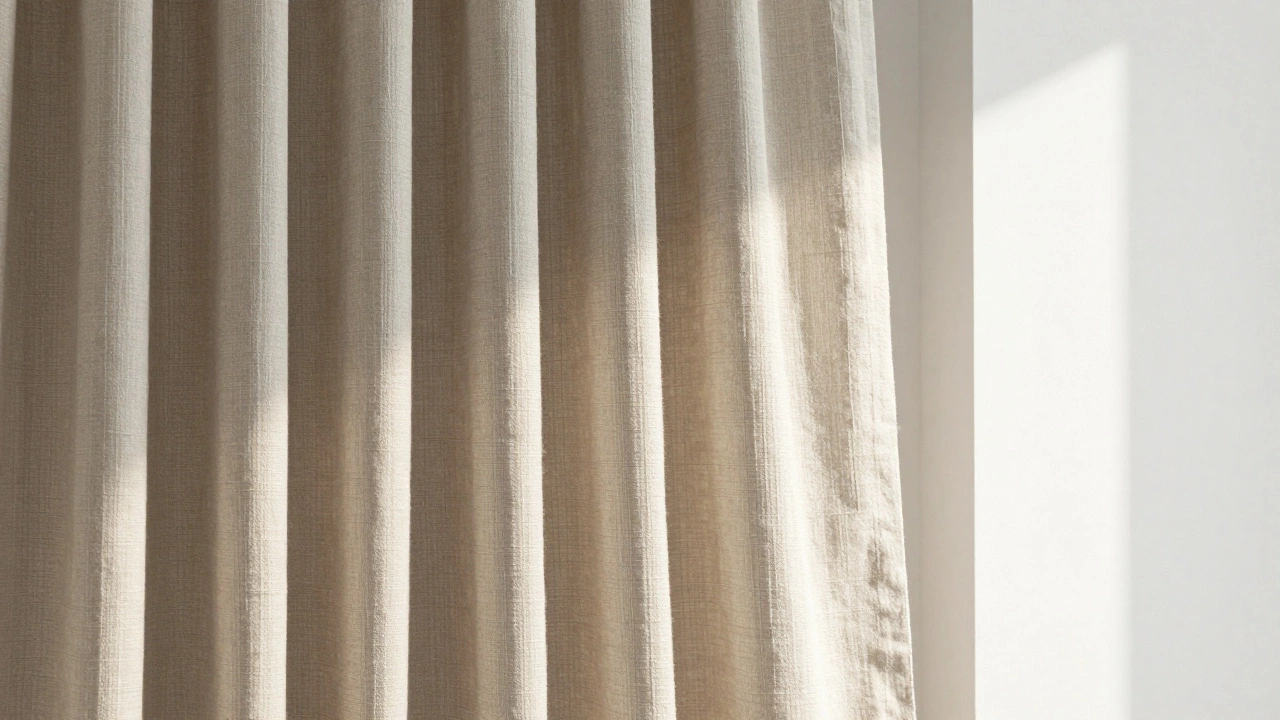
Linen is a natural textile known for its textured, organic appearance and breathable quality. It creates a relaxed yet sophisticated vibe, especially when left unbleached or in neutral tones.- Linen: This is the gold standard for casual luxury. Real linen has a slightly slubby texture that catches light beautifully. It wrinkles easily, which actually adds to its charm-it looks lived-in and curated, not sterile. Look for 100% linen or linen-cotton blends. Avoid "linen-look" polyesters, which often have a shiny, plastic-like sheen that screams budget.
- Silk Blends: Pure silk is beautiful but impractical for most homes due to sun sensitivity and maintenance. Opt for silk-blend fabrics (mixed with cotton or polyester). These offer the luminous glow of silk without the fragility. They reflect light softly, adding depth to the room.
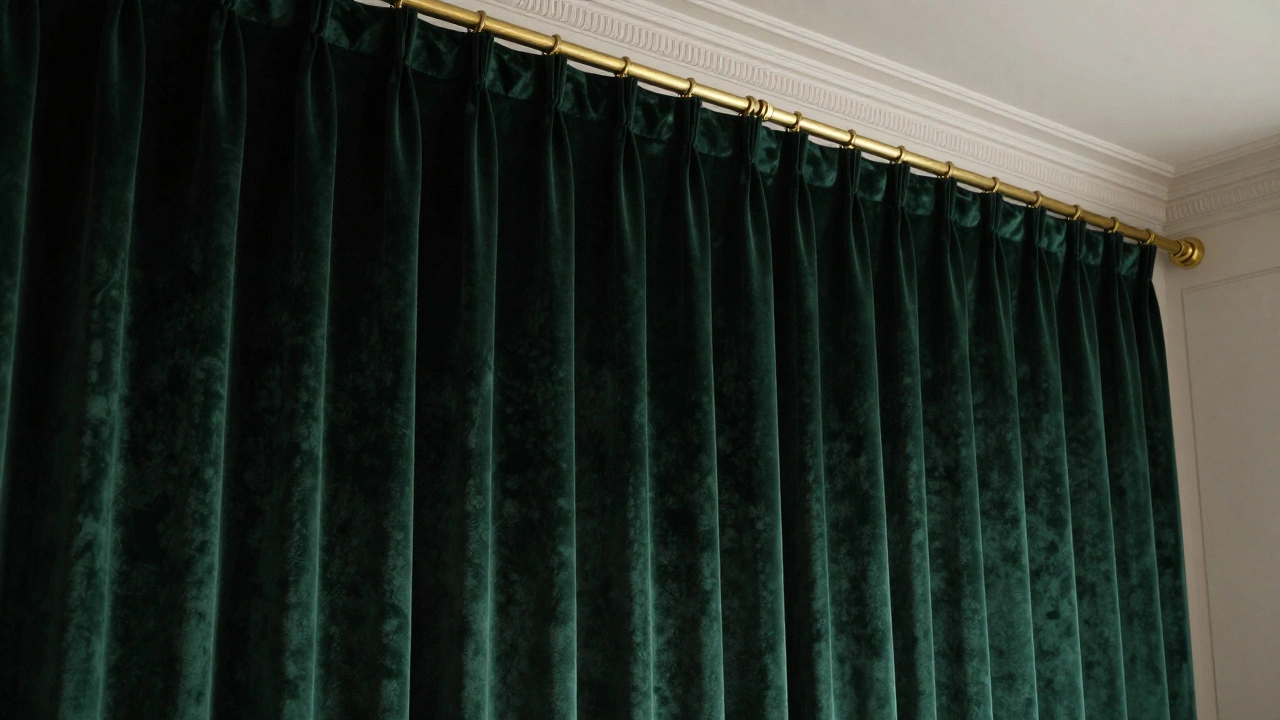
- Velvet: For maximum drama, velvet is unmatched. Its pile absorbs light rather than reflecting it, creating rich shadows and a sense of intimacy. Choose deep jewel tones like emerald, navy, or charcoal. Velvet works best in bedrooms or formal living rooms where you want to create a cocooning effect.
- Cotton Canvas: A sturdy, tightly woven cotton canvas offers a clean, modern look. It holds its shape well and resists sagging. It’s less glamorous than silk but exudes a quiet, architectural confidence.
Avoid sheer voiles unless you layer them. On their own, they can make a room feel unfinished. Layered behind heavier drapes, however, they add softness and allow for light control without sacrificing privacy.
Installation Height: The Floor-to-Ceiling Rule
If there is one mistake that instantly makes a room look small and cheap, it’s hanging curtains too low. Most people install rods just above the window frame. This is a missed opportunity. High-end interiors almost always use the "floor-to-ceiling" method.
Install your curtain rod as close to the ceiling as possible-usually 2 to 4 inches below the crown molding or the top of the wall. Then, let the curtains hang all the way down to the floor. This vertical line draws the eye upward, making ceilings appear higher and the room more spacious.
| Length Type | Description | Visual Effect |
|---|---|---|
| Floating | Hem ends ½ inch above the floor | Clean, modern, prevents dust accumulation |
| Kissing | Hem just touches the floor | Classic, tailored look; requires precise measuring |
| Puddle | Hem pools 2-5 inches on the floor | Dramatic, luxurious, traditional; high maintenance |
For most contemporary homes, "kissing" the floor is the sweet spot. It looks intentional and polished. Puddling can look incredibly opulent, but only if you have the time to vacuum those folds regularly. Otherwise, a puddled curtain becomes a tripping hazard and a dust trap, which undermines the luxury aesthetic.
Width and Fullness: Why Skimping Looks Cheap
Have you ever pulled back a curtain and felt like you were peeking through a narrow slit? That happens when curtains aren’t wide enough. Luxury curtains are full. They should gather generously when closed and still allow ample light when open.
The rule of thumb is a 2:1 ratio. If your window is 60 inches wide, your combined curtain panels should be 120 inches wide. For a truly plush look, aim for 2.5:1 or even 3:1. This extra fabric creates deep, soft folds (called "stacks") when the curtains are drawn aside. Thin, flat curtains look like they’re stretching to cover the gap, which reads as economical, not elegant.
Also, consider the rod width. Extend the rod 6 to 10 inches beyond the window frame on each side. This allows the curtains to stack fully off the glass when open, maximizing natural light and making the window appear larger. Narrow rods that hug the window frame cut into the light and shrink the visual space.
Hardware Matters: Rods, Finials, and Rings
You might buy the finest silk, but if it hangs from a flimsy, white plastic rod, the illusion breaks. Hardware is the jewelry of your window treatment. It needs to be substantial and proportional to the fabric weight.
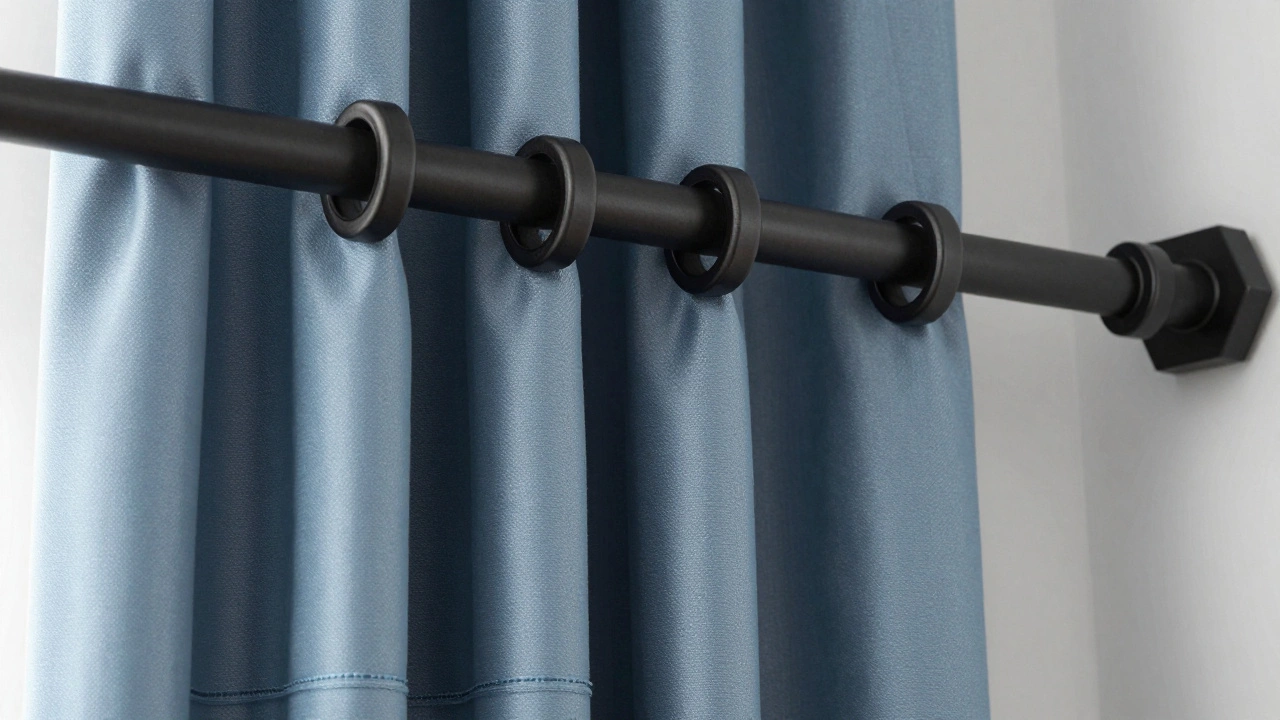
Curtain Rods are structural supports for window treatments that define the style and durability of the installation. Metal rods in brass, black matte, or chrome finish provide a sleek, modern anchor.- Metal Over Wood: Unless you’re going for a rustic farmhouse look, metal rods generally read as more upscale. Brushed brass adds warmth and vintage appeal. Matte black offers a sharp, contemporary contrast. Chrome is cool and industrial.
- Diameter: Thicker rods support heavier fabrics better and look more grounded. A 1-inch diameter rod is a safe minimum. Anything thinner looks fragile.
- Finials: These are the decorative ends of the rod. Keep them simple. Ornate, oversized finials can look dated. Sleek geometric shapes or plain caps work best for modern aesthetics.
- Rings vs. Grommets: Grommet-top curtains (where metal rings are embedded in the fabric) are easy to slide but can look casual. For a more tailored, high-end look, use separate wooden or metal rings on a continuous pole. They glide smoothly and allow the fabric to drape from a single point, creating cleaner lines.
Color and Pattern Strategy
Color choice impacts perception of cost more than you’d think. Loud, mismatched patterns often signal a DIY approach. Instead, lean into cohesion and subtlety.
Neutral tones-ivory, beige, gray, and taupe-are timeless and versatile. They blend seamlessly with various decor styles and make spaces feel airy and expansive. If you want color, choose muted, earthy shades like sage green, terracotta, or slate blue. These colors feel curated and sophisticated.
If you love pattern, keep it subtle. Small-scale geometrics, faint stripes, or tonal textures (like jacquard weaves) add interest without overwhelming the eye. Large, bold prints can work in accent rooms, but they risk looking trendy rather than timeless. Remember: trends fade; classics endure.
Another pro tip: match your curtain color to your wall color for a seamless, elongated look, or go one shade darker for definition. Avoid high-contrast clashes between curtains and walls unless you’re aiming for a specific graphic design statement.
Professional Finishing Touches
Even the best fabric looks amateurish if the edges are raw or uneven. Hemming is critical. A double-stitched hem adds weight to the bottom of the curtain, helping it hang straight and resist curling. It also gives the edge a clean, finished look.
Consider adding a lining. Unlined curtains can look see-through and flimsy, especially in bright rooms. A blackout or thermal lining adds opacity, improves insulation, and helps the outer fabric drape more smoothly. It also protects delicate fabrics from UV damage, extending their lifespan.
Finally, steam your curtains before hanging. Wrinkles from packaging can ruin the first impression. Use a handheld steamer to remove creases, paying special attention to the folds. Smooth, crisp lines signal care and attention to detail-hallmarks of a high-end interior.
Can cheap curtains look expensive?
Yes, if you focus on fit and installation. Hang them high and wide, ensure they touch the floor, and iron out any wrinkles. Heavy, opaque fabrics in neutral colors also help mask lower price points by mimicking the drape of luxury textiles.
Should curtains touch the floor or float above it?
For a modern, clean look, let them "kiss" the floor (just touch it). Floating ½ inch above works for minimalist styles. Puddling (pooling on the floor) looks traditional and luxurious but requires more maintenance. Avoid stopping mid-sill, as it makes ceilings look lower.
What fabric looks the most expensive?
Linen, silk blends, and velvet are perceived as the most luxurious. Linen offers a natural, textured elegance; silk blends provide a soft glow; velvet adds depth and richness. Avoid shiny synthetics that reflect light harshly.
How wide should curtains be for a large window?
Aim for a total width of 2 to 3 times the width of your window. For example, a 60-inch window needs 120-180 inches of total curtain fabric. This ensures full, generous folds when closed and ample light when open.
Do I need a curtain liner?
Not strictly necessary, but highly recommended for a high-end look. Lining adds opacity, improves drape, protects fabric from sun damage, and enhances energy efficiency. It makes even lighter fabrics look substantial and structured.