Curtain Width & Panel Calculator
Window Details
Your Results
Recommended Panels (Standard Retail Sizes)
To buy: --
There is nothing worse than hanging brand-new curtains only to realize they look like sad, stretched-out sheets. You spent good money on fabric that matches your sofa perfectly, but because you bought the exact width of the window, the room feels cheap and unfinished. It happens to the best of us. We assume a 72-inch window needs a 72-inch curtain. Spoiler alert: it does not.
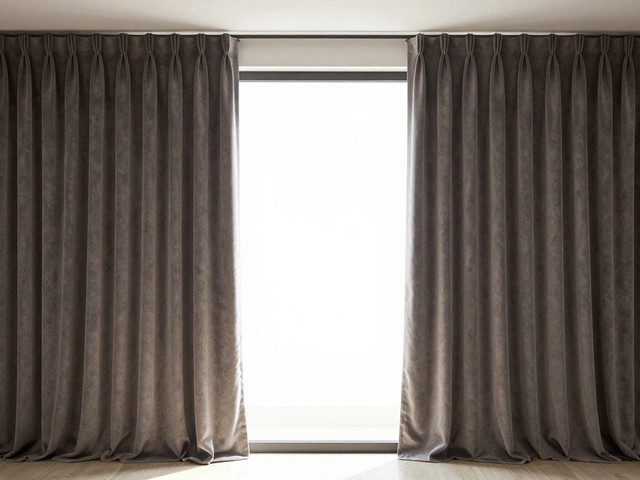
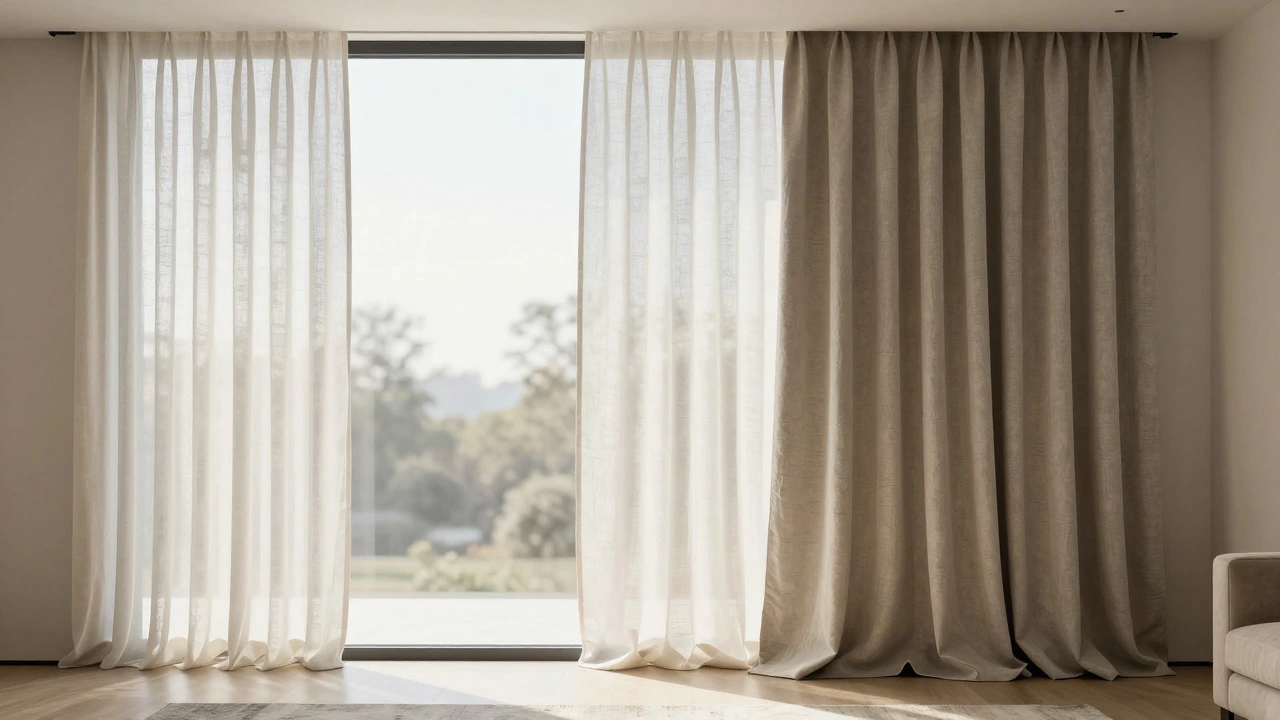
If you want your home to look designed rather than DIY’d, you need to understand one simple rule: volume creates luxury. Thin curtains are functional; full curtains are beautiful. This guide breaks down exactly how much fabric you need for a standard 6-foot window, how different mounting styles change the math, and why your budget might dictate a slightly different approach.
The Golden Rule of Curtain Fullness
To get that rich, gathered look when your curtains are open, you need more fabric than the width of your window. The industry standard for curtain fullness is a 1.5 to 2 times multiplier of the window width. This means if your window opening is 72 inches wide, your total finished curtain width should be between 108 inches and 144 inches.
Why this range? A 1.5x ratio gives you a light, airy gather. It works well for sheer panels or lightweight cottons where you want maximum light filtration. A 2x ratio provides substantial folds and depth. This is what you see in high-end hotels and designer homes. If you go below 1.5x, the fabric looks taut and strained when drawn shut. If you go above 2x, you risk overwhelming the window and wasting money on excess fabric that just bunches up awkwardly.
Let’s do the math for your specific situation:
- Minimum Width (1.5x): 72 inches × 1.5 = 108 inches total.
- Ideal Width (2x): 72 inches × 2 = 144 inches total.
This total width includes both panels. So, if you are buying two separate panels, each panel should ideally be 54 inches wide for the minimum look, or 72 inches wide for the plush, luxurious look.
Does Your Hardware Change the Math?
The type of heading style you choose dramatically affects how much fabric you actually need. Not all curtains fold the same way. Some styles naturally create bulk, while others lie flat against the wall.
| Heading Style | Visual Effect | Recommended Multiplier |
|---|---|---|
| Pinch Pleat | Formal, structured, heavy folds | 2x to 2.5x |
| Pencil Pleat | Tight, uniform gathers | 2x |
| Rod Pocket | Casual, soft, uneven bunching | 1.5x to 2x |
| Grommet/Tab Top | Modern, clean lines, less bulk | 1.5x to 1.75x |
| Sheer/Linen | Airy, translucent, delicate | 1.5x |
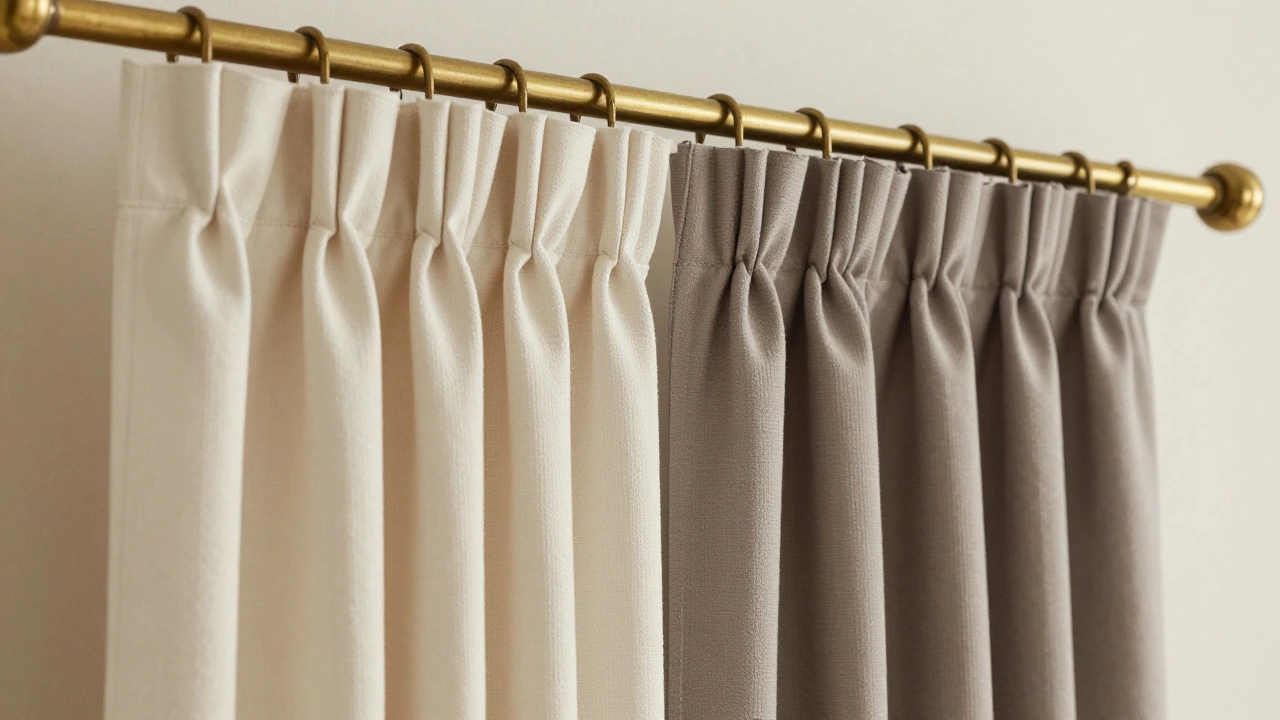
If you love the crisp, tailored look of pinch pleats, you cannot skimp on width. These require significant fabric to form those deep, elegant valleys. For a 72-inch window, pinch pleats demand at least 144 inches of total width, often closer to 180 inches (2.5x) for a truly grand appearance. On the other hand, grommet top curtains hang in straight, cylindrical folds. They don’t need as much extra fabric to look good because the hardware does the work of creating structure. Here, 1.5x is usually sufficient and visually pleasing.
Buying Panels vs. Making Them Custom
Most people buy ready-made panels from big-box stores or online retailers. This introduces a new variable: panel size limitations. Standard retail panels typically come in widths of 52 inches, 54 inches, or sometimes 42 inches. They rarely come in custom widths unless you order made-to-measure, which costs significantly more.
Here is how you make the math work with off-the-shelf products for a 72-inch window:
Scenario A: The Budget-Friendly Approach (1.5x Fullness) You need 108 inches total. Two standard 54-inch panels equal 108 inches. Perfect. This fits the minimum requirement. However, keep in mind that 54-inch panels are often sold as "one side" or "pair." Always check the label. If the package says "Total Width: 108 inches," you are golden. If it says "Panel Width: 54 inches," you need to buy two packages (four panels) if you want to stack them, or just one pair if you accept the thinner look.
Scenario B: The Luxury Look (2x Fullness) You need 144 inches total. Two 54-inch panels only give you 108 inches. You are short by 36 inches. To hit the 2x mark, you have three options: 1. Buy four 54-inch panels and layer them (two per side). This creates massive fullness. 2. Find wider panels. Some brands sell 72-inch wide panels. Two of these would give you 144 inches total. 3. Accept a 1.75x fullness. Buy two 54-inch panels and add a third panel on one side, or simply live with the slightly lighter gather. Honestly, 1.5x is acceptable for most casual rooms like bedrooms or sunrooms.
Mounting Matters: Inside vs. Outside Mount
Where you place the curtain rod changes the effective width of your window. This is a critical step that many homeowners skip, leading to curtains that don’t cover the wall properly or block too much light.
Inside Mount If you mount the rod inside the window frame, your curtain width calculation stays strictly tied to the glass opening. Measure the actual clear width of the window casing. If your window is listed as 72 inches, measure it yourself. Old houses often have irregular frames. If the clear opening is actually 70 inches due to trim, calculate based on 70 inches. Inside mounts look clean and modern but limit the amount of light control since the curtain sits behind the trim.
Outside Mount This is the pro move. Mounting the rod above and wider than the window makes the window appear larger. You should extend the rod at least 4 to 6 inches beyond the window frame on each side. So, for a 72-inch window, your rod might span 80 to 84 inches. Now, recalculate your curtain width based on the rod length, not the window width. If your rod is 84 inches long, you need 168 inches to 252 inches of total curtain width. This ensures that when the curtains are open, they pull back far enough to reveal the entire glass pane without blocking any light.
Fabric Weight and Drape Behavior
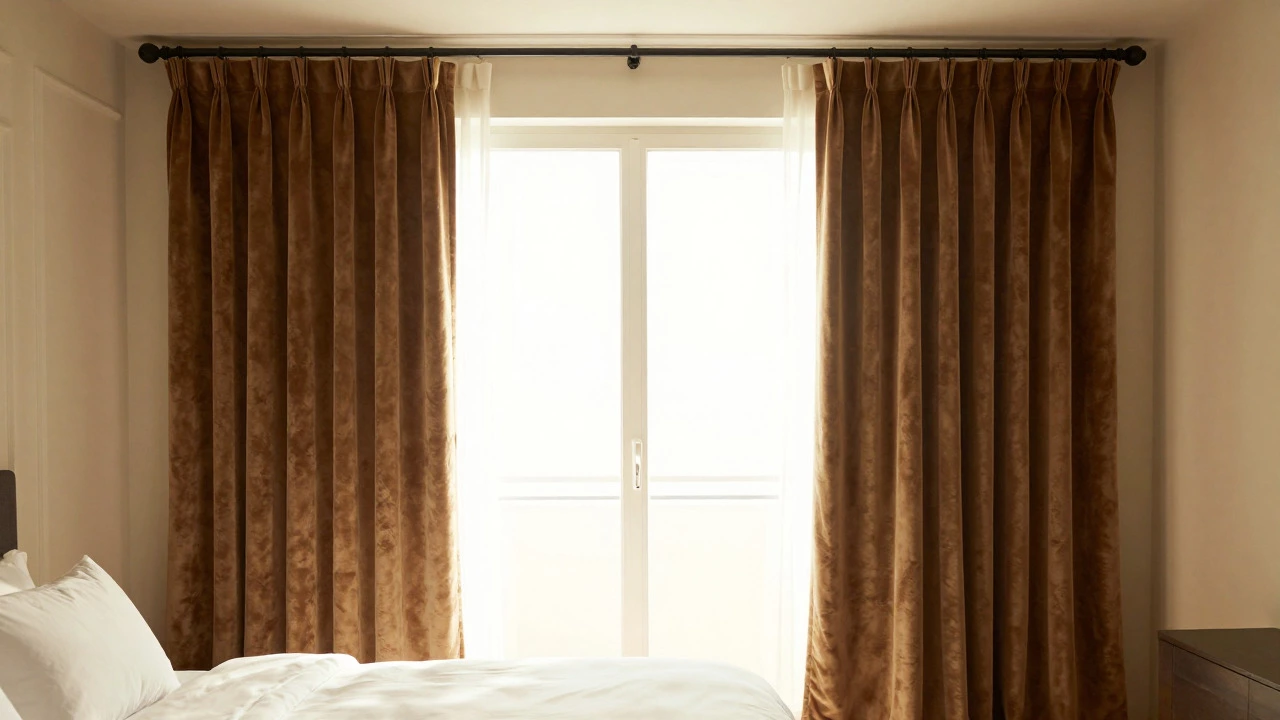
The material itself dictates how the curtains fall. Heavy fabrics like velvet, brocade, or thick blackout linen hold their shape better and require less width to look substantial. Light fabrics like voile, thin cotton, or linen blends tend to drape loosely and can look skimpy if not given enough volume.
If you are using blackout lining, the added weight helps the fabric hang straighter. This allows you to stick closer to the 1.5x ratio without looking flimsy. Conversely, unlined sheers need that extra bulk to create visual interest. Without sufficient width, sheer curtains look like plastic wrap over your window. Aim for the higher end of the spectrum (2x) when working with delicate materials.
Common Mistakes to Avoid
We have all seen it: curtains that touch the floor but are so narrow they look like vertical stripes. Avoid these pitfalls:
- Ignoring Stack Back Depth: When closed, curtains take up space. If your window has a deep sill or radiators behind it, ensure your chosen width doesn’t cause the curtains to bunch up so tightly that they tear the fabric or jam the rod. Wider rods help distribute the stack-back evenly.
- Mismatched Panels: Never mix different batches of fabric if possible. Even from the same manufacturer, dye lots vary. A 54-inch panel from Batch A might look slightly lighter than Batch B. Buy all panels at once.
- Forgetting Hem Allowances: Ready-made curtains include hems. Custom orders do not always factor this into the "finished width" clearly. Always ask for the "finished width" measurement, not the "cut width."
Final Checklist for Your 72-Inch Window
Before you click "buy," run through this quick mental check: 1. Measure the actual window opening or planned rod length. 2. Multiply by 1.5 for a casual look or 2 for a formal look. 3. Check the heading style. Pinch pleats need more width; grommets need less. 4. Verify the panel dimensions on the product page. Are you buying one panel or a pair? 5. Consider the fabric weight. Heavier fabrics forgive lower fullness ratios better than light ones.
Getting the width right transforms a window from an afterthought into a focal point. It adds texture, warmth, and scale to your room. Don’t let a few dollars saved on fabric ruin the aesthetic of your space. Invest in the fullness, and your eyes will thank you every time you walk into the room.
How many 54-inch curtain panels do I need for a 72-inch window?
For a standard 72-inch window, you generally need two 54-inch panels to achieve a 1.5x fullness ratio (108 inches total). This provides a moderate, casual gather. If you prefer a fuller, more luxurious look (2x ratio), you would need four 54-inch panels (144 inches total) or two wider 72-inch panels.
Should my curtains be wider than my window?
Yes, absolutely. Curtains should always be wider than the window opening to allow for gathering. If they are the same width, they will look tight and flat when closed. Aim for 1.5 to 2 times the width of the window for proper drape and aesthetics.
What is the difference between 1.5x and 2x curtain fullness?
A 1.5x fullness ratio creates a lighter, airier look with fewer folds, suitable for sheers or casual rooms. A 2x fullness ratio creates deeper, richer folds and a more formal, expensive appearance. The 2x ratio is recommended for heavy fabrics like velvet or for living rooms where you want a statement piece.
Do grommet curtains need to be wider than pinch pleat curtains?
No, grommet curtains typically require less width than pinch pleats. Grommets create natural, cylindrical folds that look good with less fabric (around 1.5x width). Pinch pleats rely on deep, structured folds that require more fabric to maintain their shape, often needing 2x to 2.5x the window width.
How wide should the curtain rod be for a 72-inch window?
For an inside mount, the rod should fit within the window frame, typically around 70-72 inches depending on trim. For an outside mount, which is recommended for a larger appearance, extend the rod 4-6 inches beyond the window on each side. This results in a rod length of approximately 80 to 84 inches.