5x10 Storage Unit Space Planner
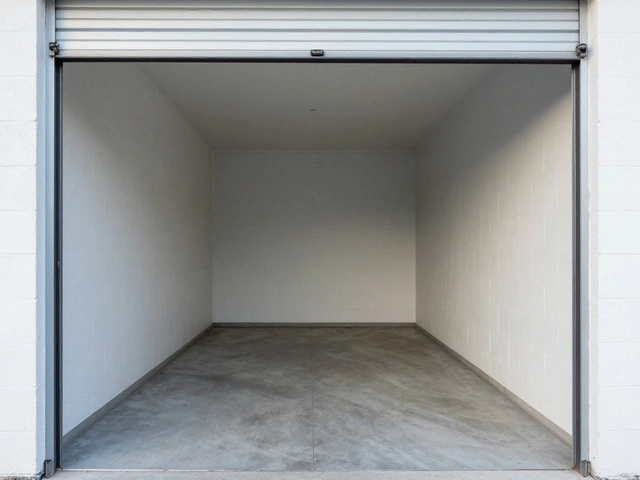
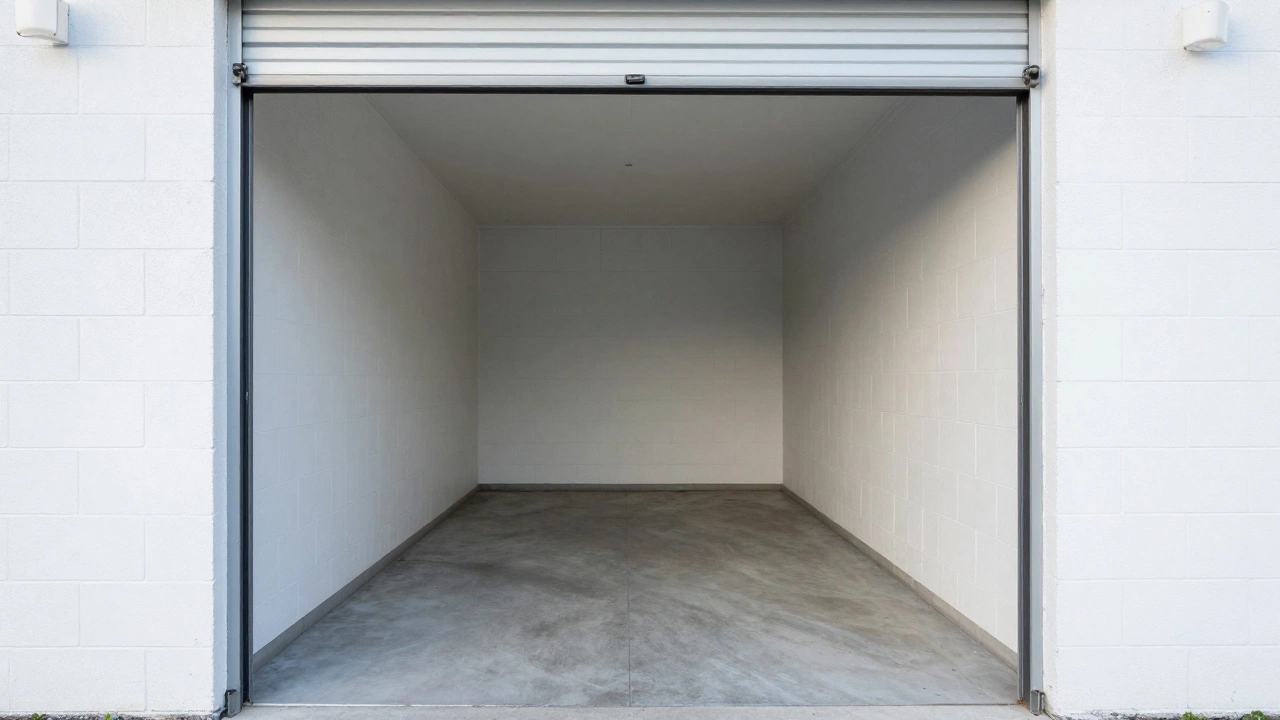
You’ve got the keys. You’ve got the padcode. Now you’re standing in front of a narrow, boxy room that looks suspiciously like a large closet or a small bedroom. It’s a 5x10 storage unit is a compact self-storage space measuring five feet wide by ten feet long, offering 50 square feet of floor area. It sounds tiny until you realize it’s actually one of the most versatile sizes for apartment moves, seasonal gear, or clearing out a garage. But here is the real question: what exactly will fit inside without turning into a Tetris nightmare?
If you are planning to move a studio apartment, store your winter tires, or declutter your home office, this size is often the sweet spot. It is big enough to hold significant volume but small enough to keep costs low. Let’s break down exactly what fits, how to pack it smartly, and what you should absolutely avoid cramming in there.
The Dimensions: More Than Just Square Footage
Before we talk about furniture, let’s look at the geometry. A standard 5x10 unit gives you 50 square feet of floor space. However, storage isn’t just about the floor; it’s about vertical space too. Most facilities offer ceiling heights between 8 and 10 feet. This means you have roughly 400 to 500 cubic feet of total air space to work with.
Think of it as a walk-in closet on steroids. The width (5 feet) is the constraint. You cannot park a car in here (obviously), and you can’t fit two mattresses side-by-side if they are wider than 2.5 feet each. The length (10 feet) allows you to stack things deep. The trick is maximizing that vertical height while keeping the door accessible.
| Dimension | Measurement | Note |
|---|---|---|
| Floor Area | 50 sq ft | Equivalent to a small bedroom |
| Ceiling Height | 8-10 ft | Varies by facility |
| Total Volume | 400-500 cu ft | Key for stacking calculations | r>
| Door Width | 6-8 ft | Roll-up doors allow wide entry |
What Fits: Real-World Scenarios
Abstract numbers don’t help much when you are holding a cardboard box. Here is what a 5x10 unit typically holds in practical terms. These estimates assume you are packing efficiently, not leaving gaps everywhere.
- A Studio Apartment: You can fit the contents of a single-room apartment. This includes a queen-size bed frame and mattress, a sofa, a dining table with four chairs, and several boxes of kitchenware and clothes.
- A One-Bedroom Apartment (Light): If you strip away the heavy stuff, you can store the essentials. Think mattresses, dressers, bookshelves, and boxed personal items. You might need to leave behind the large sectional or the dining set.
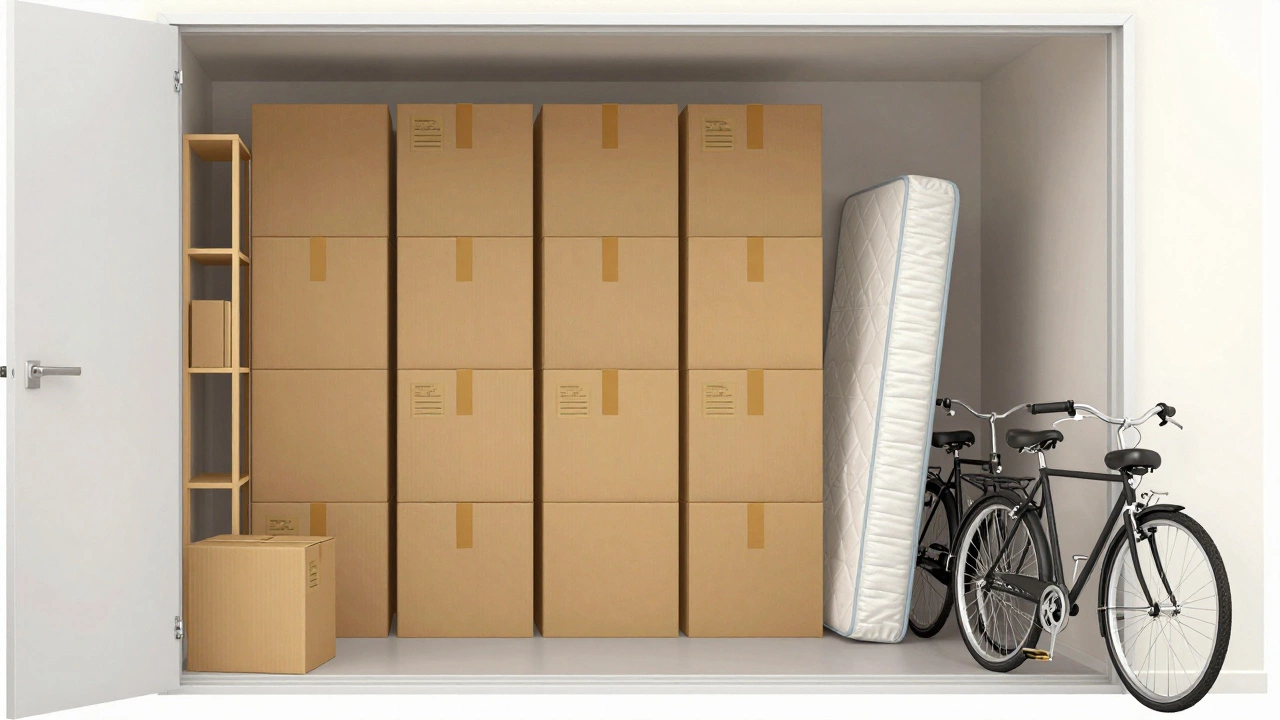
- Garage & Seasonal Items: This is perfect for storing holiday decorations, camping gear, lawn mowers, bicycles, and sports equipment. You could easily fit two bicycles, a lawnmower, a snowblower, and 20-30 boxes of seasonal decor.
- Business Inventory: Small businesses use these units for overflow stock. Imagine 100-150 medium-sized boxes of retail products, neatly stacked on pallets or shelves.
One specific example: If you are downsizing from a house to an apartment, you can likely store all your books, files, and non-essential furniture in one 5x10 unit. Just remember that bulky items like wardrobes take up more visual space than weight.
Packing Strategy: How to Maximize Every Inch
Having the right unit is only half the battle. How you pack determines whether you can actually close the door. Without a plan, you’ll end up with a chaotic pile where you can’t find anything.
- Start with the Heaviest Items: Place your heaviest boxes and sturdy furniture against the back wall. This creates a stable foundation. Never put light boxes on top of heavy ones unless they are sealed tight.
- Build Walls, Not Piles: Instead of stacking boxes randomly, build vertical columns. Use shelving units if you have them. Metal wire racks are excellent because they allow airflow and let you see what’s behind them.
- Utilize Vertical Space: Since the ceiling is high, stack boxes up to the rafters. Put lighter, less fragile items on top. Keep frequently accessed items near the front and bottom.
- Disassemble Everything: Take legs off tables. Remove doors from cabinets. Flatten cardboard boxes. A disassembled bookshelf takes up 70% less space than an assembled one.
- Leave an Aisle: Always leave a clear path from the door to the back. If you block the aisle, you won’t be able to retrieve items from the rear without dismantling the entire unit.
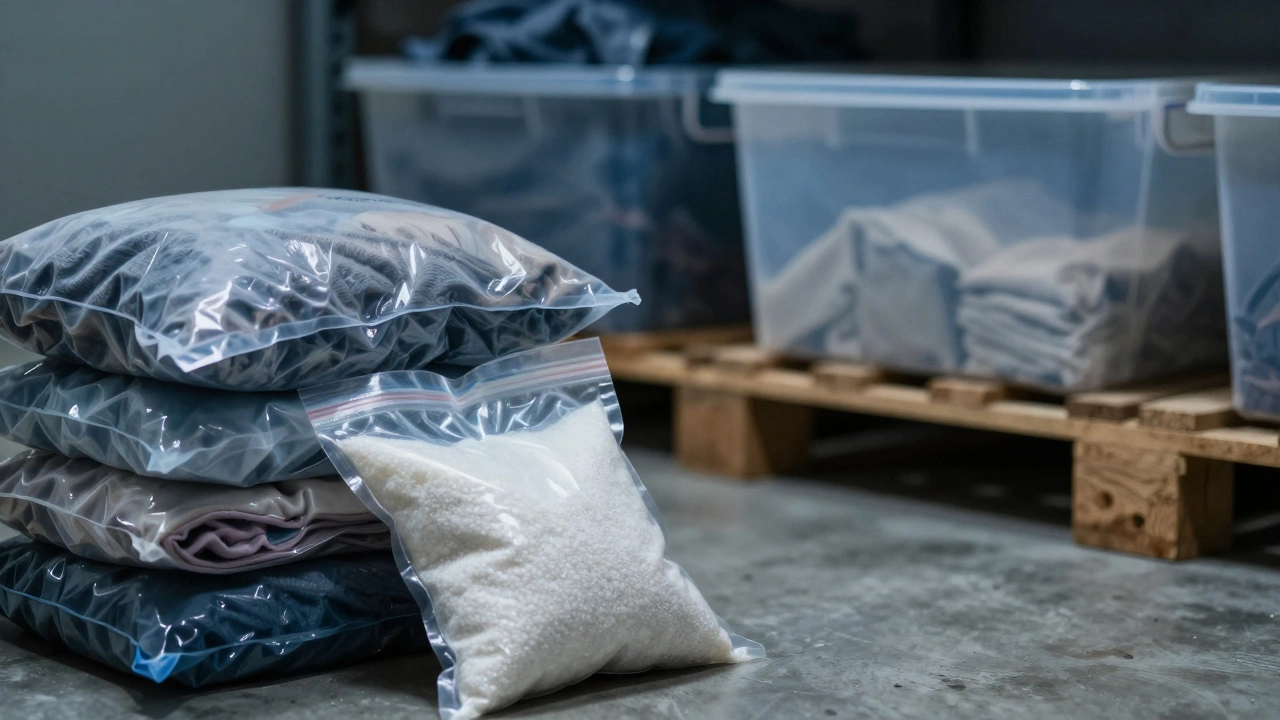
Pro tip: Use vacuum-seal bags for clothing and linens. They reduce bulk by up to 80%, freeing up massive amounts of space for rigid furniture pieces.
What NOT to Store in a 5x10 Unit
Just because it fits doesn’t mean it belongs there. Standard storage units are rarely climate-controlled unless you pay extra. Even then, there are limitations. Storing the wrong items can lead to damage, pests, or even legal issues.
- Perishable Food: No leftovers, no canned goods (they attract rodents). Temperature fluctuations cause cans to bulge and burst.
- Live Plants or Pets: This is illegal and cruel. Units lack ventilation, temperature control, and light. Plants will die; pets will suffer.
- Hazardous Materials: Gasoline, propane tanks, paint thinners, and cleaning chemicals are fire hazards. Most facilities ban these outright.
- Valuables: Jewelry, cash, passports, and important documents should stay with you. Insurance policies often exclude high-value items stored off-site.
- Moisture-Sensitive Electronics: Unless the unit is climate-controlled, humidity can damage computers, cameras, and musical instruments. Condensation forms when temperatures drop overnight.
If you must store sensitive items, invest in dehumidifiers and moisture-absorbing packets. Place them around the perimeter of the unit to combat dampness.
Cost Considerations for 2026
Why choose a 5x10 over a larger unit? Price. In 2026, self-storage rates have stabilized after the pandemic boom, but location still drives cost. In urban centers like Auckland or New York, a 5x10 unit might range from $150 to $300 per month. In suburban areas, you could find deals under $100.
Compare this to a 10x10 unit, which typically costs 50-70% more. If you don’t need the extra space, you are wasting money. A 5x10 is also cheaper to insure. Many renters’ insurance policies cover stored belongings, but check your limits. Some require a rider for off-premise storage.
Look for promotions. Many facilities offer “first month free” or “50% off first three months.” These deals are common in Q1 and Q4 when demand dips. Negotiate if you plan to stay long-term; managers often have discretion on monthly rates.
Comparison: 5x10 vs. Other Sizes
Is a 5x10 right for you? It depends on your inventory. Here is how it stacks up against other common sizes.
| Size | Sq Ft | Best For | Not Ideal For |
|---|---|---|---|
| 5x5 | 25 | Boxes, bikes, small furniture | Apartment contents |
| 5x10 | 50 | Studio apt, seasonal gear, garage cleanup | Full family home |
| 10x10 | 100 | 1-2 bedroom apartment | Budget-conscious users |
| 10x15 | 150 | 3-4 bedroom house | Small scale needs |
If you are unsure, start with a 5x10. It is easier to upgrade to a larger unit later than to downgrade. Overestimating leads to wasted cash; underestimating leads to stress. When in doubt, measure your largest items before booking.
Troubleshooting Common Issues
Even with the best plan, things go wrong. Here is how to handle typical problems.
Problem: The door won’t close. Solution: Check for protruding items. Sometimes a box corner sticks out. Reorganize the front row. Ensure nothing is leaning against the door track. If you are using shelving, make sure it is flush with the walls.
Problem: Moisture and mold. Solution: Elevate items off the concrete floor using pallets or plastic bins. Concrete wicks moisture. Use silica gel packs in closed containers. Visit the unit weekly to air it out if possible.
Problem: Can’t find anything. Solution: Label every box on multiple sides. Use a color-coding system (e.g., red for kitchen, blue for bedroom). Keep an inventory list on your phone. Take photos of stacked items before closing the door.
Can I fit a mattress in a 5x10 storage unit?
Yes, easily. A queen-size mattress is approximately 60 inches wide and 80 inches long. Since the unit is 60 inches wide, you can place the mattress flat against one wall. You can even stack a second mattress on top if needed, though it is better to stand them upright to save space.
Is a 5x10 unit enough for a one-bedroom apartment?
It depends on how much furniture you have. If you remove large items like sectionals, dining sets, and wardrobes, yes. You can fit mattresses, dressers, desks, and boxes. If you need to store everything, consider a 10x10 unit to avoid overcrowding.
Do I need climate control for a 5x10 unit?
If you are storing wood furniture, electronics, antiques, or documents, yes. Climate control prevents warping, rust, and mold. For seasonal items like coats, bikes, or plastic toys, a standard unit is sufficient and cheaper.
How many boxes fit in a 5x10 storage unit?
Approximately 100-150 medium-sized boxes (18x18x24 inches). This assumes efficient stacking and some empty space for access. If you mix boxes with furniture, expect fewer boxes. Large wardrobe boxes count as multiple regular boxes in terms of space.
Can I store my bicycle in a 5x10 unit?
Yes, you can fit two to three bicycles comfortably. Lean them against the wall or hang them from the ceiling if hooks are available. Removing the front wheel saves space and makes maneuvering easier.