German Storage Strategy Planner
Enter your apartment details below to find the most efficient storage strategy.
US Style: Built-In Closet
- Space Consumed
- Estimated Cost
- Flexibility Low (Fixed)
German Style: Kleiderschrank
- Footprint
- Estimated Cost
- Flexibility High (Movable)
Recommendation
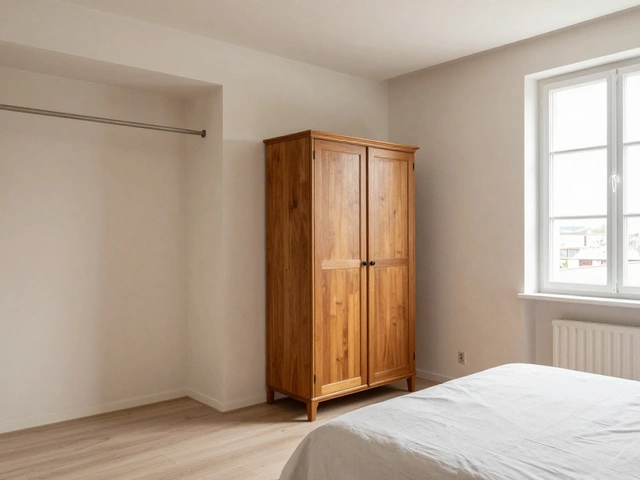
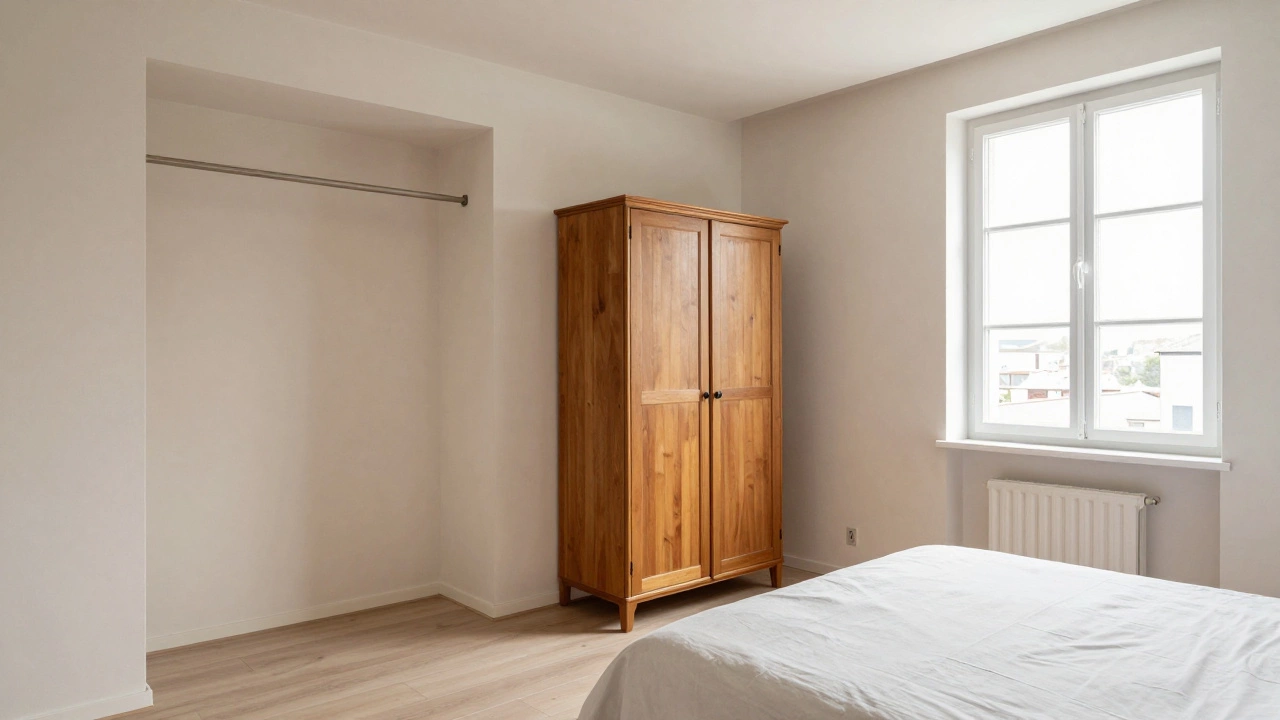
Walk into a typical American home, and you’ll likely find built-in closets in almost every bedroom. Now walk into a standard German apartment, often referred to as a Wohnung, and you might be met with bare walls and no obvious place to hang your winter coats. This stark difference isn’t an oversight or a sign of minimalism; it’s the result of decades of architectural history, building codes, and cultural habits that diverged significantly from those in North America.
If you’ve ever traveled to Germany or moved there for work, this lack of enclosed storage can feel jarring. You might wonder if Germans just don’t own clothes, or if they are secretly hoarding them under their beds. The reality is much more practical. Understanding why German homes operate without traditional closets helps explain not just how people live in Europe, but also offers some clever storage ideas that anyone can adapt, regardless of where they live.
The Historical Roots: Why Walls Stayed Bare
To understand the present, we have to look at the past. In the United States, the concept of the built-in closet became popular in the early 20th century. As houses grew larger and wealthier families wanted to display their status, architects began incorporating dedicated spaces for storing linens, clothing, and valuables directly into the floor plan. It was a luxury feature that eventually trickled down to middle-class housing.
In Germany, however, the trajectory was different. Following World War II, the country faced a massive housing crisis. Millions of buildings had been destroyed, and the priority was speed and efficiency. The government launched large-scale reconstruction projects, focusing on maximizing usable living space within small footprints. Building a room-or even a significant alcove-dedicated solely to storage was seen as a waste of valuable square meters. Every centimeter needed to be livable.
This post-war mindset stuck. Even as Germany rebuilt and prospered, the architectural standard remained focused on compact, efficient layouts. The idea of sacrificing wall space for a closet didn’t gain traction because the cultural expectation was that furniture would provide the storage, not the structure of the house itself.
The King of Storage: The Wardrobe (Kleiderschrank)
If you don’t have a closet, what do you use? The answer is simple: the Kleiderschrank, which translates directly to "clothes cabinet" or wardrobe. This piece of furniture is ubiquitous in German homes. Unlike the shallow, often awkwardly shaped closets found in older American homes, these wardrobes are deep, tall, and designed to maximize vertical space.
There are two main types you’ll encounter:
- Traditional Wooden Wardrobes: These are sturdy, often heavy pieces of furniture with sliding doors or hinged doors. They are built to last and can be moved from one apartment to another when you relocate.
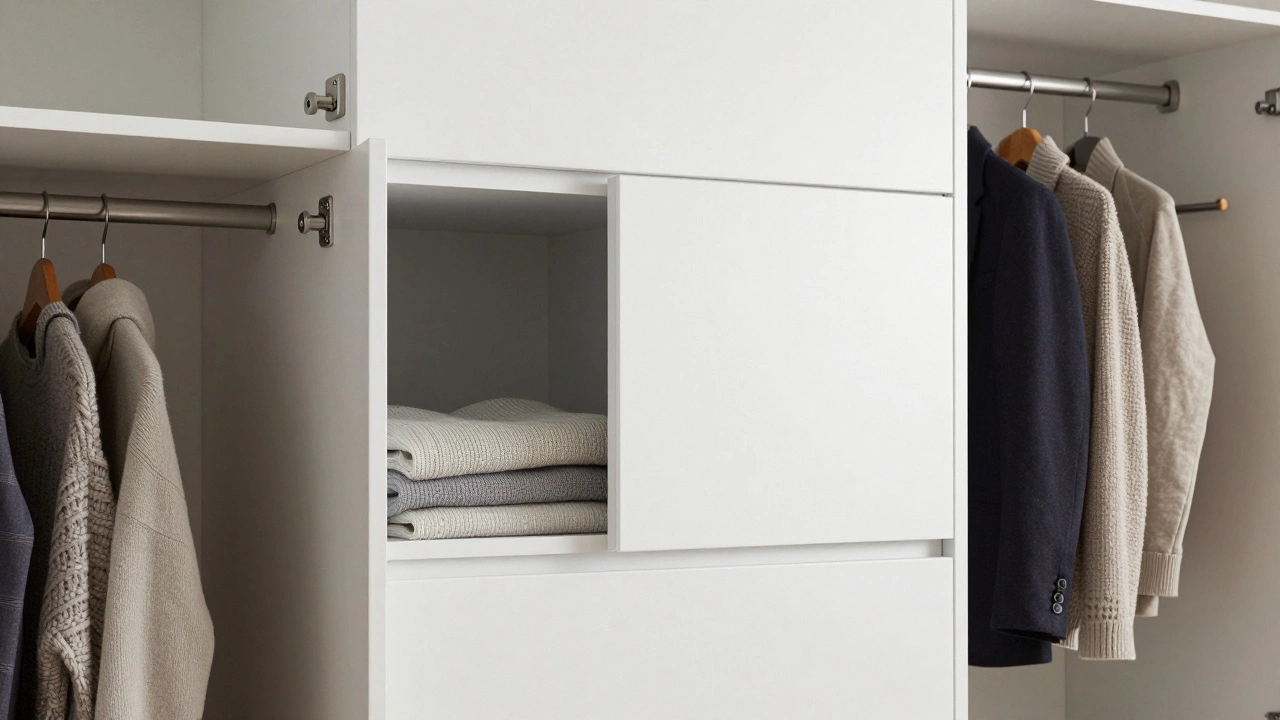
- Built-in Wall Units (Einbauschränke): While not a "closet" in the American sense of a recessed wall niche, many modern German apartments feature custom-built wall units that fit flush against the wall. These are essentially freestanding cabinets that have been integrated into the room’s design. They offer the same functionality as a closet but remain distinct furniture items rather than structural voids.
The beauty of the Kleiderschrank is its flexibility. If you move to a new city, you take your storage with you. In contrast, when Americans move, they leave the closets behind. For renters, who make up a significant portion of the German population, this mobility is crucial. You aren’t tied to the specific quirks of a previous owner’s renovation.
Open Storage and the Culture of Display
Beyond the wardrobe, German homes often embrace open storage solutions that Americans might find chaotic. Clothes racks, pegboards, and simple hooks are common sights in bedrooms and entryways. This isn’t just about saving money; it’s a functional approach to daily life.
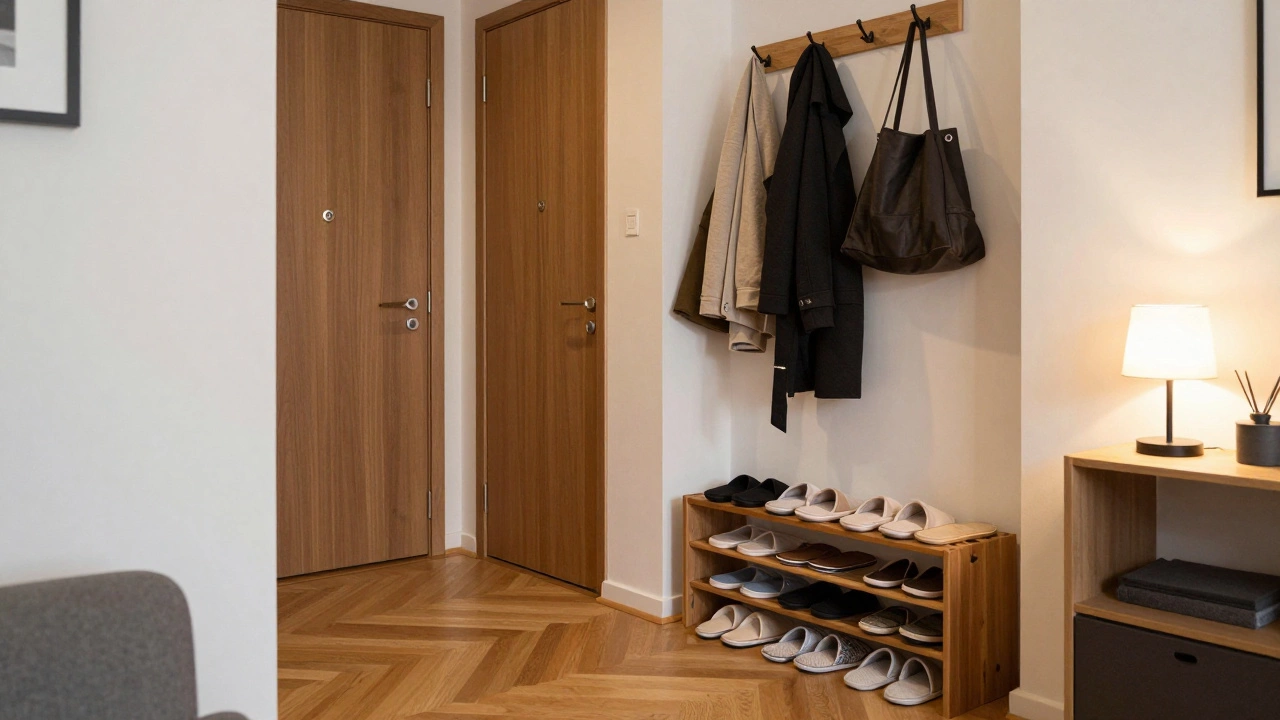
In many households, you’ll see a rack near the door for jackets and bags that are used frequently. Keeping these items accessible encourages a routine of tidying up before leaving the house. There’s less temptation to toss a coat onto a chair if there’s a designated hook right by the exit. This method promotes a kind of "visible organization" where everything has a place, even if that place isn’t hidden away.
This approach also ties into the German appreciation for quality over quantity. With fewer, higher-quality garments, there’s less need for vast amounts of hidden storage. People tend to curate their wardrobes more carefully, knowing that each item needs to be visible and accessible in their limited space.
Architectural Differences: Space Efficiency
Let’s look at the numbers. A typical one-bedroom apartment in a major German city like Berlin or Munich might range from 40 to 60 square meters (about 430 to 650 square feet). Compare this to a similar unit in the U.S., which might be 700 to 900 square feet. The difference is staggering.
In such compact spaces, every inch counts. A built-in closet requires a depth of at least 24 inches (60 cm) to accommodate hanging clothes properly. In a small German bedroom, dedicating 60 cm of wall length to a void that only holds hangers is inefficient. Instead, that space can be used for a bed, a desk, or a seating area. By using external wardrobes, homeowners can choose the exact dimensions they need, optimizing the footprint of their living area.
Furthermore, German building regulations prioritize natural light and ventilation. Large windows are common, and placing bulky structures or recessed walls can interfere with airflow and light distribution. Freestanding furniture allows for better manipulation of space, ensuring that rooms feel airy and open despite their small size.
| Feature | US Style (Built-in Closet) | German Style (Wardrobe/Open) |
|---|---|---|
| Space Usage | Fixed, non-reconfigurable | Flexible, movable |
| Mobility | Left behind when moving | Taken with you |
| Cost | Included in rent/home price | Purchased separately |
| Aesthetics | Hidden, out of sight | Visible, part of decor |
| Efficiency | Can waste space if poorly designed | Customizable to needs |
Adapting to Life Without Closets
If you’re moving to Germany or simply want to adopt a more efficient storage strategy, here are some practical tips to make the most of your space without relying on built-in closets.
- Invest in Quality Wardrobes: Look for deep, well-constructed wardrobes. IKEA’s PAX system is incredibly popular in Germany because it allows you to customize shelves, drawers, and hanging rods to fit your specific needs.
- Utilize Vertical Space: Install high shelves above doors or windows for items you rarely use. This keeps the floor clear and adds significant storage capacity.
- Embrace Open Racks: For everyday wear, a sturdy clothes rack can be both functional and stylish. It allows you to see all your options at a glance, reducing the time spent searching for outfits.
- Under-Bed Storage: Use rolling bins or drawers underneath your bed for seasonal clothing. This is a classic solution that works perfectly in compact apartments.
- Multi-Functional Furniture: Consider ottomans with storage inside or beds with built-in drawers. Every piece of furniture should earn its keep by serving more than one purpose.
These strategies not only help in German apartments but are also excellent for anyone living in smaller urban dwellings anywhere in the world. The key is to think outside the box-literally-and realize that storage doesn’t have to be hidden to be effective.
Cultural Perspectives on Clutter
There’s also a cultural element at play. In Germany, there’s a strong emphasis on order and cleanliness, known as Ordnung. Having everything in its place is important, but hiding clutter behind closed doors isn’t always the goal. Instead, the focus is on maintaining a tidy environment through regular upkeep.
Open storage forces you to confront your belongings. If things start to pile up, it’s immediately visible. This can act as a motivator to declutter regularly. Many Germans practice a form of minimalism not by choice alone, but by necessity. When you have limited space, you become more mindful of what you bring into your home. This leads to a more sustainable lifestyle, with less impulse buying and more appreciation for existing possessions.
It’s worth noting that this isn’t universal. Wealthier Germans in larger villas or newly constructed homes may indeed have built-in closets. However, for the average person renting in a city center, the wardrobe remains the king of storage.
Is the Trend Changing?
With globalization and increased exposure to American media, some younger Germans are beginning to appreciate the convenience of built-in closets. Newer developments, particularly those targeting international expats, sometimes include these features to appeal to a broader market. Additionally, interior designers are finding creative ways to integrate closet-like spaces into existing apartments using modular systems.
However, the fundamental architecture of most German housing stock won’t change overnight. The charm of these homes lies in their character and efficiency. Rather than forcing a square peg into a round hole, embracing the local storage culture can lead to a more organized and intentional way of living.
So, the next time you visit a German friend and notice the lack of closets, don’t be alarmed. Just look for the Kleiderschrank. It’s doing exactly what it’s supposed to do, keeping their lives orderly and their spaces open.
Do any German homes have built-in closets?
Yes, but they are rare. You might find them in newer luxury apartments, villas, or homes renovated by owners influenced by American styles. Most standard rental apartments, especially those built before the 1990s, do not have built-in closets.
What is the German word for wardrobe?
The German word for wardrobe is Kleiderschrank. Sometimes, people also refer to it as a Garderobe, though this can also mean a coat closet or hallway storage area.
How do Germans store shoes without closets?
Shoes are typically stored in shoe racks (Schuhregal) in the entryway or hallway. Many Germans prefer to keep indoor slippers or socks for inside the house, reducing the need for extensive shoe storage in living areas.
Is it expensive to buy wardrobes in Germany?
Prices vary widely. Budget options from stores like IKEA or Action can cost between €100 and €300. High-end custom built-ins (Einbauschränke) can cost several thousand euros. Second-hand markets are also very active, offering affordable alternatives.
Can I install a closet in my German apartment?
As a tenant, you generally cannot make structural changes like knocking down walls to create a closet without the landlord's permission, which is often denied. However, you can install freestanding wardrobes or modular systems that don't damage the walls.