Chairlift Cost & Coverage Estimator
Your Personalized Estimate
Estimated Base Cost:
Potential Tax Deduction:
If total medical expenses exceed 7.5% of AGIExpected Out-of-Pocket:
Recommended Action Plan
Note: This tool provides estimates based on general data. Actual costs vary by region and installer. Coverage decisions are made by individual insurance providers and government agencies. Always consult with professionals for final determinations.
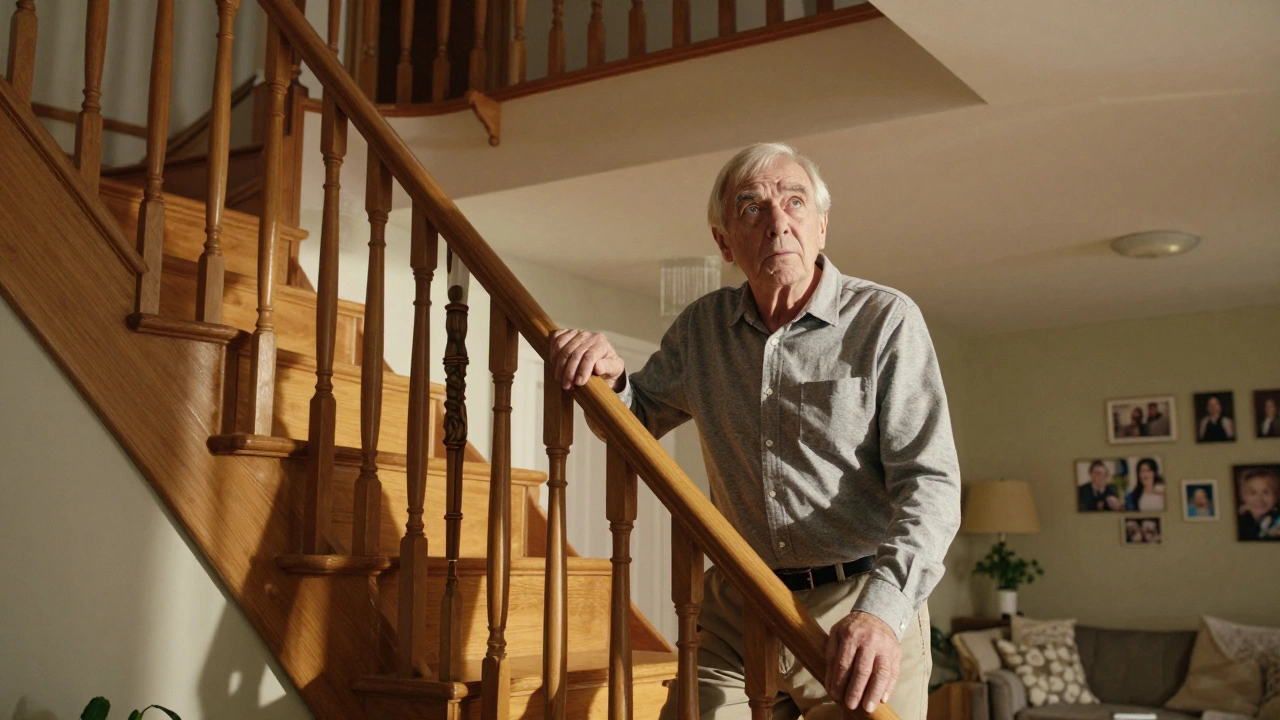
Imagine you’ve lived in your two-story home for thirty years. It’s where you raised your kids, hosted holidays, and built memories. But now, getting up those stairs feels less like a daily routine and more like a mountain climb. Your knees ache, your balance isn’t what it used to be, and the thought of falling keeps you awake at night. You hear about chairlifts, also known as stairlifts, which are motorized seats that travel along a rail installed on your staircase. They promise independence and safety. Naturally, you wonder: will the government help pay for this expensive piece of machinery?
The short answer is no. Social Security Administration (SSA) does not provide direct payments for home modifications or medical equipment like chairlifts. Social Security Disability Insurance (SSDI) and Supplemental Security Income (SSI) are cash benefit programs designed to replace lost income or provide basic financial support. They are not health insurance plans. However, there is often confusion because many people associate "Social Security" with healthcare coverage, which actually falls under Medicare, a separate federal program. Understanding this distinction is crucial before you spend hours filling out forms that won’t lead anywhere.
The Difference Between Social Security and Medicare
To navigate this landscape, you first need to separate the money from the medical care. Social Security handles retirement and disability checks. Medicare handles hospital stays, doctor visits, and some medical supplies. If you are receiving SSDI, you automatically qualify for Medicare after a 24-month waiting period. This connection is why so many seniors assume their benefits cover everything related to their health condition.
However, even Medicare has strict rules. Original Medicare (Part A and Part B) generally classifies a chairlift as a home modification, not Durable Medical Equipment (DME). DME includes items like wheelchairs, walkers, and hospital beds-things that are portable and used repeatedly for medical purposes. A chairlift is permanently attached to your home structure. Because it modifies the building rather than being a standalone medical device, Medicare typically denies coverage for the installation cost.
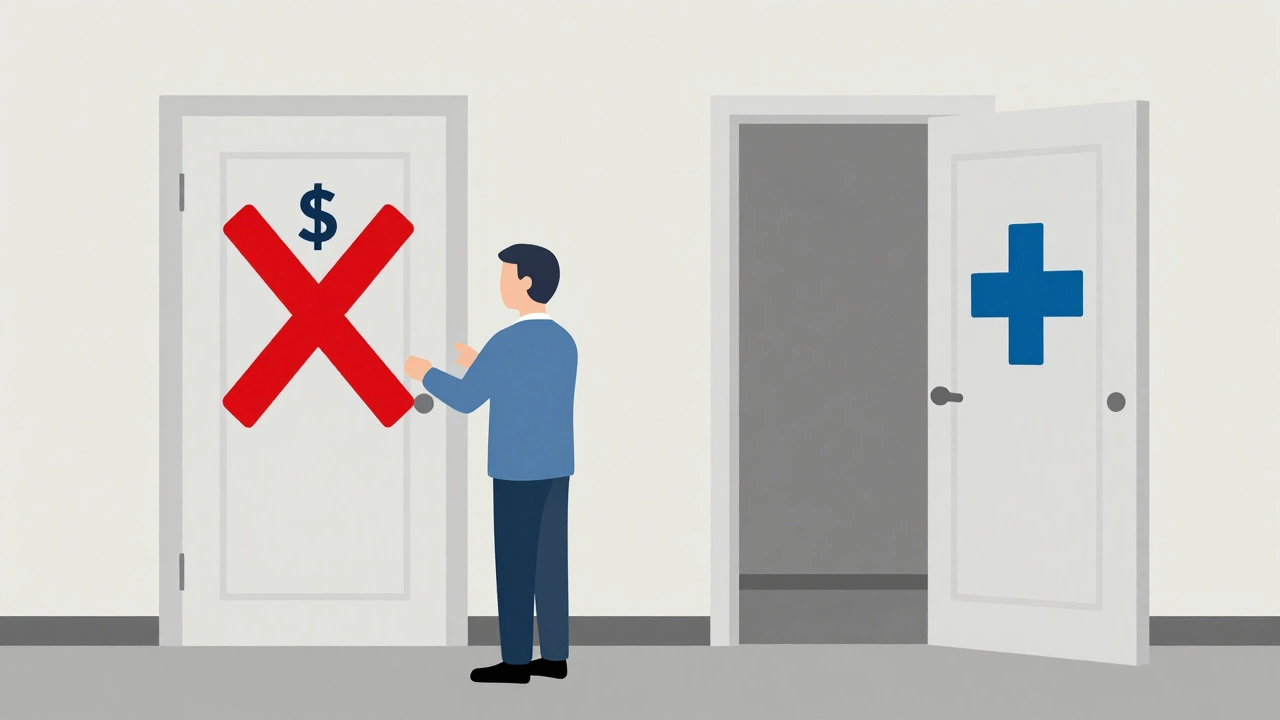
This doesn’t mean you’re entirely out of luck, but it means you have to look beyond the standard SSA check. You need to investigate private insurance, Medicaid waivers, and veteran benefits if applicable. Let’s break down where the actual funding might come from.
When Might Medicare Cover Part of the Cost?
While rare, there are specific scenarios where Medicare might contribute. This usually happens only if the chairlift is considered essential for a specific medical procedure or therapy that cannot be performed otherwise. For example, if a patient needs regular physical therapy sessions on the second floor and cannot access that room without a lift, a doctor might argue the lift is medically necessary for the treatment plan.
Even in these cases, Medicare rarely pays for the entire unit. They might cover the rental of a temporary lift during a recovery period, such as after a hip replacement surgery, while you heal enough to use the stairs again. Permanent installations almost never get full reimbursement. To pursue this, you would need:
- A detailed letter of medical necessity from your physician.
- Proof that no other alternative (like moving to a single-level home) is feasible.
- Prior authorization from your Medicare Administrative Contractor.
Keep in mind that approval rates for permanent stairlifts under Original Medicare are extremely low. Most claims are denied upon initial review.
Medicaid: The Wild Card for Low-Income Individuals
If you have limited income and resources, Medicaid may offer a pathway to coverage. Unlike Medicare, Medicaid is a joint federal and state program, meaning rules vary significantly depending on where you live. Some states have "Home and Community-Based Services" (HCBS) waivers that allow them to spend federal funds on home modifications to keep individuals living safely at home rather than in nursing facilities.
In certain states, a chairlift can be approved under these waivers if it prevents institutionalization. You would need to apply through your state’s Medicaid office and demonstrate that the lift is critical for maintaining your independence. The process involves rigorous financial assessments and medical evaluations. If approved, the state might pay for the installation directly or reimburse you after purchase.
It is important to note that Medicaid eligibility thresholds are strict. If your assets exceed the limit, you may not qualify unless you engage in asset protection planning well in advance. Consulting with a elder law attorney or a certified planner can help you understand if this route is viable for your situation.
Private Health Insurance and Long-Term Care Policies
Your next stop should be your private health insurance provider. Many employer-sponsored plans or individually purchased policies include provisions for home accessibility modifications. Check your policy’s summary of benefits for terms like "home safety equipment," "barrier removal," or "durable medical equipment."
If you have a long-term care insurance policy, this is one of the most promising avenues. These policies are specifically designed to cover costs associated with aging in place, including home modifications. Review your contract for clauses related to "adaptive equipment" or "home improvements." Some policies require a waiting period or a minimum number of days of skilled nursing care before benefits kick in, so read the fine print carefully.
| Funding Source | Likelihood of Coverage | Key Requirements |
|---|---|---|
| Social Security (SSDI/SSI) | None | Cash benefits only; no medical equipment coverage. |
| Original Medicare | Very Low | Must be deemed medically necessary for specific therapy; often denied as home modification. |
| Medicaid Waivers | Moderate (Varies by State) | Low income/assets; must prevent nursing home placement. |
| Private Health Insurance | Low to Moderate | Depends on individual policy terms; requires pre-authorization. |
| Long-Term Care Insurance | High | Policy must include home modification benefits; waiting periods may apply. |
| Veterans Affairs (VA) | High (For Eligible Veterans) | Service-connected disability rating; Special Housing Adaptation grant. |
Veterans Benefits: A Significant Opportunity
If you or your spouse served in the military, the Department of Veterans Affairs (VA) offers robust support. The VA provides grants for home modifications through its Housing Adaptation Programs. Specifically, the Special Housing Adaptation (SHA) grant and the Supervised Living and Accessibility Improvement (SLAI) grant can cover the cost of installing a chairlift if it is determined necessary due to a service-connected disability.
The SHA grant can provide up to $100,000 (amounts adjust annually for inflation) for major renovations. Even if you don’t qualify for the full grant, smaller repairs and alterations grants are available for veterans with lower disability ratings. Applying through the VA is often more straightforward than navigating Medicaid, provided you meet the service-connected criteria.
Tax Deductions and Financial Assistance Programs
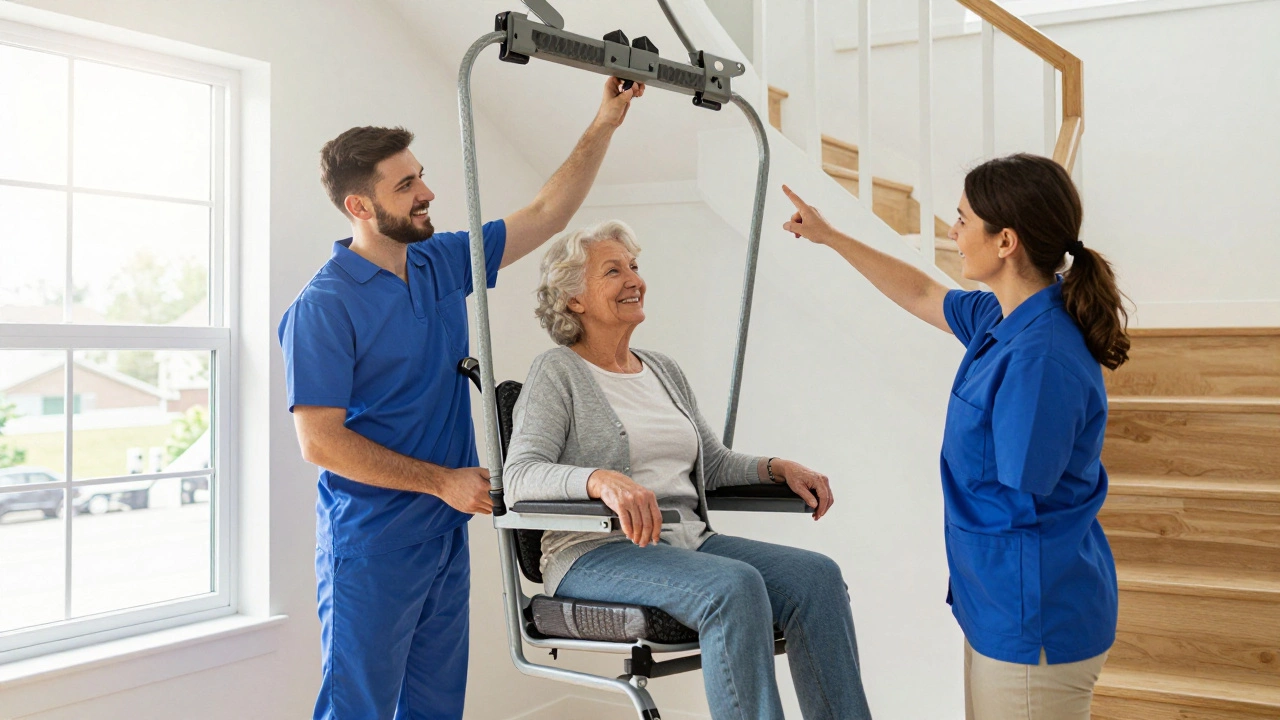
If no insurance covers the cost, you can still reduce the financial burden through tax deductions. The IRS allows you to deduct the cost of medically necessary home improvements as part of your medical expenses on Schedule A of your tax return. This includes chairlifts, ramps, and grab bars.
To claim this deduction, the total of your unreimbursed medical expenses must exceed 7.5% of your adjusted gross income (AGI). If you install a chairlift solely for medical reasons, you can deduct the entire cost. If the improvement increases your home’s value (which a stairlift generally does not, and may slightly decrease), you can still deduct the full amount if it is primarily for medical care. Keep all receipts and documentation from your doctor linking the need for the lift to your condition.
Additionally, local Area Agencies on Aging (AAA) often have small discretionary funds or can connect you with non-profit organizations that provide grants for home safety modifications. Organizations like Rebuilding Together or local United Way chapters sometimes assist low-income seniors with minor home repairs and accessibility upgrades.
How to Finance a Chairlift Out-of-Pocket
If insurance avenues are exhausted, you will likely need to pay out-of-pocket. The average cost of a straight-rail chairlift ranges from $3,000 to $5,000, while curved-rail models can cost between $10,000 and $15,000. Here are practical ways to manage these costs:
- Compare Quotes: Get at least three estimates from reputable dealers. Prices can vary significantly based on brand, features, and installation complexity.
- Consider Refurbished Units: Many companies sell refurbished chairlifts that have been inspected and re-certified. These can save you 20-30% off the retail price.
- Rent Instead of Buy: If your mobility issue is temporary (e.g., recovering from surgery), renting a chairlift for six months to a year might be more cost-effective than purchasing.
- Check for Manufacturer Financing: Some manufacturers offer interest-free financing plans for qualified buyers.
- Home Equity Loans: If you have equity in your home, a home equity line of credit (HELOC) can provide funds for the installation. Ensure the loan terms are favorable and that you can afford the monthly payments.
Choosing the Right Chairlift for Your Home
Before committing to a purchase, assess your staircase. Straight stairs are easier and cheaper to equip than curved or spiral stairs. Measure the width of your steps and ensure there is enough clearance for the seat and footrest. Consider the weight capacity of the lift; standard models hold up to 300 pounds, but heavy-duty options are available for higher weights.
Also, think about future needs. Will you remain in this home indefinitely? If you plan to move soon, a portable or easily removable model might be better. Consult with an occupational therapist who can evaluate your home and recommend the most appropriate type of lift based on your specific physical limitations and lifestyle.
Does Social Security Disability Insurance (SSDI) pay for a stairlift?
No, SSDI provides monthly cash benefits to replace income lost due to disability. It does not cover medical equipment, home modifications, or healthcare services. You must look to Medicare, Medicaid, or private insurance for potential coverage of a chairlift.
Can I deduct the cost of a chairlift on my taxes?
Yes, if the chairlift is medically necessary, you can include its cost in your itemized medical deductions on Schedule A. However, your total unreimbursed medical expenses must exceed 7.5% of your adjusted gross income for the deduction to provide any tax benefit.
Will Medicare cover a stairlift for a broken hip?
Medicare rarely covers permanent stairlifts. In some cases, they may approve the rental of a temporary lift during a short-term recovery period if a doctor certifies it is medically necessary for your rehabilitation. Permanent installation is almost always denied as a home modification.
Are there grants available for senior citizens to buy a chairlift?
There are no federal grants specifically for chairlifts. However, some state Medicaid waivers, local Area Agencies on Aging, and non-profit organizations like Rebuilding Together may offer assistance or small grants for home safety modifications for low-income seniors.
How much does a typical chairlift cost?
A straight-rail chairlift typically costs between $3,000 and $5,000 installed. Curved-rail systems, which are custom-built for winding staircases, can range from $10,000 to $15,000 or more. Refurbished units can save you 20-30% on these prices.