Floating Shelf Style Scorecard
Your Personalized Tips:
Walk into any home from the early 2010s, and you’ll likely spot them: rows of thin, white wooden planks bolted to the wall, holding nothing but a single succulent or a stack of coffee table books. For years, floating shelves were the ultimate symbol of modern, minimalist interior design. They promised clean lines, hidden hardware, and a sense of airy openness. But fast forward to 2026, and the conversation has shifted. With the rise of maximalism, warm textures, and a rejection of sterile aesthetics, many homeowners are asking: are floating shelves dated?
The short answer is no. The concept isn’t dead. However, the *way* we use them has changed drastically. If you’re picturing those stark, industrial-looking slats from a decade ago, yes, that specific look feels tired. But floating shelves themselves remain a versatile, functional, and stylish choice-if you know how to style them for today’s tastes.
The Shift From Minimalist to Lived-In
To understand why some people think floating shelves are outdated, we have to look at what they represented ten years ago. In the era of "less is more," these shelves were about negative space. The goal was to show off the wall itself, using the shelf as a mere accent. This led to the overuse of light-colored woods, often paired with white walls, creating a look that felt more like a showroom than a home.
Today’s interior design landscape favors warmth and personality. We see this in the popularity of mid-century modern revival, a design style characterized by organic curves, natural materials, and functionality. It also shows up in the embrace of "grandmillennial" styles, which love pattern, texture, and heirlooms. A bare floating shelf doesn’t fit this narrative. It feels cold. So, when people say floating shelves are dated, they’re usually criticizing the *empty* aesthetic, not the furniture piece itself.
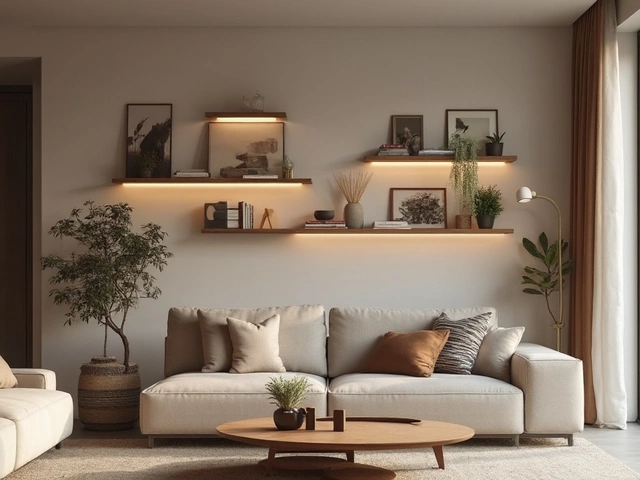
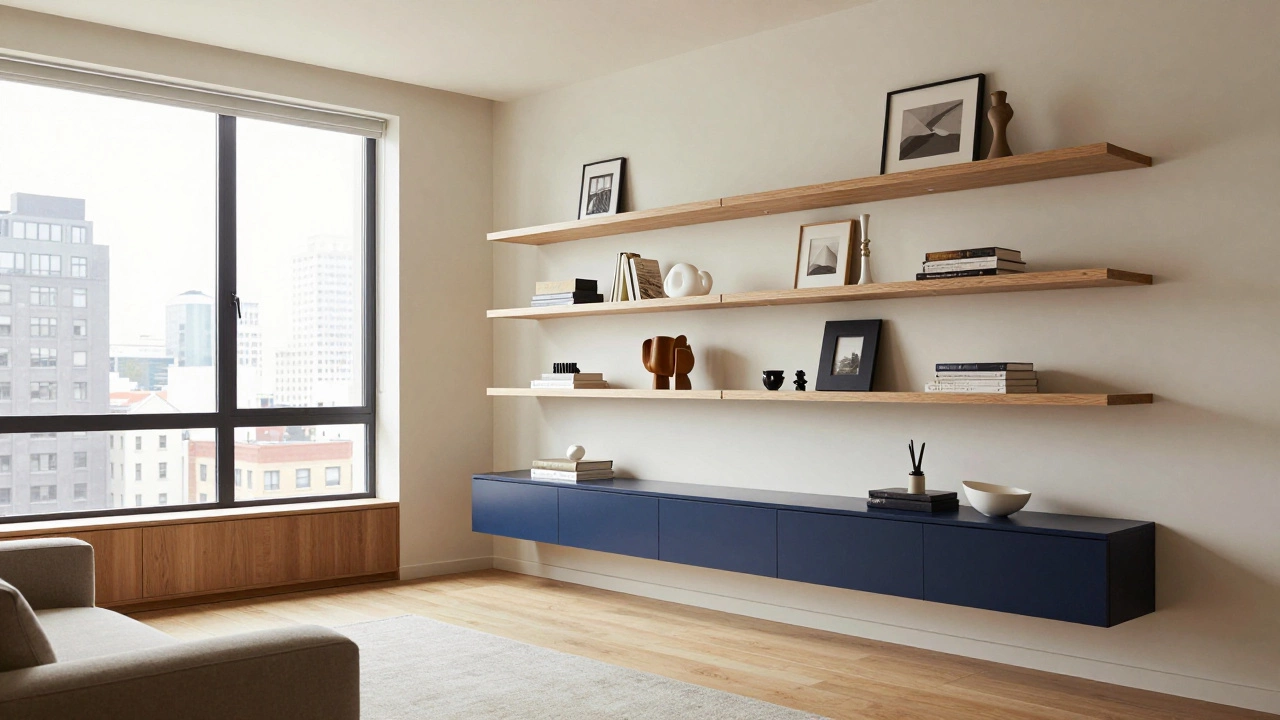
The key difference lies in styling. Modern floating shelves aren’t just platforms for one object; they are curated displays. They hold collections, art, plants, and everyday items. The trend has moved from displaying *nothing* to displaying *life*. This shift makes the shelf feel integrated into the room rather than pasted onto it.
Why Floating Shelves Are Still Relevant
Despite the stylistic shifts, there are practical reasons why floating shelves haven’t disappeared. In fact, they are seeing a resurgence in specific contexts. Here is why they remain a smart choice for many homes:
- Spatial Efficiency: In smaller apartments or rooms with limited floor space, vertical storage is king. Floating shelves utilize wall area without encroaching on walking space, making a small room feel larger.
- Clean Lines: Unlike traditional bracketed shelves, which can look bulky or cluttered, floating shelves offer a streamlined profile. This is particularly valuable in modern kitchens or bathrooms where visual clutter can make a space feel cramped.
- Customizability: You can install them anywhere-above a sofa, in a niche, or even diagonally for an artistic touch. They adapt to the architecture of your home rather than fighting against it.
- Cost-Effectiveness: Compared to built-in cabinetry, floating shelves are significantly cheaper to install and maintain. They offer high visual impact for a low investment.
In Auckland, where many homes are compact and designed to maximize views, floating shelves are a practical solution. They allow residents to display personal items without blocking windows or consuming precious square footage. The utility hasn’t changed; only the aesthetic rules have.
How to Update Floating Shelves for 2026
If you want to keep your floating shelves-or install new ones-without falling into the "dated" trap, you need to adjust your approach. Here are the current best practices for styling and selecting floating shelves:
1. Choose Richer Materials
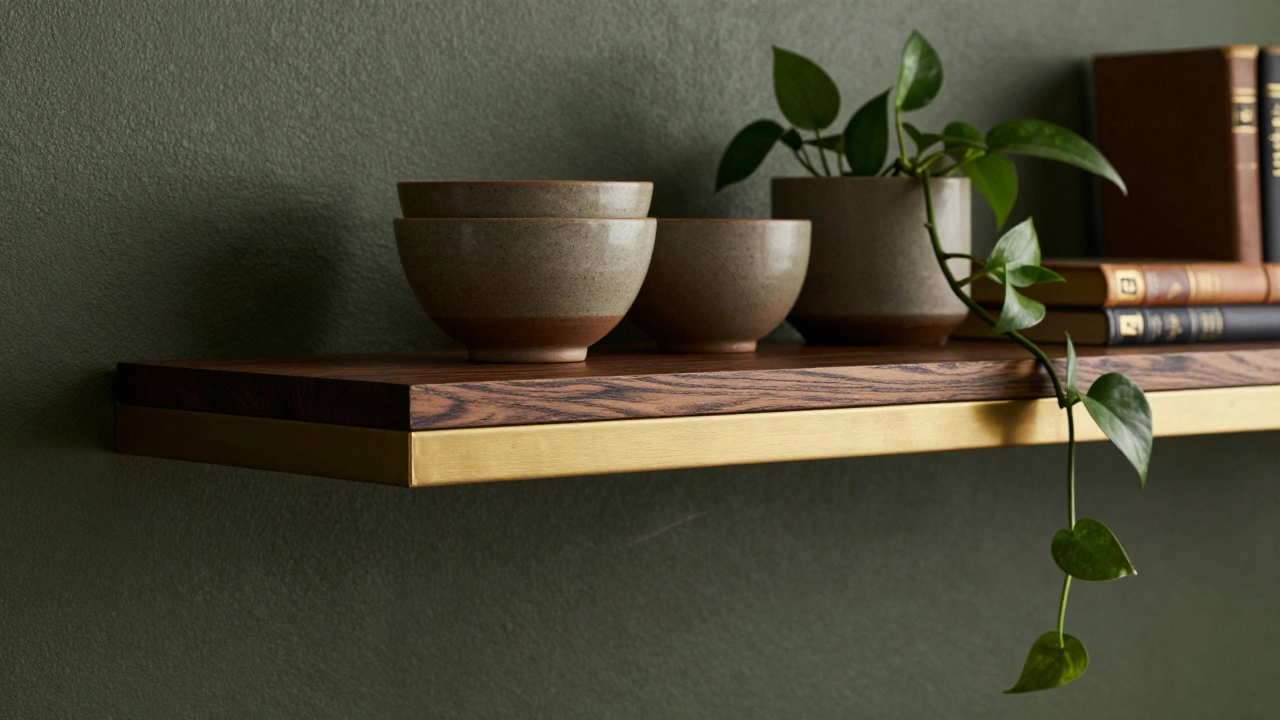
Gone are the days of exclusively pale oak or painted white MDF. Current trends favor depth and character. Look for shelves made from walnut, a dense hardwood known for its rich brown color and fine grain., dark-stained pine, or even metal and glass combinations. Textured materials add visual interest and prevent the shelf from looking flat or cheap. If you prefer paint, try earthy tones like olive green, terracotta, or deep navy instead of stark white.
2. Vary the Sizes and Shapes
A uniform row of identical shelves can look rigid and corporate. Break the monotony by mixing lengths and depths. A longer shelf above a shorter one creates a dynamic composition. Consider rounded edges or asymmetrical shapes to soften the look. This approach aligns with the current preference for organic, less structured designs.
3. Style With Intention
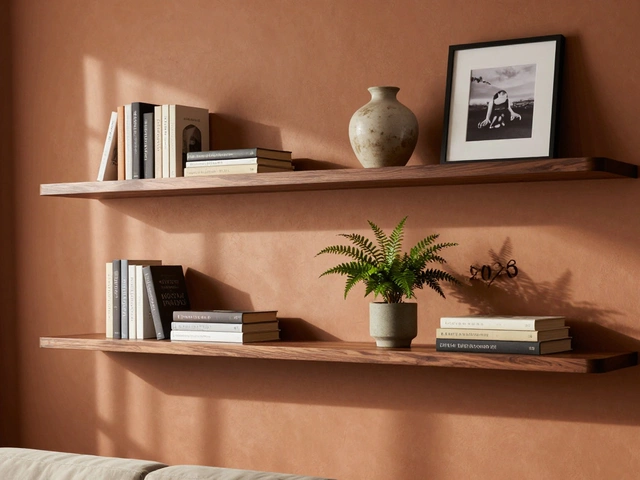
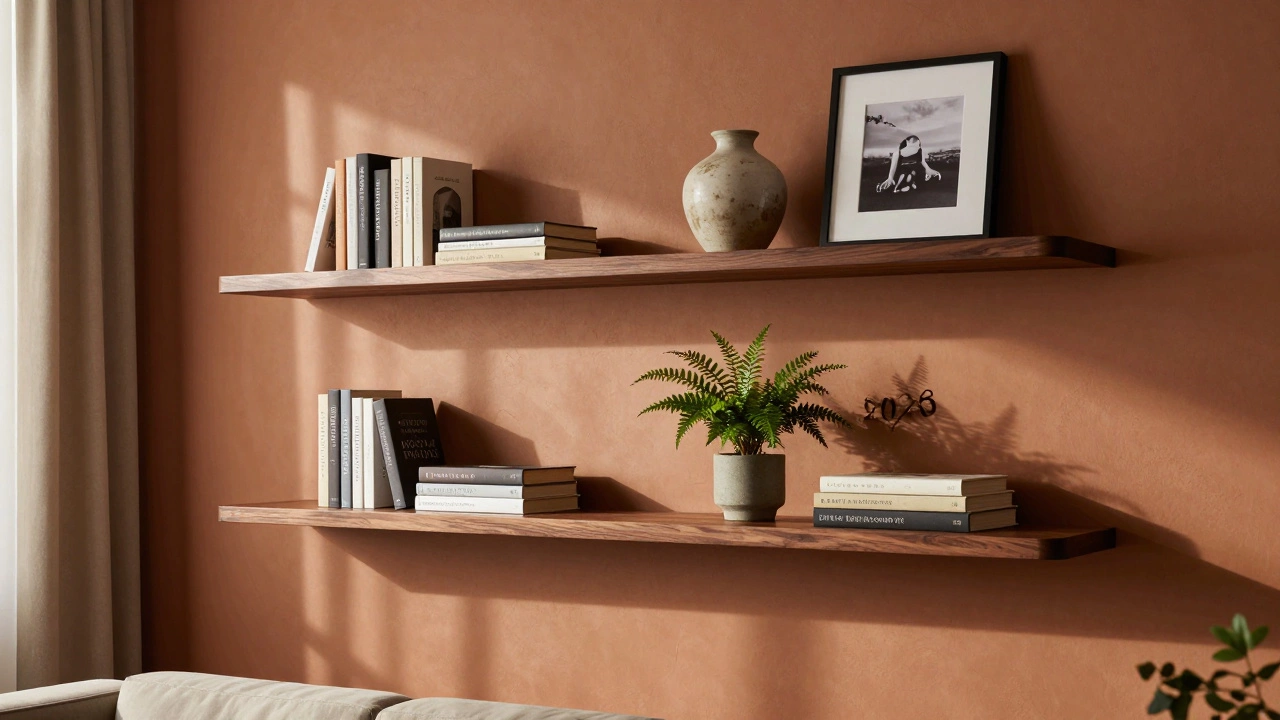
This is the most critical step. Avoid the "one object per shelf" rule. Instead, create vignettes. Group items together: a stack of books leaning against a vase, a framed photo next to a small plant, or a collection of ceramic bowls. Use height variation to guide the eye. The goal is to make the shelf look lived-in and personal, not staged.
4. Consider the Wall Context
Floating shelves work best when they complement the wall behind them. If you have bold wallpaper or textured plaster, let the shelf be simple. If the wall is plain, let the shelf and its contents provide the drama. Don’t compete with the background; harmonize with it.
| Feature | Dated (Early 2010s) | Updated (2026) |
|---|---|---|
| Material | Pale wood, white-painted MDF | Walnut, dark stain, metal, textured finishes |
| Styling | Minimalist, one item per shelf, lots of empty space | Curated vignettes, mixed heights, personal collections |
| Shape | Uniform, straight-edged, identical sizes | Mixed lengths, rounded edges, asymmetrical arrangements |
| Wall Color | Always white or very light neutral | Earthy tones, bold colors, textured wallpapers |
| Vibe | Cold, sterile, showroom-like | Warm, inviting, personal |
Alternatives to Consider
If you’ve decided that floating shelves just don’t fit your vibe, there are plenty of alternatives that offer similar benefits without the same aesthetic baggage. Depending on your needs, you might explore these options:
- Ladder Shelves: These lean against the wall and offer multiple levels of storage. They add a vertical element and a rustic or industrial touch, depending on the material. They are great for corners or narrow spaces.
- Built-In Shelving: For a permanent, high-end look, consider building shelves into alcoves or along entire walls. This option offers maximum storage and a seamless integration with the room’s architecture.
- Open Bookcases: Traditional bookcases with sides and backs provide structure and containment. They are ideal for large collections of books or media equipment, keeping things tidy and organized.
- Wall-Mounted Cabinets: If you dislike open display, wall-mounted cabinets offer closed storage. They keep clutter out of sight while still utilizing vertical wall space. This is perfect for kitchens or bathrooms.
Each of these alternatives serves a slightly different purpose. Ladder shelves are more decorative, while built-ins are purely functional. Open bookcases are great for collectors, and cabinets are best for hiding messes. Think about what you’re storing and how much visual weight you want in the room before choosing.
Installation Tips for Durability
No matter how stylish your shelves are, they need to stay on the wall. Proper installation is crucial, especially if you plan to store heavier items. Here are some pro tips:
- Find the Studs: Always anchor your shelves into wall studs whenever possible. Drywall alone cannot support significant weight. Use a stud finder to locate them accurately.
- Use Heavy-Duty Brackets: Even though they are "hidden," the brackets inside the shelf must be robust. Look for steel brackets rated for at least 50 pounds per shelf.
- Level Carefully: Use a spirit level during installation. An uneven shelf looks sloppy and can cause items to slide off. Adjust the mounting plate until perfectly horizontal.
- Consider Weight Distribution: Place heavier items closer to the wall and lighter items towards the front edge. This reduces leverage on the brackets and prevents sagging over time.
If you’re renting or hesitant to drill into studs, look for specialized anchors designed for drywall, but be mindful of the weight limits. It’s better to have fewer, well-supported shelves than many wobbly ones.
Final Thoughts on Style Longevity
So, are floating shelves dated? Not inherently. Like any design element, their relevance depends on execution. The stark, minimalist version is indeed a relic of a past trend. But the updated, personalized, and warmly styled floating shelf is very much alive in 2026. They offer flexibility, efficiency, and a canvas for self-expression. By choosing richer materials, varying sizes, and styling with intention, you can ensure your shelves feel current and cohesive with your home’s overall aesthetic. Don’t toss them out yet-just refresh how you use them.
Can I put heavy items on floating shelves?
Yes, but only if installed correctly. You must anchor the shelf into wall studs, not just drywall. Use heavy-duty steel brackets and distribute weight evenly, placing heavier items closer to the wall. Never exceed the manufacturer's weight rating for the brackets.
What is the best width for floating shelves?
There is no single "best" width, but common depths range from 8 to 12 inches. For displaying books and decor, 10-12 inches is ideal. For narrower items like vases or kitchen spices, 6-8 inches may suffice. Wider shelves require stronger support and should be kept shorter in length to prevent sagging.
Are floating shelves good for small spaces?
Absolutely. Floating shelves are excellent for small spaces because they utilize vertical wall area without taking up floor space. This helps keep the room feeling open and uncluttered. Just avoid overcrowding the shelves to maintain the airy feel.
How do I hide the brackets on floating shelves?
True floating shelves use internal rods or hidden brackets that insert into pre-drilled holes in the wall and the underside of the shelf. The shelf slides onto these supports, concealing the hardware completely. Ensure precise alignment during installation for a seamless look.
Should I match my floating shelves to my wall color?
Not necessarily. Matching the shelf to the wall can make it blend in and appear truly "floating," which is great for minimalism. However, contrasting colors or materials (like dark wood on a light wall) can add visual interest and define the space. Choose based on whether you want the shelf to disappear or stand out.