Rug Cost & Value Estimator
Enter the purchase price of two different rugs you are considering to see which offers better long-term value.
Walking into a rug store or scrolling through online shops can feel like navigating a maze of conflicting prices. You might see a 5x8 area rug for $100 and another that looks identical for $1,200. Which one is the scam? The truth is, there is no single "correct" price for a rug, but there are clear indicators of what you are paying for. Understanding the relationship between material, construction, and size helps you avoid overpaying while ensuring you get a piece that lasts.
The core determinant of rug cost is not just brand name, but the labor and raw materials involved in its creation. A machine-made polyester rug costs little because it is produced quickly on assembly lines. In contrast, a hand-knotted wool rug from India or Nepal requires months of skilled labor, driving the price up significantly. This article breaks down realistic price ranges for different types of rugs so you can set a budget that matches your lifestyle and aesthetic goals.
Why Material Matters More Than Brand
Before looking at price tags, look at the fiber. The material dictates durability, feel, and maintenance requirements. Most consumers make the mistake of judging a rug solely by its visual pattern, ignoring the physical properties underneath.
- Synthetic Fibers (Polypropylene, Polyester, Nylon) are man-made materials known for stain resistance and low cost. They are ideal for high-traffic areas or homes with pets and children. Expect these to be the most affordable option.
- Natural Wool is a durable, resilient fiber that traps dirt inside the pile rather than on the surface. It is hypoallergenic and regulates temperature. High-quality New Zealand wool commands a premium due to its long staple length.
- Cotton is soft and breathable but less durable than wool. It works well for casual, bohemian styles but may wear out faster in heavy traffic zones.
- Silk is the most luxurious and expensive natural fiber. It offers a unique luster and softness but requires careful handling and professional cleaning.
If you are buying for a living room where guests sit and walk frequently, wool is usually the best balance of comfort and longevity. If you need something for a nursery or playroom, synthetic fibers offer easier cleanup without breaking the bank.
Construction Methods: Hand-Knotted vs. Machine-Made
The way a rug is built has a massive impact on its value. There are two main categories: handcrafted and machine-produced.
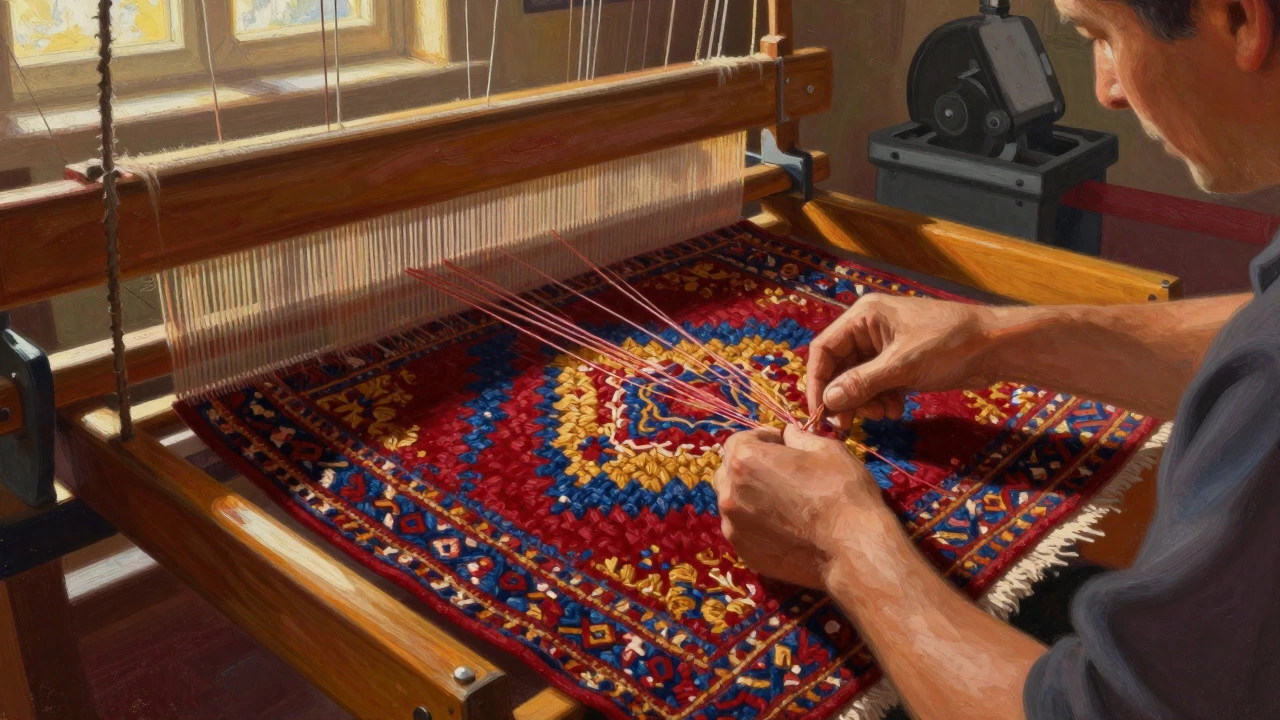
Hand-Knotted Rugs are created by tying individual knots to a warp thread, often taking weeks or months to complete. Each knot adds density and durability. A standard 8x10 hand-knotted rug might have over 1 million knots. Because this process cannot be automated, the labor cost is high. These rugs are investment pieces that can last generations if cared for properly.
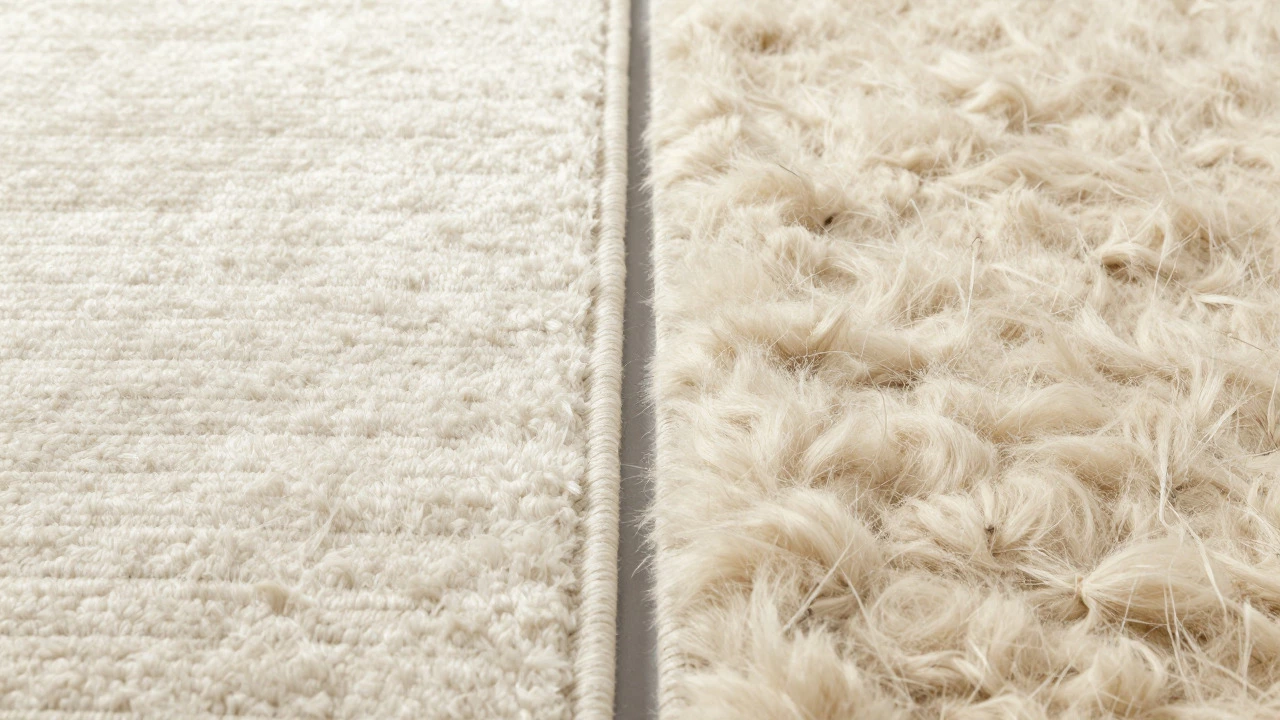
Machine-Made Rugs are produced using industrial looms that weave yarn into a backing fabric. This method allows for complex patterns at a fraction of the cost. While often perceived as "cheap," modern machine-made rugs use high-quality yarns and tight weaves that make them surprisingly durable for residential use.
There is also a middle ground: hand-tufted rugs. These are made using a gun-like tool to punch yarn into a backing. They are cheaper than hand-knotted but generally less durable because the knots are not tied securely to the foundation. They are a good entry-level option for those who want the look of a traditional rug without the full investment.
Realistic Price Ranges by Size and Type
Pricing varies wildly based on dimensions. Larger rugs require more material and labor, so the per-square-foot cost often decreases slightly for bigger sizes, but the total price increases exponentially. Below is a breakdown of what you should expect to pay in 2026 for common sizes.
| Rug Type | 3x5 ft (Accent) | 5x8 ft (Standard Living Room) | 8x10 ft (Large Living Room/Dining) | 9x12 ft (Grand Spaces) |
|---|---|---|---|---|
| Synthetic (Machine-Made) | $80 - $200 | $150 - $400 | $300 - $700 | $500 - $1,000 |
| Cotton/Jute (Natural Fiber) | $100 - $300 | $250 - $600 | $500 - $1,200 | $800 - $2,000 |
| Wool (Machine-Made) | $200 - $500 | $400 - $900 | $800 - $1,800 | $1,500 - $3,500 |
| Hand-Knotted Wool | $800 - $2,500 | $2,000 - $6,000 | $4,000 - $12,000 | $8,000 - $25,000+ |
| Hand-Knotted Silk/Wool Mix | $1,500 - $4,000 | $4,000 - $10,000 | $8,000 - $20,000 | $15,000 - $40,000+ |
Notice the jump between machine-made wool and hand-knotted wool. That gap represents the labor hours invested. If you see a "hand-knotted" rug priced below $1,000 for a 5x8 size, verify the origin. Sometimes, mass-produced rugs from certain regions use lower-density knots to reduce costs, which affects their lifespan.
Hidden Costs: Shipping, Care, and Longevity
The sticker price is only part of the equation. When calculating how much a rug should cost, consider the total cost of ownership over five to ten years.
- Shipping Fees: Large rugs, especially hand-knotted ones, are bulky and fragile. Shipping a 9x12 rug can cost anywhere from $100 to $500 depending on the carrier and distance. Many retailers include free shipping for large orders, but check the terms.
- Professional Cleaning: Synthetic rugs can often be cleaned at home with mild detergent. Wool and silk rugs require professional dry cleaning every 1-2 years to prevent matting and color fading. Budget $100-$300 per cleaning session.
- Repair Costs: Fraying edges or small tears in natural fiber rugs can be repaired by a specialist. For hand-knotted rugs, repairs are feasible but expensive. For cheap synthetics, replacement is often cheaper than repair.
A $500 synthetic rug that lasts three years costs you roughly $167 per year. A $3,000 hand-knotted wool rug that lasts 20 years costs you $150 per year. From a pure financial perspective, higher quality often equals lower long-term cost.
Red Flags to Watch Out For
Not all high-priced rugs are good, and not all low-priced rugs are bad. However, certain signals indicate potential issues.
- Vague Origin Labels: If a rug is labeled "Made in USA" but doesn't specify the factory or region, ask questions. Some "American-made" rugs are actually woven overseas and finished domestically.
- Overly Complex Patterns on Cheap Rugs: Intricate Persian or Oriental designs require high knot density to look crisp. If a machine-made rug with a detailed pattern is very cheap, the details will likely blur after a few years of foot traffic.
- Lack of Pile Density Information: Reputable sellers provide knot counts (for hand-knotted) or pile weight (for machine-made). If these metrics are missing, you are guessing about the quality.
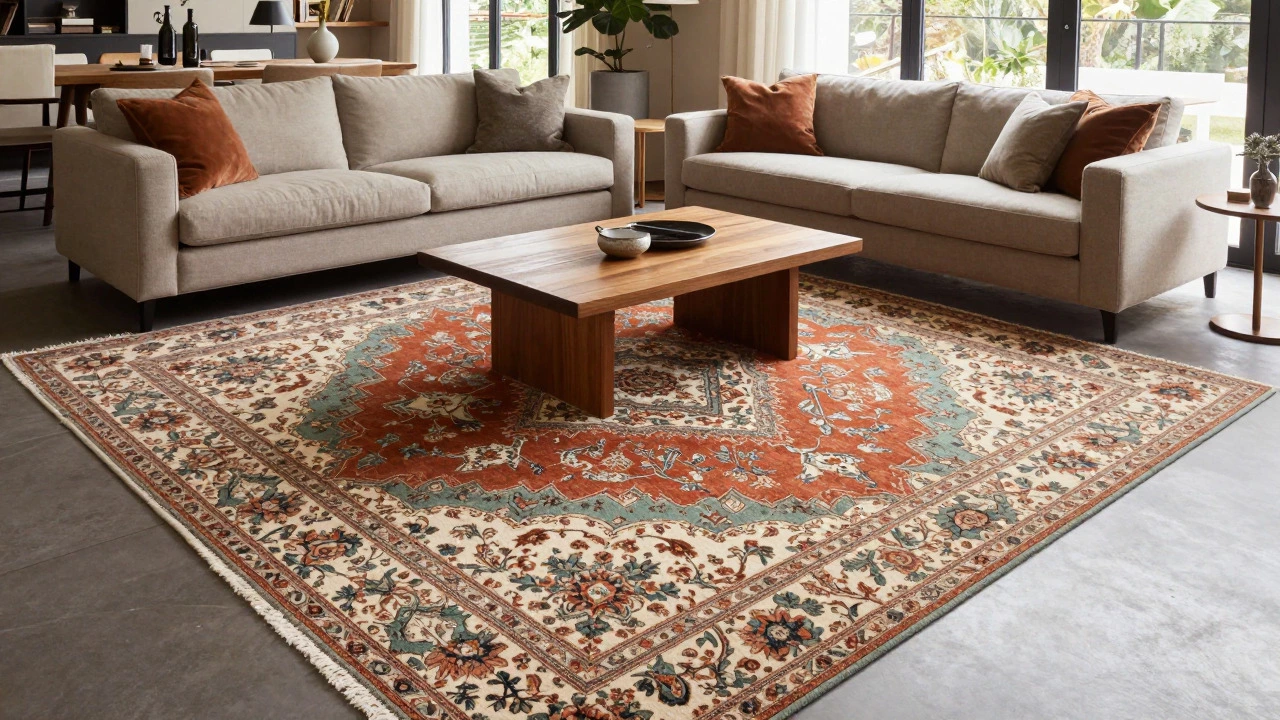
How to Choose the Right Rug for Your Budget
Your choice should align with the room's function. Here is a quick decision framework:
- For Kids' Rooms and Playrooms: Go with synthetic or cotton. Stains happen, and durability is key. Keep the budget under $300 for a 5x8 size.
- For High-Traffic Hallways: Choose flat-weave jute or sisal. They are inexpensive, easy to clean, and hide dirt well. Avoid plush piles here as they trap debris.
- For Primary Living Rooms: Invest in wool. It feels luxurious, resists crushing, and ages gracefully. Aim for the mid-range machine-made wool category ($500-$1,000 for a 5x8) or save up for a smaller hand-knotted accent rug.
- For Formal Dining or Guest Areas: Consider hand-knotted or high-end silk blends. These spaces are seen more than used heavily, so aesthetics take priority. This is where the $2,000+ investment makes sense.
Remember, you don't need to buy everything at once. Start with one high-quality anchor rug in your main living space and supplement with smaller, more affordable accents in other rooms.
Frequently Asked Questions
Is it worth buying an expensive hand-knotted rug?
Yes, if you plan to keep it for 10+ years and appreciate craftsmanship. Hand-knotted rugs hold their value better than synthetic ones and improve in appearance over time as the fibers settle. They are considered heirloom pieces. However, if you move frequently or have young children, the risk of damage may outweigh the benefits.
What is the difference between hand-tufted and hand-knotted rugs?
Hand-knotted rugs are tied individually onto a frame, creating a double-sided rug that is highly durable. Hand-tufted rugs are punched into a backing material and glued down. Tufted rugs are softer and cheaper but less durable and typically single-sided. Knot count matters for knotted rugs; tufted rugs are measured by pile height and density.
Are synthetic rugs bad for the environment?
Synthetic rugs are made from petroleum-based plastics, which do not biodegrade easily. However, many manufacturers now use recycled PET bottles for polypropylene rugs. Natural fibers like wool and jute are renewable and biodegradable. If sustainability is a priority, look for certifications like GreenGuard or OEKO-TEX for both synthetic and natural options.
How do I know if a wool rug is genuine?
Check the label for "100% New Zealand Wool" or similar specific origins. Genuine wool has a slight crimp and springs back when compressed. You can perform a burn test on a loose fiber: wool burns slowly with a smell like burning hair, while nylon melts and smells like plastic. Always buy from reputable sellers who provide fiber content guarantees.
Should I buy a rug pad?
Always. A rug pad prevents slipping, adds cushioning, and extends the life of the rug by absorbing shock from foot traffic. For hard floors, use a felt-backed pad. For carpeted floors, use a non-slip latex or rubber-backed pad. The cost of a pad is minimal compared to the protection it provides.