Jewish Prayer Items vs. Prayer Rugs
The Tallit
Prayer Shawl
- Placement: Shoulders
- Material: Wool/Silk/Cotton
- Key Feature: Tzitzit fringes
- Function: Spiritual covering
Tefillin
Phylacteries
- Placement: Arm & Head
- Material: Leather boxes
- Key Feature: Parchment scrolls
- Function: Biblical fulfillment
Prayer Rug
Sajjada (Islam)
- Placement: Floor
- Material: Fabric/Carpet
- Key Feature: Decorative pattern
- Function: Clean surface for prostration
You might have seen images of men in synagogues wearing white shawls with black stripes. It is easy to mistake these for prayer rugs, especially if you are used to seeing Muslims pray on carpets. But here is the short answer: No, Jews do not typically use rugs for prayer. The confusion comes from a mix-up between two very different religious items that serve similar spiritual purposes but look nothing alike.
If you walk into a synagogue, you will see people standing or sitting on regular floors. There are no mats laid out for bowing down. Instead, the focus is on standing upright during most prayers. This fundamental difference changes how we think about the space and the tools involved in Jewish worship. Let’s clear up the confusion by looking at what Jews actually use and why those items matter so much.
The Real Item: The Tallit
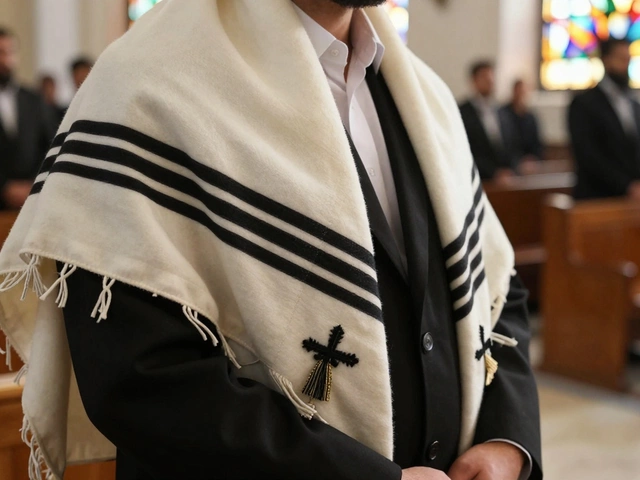
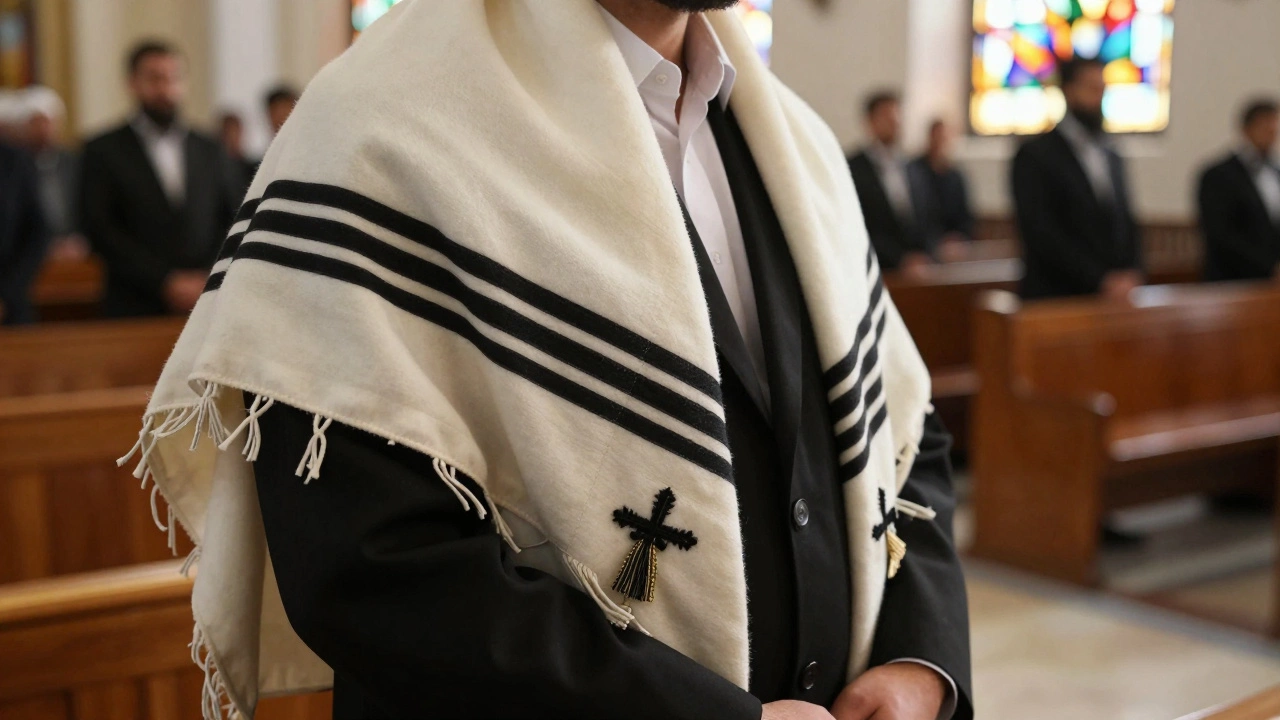
When people ask if Jews pray on rugs, they are almost always thinking of the Tallit, which is a Jewish prayer shawl worn during morning services. This garment is draped over the shoulders, not placed on the ground. It is made of wool, silk, or cotton and features fringes called tzitzit on all four corners.
The tzitzit are not just decorative. They serve as a physical reminder of the 613 commandments in the Torah. Each fringe has eight strands, and the winding pattern creates knots that add up to the number 613. When a person wraps themselves in the tallit, they are symbolically covering themselves in holiness. It is a personal act of connection, distinct from the communal floor-covering aspect of a rug.
- Material: Usually wool (for the fringes) because it triggers the biblical obligation to wear them.
- Usage: Worn during weekday morning prayers (Shacharit) and on Shabbat and holidays.
- Appearance: White with black or blue stripes, though modern versions come in many colors.
Unlike a prayer rug, which defines a sacred space on the floor, the tallit makes the wearer’s body the center of the ritual. You don’t kneel on it; you stand in it. This distinction is crucial for understanding Jewish liturgy.
What About Tefillin?
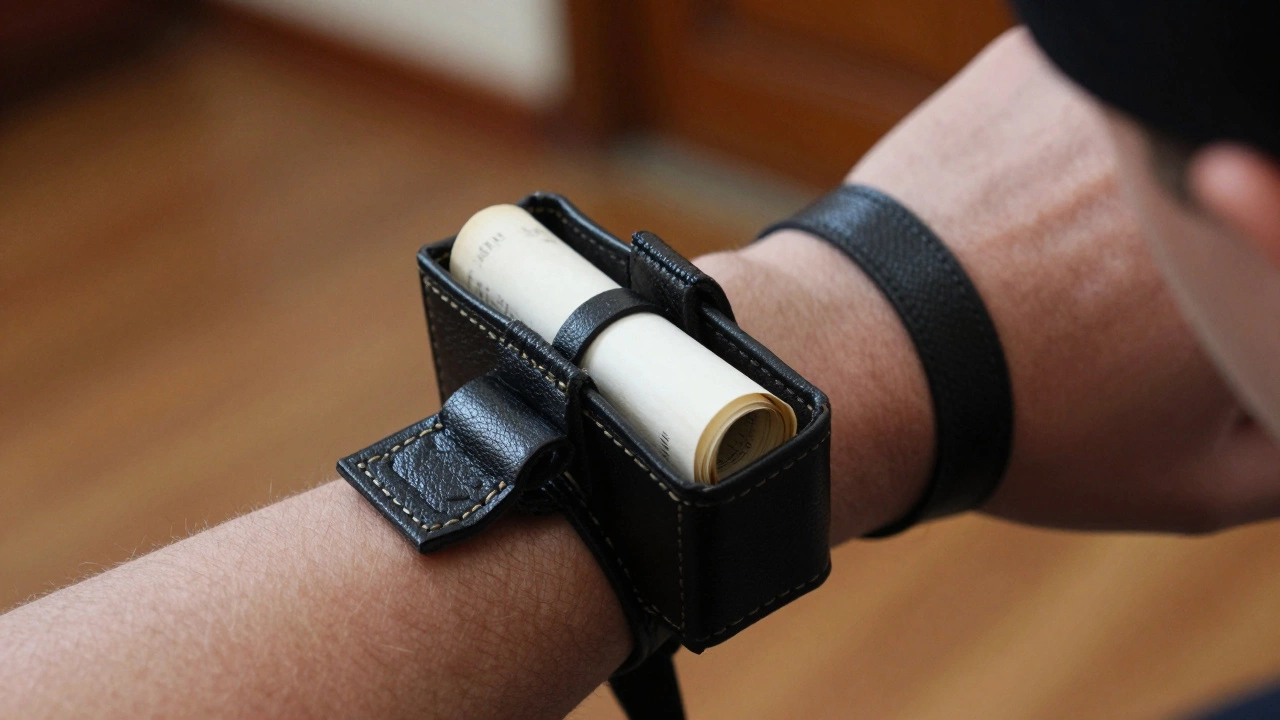
Another item often confused with general "prayer gear" is the Tefillin, also known as phylacteries. These are small black leather boxes containing scrolls of parchment inscribed with verses from the Bible. Men bind them to their arm and head during weekday morning prayers.
Tefillin are never placed on the floor. In fact, placing them on the ground would be considered disrespectful. They are stored in a special bag when not in use. The act of putting them on is a complex ritual involving blessings and specific wrapping techniques. Like the tallit, tefillin are worn on the body, reinforcing the idea that Jewish prayer focuses on the individual’s physical engagement with God through movement and speech, not prostration on a mat.
| Item | Religion | Placement | Function |
|---|---|---|---|
| Prayer Rug (Sajjada) | Islam | Floor | Clean surface for prostration |
| Tallit | Judaism | Shoulders | Spiritual covering/remembrance |
| Tefillin | Judaism | Arm & Head | Biblical fulfillment/binding |
Why Do Synagogues Have Rugs Then?
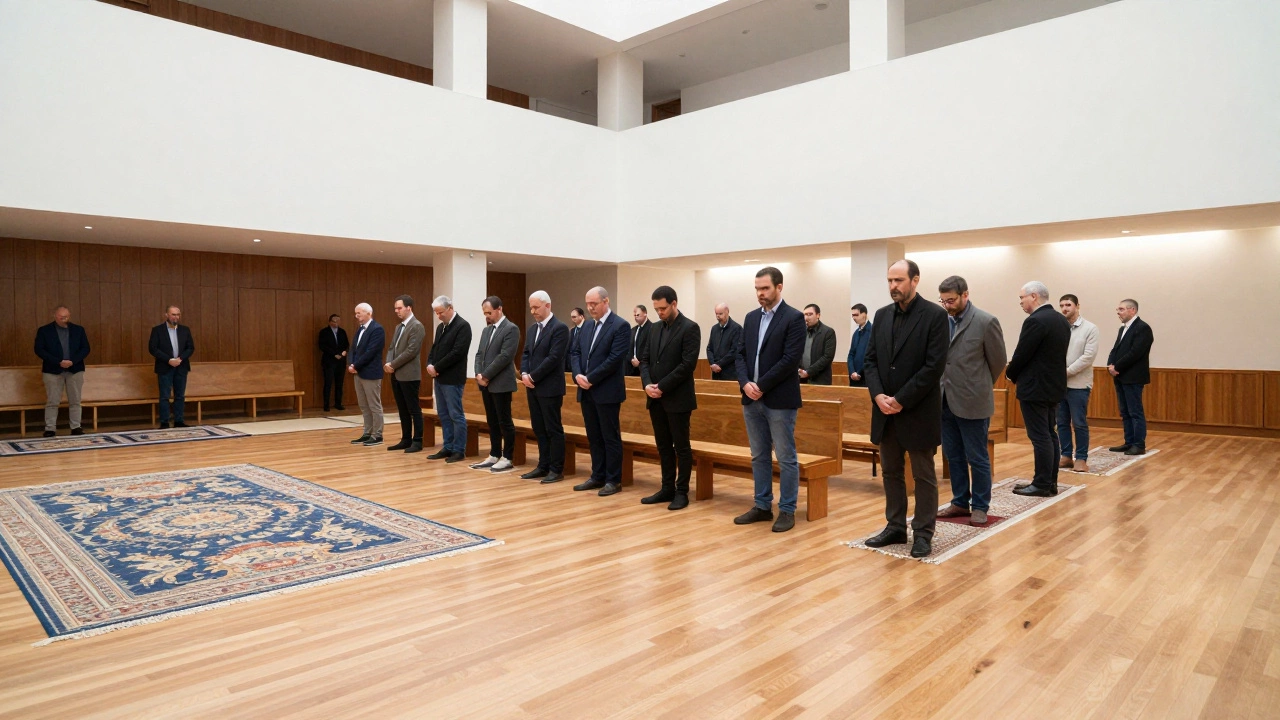
If Jews don’t pray on rugs, why do many synagogues have large area rugs? The answer is practical, not ritualistic. Synagogues are community centers as well as houses of worship. People spend hours sitting, reading, and socializing there. Rugs provide comfort, reduce noise, and define spaces within the sanctuary.
In some traditional synagogues, you might see a carpeted bimah (the raised platform where the Torah is read). This is for the comfort of the readers and cantors who stand there for long periods. However, congregants still stand on the hard floor or wooden planks during prayers. There is no requirement for a clean surface beneath your feet because Jews do not prostrate themselves face-down on the ground.
This contrasts sharply with Islamic practice, where cleanliness of the body and the place of prayer is paramount. In Islam, one must perform wudu (ablution) before prayer, and the rug ensures the forehead touches a pure surface during sujud (prostration). Judaism emphasizes purity of heart and intent more than the physical cleanliness of the floor, although washing hands before eating bread or entering a synagogue is common.
Cultural Confusion and Visual Similarities
Why does this misconception persist? Partly because both religions are Abrahamic and share roots. Visitors unfamiliar with either tradition might see the striped patterns of a tallit and assume it resembles a rug. Additionally, media representations often simplify religious practices. A quick glance at a man in a tallit might lead someone to think he is holding a rug rather than wearing a shawl.
There is also the issue of language. In Hebrew, the word for "shawl" or "cloak" can sometimes be translated loosely. If you hear someone say "I put on my prayer thing," it’s vague. But the visual evidence is clear: the tallit goes on the shoulders. The tefillin go on the arm and head. Nothing goes on the floor.
It is also worth noting that some Reform or Conservative synagogues may have more casual atmospheres, with chairs arranged like pews. In these settings, the absence of any prayer-related floor covering is even more obvious. The focus is on the text being read and the sermons given, not on bodily postures associated with the ground.
Respecting Differences in Practice
Understanding these differences helps us appreciate the diversity of religious expression. When you visit a mosque, you remove your shoes and use a prayer rug. When you visit a synagogue, you keep your shoes on (unless specifically asked otherwise in rare cases) and stand or sit. Both practices are valid and deeply meaningful to their adherents.
If you are decorating a home with a multicultural theme, knowing these distinctions prevents faux pas. You wouldn’t hang a tallit as wall art in a way that mocks its sanctity, just as you wouldn’t leave a prayer rug dirty. Each item has a role. The tallit connects the wearer to heaven through the sky-facing stripes. The rug connects the worshiper to earth through humility.
So, the next time you see a picture of a Jewish service, look closely at the shoulders, not the floor. That’s where the action is.
Do Jews ever kneel or prostrate during prayer?
Generally, no. Modern Jewish prayer involves standing, sitting, or swaying. Kneeling is rare and usually reserved for specific moments of intense supplication, such as during Yom Kippur (Day of Atonement) in some traditions, but full prostration is virtually non-existent in contemporary practice.
Can women wear a tallit?
Yes. While traditionally worn by men, many women in Conservative, Reform, and Reconstructionist movements wear tallitot. Some Orthodox communities also allow women to wear them, though practices vary by community.
Is it disrespectful to touch a tallit?
It depends on the context. Touching someone else’s tallit without permission is generally rude. However, touching your own tzitzit (fringes) while reciting blessings is a standard part of the ritual. Always ask before handling another person’s religious items.
What should I wear to a synagogue?
Modest, respectful clothing is best. Avoid shorts, sleeveless tops, or revealing outfits. Many synagogues provide kittels (white robes) or tallitot for visitors if needed. Check the specific synagogue’s website for dress codes.
Why do Jews sway during prayer?
This motion is called shuckling. It helps concentrate the mind and express emotional intensity. It is a physical manifestation of being absorbed in the words of the prayer, contrasting with the static posture of kneeling on a rug.