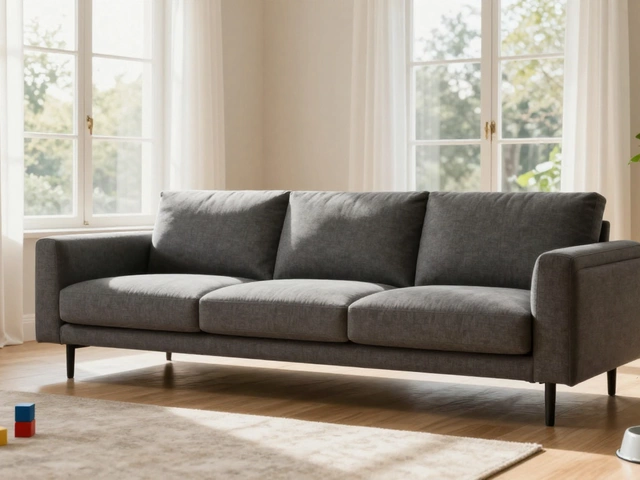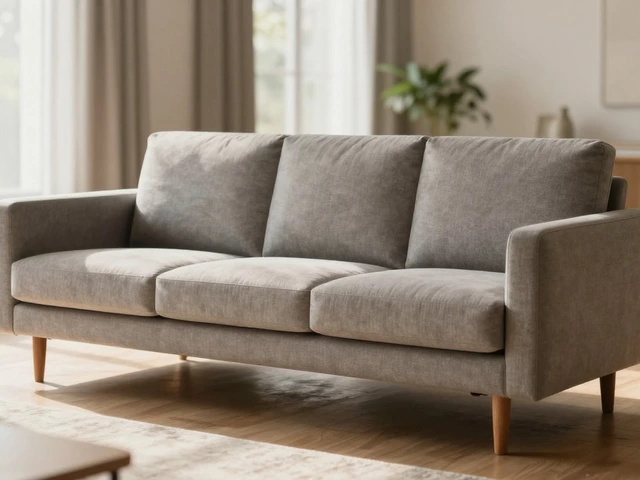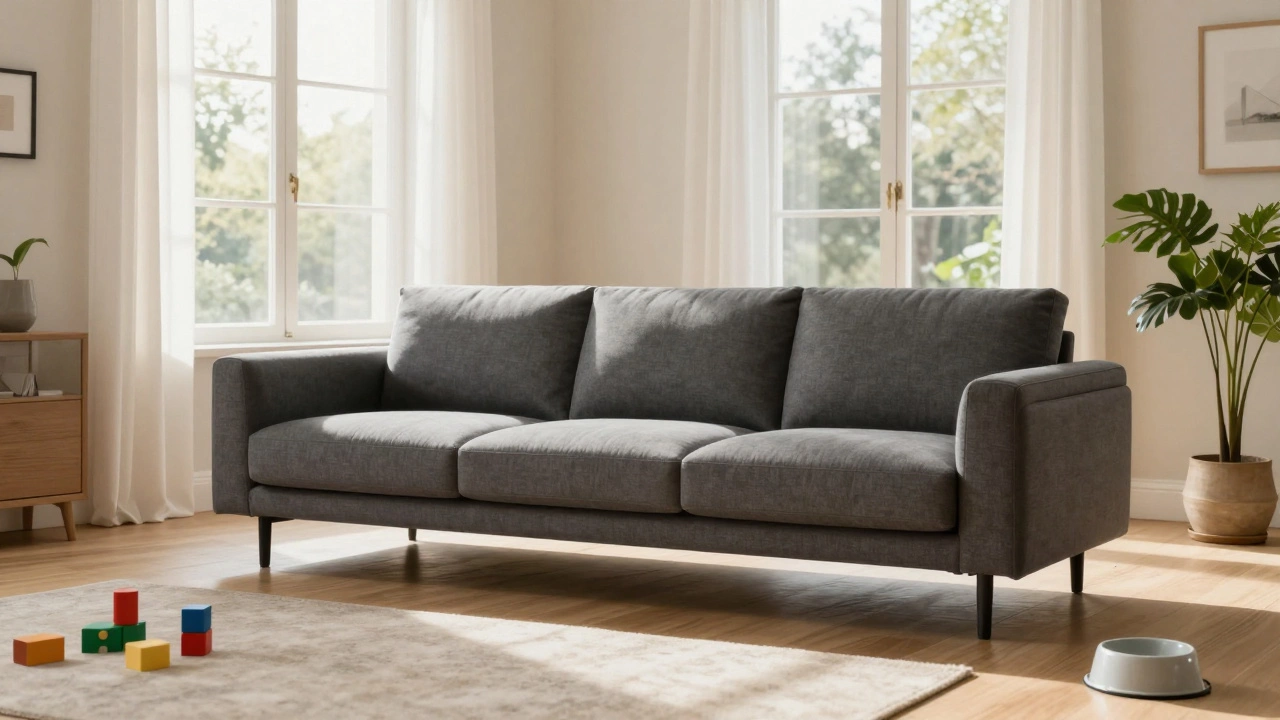
Sofa Value & Cost Calculator
Budget Tier
Entry-Level
$300 – $800 NZDLifespan: 1–3 Years
Best for rentals/students
Mid-Range Tier
Mainstream
$900 – $2,500 NZDLifespan: 5–8 Years
Best for families/pets
Premium Tier
High-End
$3,000 – $10,000+ NZDLifespan: 10–20+ Years
Best for long-term investment
Total Cost Analysis
Staring at the price tag of a new couch can feel like staring into an abyss. One minute you’re looking at a sleek three-seater for $400, and the next, you’re wondering why that mid-century modern masterpiece costs more than your first car. In 2026, with inflation still tugging at our wallets and material costs fluctuating, figuring out how much money to spend on a couch is less about finding a number and more about understanding value.
You aren’t just buying a place to sit. You are investing in the centerpiece of your living room, a piece of furniture that will likely see daily abuse from kids, pets, and movie nights. Spending too little means replacing it in two years; spending too much means regretting every penny when you realize you could have bought a better mattress instead. Let’s break down exactly where your money goes and what you should actually pay for different types of sofas.
The Three Tiers of Couch Pricing
To understand the market, we need to split sofas into three distinct categories based on construction, materials, and lifespan. These tiers help you match your budget to your actual needs without overpaying or getting scammed by cheap marketing.
| Tier | Price Range (NZD) | Lifespan | Best For |
|---|---|---|---|
| Budget / Entry-Level | $300 - $800 | 1-3 Years | Temporary housing, students, guest rooms |
| Mid-Range / Mainstream | $900 - $2,500 | 5-8 Years | Families, pet owners, primary living spaces |
| Premium / High-End | $3,000 - $10,000+ | 10-20+ Years | Long-term investment, design enthusiasts, heavy use |
Budget Sofas are affordable seating options typically made with particle board frames and synthetic fabrics. Brands like IKEA or local discount retailers dominate this space. They look great in photos but often lack structural integrity. If you move house frequently or live in a rental, this tier makes sense. Just don’t expect it to survive a decade of jumping around.
Mid-Range Sofas are durable furniture pieces built with hardwood frames and higher-quality foam cushions. This is the sweet spot for most households. You get better stitching, stain-resistant fabrics, and warranties that actually mean something. Stores like Harvey Norman, Freedom, or specialized online brands offer these. This is where you find the best balance of comfort, durability, and price.
Premium Sofas are luxury seating crafted from solid hardwoods, top-grain leather, or high-performance textiles. Think brands like Restoration Hardware, local NZ artisans, or high-end European imports. These couches are heirlooms. They come with customizations, superior ergonomics, and often, a lifetime warranty on the frame. If you plan to stay in your home for 15 years, this tier pays off by avoiding replacement costs.
What Actually Drives the Cost?
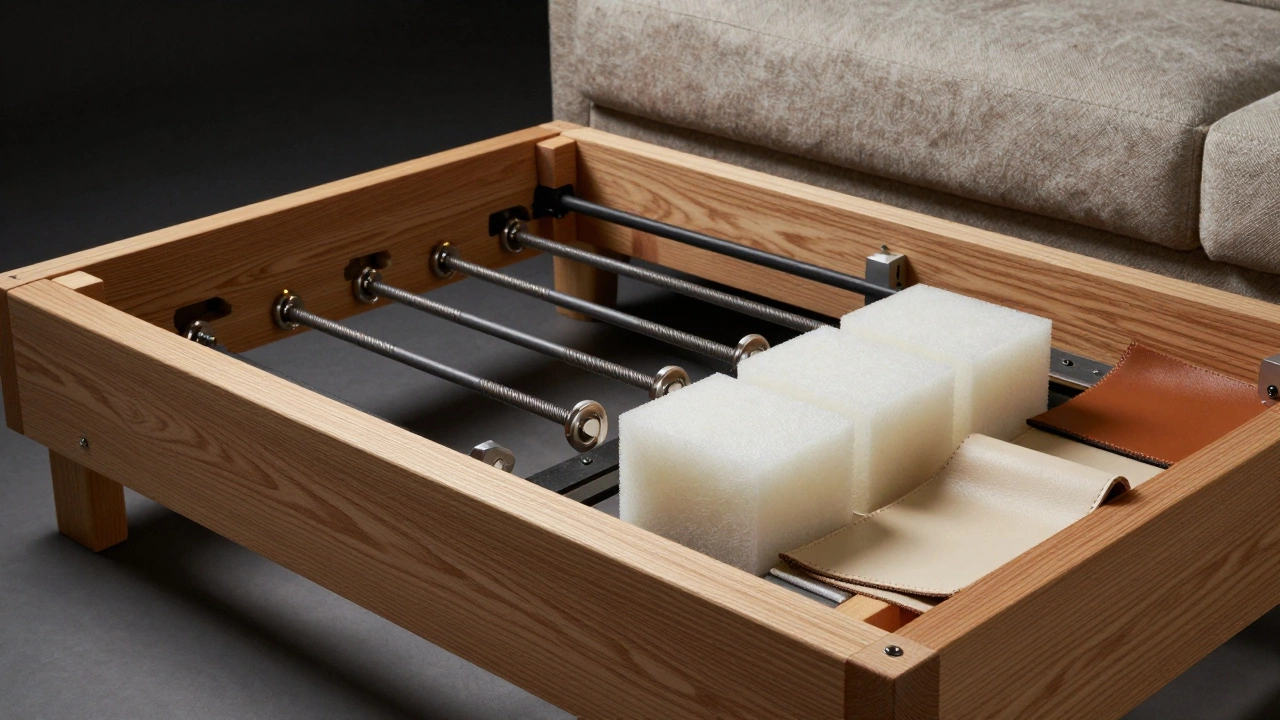
Why does one couch cost $600 and another $6,000? It’s not just brand markup. The internal anatomy of a sofa dictates its price. When you shop, ignore the fabric color for a moment and ask about these three components:
- The Frame: Cheap sofas use kiln-dried pine, plywood, or even cardboard-like particle board. These materials warp and crack under stress. A quality frame uses hardwoods like oak, ash, or beech. Hardwood is denser, resists splitting, and supports weight better. If the salesperson won’t tell you what wood is used, walk away.
- The Suspension: This is the system that holds up the cushions. Sinuous springs (zigzag wires) are common in mid-range models and work well if tightly spaced. Eight-way hand-tied springs are the gold standard, found in premium sofas. They provide individual support for each part of your body and last decades. Webbing suspension is the cheapest option and sags quickly.
- The Cushion Fill: Foam density matters more than thickness. Low-density foam (less than 1.8 lbs per cubic foot) flattens within months. High-resilience foam (2.0+ lbs) bounces back. Down feathers offer luxury but require fluffing. Many mid-range sofas use a hybrid: foam core wrapped in down for a balance of support and softness.
In Auckland, where humidity can vary, moisture-resistant treatments in the frame and fabric are also worth paying extra for. Mold and mildew can ruin a cheap couch faster than wear and tear.
Hidden Costs That Blow Your Budget
The sticker price is rarely the final price. When calculating how much to spend, factor in these additional expenses that often catch buyers off guard:
- Delivery Fees: In New Zealand, delivery charges for large furniture can range from $50 to $200 depending on distance and whether white-glove service (assembly and placement) is included. Flat-pack sofas save here but cost you time and tools.
- Cleaning and Maintenance: Fabric sofas may need professional cleaning every 1-2 years, costing $100-$150 per session. Leather requires conditioning kits ($30-$50 annually). Ignore this, and your nice couch looks old in five years.
- Cushion Replacement: Even high-end foams degrade. Some brands sell replacement cushions separately. Check if they are available before buying. If not, you might need to reupholster the whole thing later, which costs $500-$1,000.
- Protective Covers: If you have pets or kids, slipcovers or waterproof sprays add $50-$150 to the initial setup but save thousands in potential damage.
Should You Buy New or Second-Hand?
New Zealand has a vibrant second-hand market through platforms like Trade Me and Facebook Marketplace. Buying used can slash prices by 50-70%. However, sofas are high-risk second-hand purchases. You cannot easily inspect the frame for termites, rot, or structural weakness without disassembling it. Upholstery may harbor dust mites, bed bugs, or stains that smell faintly but persistently.
If you go second-hand, stick to solid wood frames and removable covers. Avoid upholstered seats with unknown history unless you’re willing to pay for professional deep cleaning. A $1,000 second-hand couch that dies in two years is worse value than a $1,500 new one lasting ten.
Smart Shopping Strategies for 2026
Timing and negotiation matter. Here’s how to stretch your dollar:
- Shop Off-Season: January and February are slow months for furniture. Retailers often clear inventory with discounts of 20-30%.
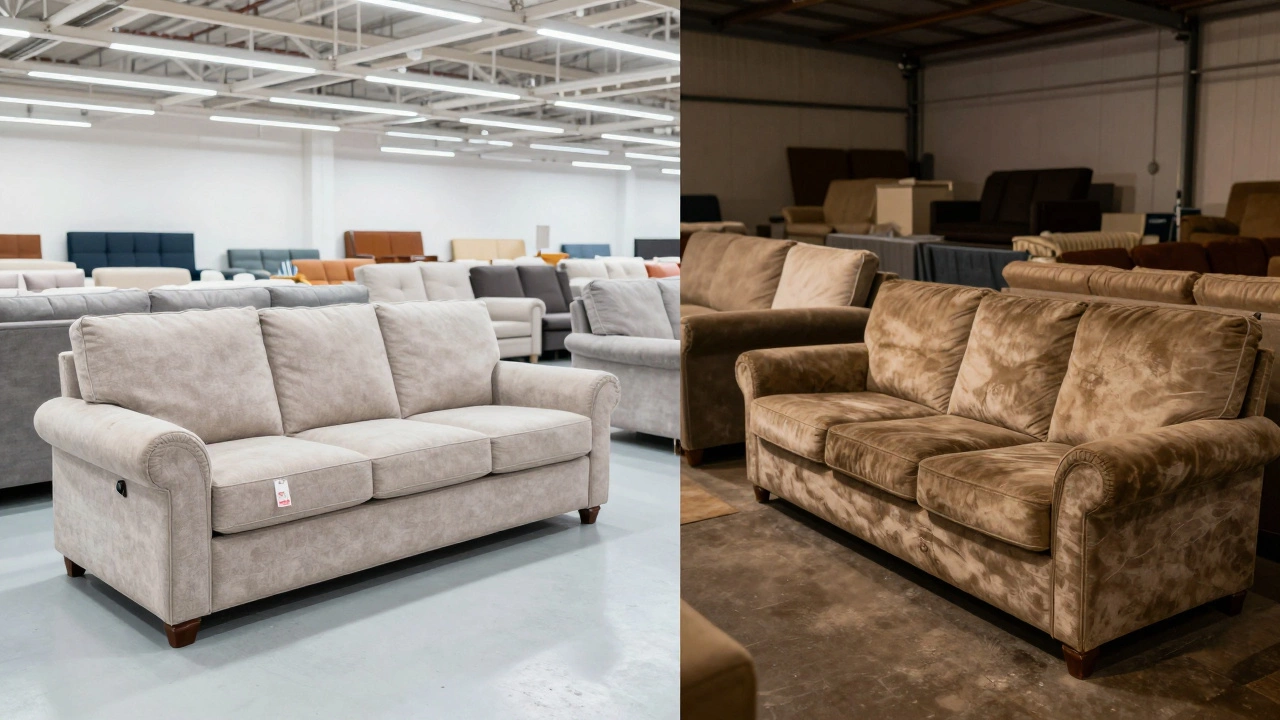
- Look for Floor Models: Display units are sold at significant markdowns because they’ve been sat on. Inspect them closely for sagging, but otherwise, they’re identical to new stock.
- Negotiate Delivery and Assembly: Many stores will waive delivery fees if you bundle items or negotiate hard. It’s always worth asking.
- Consider Modular Designs: Modular sofas allow you to buy sections now and add more later. This spreads the cost and adapts to changing space needs.
Final Verdict: Where Should You Land?
For most people in Auckland, the ideal budget lands between $1,200 and $2,000 NZD. This gets you a mid-range sofa with a hardwood frame, high-resilience foam, and a durable fabric that handles daily life. It’s enough to last through several moves or family changes without breaking the bank.
If you’re renting or furnishing a spare room, cap your spend at $800. Don’t overinvest in temporary spaces. If you own your home and view furniture as long-term assets, aim for $3,000+. The difference in craftsmanship and longevity justifies the cost over a decade.
Remember, a couch is a tool for relaxation, not a status symbol. Prioritize comfort and durability over trends. Test sit for at least 10 minutes in the store. Bring your usual clothes. If it feels good then, it’ll likely feel good for years.
Is a $500 couch worth it?
A $500 couch is only worth it if you need temporary seating, such as for a student flat, a guest room, or short-term rental. These sofas typically use particle board frames and low-density foam, meaning they will sag or break within 1-3 years. For a primary living space, invest more to avoid frequent replacements.
Do expensive couches last longer?
Yes, generally. Expensive couches use hardwood frames, eight-way hand-tied springs, and high-density foam, which resist wear and tear far better than budget alternatives. While a $500 couch might last 2 years, a $3,000+ model can last 15-20 years with proper care, making it cheaper per year in the long run.
What is the best fabric for a couch with pets?
Microfiber, performance fabrics like Crypton, and tight-weave synthetics are best for pet owners. They resist claws, hide hair, and repel stains. Avoid loose weaves, velvet, or light-colored natural fibers like linen, which snag easily and show dirt. Leather is also durable but can scratch.
How do I know if a sofa frame is sturdy?
Ask the retailer about the frame material. Look for kiln-dried hardwoods like oak, ash, or beech. Avoid particle board, MDF, or softwoods like pine. Lift the corner of the sofa; if it feels surprisingly light, it likely lacks a solid frame. Also, check for corner blocks glued and screwed into the joints for added strength.
Can I negotiate the price of a sofa?
Yes, especially in physical stores or with smaller retailers. Negotiation is harder with big-box chains but possible during sales events. Try bundling items (sofa + coffee table) to request a discount. Always ask for free delivery or assembly, which saves $50-$200 effectively lowering the price.