Bedding Replacement Calculator
Your Bedding Inventory
Enter your bedding details and click calculate to see personalized replacement recommendations.
When Does Comfort Turn Into a Health Risk?
You wake up feeling refreshed, or maybe you don't. The difference often isn't your sleep routine-it's the fabric against your skin. We treat our bedding is the collection of textiles used on a bed, including sheets, blankets, pillows, and mattresses like permanent fixtures. But they are not. They degrade. They harbor dust mites. They lose their ability to regulate temperature. If you're sleeping on sheets that have been in rotation for five years, you aren't just dealing with faded colors; you're dealing with compromised hygiene.
There is no single expiration date stamped on your linen closet. However, ignoring the wear and tear on your sleep environment can lead to allergies, poor sleep quality, and even skin issues. Knowing when to toss out old items and buy new ones saves money in the long run by preventing health costs and ensuring you get the restorative sleep you pay for.
The Sheet Schedule: Cotton, Linen, and Synthetics
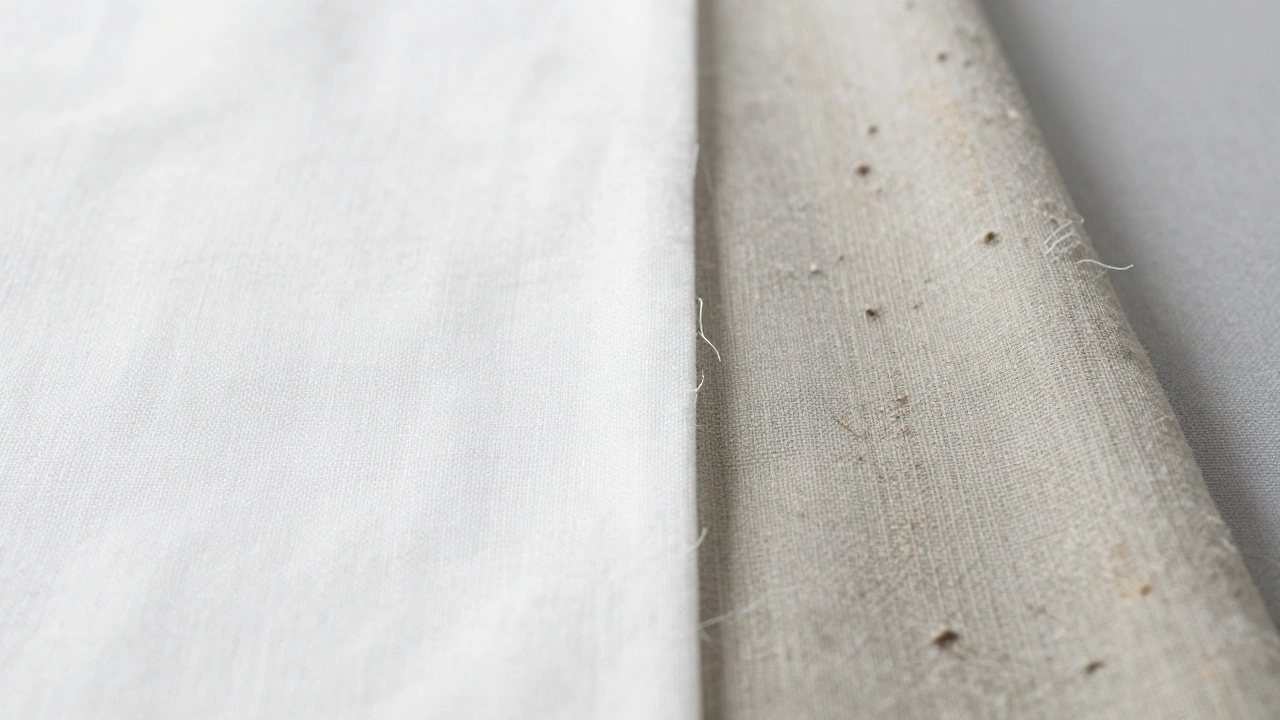
Sheets take the most abuse. You sweat into them, shed skin cells onto them, and wash them weekly. Over time, the fibers break down. This breakdown leads to pilling, thinning, and eventually, holes. But before a hole appears, the fabric becomes less effective at wicking moisture.
For standard cotton sheets are textiles made from cotton fibers, known for breathability and durability, the general rule is to replace them every two to three years. If you wash them on hot cycles or use high-heat dryers, that timeline shrinks to one year. Hot water breaks down natural fibers faster than cold water preserves them.
Linen sheets are fabrics made from flax plants, prized for their durability and cooling properties are a different story. Linen gets softer with every wash and can last five to ten years if cared for properly. It is more expensive upfront but offers better value over time because it doesn't pill or thin out like cotton does.
Synthetic sheets, such as polyester or microfiber, might look new for longer, but they trap heat and oils. They often need replacing after one to two years because they cannot be washed effectively without retaining body odors. If your synthetic sheets still smell musty after a fresh wash, it's time to recycle them.
Pillows: The Hidden Dust Mite Haven
If there is one item people ignore until it's too late, it's the pillow. You spend roughly eight hours a night pressing your face into this object. Saliva, sweat, hair products, and dead skin accumulate deep inside the filling. No amount of washing the cover cleans the core.
Most experts recommend replacing pillows are supportive cushions for the head during sleep, available in various fill materials every one to two years. Here is how to test yours right now:
- The Fold Test: Take your pillow and fold it in half. Hold it there for ten seconds. Let go. If it springs back instantly, it still has resilience. If it stays folded or crinkled, the internal structure has collapsed. That means it's no longer supporting your neck, which can lead to morning stiffness and headaches.
- The Light Test: Hold the pillow up to a bright light. If you see dark patches or stains showing through the fabric, those are areas where moisture and bacteria have penetrated the outer shell. These spots are breeding grounds for mold and dust mites.
- The Allergy Check: Do you wake up with congested sinuses or itchy eyes? Even if you change your pillowcases weekly, the pillow itself may be saturated with allergens. Replacing it can significantly reduce nighttime allergy symptoms.
Memory foam pillows last longer-up to three to four years-but they absorb odors more readily. Down pillows can be fluffed and aired out, extending their life, but they require professional cleaning occasionally to maintain hygiene.
Duvets and Comforters: Heavy Duty Hygiene
Your duvet is a soft bag filled with down, feathers, wool, or synthetic fiber, used as a blanket is the heavy lifter of your bedding setup. It provides warmth and comfort, but it also collects significant amounts of dust and pet dander over time. Unlike sheets, you don't wash a duvet every week. Most people wash them once or twice a year.
Because they are washed less frequently, duvets accumulate grime slowly. You should replace a duvet every five to ten years. The key indicator here is clumping. If the filling starts to bunch up in corners and leaves cold spots across your chest or legs, the insulation is failing. Cold spots disrupt your body's ability to regulate temperature, leading to fragmented sleep.
If you have pets, shorten this timeline to three to five years. Pet hair and dander embed deeply into the fibers, and even thorough washing may not remove all allergens. For households with severe allergies, hypoallergenic synthetic fills are easier to clean thoroughly than natural down, making them a better choice for frequent replacement cycles.
Mattress Protectors: The First Line of Defense
Before we talk about the mattress itself, let's address the protector. A mattress protector is a removable cover designed to shield a mattress from spills, stains, and allergens is not optional. It is the barrier between your body fluids and your expensive mattress. Without it, your mattress will degrade much faster due to moisture absorption.
You should replace your mattress protector every one to two years. Over time, the waterproof membrane wears out. Tiny tears develop, allowing sweat and accidental spills to seep through. Once moisture reaches the mattress core, it creates an ideal environment for mold growth. Check the edges of your protector regularly. If the zipper is loose or the fabric is fraying, swap it out immediately.

The Mattress: Long-Term Investment
Your mattress is the foundational support surface for sleep, typically lasting seven to ten years is the most expensive part of your bedding ensemble. While sheets and pillows are annual expenses, a mattress is a decade-long investment. However, "until it breaks" is not a valid strategy.
Most mattresses need replacing every seven to ten years. After this period, the materials lose their structural integrity. Innerspring coils sag, memory foam loses its bounce, and latex hardens. This loss of support changes the way your spine aligns during sleep. Poor spinal alignment leads to chronic back pain, shoulder tension, and restless nights.
Look for these signs that your mattress is done:
- Visible Sagging: Stand on the corner of the bed and look across the surface. If you see dips or valleys, especially where you sleep, the support layers are compressed beyond recovery.
- Noise: If your mattress creaks or squeaks when you move, the internal springs or support structures are failing.
- Allergy Worsening: Older mattresses harbor more dust mites and mold spores. If you've cleaned everything else and still feel congested, the mattress itself may be the source.
Cleaning Habits That Extend Lifespan
Replacing bedding is expensive. Extending the life of what you own saves money. How you wash and dry your textiles matters more than the brand you buy.
Always wash sheets in warm water (not hot) to preserve fiber strength. Use a mild detergent free of bleach and optical brighteners. Bleach weakens cotton fibers, causing them to snap and create holes. Optical brighteners can irritate sensitive skin and leave a chemical residue that builds up over time.
Dry on low heat. High heat is the enemy of bedding elasticity. It shrinks fabrics and sets stains. Air drying is ideal for linen and delicate synthetics. For pillows, tumble dry on low with tennis balls or dryer balls to keep the filling fluffy and prevent clumping.
| Item | Average Lifespan | Key Signs to Replace |
|---|---|---|
| Cotton Sheets | 2-3 Years | Pilling, thinning, persistent odors |
| Linen Sheets | 5-10 Years | Holes, irreversible staining |
| Polyester Sheets | 1-2 Years | Trapped odors, static buildup |
| Pillows | 1-2 Years | Fold test failure, visible stains |
| Duvet/Comforter | 5-10 Years | Clumping, cold spots |
| Mattress Protector | 1-2 Years | Tears, frayed zippers |
| Mattress | 7-10 Years | Sagging, noise, back pain |
Budgeting for Fresh Bedding
Replacing everything at once is financially stressful. Instead, adopt a rolling replacement schedule. Start with pillows, as they impact health the most. Then move to sheets, then the duvet. Save the mattress for last. This approach spreads the cost over several years and ensures you always have clean, supportive items in rotation.
Invest in quality basics rather than luxury trends. A simple, high-thread-count cotton sheet set lasts longer than a cheap, trendy microfiber set. Similarly, a solid foam pillow outperforms a decorative down alternative in terms of longevity. Prioritize function and material integrity over aesthetics.
Can I wash my pillows to extend their life?
Yes, if they are machine-washable. Wash them every six months on a gentle cycle with mild detergent. Always ensure they are completely dry before putting them back on the bed to prevent mold growth. Non-washable pillows, like some memory foam types, should be spot-cleaned only and replaced more frequently.
Why do my sheets smell bad even after washing?
This is usually caused by detergent buildup or insufficient rinsing. Try using less detergent and adding an extra rinse cycle. Vinegar can help break down residue. If the smell persists, the fibers may be degraded, indicating it's time to replace the sheets.
This is usually caused by detergent buildup or insufficient rinsing. Try using less detergent and adding an extra rinse cycle. Vinegar can help break down residue. If the smell persists, the fibers may be degraded, indicating it's time to replace the sheets.
Is it safe to sleep on a 10-year-old mattress?
It depends on the condition. If the mattress shows significant sagging, causes back pain, or harbors allergens, it is not safe for your health. Even if it looks fine, the internal materials have likely lost their support capabilities, affecting your sleep quality and spinal alignment.
How often should I wash my duvet?
Wash your duvet once or twice a year. More frequent washing can damage the filling. Use a large-capacity washer and a gentle cycle. Ensure it is thoroughly dried to maintain loft and prevent clumping.
Do mattress protectors really make a difference?
Absolutely. They shield your mattress from sweat, spills, and allergens, significantly extending its lifespan. Without a protector, your mattress absorbs moisture that leads to mold and odor, forcing earlier replacement.