Mirror Style & Size Calculator
Preview based on selected shape and frame
Ever walked into a room that felt cramped, dark, or just "off," even though the furniture looked fine? Chances are, the problem isn't your sofa or your rug. It’s your mirrors-or the lack of them. Mirrors are often treated as an afterthought in home decor, something you grab from the clearance rack because every house needs one. But they do so much more than let you check your teeth for spinach. They manipulate light, define space, and set the tone for a room’s entire aesthetic.
If you’re staring at a blank wall wondering what shape, size, or style fits your home, you’re not alone. The market is flooded with options, from massive floor-to-ceiling slabs to tiny, ornate vanity pieces. Getting it wrong can make a ceiling look lower or a hallway feel like a tunnel. Getting it right? It transforms the space instantly. Here is how to figure out exactly what your mirrors should look like, based on the room they live in.
The Golden Rule: Scale and Proportion
Before we talk about frames or shapes, we need to talk about size. This is where most people go wrong. You’ve probably seen a tiny, delicate mirror hanging above a massive fireplace mantel. It looks lost, like a postage stamp stuck on a billboard. Conversely, a huge industrial frame in a small powder room can overwhelm the space, making it feel cluttered before you even step inside.
Mirror scale is the relationship between the mirror's dimensions and the surface it hangs on. The goal is balance. If you are hanging a mirror above a console table, dresser, or bed, the mirror should be roughly two-thirds the width of the furniture piece below it. This creates a visual anchor. If the mirror is too narrow, the eye drifts off to the sides. If it’s too wide, it feels heavy.
For entryways and hallways, think verticality. A tall, narrow mirror helps elongate a short hallway, tricking the eye into seeing more height. In living rooms, large rectangular or arched mirrors reflect windows and light sources, doubling the perceived square footage. Don’t be afraid of big. In fact, bigger is usually better for main living areas.
Choosing the Right Shape for Your Room
Shape dictates the vibe. Rectangles are safe, classic, and versatile. Circles and ovals soften a room. Arches add a touch of architectural interest without being overwhelming. Let’s break down which shape belongs where.
| Room | Recommended Shape | Why It Works |
|---|---|---|
| Living Room | Large Rectangle or Arch | Reflects windows; adds height and grandeur. |
| Bathroom | Rectangle or Soft Oval | Practical for grooming; ovals soften hard tile lines. |
| Bedroom | Rounded (Circle/Oval) | Creates a calming, restful atmosphere. |
| Entryway | Tall Rectangle or Full-Length | Allows full outfit checks; elongates narrow spaces. |
| Dining Room | Galleried or Ornate Frame | Adds elegance; reflects chandeliers and candles. |
Rectangular mirrors are the workhorses of interior design. They fit almost anywhere, especially above sofas or dining tables. If your room has lots of sharp angles-square tiles, rectangular windows, straight-lined furniture-a rectangular mirror blends in seamlessly. However, if your room feels too boxy or sterile, introduce a curved element. A circular mirror breaks up the monotony of straight lines and adds organic warmth.
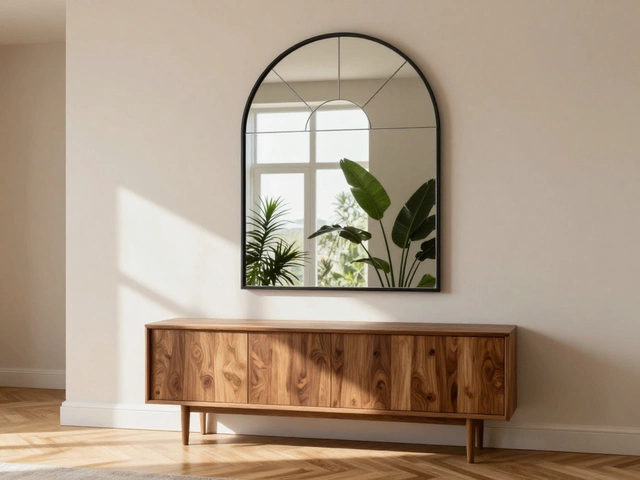
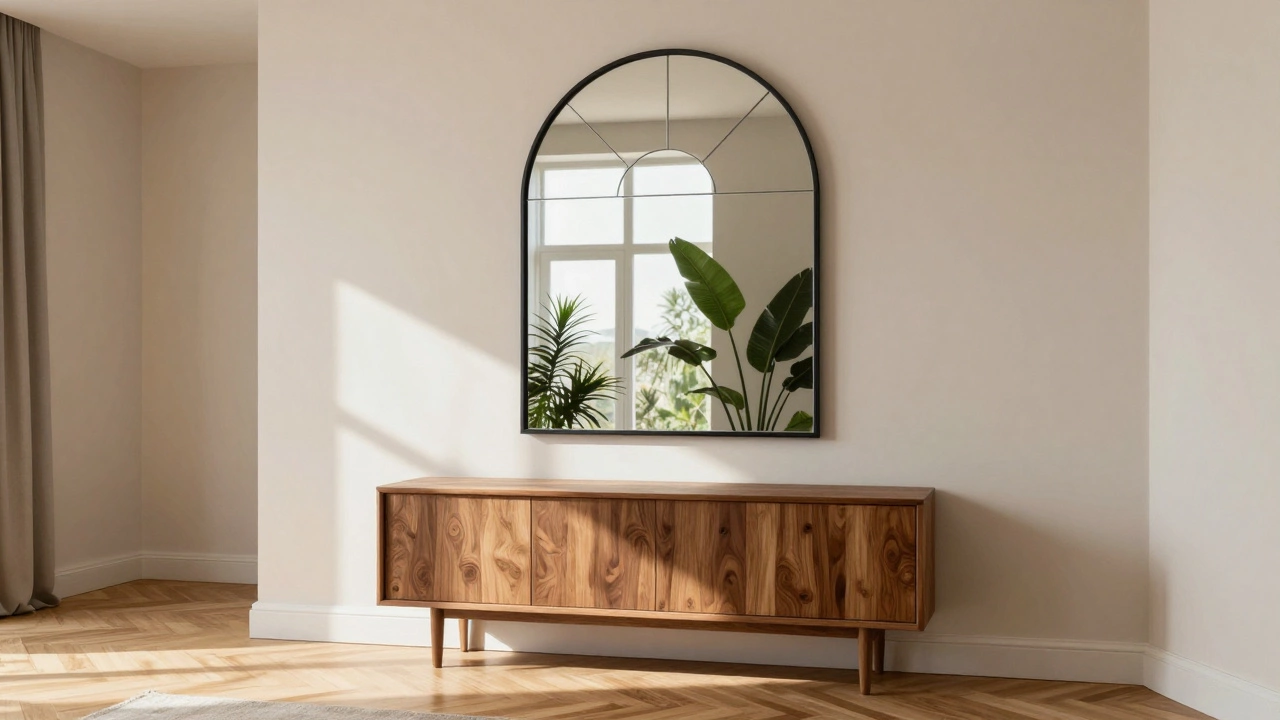
Arched mirrors have been huge in recent years, bridging the gap between the structure of a rectangle and the softness of a circle. They mimic doorways and windows, adding a subtle architectural detail to plain walls. If you want a modern but friendly look, the arch is your best friend.
Frames vs. Frameless: Setting the Tone
Once you’ve picked the shape, you need to decide on the frame. Or lack thereof. This decision heavily influences the style of your home.
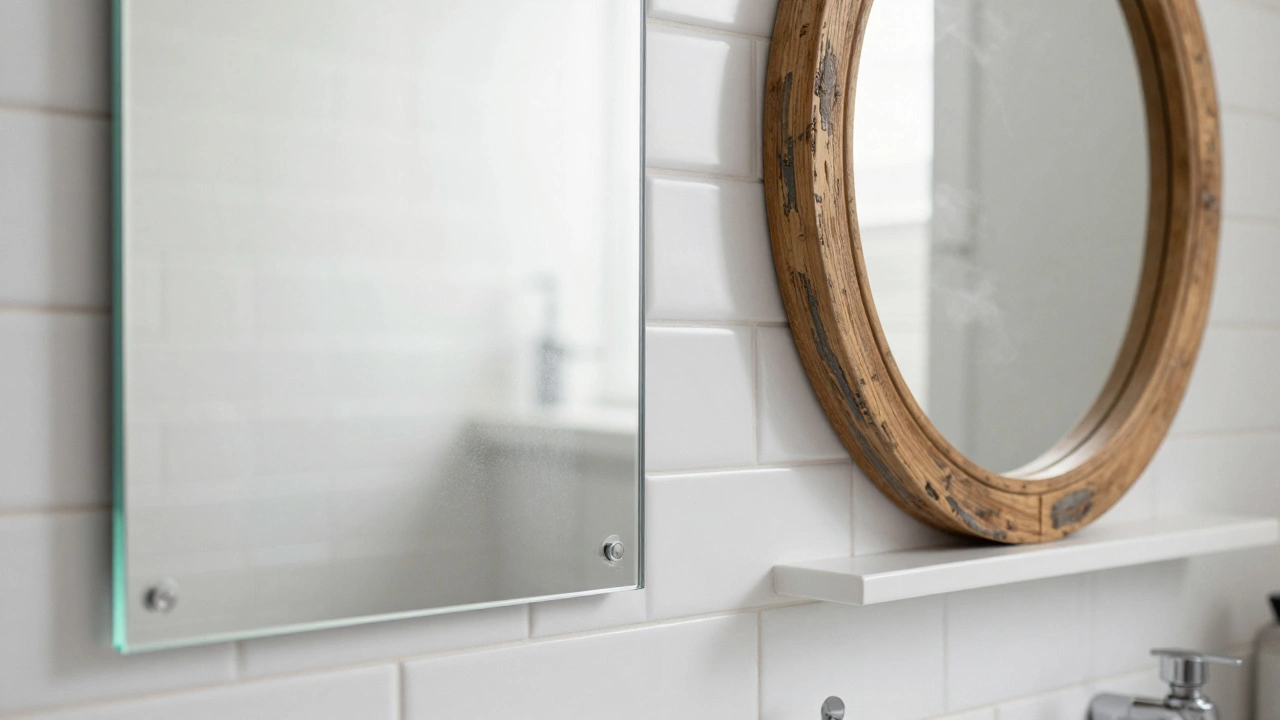
Frameless mirrors are mirrors without decorative borders, often used in minimalist or modern designs. These are perfect for bathrooms and modern living rooms. Because they have no visual weight around the edge, they disappear into the wall, maximizing the reflection. They make small spaces feel larger because there’s less "stuff" competing for attention. If you have a small apartment with limited natural light, a frameless mirror placed opposite a window is a game-changer.
On the other hand, framed mirrors act like art. A thick, black metal frame gives an industrial or mid-century modern vibe. A chunky wooden frame brings warmth and rustic charm, ideal for cabins or farmhouse styles. Gold or brass frames lean into glam or traditional aesthetics, catching the light and adding a layer of luxury. If your room lacks texture or color, a bold frame can serve as the focal point.
Consider the existing hardware in the room. If your cabinet knobs, light fixtures, and faucet are brushed nickel, a mirror with a matching silver-toned frame will tie the room together. Clashing metals can look messy, so try to keep your metallic accents consistent.
Placement Matters More Than You Think
You can buy the most expensive, beautifully crafted mirror in the world, but if you hang it in the wrong spot, it won’t work. Placement is strategic. Mirrors are tools for manipulating light and perception.
The number one rule of placement: never hang a mirror directly opposite a dark corner or a messy closet door. A mirror doubles whatever it sees. If it reflects a pile of laundry or a shadowy alcove, you’ve just doubled the clutter and gloom. Instead, position mirrors to reflect light sources. Place a mirror across from a window to bounce sunlight deep into the room. Hang one next to a lamp to create a glow effect in the evening.
In hallways, avoid placing mirrors at the very end of a long corridor if it faces another mirror, as this creates an infinite tunnel effect that can feel disorienting. Instead, place mirrors on the side walls to widen the perceived path. In dining rooms, hang a mirror behind the table to reflect the centerpiece, candles, or guests, making the gathering feel more lively and expansive.
Material and Finish Considerations
Not all mirrors are created equal. The quality of the glass and the finish of the backing matter, especially in high-humidity areas like bathrooms.
Standard mirrors have a silver backing that can tarnish over time, leading to those ugly black spots around the edges (known as silvering failure). For bathrooms, look for mirrors labeled as "anti-fog" or made with higher-quality coatings that resist humidity. Some modern mirrors even come with built-in LED lighting. These are fantastic for bathrooms because they provide even, shadow-free illumination for makeup application and shaving, while also serving as a stylish fixture.
For living areas, the material of the frame matters for durability and style. Wood frames can warp in humid environments, so stick to metal, plastic, or sealed wood for bathrooms. In dry rooms, wood offers a rich texture that metal cannot replicate. Distressed finishes add character, while matte black or white finishes keep things clean and contemporary.
Common Mistakes to Avoid
Even with the best intentions, it’s easy to slip up. Here are a few pitfalls to watch out for:
- Hanging it too high: We tend to hang mirrors at eye level when standing, but if you’re sitting on a sofa, that mirror might be out of view. For living rooms, ensure the center of the mirror is at eye level when seated, or slightly above. In entryways, aim for standing eye level.
- Ignoring the reflection: Before you drill holes, hold the mirror up against the wall. Step back. What does it show? If it shows the TV screen, it might cause glare. If it shows a neighbor’s window, consider privacy.
- Over-accessorizing: If you have a large, statement mirror, you don’t need clutter around it. Let the mirror breathe. A simple vase or plant nearby is enough. Don’t crowd it with photos or shelves unless you’re going for a specific gallery-wall look.
- Using cheap hardware: A heavy mirror hung with flimsy nails is a safety hazard. Use proper anchors and hooks rated for the weight of the mirror. Safety first, always.
Specialty Mirrors for Unique Spaces
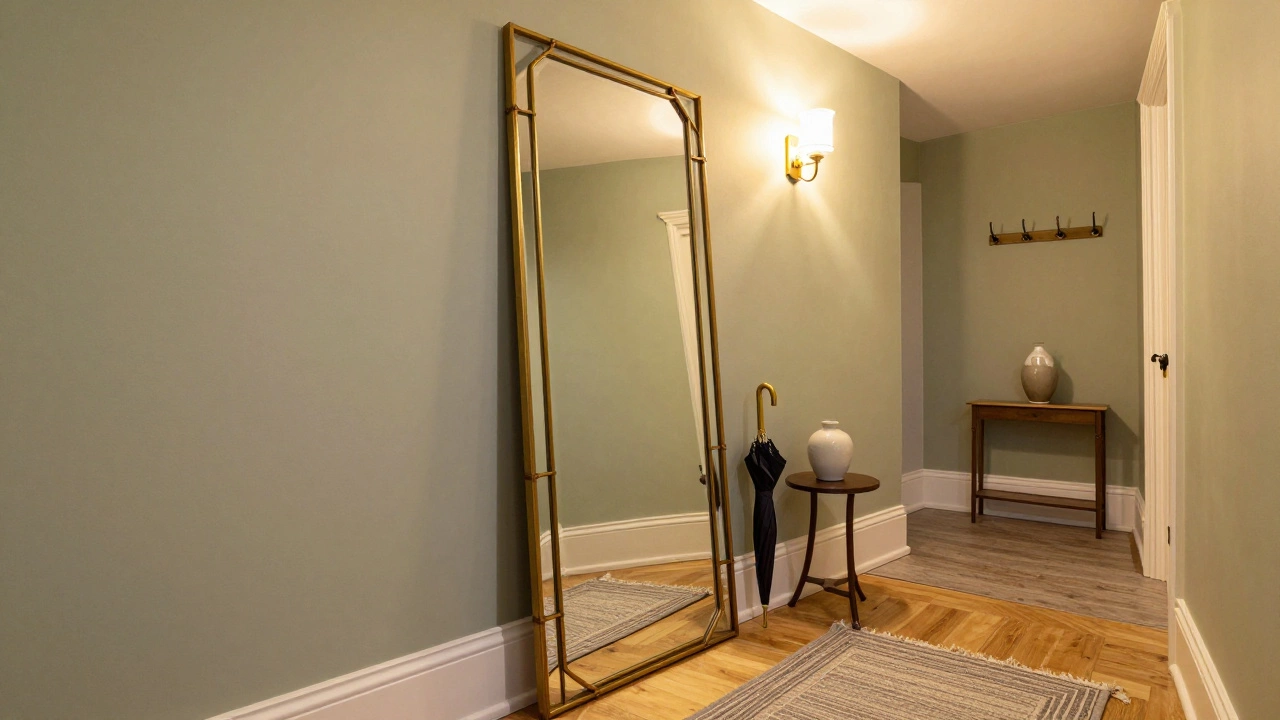
Sometimes, standard rectangles and circles aren’t enough. That’s where specialty mirrors come in. Floor mirrors are essential for bedrooms and dressing areas. Lean a full-length mirror against a wall for a casual, chic look, or mount it securely for a cleaner appearance. Leaning mirrors save wall space and add a relaxed vibe.
Mosaic mirrors, composed of many small mirrored tiles, add texture and sparkle. They catch light from multiple angles, creating a dynamic shimmer that flat mirrors can’t achieve. These are great for accent walls or behind headboards. Beveled mirrors, with their angled edges, add depth and a vintage feel, perfect for traditional homes.
If you have a small nursery or child’s room, consider shatterproof mirrors or acrylic alternatives. Safety is paramount, and these materials offer the same reflective benefits without the risk of broken glass.
Maintaining Your Mirror Investment
A dirty mirror ruins any room. Fingerprints, dust, and water spots turn a sleek surface into a distraction. Clean your mirrors regularly with a microfiber cloth and a gentle glass cleaner. Avoid abrasive sponges that can scratch the coating. For framed mirrors, dust the frame with a dry cloth to prevent buildup. In bathrooms, wipe down the mirror after showering to prevent mineral deposits from hard water.
If you notice black spots forming along the edges, the mirror is aging. While you can’t fix this, you can slow it down by avoiding direct contact with harsh chemicals and keeping humidity levels in check. Investing in a higher-quality mirror initially saves you money in the long run by lasting longer without degradation.
Finding the Perfect Fit
Ultimately, what your mirrors look like should reflect your personal style and the function of the room. There are no hard rules, only guidelines. Experiment with different shapes and sizes. Visit showrooms to see how mirrors interact with light in person. Online shopping can be tricky because screens distort colors and scales, so always check dimensions carefully.
Start with the largest room in your home and work your way out. Choose a statement piece for the living room or entryway, then follow the theme throughout the house. Consistency in frame material or shape ties your home together, making it feel curated rather than collected. Remember, a mirror is not just a tool for vanity; it’s a design element that shapes how you experience your space every single day.
How high should I hang a mirror in the living room?
In a living room, the center of the mirror should be at eye level when you are sitting on the sofa, typically around 57 to 60 inches from the floor. If the mirror is above a console table, leave about 4 to 6 inches of space between the top of the furniture and the bottom of the mirror.
Can I hang a mirror above a bed?
Yes, but be cautious. Some people find it unsettling to see themselves reflected while sleeping. If you choose to hang a mirror above the bed, ensure it is securely mounted and doesn’t reflect the door directly, which some believe disrupts energy flow. Alternatively, place a mirror on a dresser opposite the bed.
What is the best mirror shape for a small bathroom?
A rectangular mirror is practical for grooming, but a rounded or oval mirror can soften the hard lines of small tiles and fixtures, making the space feel less cramped. Choose a frameless or thin-framed mirror to maximize the sense of openness.
Do mirrors really make a room look bigger?
Yes, mirrors create an optical illusion of depth by reflecting light and views. Placing a large mirror opposite a window or a focal point doubles the visual space, making the room feel wider and brighter. This is especially effective in narrow hallways or small apartments.
How do I clean a framed mirror without damaging the frame?
Use a spray bottle filled with water and a drop of dish soap. Spray the cloth, not the mirror, to avoid liquid seeping into the frame. Wipe the glass with a microfiber cloth, then use a separate dry cloth for the frame. Avoid harsh chemicals like ammonia on antique or wooden frames.
Should I match my mirror frame to my other home decor?
It’s a good idea to coordinate metals and materials. If your light fixtures and hardware are brass, a brass-framed mirror will create a cohesive look. However, mixing metals can work if done intentionally. Ensure the frame complements the room’s style rather than clashing with it.