Tableware Vocabulary Selector
Describe Your Situation
Select options and click the button to find the right term.
Imagine hosting a dinner party. You want the table to look elegant, but every time you check your notes, it just says "plates and bowls." It feels flat. You’re looking for that one word-the fancy word for plates and bowls-that elevates the entire vibe of the room. Maybe you’ve heard hosts whisper about their "service" or seen menus listing courses served on "china."
You aren't alone in this search. Whether you are writing a novel, planning a wedding menu, or simply trying to sound sophisticated at a restaurant, knowing the right terminology changes how people perceive your setup. The truth is, there isn't just one fancy word. There is a whole hierarchy of terms depending on whether you mean the material, the set, or the act of serving.
The Most Common Elegant Substitute: Tableware
If you need a direct replacement for "plates and bowls" that sounds professional without being overly archaic, tableware is your best bet. It is the standard term used by designers, retailers, and hospitality professionals worldwide. Unlike "dishes," which can imply dirty laundry waiting to be washed, tableware refers specifically to the items used for eating and serving at the table.
Tableware encompasses more than just the vessels. It includes cutlery (knives, forks, spoons) and glassware. However, in common conversation, if someone asks about your tableware, they are primarily interested in the ceramic or porcelain components. Using this word signals that you view these items as part of a cohesive design system rather than random kitchen tools.
When Referring to a Complete Set: A Service
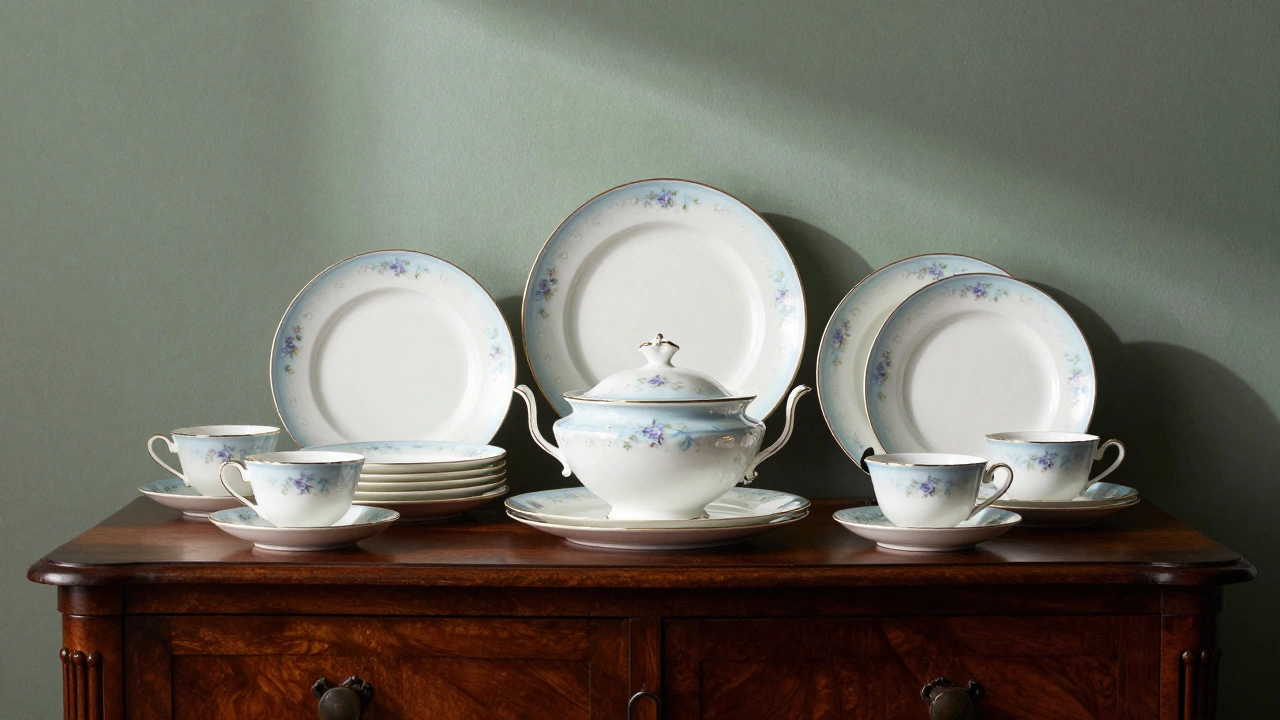
Here is where most people get stuck. If you have twelve matching plates, twelve soup bowls, and twelve dessert dishes, you don’t call them "twelve sets of plates." In formal dining and antique collecting, this collection is called a service.
You might hear phrases like "a service for eight" or "a partial service." This terminology comes from the historical practice of buying dinnerware by the place setting. If you are describing a high-end collection, saying "I own a complete service of bone china" instantly communicates value, completeness, and tradition. It implies that every piece matches perfectly, from the rim pattern to the weight of the plate.
- Service for two: Often used for romantic dinners or small apartments.
- Full service: Includes dinner plates, salad plates, bread plates, soup bowls, cereal bowls, saucers, and sometimes teacups.
- Partial service: A mix-and-match approach or an incomplete set, often found in estate sales.
The French Influence: Vaisselle
If you really want to impress, or if you are writing dialogue for a character who enjoys fine dining, consider using the French loanword vaisselle. Pronounced "vah-yel," this word literally translates to "dishware" or "tableware." It carries a heavy connotation of elegance and European sophistication.
In English, we rarely use vaisselle in everyday speech. You will mostly see it in high-end interior design magazines or luxury hotel descriptions. For example, a boutique hotel might advertise its breakfast as being served on "hand-painted vaisselle." Using this word suggests that the items are not just functional; they are artistic objects worthy of display.
| Term | Formality Level | Best Used When... | Includes Cutlery? |
|---|---|---|---|
| Dishes | Casual | Talking about cleaning or daily meals | No |
| Tableware | Professional | Shopping, designing, or hosting formally | Often yes |
| China | Traditional/Elegant | Referring to porcelain material specifically | No |
| Service | Collectible/Formal | Describing a matched set for multiple guests | No |
| Vaisselle | Luxury/Artistic | Writing creatively or marketing high-end goods | Context-dependent |
Material Matters: China vs. Earthenware
Sometimes, the "fancy" aspect comes from the material itself rather than the collective noun. In many households, especially older ones, the word china is synonymous with good plates. This stems from the fact that porcelain was originally imported from China. Even today, when someone says "put out the china," they mean the nice, delicate plates reserved for special occasions.
However, not all fancy tableware is china. Modern luxury tableware often uses stoneware, porcelain, or even glass. If you want to be precise, you might refer to your collection as porcelain or bone china. Bone china is particularly prized in the UK and New Zealand for its translucency and strength. Mentioning the specific material adds a layer of authenticity and expertise to your description.
Contextual Nuances: Serveware vs. Dinnerware
To truly master this vocabulary, you need to distinguish between what goes on your personal plate and what sits in the center of the table. This distinction is crucial for anyone planning a formal event.
Dinnerware refers strictly to the individual place settings: the dinner plate, salad plate, bowl, and mug. It is what each guest interacts with directly. On the other hand, serveware (or serving ware) includes the platters, tureens, gravy boats, and salad bowls used to present food before it is portioned out.
If you are asking for a fancy word for the large bowl in the middle of the table, "tureen" is the specific term for a deep, lidded vessel used for soups and stews. "Platter" works for flat, large plates. Using these specific terms instead of "big bowl" or "big plate" demonstrates attention to detail and culinary knowledge.
Why Vocabulary Changes Perception
Language shapes reality. When you call your items "dishes," your brain associates them with chores. When you call them "tableware" or a "service," your brain associates them with hospitality and aesthetics. This shift in perspective can actually change how you care for your items. People tend to handle "china" with more care than they handle "plates."
For writers, marketers, and hosts, choosing the right word sets the tone. A menu that lists "appetizers served on artisanal stoneware" sounds more appetizing than "snacks on plates." The former evokes texture, craftsmanship, and intention. The latter feels generic and mass-produced.
Practical Tips for Using These Terms
Don't overdo it. Using words like vaisselle in a casual text message to a friend will likely come across as pretentious. Reserve the fancier terms for appropriate contexts: invitations, product descriptions, interior design discussions, or creative writing.
- For shopping: Use "tableware" or "dinnerware" to find the widest range of products online.
- For hosting: Refer to your "service" when discussing seating arrangements (e.g., "we have a service for ten").
- For writing: Use "china" or "porcelain" to evoke nostalgia or tradition. Use "stoneware" or "ceramic" for a modern, rustic feel.
- For cleaning: Stick with "dishes." It keeps things grounded and practical.
Understanding these distinctions helps you communicate more clearly and effectively. Whether you are buying a new set or describing your grandmother's heirlooms, having the right vocabulary ensures your message lands exactly as intended.
What is the difference between tableware and dishware?
While often used interchangeably, tableware typically refers to items used at the table for eating and serving, including cutlery and glassware. Dishware is a broader term that can include cookware (items used for cooking) as well as tableware. In casual conversation, they mean the same thing, but tableware sounds slightly more refined.
Is "china" still considered a fancy word?
Yes, "china" retains a sense of formality and tradition. It specifically refers to porcelain or bone china, which are finer and more delicate materials than standard earthenware. Saying "put out the china" implies using the best, most fragile items reserved for special occasions.
What does "a service for six" mean?
It means you have a complete, matching set of tableware (plates, bowls, cups, etc.) for six individual place settings. This term is commonly used in antiques, retail, and formal dining to describe the capacity of a collection.
Can I use "vaisselle" in everyday English?
You can, but it is rare and very formal. It is best suited for creative writing, luxury marketing, or when speaking to someone familiar with French culture. In normal conversation, it may confuse listeners or sound affected.
What is the fancy word for a soup bowl?
A deep, wide soup bowl is often called a "soup plate" or a "bowl." If it is part of a formal service, it might be referred to as a "soup course vessel." For large serving bowls, the term "tureen" is used, especially if it has a lid.
Does tableware include silverware?
Yes, technically tableware includes everything used on the table: plates, bowls, cutlery (silverware), and glassware. However, in retail, you might find "flatware" (cutlery) sold separately from "dinnerware" (plates/bowls). Context determines the scope.
What is the difference between porcelain and bone china?
Bone china contains bone ash, which makes it stronger and more translucent than regular porcelain. It is often considered higher quality and more luxurious. Both are types of "china," but bone china is typically more expensive and prized for its ring-like sound when tapped.
How do I refer to mismatched plates elegantly?
Instead of calling them "mismatched," use terms like "eclectic collection," "curated assortment," or "mixed vintage pieces." This frames the lack of uniformity as a deliberate stylistic choice rather than a lack of funds or organization.