Smart Storage Strategy Planner
Your Smart Storage Plan
Loading strategy...
Estimated Cost Impact
Walking into a room where you can’t find your keys because they’re buried under a pile of mail is frustrating. It happens to almost everyone at some point. The problem isn’t always the size of your house; it’s often how we use the space we have. You don’t need a mansion to stay organized. With a few smart adjustments, you can unlock hidden capacity in every corner of your home.
We tend to think about storage as buying bigger boxes or clearing out furniture. But real extra storage comes from rethinking the architecture of your daily habits. By looking up, down, and behind doors, you can create significant new space without knocking down a single wall. Here is how to turn cluttered chaos into a streamlined, functional home.
Maximize Vertical Space
The biggest mistake people make is stopping their storage at eye level. Walls are prime real estate that most homeowners leave empty. When you look at a blank wall, you should see a grid of potential shelves, hooks, and cabinets. Vertical storage is the practice of using wall height to store items, freeing up floor space and keeping belongings accessible. This approach works in any room, from the kitchen to the bedroom.
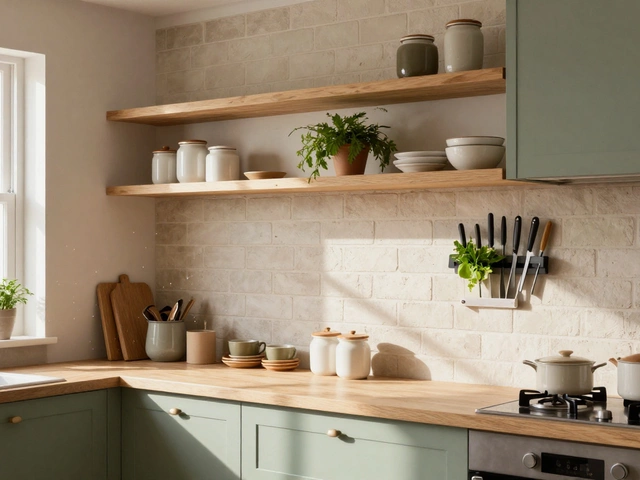
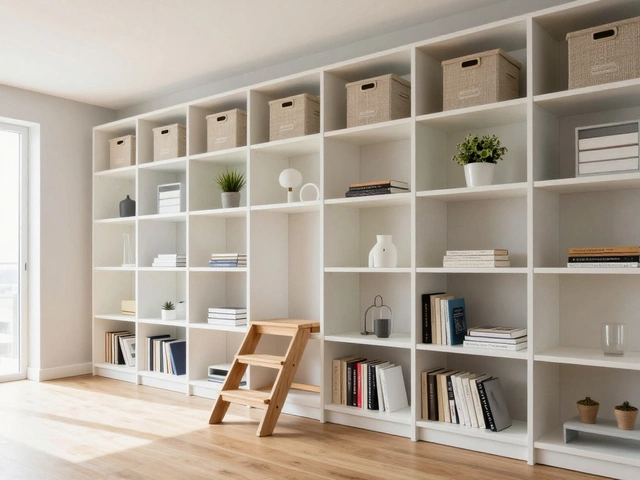
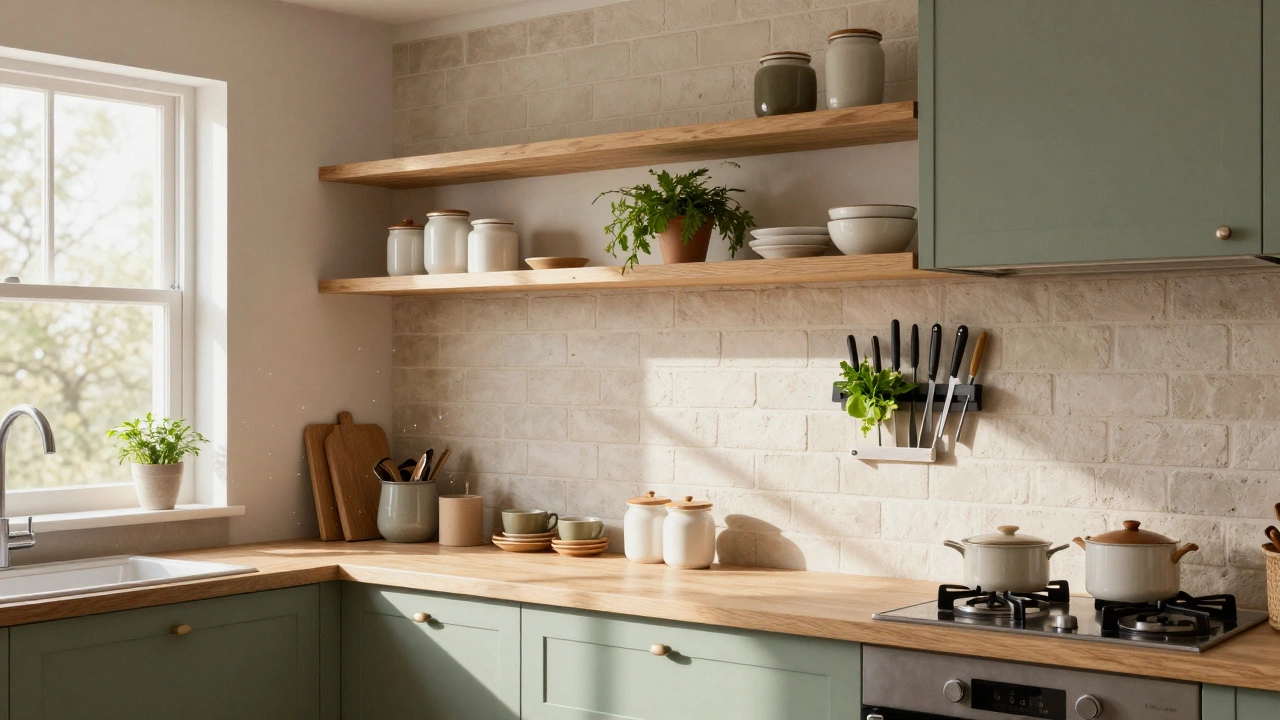
In the kitchen, install floating shelves above your counter. Use these spots for decorative dishes or everyday spices you grab constantly. Keep heavy pots on lower shelves to prevent accidents. In the living room, consider a tall bookcase that reaches the ceiling. Most standard units stop short, leaving dusty gaps above. Fill that gap with custom shelving or place less-used items there. You can also hang pegboards in workshops or craft rooms. They hold tools visibly and neatly, turning a messy bench into an organized station.
Don't forget the space above doorways. A simple shelf installed just above the door frame can hold books, baskets, or plants. It draws the eye upward, making the room feel taller while adding useful surface area. Just ensure anything stored here is lightweight so it doesn’t stress the mounting hardware.
Utilize Under-Used Areas
Every house has dead zones-spaces that exist but serve no purpose. Your job is to wake them up. Look under beds, behind toilets, and inside closets. These areas are often overlooked but offer massive potential for Hidden storage is storage solutions integrated into furniture or architectural features to keep items out of sight while maintaining accessibility.
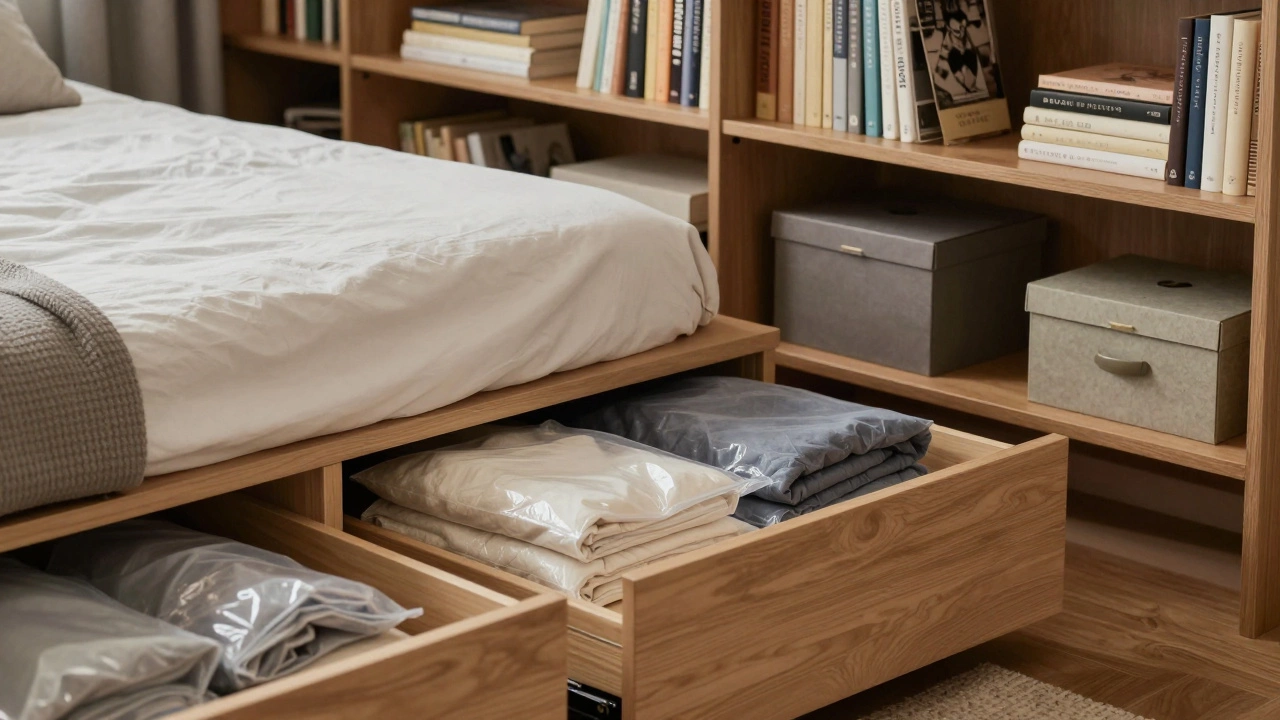
Start with the bedroom. If your bed has legs, buy rolling bins or vacuum-sealed bags to slide underneath. Store off-season clothing, extra bedding, or shoes here. If you have a platform bed, check if it has built-in drawers. If not, consider replacing the bed frame with one that includes lift-up storage compartments. This doubles the utility of the largest piece of furniture in the room.
In the bathroom, the space behind the toilet is notoriously difficult to clean and equally hard to use. Install a narrow over-the-toilet rack. It holds towels, toiletries, and cleaning supplies without taking up floor space. Similarly, look at the side of your bathtub or shower enclosure. Adhesive hooks or tension rods can hold bath caddies, keeping shampoo and sponges within reach but off the tub ledge.
Optimize Closet Systems
Closets are often designed poorly by builders. Standard rod heights leave huge empty spaces above and below. To fix this, you need to customize the interior. Closet organization systems are modular frameworks that allow users to adjust shelf heights, rod positions, and drawer placements to fit specific wardrobe needs. You don’t need an expensive professional installation to start improving things.
Measure your clothes. Long coats need more hanging space than t-shirts. Install double hanging rods. The top rod holds longer items like dresses and trousers. The bottom rod, placed six inches above the floor, holds shirts and pants. This instantly doubles your hanging capacity. Use the space above the top rod for seasonal storage bins. Label them clearly so you know what’s inside without digging.
Replace bulky hangers with uniform, slim velvet ones. They take up half the space of plastic hangers and prevent clothes from slipping off. For shoes, install a shoe rack on the back of the closet door or use clear acrylic risers on shelves. This lets you stack two pairs vertically instead of lining them up horizontally. Small changes in hanger type and spacing can free up several feet of linear space.
Multi-Functional Furniture
If you live in a smaller home, every piece of furniture must earn its keep. Single-purpose items waste valuable square footage. Instead, choose pieces that serve dual roles. Multi-functional furniture refers to furniture pieces designed to perform more than one task, such as providing seating while also offering internal storage compartments. This strategy is essential for apartments and small houses.
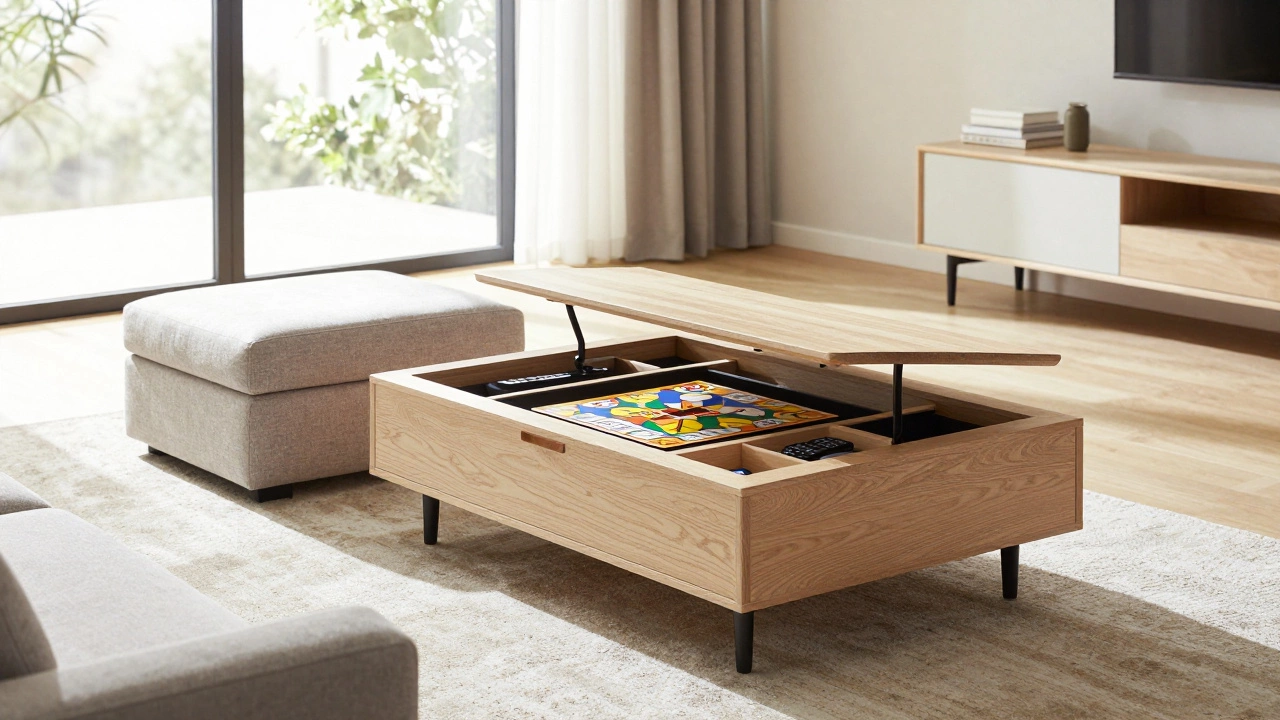
Consider an ottoman with a hollow interior. It acts as a footrest, extra seating, and a bin for blankets or magazines. Lift-top coffee tables are another great option. The surface lifts up to reveal deep storage for remote controls, board games, or paperwork. In the dining area, a bench with cubbies underneath stores tablecloths, napkins, and placemats. It seats guests during meals and hides clutter when the party is over.
Bedroom desks can replace standalone dressers if chosen wisely. A desk with drawers and shelves combines workspace with clothing storage. For kids’ rooms, loft beds elevate the sleeping area, creating space underneath for a study zone, play area, or mini-lounge. This effectively splits one room into two functional zones without adding walls.
Kitchen Counter Decluttering
Kitchens are the heart of the home, but they are also the fastest places to accumulate clutter. Countertops get covered with appliances, mail, and random items. Clearing these surfaces makes cooking easier and the space feel larger. The goal is to put away everything that isn’t used daily.
Use magnetic strips for knives and spice jars. Mount them on the side of cabinets or on bare walls. This frees up drawer space and keeps tools visible. Install pull-out organizers inside cabinets. These trays slide out like drawers, allowing you to access items at the back without removing everything in front. They work wonders for pots, pans, and pantry staples.
For small appliances like blenders or toasters, designate a specific cabinet. If you only use the blender once a week, it shouldn’t sit on the counter. Keep daily essentials like the coffee maker out, but store the rest away. Use tiered shelf inserts in cabinets to see all items at once. This prevents the "black hole" effect where you forget what you own until you need it.
| Room | Best Solution | Key Benefit | Cost Level |
|---|---|---|---|
| Bedroom | Under-bed bins | Hides seasonal items | Low |
| Kitchen | Pull-out organizers | Accesses deep cabinets | Medium |
| Living Room | Lift-top coffee table | Dual function (seating/storage) | High |
| Bathroom | Over-toilet rack | Uses dead vertical space | Low |
| Closet | Double hanging rods | Doubles hanging capacity | Low |
The Art of Editing
Adding storage helps, but it won’t solve the problem if you keep accumulating stuff. True organization requires editing your possessions. Before buying new bins, ask yourself if you really need the item. If you haven’t worn a shirt in two years, donate it. If a gadget breaks more often than it works, toss it.
Adopt the "one in, one out" rule. For every new item you bring into the house, remove one old item. This maintains balance and prevents overflow. Regularly review your storage systems. If a drawer is overflowing, redistribute items or sell what you don’t use. Storage is not a permanent solution for hoarding; it’s a tool for managing what you truly value.
What is the cheapest way to add storage?
The cheapest methods involve rearranging existing furniture and using inexpensive accessories. Add hooks to the backs of doors for coats or bags. Use tension rods in closets to create extra hanging sections. Buy affordable plastic bins from discount stores to group similar items together. These low-cost tweaks can significantly improve organization without major spending.
Can I add storage without drilling holes?
Yes, many renter-friendly options exist. Use adhesive hooks rated for the weight of your items. Tension rods fit between walls or inside cabinets without screws. Freestanding shelving units and storage ottomans require no installation. Command strips and similar products allow you to hang lightweight shelves or organizers safely.
How do I organize a small apartment?
Focus on verticality and multi-functionality. Use tall bookcases to draw the eye up. Choose furniture with built-in storage, like beds with drawers or sofas with chaise lounges that open up. Keep floors clear by moving items to walls. Edit your possessions ruthlessly to avoid overcrowding limited space.
Where should I store seasonal items?
Store seasonal items in hard-to-reach places. Top shelves in closets, under-bed spaces, or attic corners are ideal. Use clear bins or labeled opaque containers so you know what’s inside without opening them. Rotate these items twice a year to keep your primary storage areas dedicated to current needs.
Is it worth hiring a professional organizer?
Hiring a pro can be helpful if you feel overwhelmed or lack time. They provide expert strategies and accountability. However, many basic techniques are easy to learn online. Start with DIY methods first. If clutter persists despite your efforts, then consider professional help for a customized system.