Bad Rug Materials: What to Avoid When Buying a Rug
When you buy a rug, you’re not just buying a floor covering—you’re buying rug materials, the physical fibers and construction that determine how long it lasts, how it feels underfoot, and whether it sheds, stains, or collapses. Also known as rug fibers, these materials make or break your investment. Too many people pick rugs based on price or color, only to find them flattened, frayed, or falling apart within a year. The worst offenders? Cheap synthetic blends like polyester, olefin, and low-grade acrylic. These fibers don’t hold up to foot traffic, pets, or spills. They flatten fast, trap dirt, and often off-gas chemicals that linger in your home.
What makes a cheap rug, a low-cost floor covering often made with poor-quality fibers and weak backing. Also known as budget rug, it so tempting? It’s the price tag. But here’s the truth: a $50 rug that looks nice on Day One often costs more in the long run than a $200 one. Why? Because it needs replacing every 2–3 years. Real durability comes from natural fibers like wool, which resists crushing and repels stains naturally, or high-density nylon, which holds up under heavy use. Avoid rugs with thin backings, loose weaves, or vague labels like "polypropylene blend"—they’re red flags. Even worse are rugs made with recycled plastic bottles that haven’t been properly processed. These can break down under sunlight or moisture, turning brittle and shedding microplastics.
Some materials look fine in the store but turn into a mess at home. Polyester rugs fade fast in sunlight. Olefin rugs stain easily and can’t be cleaned with hot water. And don’t trust "pet-friendly" claims unless you see real test results—many are just marketing buzzwords. The best way to spot bad materials? Look at the label. If it doesn’t say what the fibers are, walk away. If it says "100% polypropylene" or "100% polyester," think twice. You’re not saving money—you’re paying twice.
Below, you’ll find real-world breakdowns of what actually wears out, what holds up, and which rugs you should never bring into your home. No theory. No fluff. Just what people have learned the hard way.
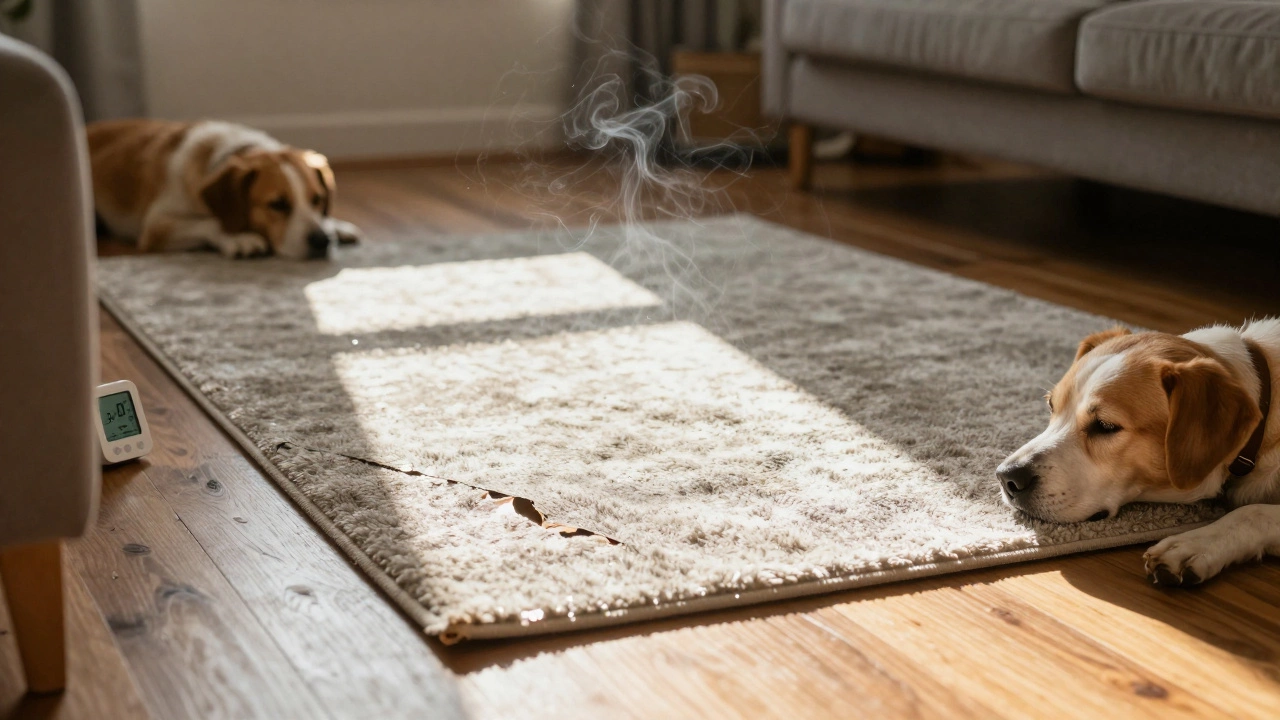
What Rug Material Should I Avoid? Top 5 Risky Fibers to Skip
Avoid these 5 risky rug materials that can harm your health, damage floors, or fall apart fast. Learn what to skip and what to buy instead for safer, longer-lasting rugs.