Best Sofa for Back: What Makes a Sofa Truly Supportive
When you're searching for the best sofa for back, a seating solution designed to reduce strain on the spine and promote natural posture. Also known as a lumbar-supportive sofa, it’s not just about softness—it’s about how well it holds your body in alignment while you sit, relax, or watch TV. Many people assume comfort means sinking in deep, but that’s often the opposite of what your spine needs. A sofa that’s too soft collapses under your weight, forcing your lower back into a C-curve. Over time, that leads to stiffness, pain, and even nerve issues. The right sofa doesn’t hug you—it supports you.
What makes a sofa actually help your back? It starts with the frame, the hidden skeleton that determines how long the sofa holds its shape. Hardwood frames, like kiln-dried oak or maple, don’t warp or flex like particleboard or plastic. Then there’s the cushion filling, the layer that touches your body every day. High-density foam is the gold standard—it springs back after pressure, unlike cheap polyester that flattens in months. Down blends feel plush but need constant fluffing. For back support, foam with a layer of fiber wrap strikes the best balance: firm enough to hold posture, soft enough to feel comfortable.
Don’t overlook the lumbar support, the curve built into the backrest that matches the natural arch of your lower spine. Built-in lumbar is better than throw pillows because it doesn’t slide around. Look for sofas where the backrest isn’t flat—it gently curves inward near the bottom. Some models even let you adjust the height or firmness of the support. If you sit for long periods, this isn’t a luxury—it’s a necessity. The fabric matters too. A durable, tightly woven material like performance microfiber or canvas won’t stretch out or sag under daily use, which keeps the internal structure aligned. Leather can work, but only if the foam underneath is thick enough—thin leather over cheap foam feels like sitting on a board.
You don’t need to spend thousands to get good back support. Some budget sofas use the same frame and foam as pricier brands—they just have simpler legs or fewer color options. The trick is knowing what to look for. Test a sofa by sitting in it for at least 10 minutes. Does your lower back feel held? Do your hips sink lower than your knees? If your feet don’t rest flat on the floor, the seat depth is wrong. A good sofa keeps your hips and knees at the same height.
Real people who live with chronic back pain don’t just buy based on looks—they look at the specs. They check for hardwood frames, 2.5+ density foam, and adjustable lumbar. They avoid sofas that say "plush" or "cloud-like" unless they also mention support. And they know that a sofa that lasts 10 years with good posture is cheaper than replacing a cheap one every 3 years.
Below, you’ll find real-world tests and reviews of sofas that actually help with back pain—not marketing claims, but what users report after months of daily use. From high-end brands to hidden gems under $1,000, these picks are chosen for how they feel when you sit down, not how they look in a showroom.
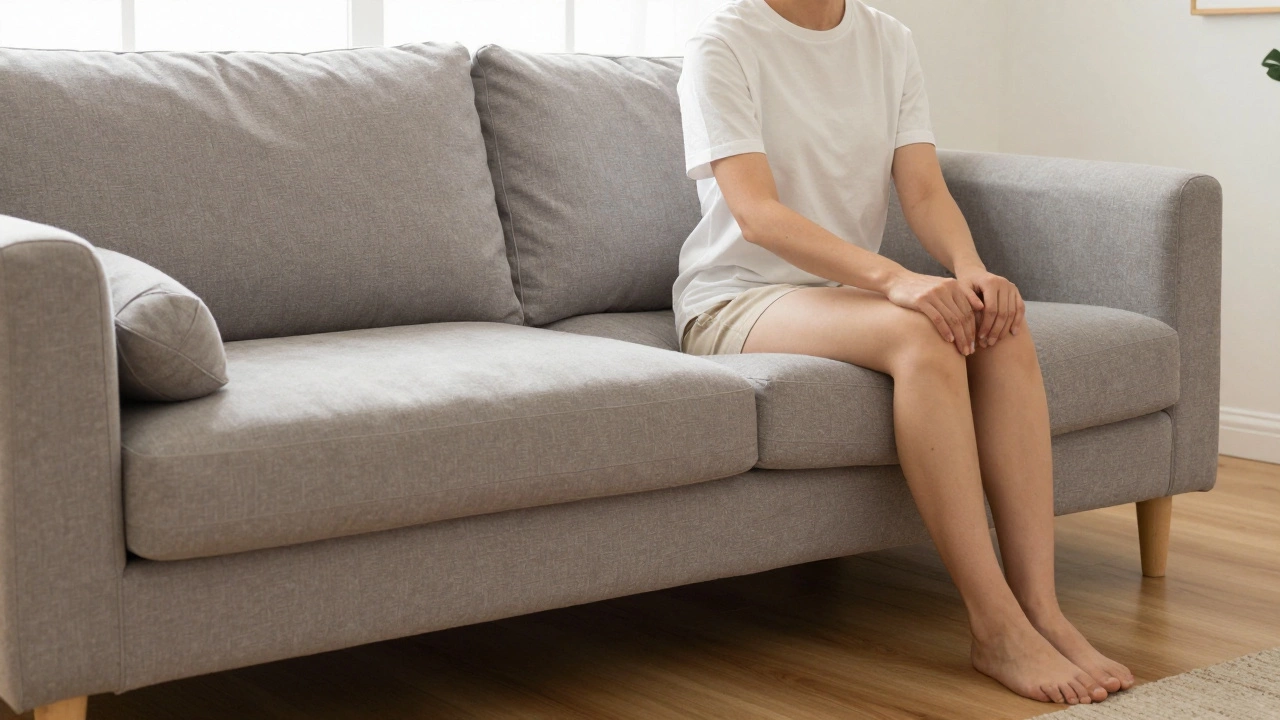
Is It Better to Have a Firm or Soft Sofa? The Real Difference That Matters
Choosing between a firm or soft sofa isn't about comfort alone - it's about support, durability, and your body's needs. Here's what actually works for back pain, napping, families, and small spaces.