Sofa Firmness Selector
Choose the options that best match your situation to get a personalized recommendation based on the latest ergonomic research.
Your Recommendation
Why this works for you
When you’re shopping for a new sofa, you’ll hear the same question over and over: firm or soft? It sounds simple, but the answer isn’t. A sofa that feels amazing in the store might leave you with a sore back by week three. Or worse - it could sag so badly you need a cushion just to sit on it.
There’s no universal ‘better’ here. What works for a 22-year-old college student who naps on the couch every night won’t suit a 65-year-old with chronic lower back pain. The right choice depends on your body, your habits, and how you actually use the sofa - not just how it looks in a showroom.
What Firmness Really Means (And Why It’s Not Just About Feel)
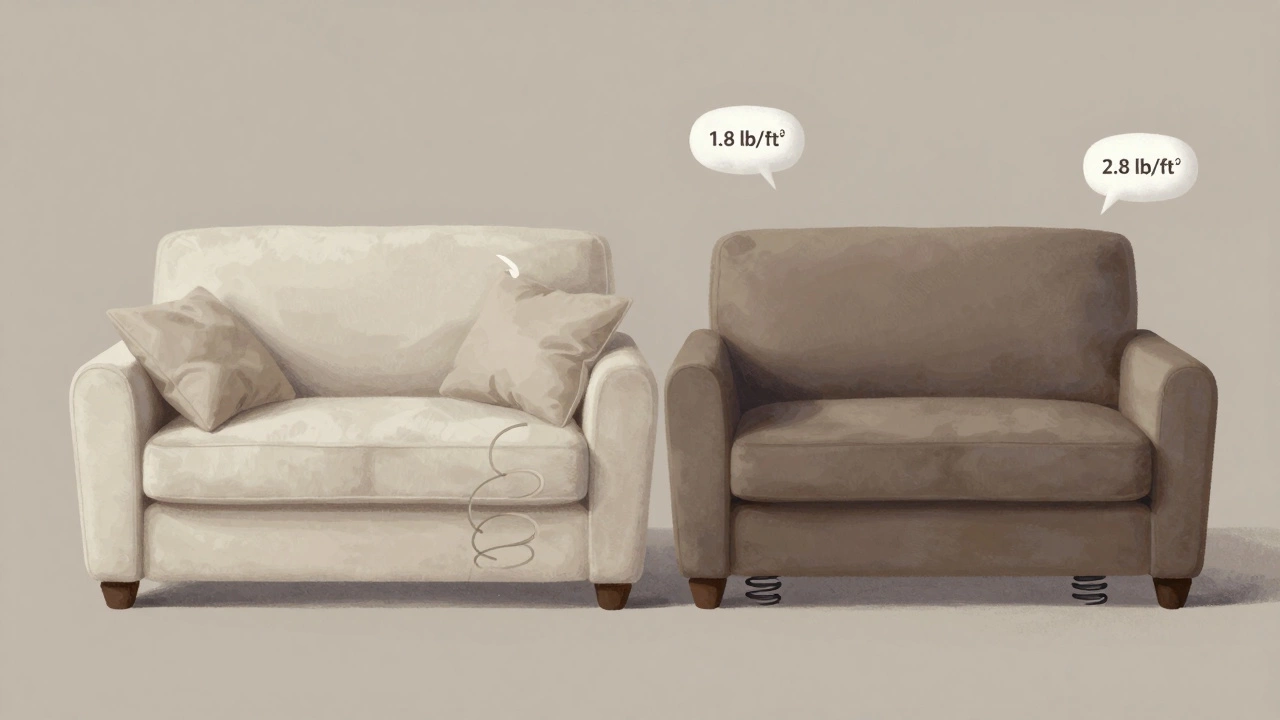
Firmness isn’t just a marketing word. It’s a mix of foam density, spring tension, and frame support. A soft sofa usually has low-density foam (under 1.8 lb/ft³) and loose cushioning. It sinks in fast, giving that ‘cloud’ feeling. A firm sofa uses high-density foam (2.5 lb/ft³ or higher), often with coil springs underneath, and a tighter upholstery wrap.
Here’s the catch: what feels soft at first can turn into a lump by year two. Low-density foam breaks down quickly. I’ve seen sofas from big-name stores collapse after 18 months because they used cheap foam to cut costs. A firm sofa doesn’t mean ‘uncomfortable’ - it means it holds its shape. That’s why hotels and offices use firm seating. They need durability, not just a quick thrill.
Who Should Choose a Firm Sofa?
If you sit up straight, work from the couch, or have back or joint issues, go firm. A 2023 study from the University of Auckland’s Ergonomics Lab found that people with lower back pain reported 40% less discomfort after switching from soft to medium-firm sofas. Why? Firm sofas support your spine’s natural curve. They don’t let your hips sink too far, which forces your lower back into a C-shape - a recipe for pain.
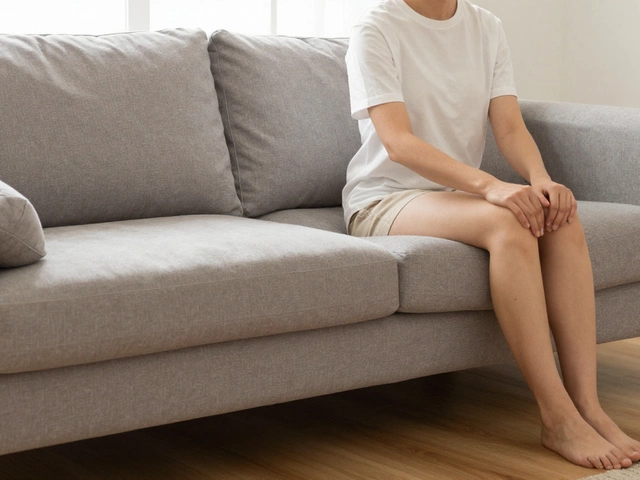
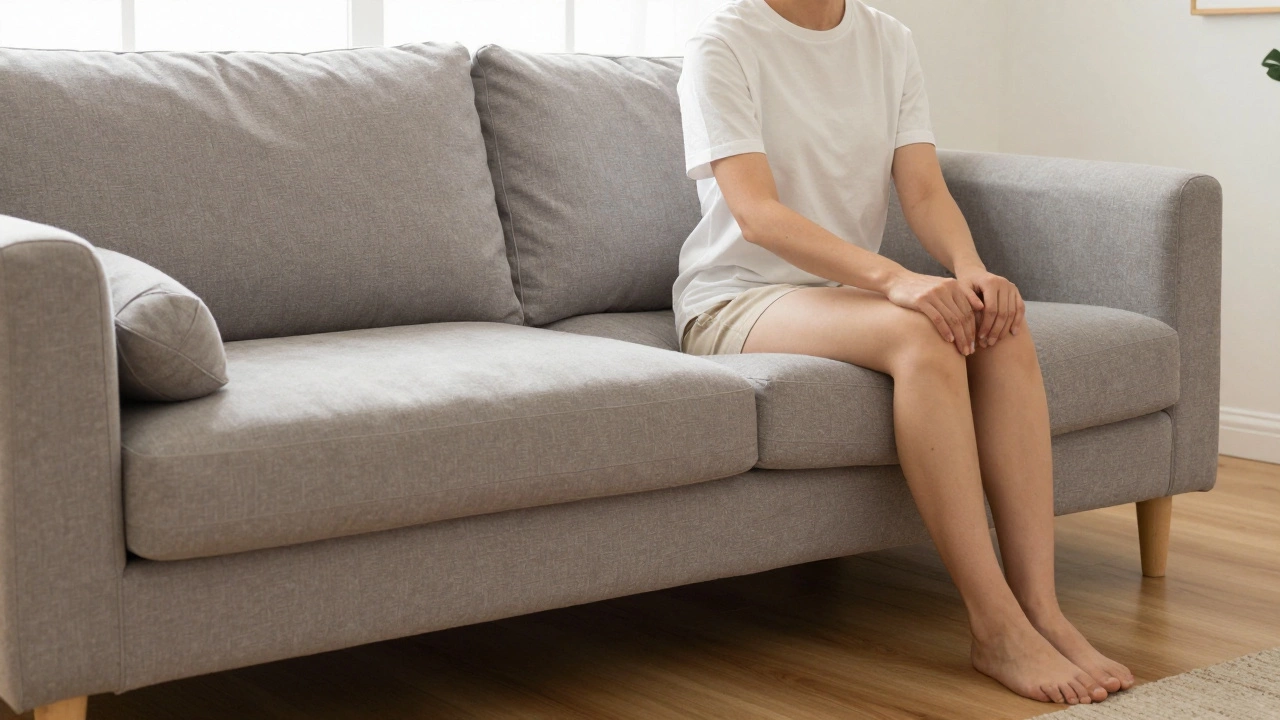
Firm sofas also work better for taller people. If you’re over 6 feet, a soft sofa makes you sink in so deep you have to push yourself up with your arms. That’s hard on your shoulders and knees. A firmer base keeps your legs at a natural 90-degree angle, which is easier on your joints.
And if you have kids or pets? Firm is smarter. Claws don’t tear into dense foam as easily. Spills don’t soak in as deep. You can clean it better, and it lasts longer.
Who Should Go for a Soft Sofa?
Soft sofas aren’t bad - they’re just for different people. If you love to curl up, binge-watch shows, or nap on the couch, a soft sofa feels like a hug. It’s ideal for lounging, not sitting upright for hours.
People with arthritis or mobility issues sometimes prefer softer seats because they’re easier to sink into. Getting up from a very firm sofa can be tough if your knees or hips are stiff. A soft sofa reduces the effort needed to rise - but only if it has a solid base underneath. Don’t pick a sofa that feels like a beanbag. Look for one with a firm inner frame and soft outer cushions. That’s the sweet spot.
Soft sofas also suit smaller spaces. A plush, deep seat makes a room feel cozier. In Auckland’s smaller apartments, many people choose soft sofas to create a warm, inviting vibe. Just know: you’ll need to fluff and rotate the cushions weekly. Otherwise, they’ll flatten unevenly and look lumpy.
The Middle Ground: Medium-Firm Is Often the Best Choice
Most people don’t need extreme firmness or extreme softness. The real winner? Medium-firm.
Medium-firm sofas use layered foam: a firm core (2.8 lb/ft³) with a softer top layer (1.8-2.2 lb/ft³). This gives you support without the ‘hard chair’ feeling. It’s why high-end brands like Herman Miller and IKEA’s newer models are shifting to this design.
It’s also the most versatile. You can sit upright to work, lean back to read, or lie sideways to nap. It handles daily use better than either extreme. And it lasts. A medium-firm sofa with a hardwood frame and high-density foam can easily last 10-15 years if cared for.
How to Test a Sofa Before You Buy
Don’t just sit on it. Test it like you live with it.
- **Sit deeply** - sink into the seat. If you bottom out and your feet dangle, it’s too soft.
- **Stand up slowly** - if you have to push off with your hands, it’s too firm or too low.
- **Lean back** - does your lower back feel supported? Or does it curve unnaturally?
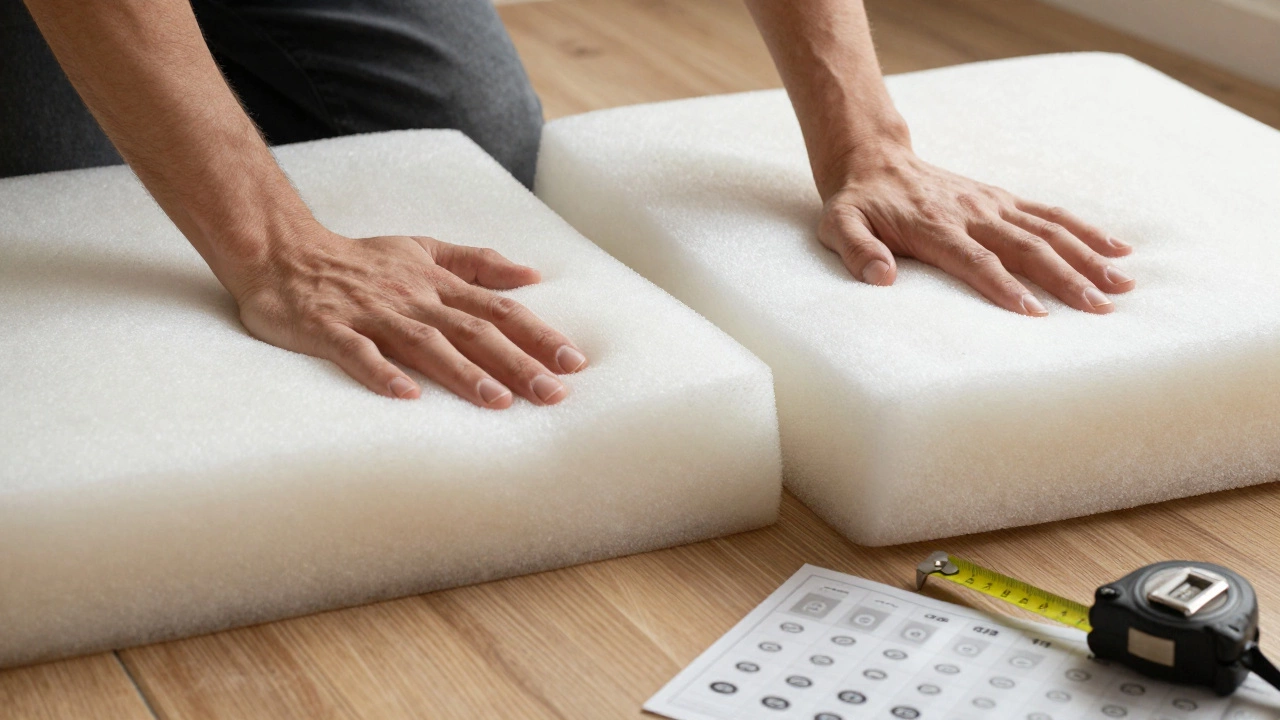
- **Press your hand into the cushion** - if it springs back in under 3 seconds, the foam is dense enough. If it takes 5+ seconds or doesn’t bounce back, it’s low quality.
- **Check the frame** - lift one corner. If the whole sofa wobbles, skip it. Solid hardwood frames don’t flex.
Try sitting on it for at least 10 minutes. Walk away, come back, sit again. Your body will tell you what it really feels like after a while.
What Happens When You Pick Wrong?
Choosing the wrong firmness isn’t just uncomfortable - it’s expensive.
Soft sofas with low-density foam sag within 1-2 years. Reupholstering costs $800-$1,500. By then, the frame might be warped too. You’re better off replacing it.
Firm sofas that are too hard can cause pressure points. If your hips or tailbone ache after sitting, it’s not ‘good support’ - it’s bad design. You’ll end up buying cushions, pillows, or even a footrest just to make it bearable.
The worst case? You buy a sofa because it looks good, then hate it. That’s emotional spending. And it’s common. Don’t let style override function.
Real-World Picks Based on Use
Here’s what works in real homes:
- For back pain: Medium-firm with lumbar support. Look for models with adjustable back cushions.
- For napping: Soft top layer over firm base. Avoid deep, sink-in seats - they make it hard to get up.
- For small spaces: Compact medium-firm sofa with clean lines. Avoid oversized, fluffy designs.
- For families with kids/pets: Firm, stain-resistant fabric (like microfiber) over high-density foam.
- For formal living rooms: Firm or medium-firm with tailored upholstery. Soft sofas look messy in formal spaces.
The best sofa isn’t the one that looks the most luxurious. It’s the one you can sit on for years without pain, without replacing, and without regret.
Final Tip: Look Beyond the Cushion
Most people focus on the cushion. But the frame matters just as much. A soft sofa on a weak frame will collapse. A firm sofa on a strong frame lasts decades.
Ask for the foam density (in lb/ft³) and frame material. If the salesperson doesn’t know, walk away. Reputable brands list this online. IKEA’s KUNGSBACKA series, for example, uses 2.5 lb/ft³ foam and solid beech frames. That’s why they last.
Don’t buy a sofa based on a photo. Buy it based on how it feels after 10 minutes of sitting. And remember - comfort isn’t about how soft it is. It’s about how well it holds you up, day after day, year after year.