Home Design Rules: Practical Tips for Spaces That Work
When we talk about home design rules, practical principles that guide how spaces are arranged and used to improve comfort and function. Also known as interior design principles, they’re not about fancy decor or expensive trends—they’re about making your home actually work for you every day. Most people think design means color palettes and matching furniture, but the real rules are deeper. They’re about how you move through a room, where you store things, and what makes a space feel calm instead of chaotic.
Take space planning, the process of arranging furniture and fixtures to maximize usability and flow in a room. It’s not about fitting everything in—it’s about leaving room to breathe. A small bathroom with a light-colored vanity, like the ones discussed in our posts, doesn’t just look bigger—it feels easier to use. Same with a living room: if your sofa doesn’t leave a clear path to the kitchen, no amount of pretty throw pillows will fix that. Then there’s home organization, the system of storing and managing belongings so they’re easy to find and put away. The 12-12-12 rule for decluttering isn’t magic—it’s a daily habit that stops clutter from becoming a problem. And when you combine smart storage with durable materials—like a long-lasting sofa frame or a rug that won’t shed fibers over time—you’re not just decorating. You’re building a home that lasts.
These rules show up everywhere in real homes. Whether you’re deciding between a loveseat and a couch, picking fabric that handles pets and spills, or wondering if curtains are even worth hanging, you’re making decisions shaped by these principles. You don’t need a designer to know that a dark vanity in a tiny bathroom makes the room feel smaller. You don’t need a budget to understand that using under-bed space saves money better than buying storage bins. The best home design rules aren’t written in books—they’re learned by living in your space and fixing what doesn’t work.
Below, you’ll find real-world advice from people who’ve been there: fixing storage that costs too much, choosing rugs that last, picking sofa materials that won’t fall apart, and making small bathrooms feel open. No fluff. No trends. Just what actually makes a difference in how your home feels and functions.
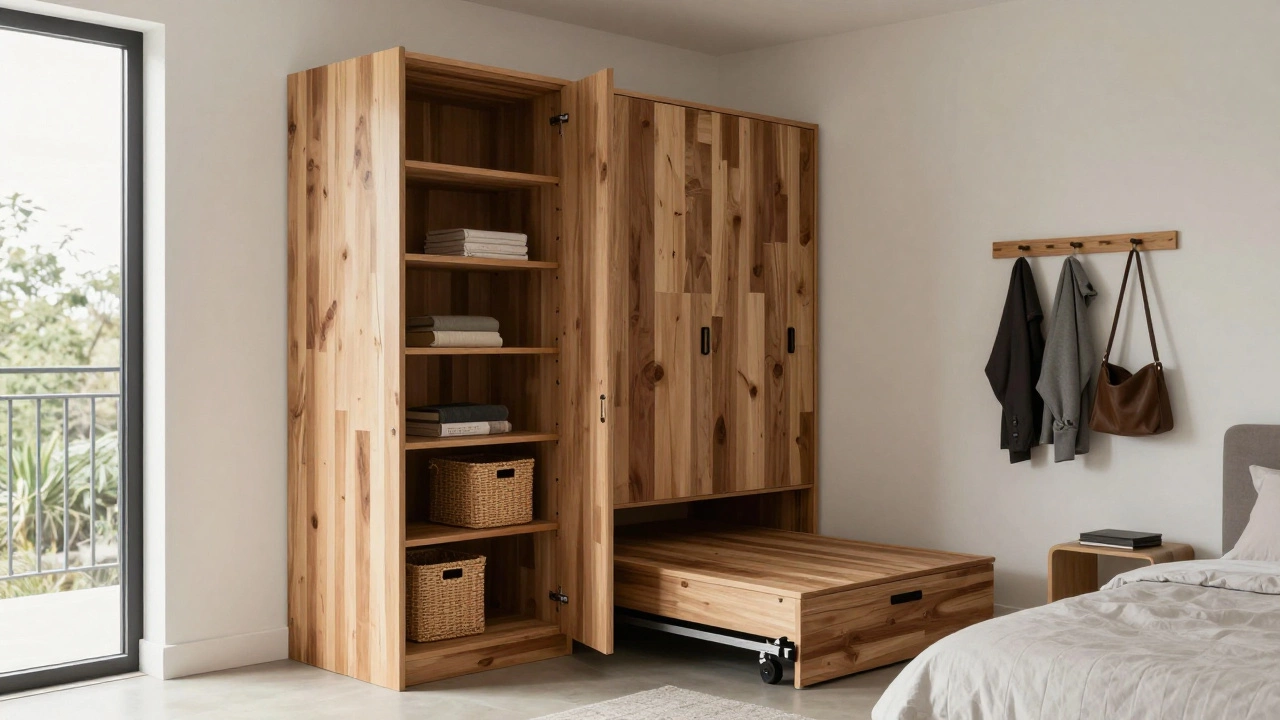
Can a House Have a Bedroom Without a Closet? What You Need to Know
Can a bedroom legally exist without a closet? Yes - and more homes in New Zealand are skipping them for smarter, stylish storage. Learn why, how to do it right, and what buyers really think.