Medicare bathroom modifications: What’s covered and what you need to know
When you’re aging in place, small changes to your bathroom can mean the difference between independence and injury. Medicare bathroom modifications, changes made to a home to improve safety and accessibility for older adults or those with mobility challenges. Also known as home safety upgrades, these aren’t the same as cosmetic renovations—they’re designed to reduce falls, ease daily tasks, and support long-term independence. But here’s the hard truth: Medicare almost never pays for these changes directly. That’s not because they’re unimportant—it’s because Medicare is built to cover medical services, not home improvements, even when those improvements are medically necessary.
So what does that mean for you? If you’re thinking about grab bars, walk-in showers, raised toilet seats, or non-slip flooring, you’re likely looking at out-of-pocket costs. But that doesn’t mean you’re out of options. Some Medicare Advantage plans offer limited home modification benefits as supplemental perks. Others let you use Health Savings Accounts (HSAs) or Flexible Spending Accounts (FSAs) to pay for qualifying items. And if you qualify for Medicaid or state programs like the Home and Community-Based Services (HCBS) waiver, you might get help covering the full cost. The key is knowing which upgrades count as medical equipment versus home remodeling—because only the former sometimes qualify for partial reimbursement.
Many people confuse Medicare coverage, the federal health insurance program for people 65 and older or those with certain disabilities. Also known as Original Medicare, it includes Part A (hospital) and Part B (outpatient care), but excludes most home modifications with Durable Medical Equipment (DME), medical devices prescribed by a doctor that can be used repeatedly and serve a medical purpose, like walkers, hospital beds, or commodes. Also known as medical equipment, these items are sometimes covered if ordered by a physician and deemed medically necessary. A raised toilet seat might be covered if it’s part of a DME prescription, but installing a new shower stall? Not a chance. The line between medical device and home improvement is thin, and insurers draw it firmly on the side of caution. That’s why so many seniors end up paying for safety upgrades themselves—often without knowing they could qualify for help through other programs.
What you’ll find in the posts below isn’t a list of Medicare-approved remodels. It’s a practical guide to real-world solutions that actually work. From choosing the right non-slip flooring to understanding why a simple handrail can prevent a hospital visit, these articles cut through the noise. You’ll learn what’s worth spending on, what’s overpriced, and how to make your bathroom safer without breaking the bank. No fluff. No promises that Medicare will pay. Just clear, honest advice from people who’ve been there.
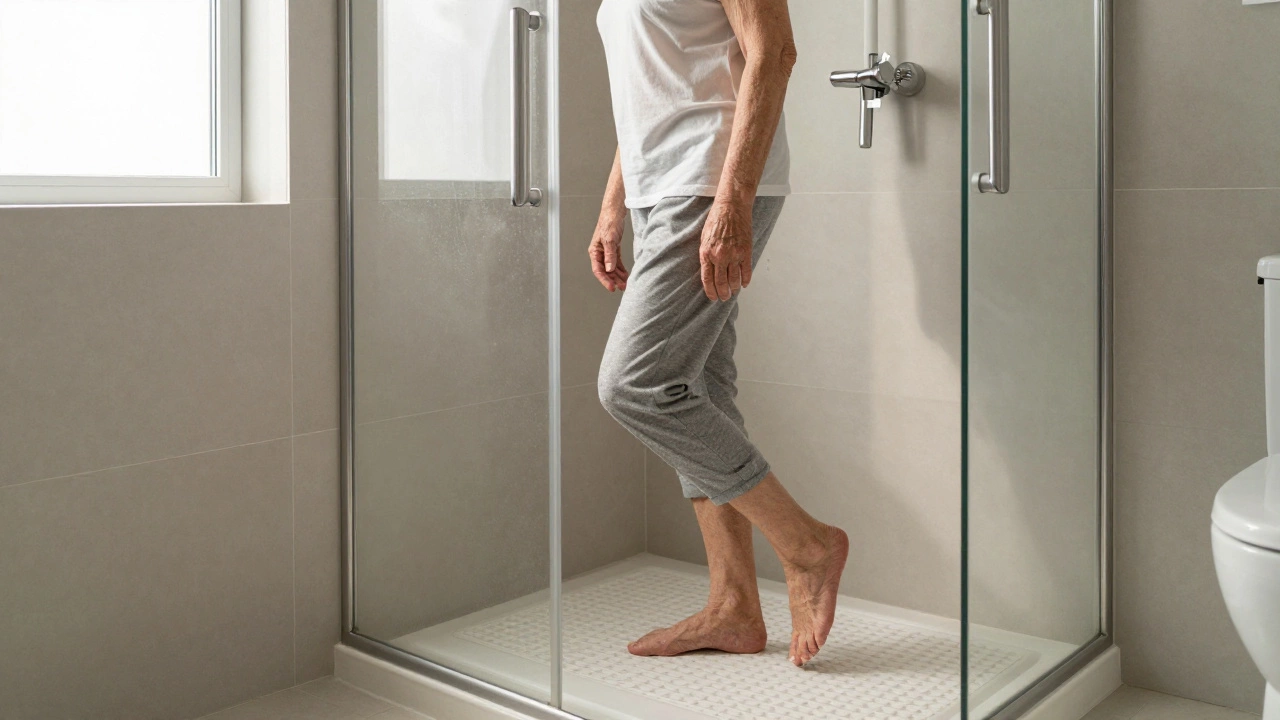
Will Medicare Pay for a Walk-In Shower? Here's What You Need to Know
Medicare won't pay for a walk-in shower directly, but you might get help through Medicaid, VA benefits, or Medicare Advantage plans. Learn how to qualify and find funding for safer bathroom upgrades.