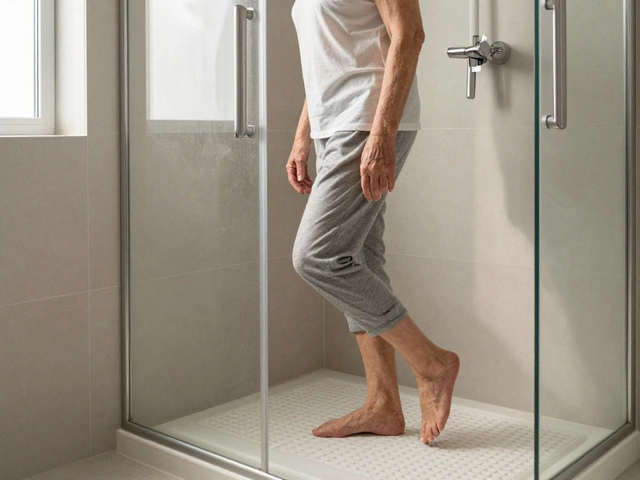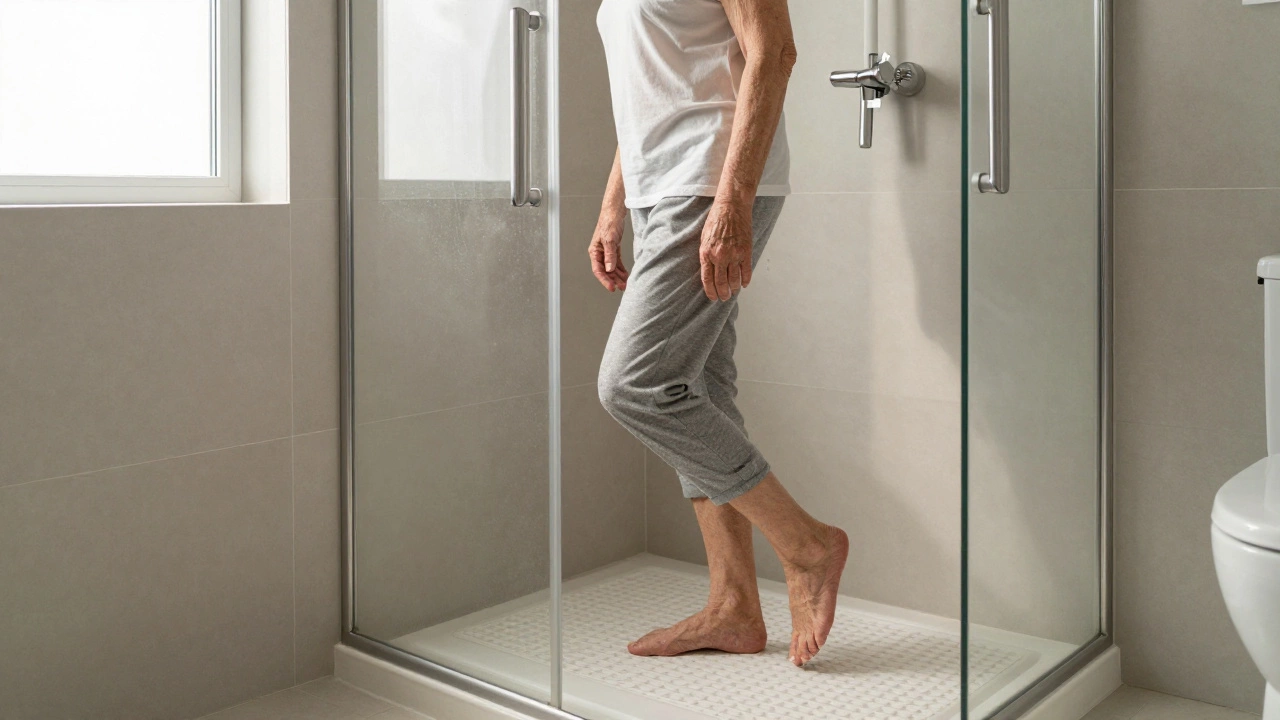
Many older adults and people with mobility issues want to stay in their homes as they age. A walk-in shower is one of the most common home changes people make to reduce fall risks. But if you’re on Medicare, you might be wondering: Will Medicare pay for a walk-in shower? The short answer is no-not directly. But there are ways it might help cover part of the cost under specific conditions.
Why Medicare Usually Doesn’t Cover Walk-In Showers
Medicare is designed to cover medical services and equipment that are deemed medically necessary for treating an illness or injury. Walk-in showers are considered home improvements, not medical devices. Even though they improve safety and reduce the chance of falls, Medicare doesn’t classify them as durable medical equipment (DME). DME includes things like wheelchairs, walkers, hospital beds, and oxygen equipment-items that are primarily used for medical reasons and can be reused.Medicare Part B covers DME if your doctor says you need it because of a medical condition. But a shower, even a walk-in one, is part of your home’s structure. It’s not something you can move or use independently of your living space. That’s why most claims for walk-in showers get denied.
When Medicare Might Help-The Exception
There’s one narrow path where Medicare could contribute: if you need a **grab bar**, a **shower chair**, or a **handheld showerhead** as part of your treatment plan. These items are classified as DME. If your doctor writes a prescription stating you need a shower chair because of balance issues from Parkinson’s disease, or grab bars because you had a recent hip replacement, Medicare Part B may cover up to 80% of the cost after you meet your deductible.For example, a standard non-slip shower chair costs between $50 and $150. Medicare typically pays $40 to $120 for that, depending on your supplier and location. Grab bars that meet ADA standards cost $20 to $60 each, and Medicare often covers those too. But these are separate items-you’re not getting the whole shower replaced.
What About Medicare Advantage Plans?
Medicare Advantage (Part C) plans are offered by private insurers and must cover everything Original Medicare covers. But many go further. Some Advantage plans include home modification benefits as part of their supplemental services, especially if you’re enrolled in a Special Needs Plan (SNP) for people with chronic conditions like diabetes, heart failure, or mobility impairments.In 2025, about 12% of Medicare Advantage plans in the U.S. offer home safety upgrades as a benefit. These might include:
- Partial reimbursement for walk-in showers
- Installation of grab bars and non-slip flooring
- Handrails in hallways and near toilets
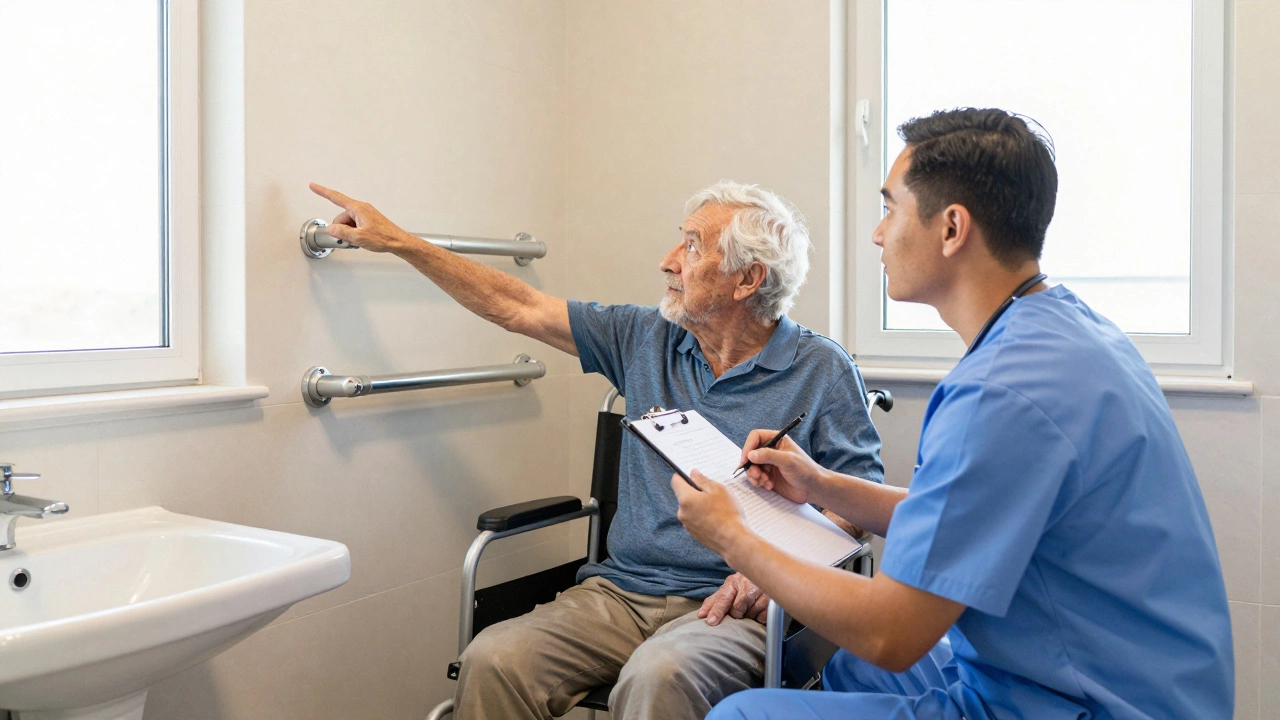
But here’s the catch: these benefits aren’t automatic. You have to check your plan’s Evidence of Coverage document or call your insurer directly. Some plans require you to use approved contractors. Others cap the benefit at $1,000 per year. A few even require a home safety assessment by a nurse or occupational therapist before approving anything.
Other Programs That Might Cover a Walk-In Shower
If Medicare won’t pay, what else can help?Medicaid is your best bet if you have low income. Unlike Medicare, Medicaid is a state-run program that often covers home modifications as part of its Home and Community-Based Services (HCBS) waivers. In many states, Medicaid will pay for full bathroom remodels-including walk-in showers-if they’re recommended by a doctor to prevent hospitalization or nursing home placement.
Veterans Affairs (VA) offers home improvement grants for eligible veterans with service-connected disabilities. The Specially Adapted Housing (SAH) grant can cover up to $112,100 in home modifications, including walk-in showers. Even if you’re not service-connected, the Home Improvements and Structural Alterations (HISA) grant may cover up to $5,000 for safety upgrades.
Area Agencies on Aging (AAAs) often have local funding or can connect you to nonprofit groups that help seniors with home modifications. Some offer low-interest loans or even free installations for people over 60 with limited income.
Rebuilding Together is a national nonprofit that helps low-income seniors and disabled homeowners with free home repairs-including bathroom safety upgrades. You can apply through your local chapter.
How to Get Started
If you’re thinking about a walk-in shower, here’s what to do next:- Visit your doctor and ask for a written statement explaining why the shower is medically necessary. Mention fall risk, mobility limitations, or conditions like arthritis, multiple sclerosis, or recovery from a stroke.
- Call your Medicare Advantage plan (if you have one) and ask if they offer home modification benefits. Request a copy of your plan’s supplemental benefits guide.
- Check with your state’s Medicaid office. Ask if you qualify for HCBS waivers that cover bathroom remodeling.
- Contact your local Area Agency on Aging. They can tell you about grants, contractors, and nonprofits in your area.
- For veterans, visit VA.gov and apply for the HISA or SAH grants.
What You Should Avoid
Don’t assume that because a company says they "accept Medicare," they’ll cover your shower. Many contractors use that phrase to sound trustworthy, but Medicare doesn’t pay contractors directly for home renovations. Only DME suppliers can bill Medicare for items like shower chairs or grab bars.Also, avoid expensive remodeling companies that push you to sign up for financing plans. If you’re on a fixed income, you don’t want to take on debt for something that might not be covered. Always get multiple quotes and ask if they’ve worked with Medicaid or VA programs before.
Real-Life Example: Mary’s Story
Mary, 78, lives in Ohio. After a fall in her tub, her doctor recommended a walk-in shower to prevent future injuries. She called Medicare-no coverage. She called her Medicare Advantage plan-they said no. Then she contacted her local Area Agency on Aging. They connected her with a nonprofit that partnered with a local contractor. The nonprofit covered 70% of the $4,200 cost. Mary paid $1,260 out of pocket. She also got free grab bars and a shower seat from Medicaid. Her shower was installed in six weeks. She hasn’t fallen since.Final Thoughts
Medicare won’t pay for a walk-in shower outright. But that doesn’t mean you’re stuck with a risky tub. With the right approach, you can find help through Medicaid, VA benefits, nonprofits, or even your Advantage plan. The key is to start with your doctor’s note, then explore every possible funding source. A safer bathroom isn’t just a comfort-it’s a health necessity. And there are more options than most people realize.Does Medicare cover walk-in showers?
No, Medicare does not cover walk-in showers because they are considered home improvements, not medical equipment. However, Medicare Part B may cover individual items like grab bars, shower chairs, or handheld showerheads if your doctor prescribes them as medically necessary.
Can Medicare Advantage plans pay for walk-in showers?
Some Medicare Advantage plans offer home modification benefits as part of their supplemental coverage, especially Special Needs Plans. These may cover partial or full costs for walk-in showers, grab bars, or non-slip flooring. You must check your specific plan’s benefits guide or call your insurer to confirm.
What’s the difference between Medicare and Medicaid for home modifications?
Medicare is federal health insurance for people over 65 or with certain disabilities, and it doesn’t cover home renovations. Medicaid is state-run assistance for low-income individuals and often includes home and community-based services that pay for walk-in showers, ramps, and other safety modifications if they prevent nursing home placement.
Can I get a walk-in shower if I’m a veteran?
Yes. Veterans with service-connected disabilities may qualify for the Specially Adapted Housing grant, which covers up to $112,100 for home modifications including walk-in showers. Even without service-connected status, the Home Improvements and Structural Alterations (HISA) grant provides up to $5,000 for safety upgrades.
How do I prove a walk-in shower is medically necessary?
Your doctor must write a prescription or letter stating that the shower is needed to treat or prevent worsening of a medical condition-such as falls, mobility loss, or chronic illness. The letter should include your diagnosis, how the shower helps, and why alternatives like tub transfer benches aren’t enough.
Are there free or low-cost programs for seniors to get walk-in showers?
Yes. Nonprofits like Rebuilding Together, local Area Agencies on Aging, and state-funded senior programs often provide free or low-cost bathroom safety modifications for low-income seniors. Some offer grants, volunteer labor, or partnerships with contractors who reduce prices for qualifying applicants.