Medicare coverage for home safety: What’s included and what’s not
When you’re older or recovering from an injury, Medicare coverage, a U.S. federal health insurance program primarily for people 65 and older. Also known as government health insurance for seniors, it helps pay for medical care—but not everything that keeps you safe at home. Many assume Medicare will cover ramps, grab bars, or non-slip flooring, but the truth is simpler: Medicare coverage for home safety is extremely limited. It doesn’t pay for home modifications unless they’re part of a medically necessary treatment plan approved by your doctor—and even then, it’s rare.
There’s a big difference between home safety, measures taken to prevent falls and injuries in the home, especially for older adults. Also known as aging in place modifications, it and home medical equipment, devices prescribed by a doctor to treat a medical condition, like walkers or hospital beds. Also known as DME, it. Medicare will cover a walker or a bedside commode if your doctor says you need it for mobility or recovery. But if you need a ramp to get into your house? That’s on you. Same with bathroom grab bars, raised toilet seats, or stairlifts. These are seen as convenience, not medical necessity—even if they prevent a hospital visit.
Some people try to get around this by using Medicare Advantage plans. A few do offer limited home safety benefits as extra perks, like $500 for safety upgrades, but it’s not guaranteed. You’ll need to check your plan’s summary of benefits every year. Medicaid, on the other hand, can cover these costs if you qualify based on income—but that’s a separate program, not Medicare. And if you’re a veteran? The VA might help with home modifications through their Specially Adapted Housing program.
The real issue? Most seniors don’t know what’s covered until they’re already stuck with a bill. A fall at home leads to a hospital stay, and suddenly you’re thinking, "Why didn’t Medicare fix the wet bathroom floor?" The answer is simple: they weren’t supposed to. Medicare’s job is to treat illness, not prevent it through home design. That’s why so many people end up paying out of pocket for safety upgrades—even though they’re cheaper than a single ER visit.
What you can get help with: physical therapy after a fall, mobility aids, and sometimes home health visits if you’re homebound. But if you want to make your house safer before something happens, you’re on your own. That’s why so many families end up doing DIY fixes—non-slip mats, brighter lights, removing throw rugs. These small changes cost less than $100 and cut fall risks by half. And while Medicare won’t pay for them, they’re still the smartest investment you can make.
Below, you’ll find real-world advice on what actually works to keep seniors safe at home, what you can get covered under Medicare (hint: it’s not much), and how to stretch your budget when the system doesn’t help. These aren’t theoretical tips—they’re what people are doing right now to avoid hospital stays and keep living independently.
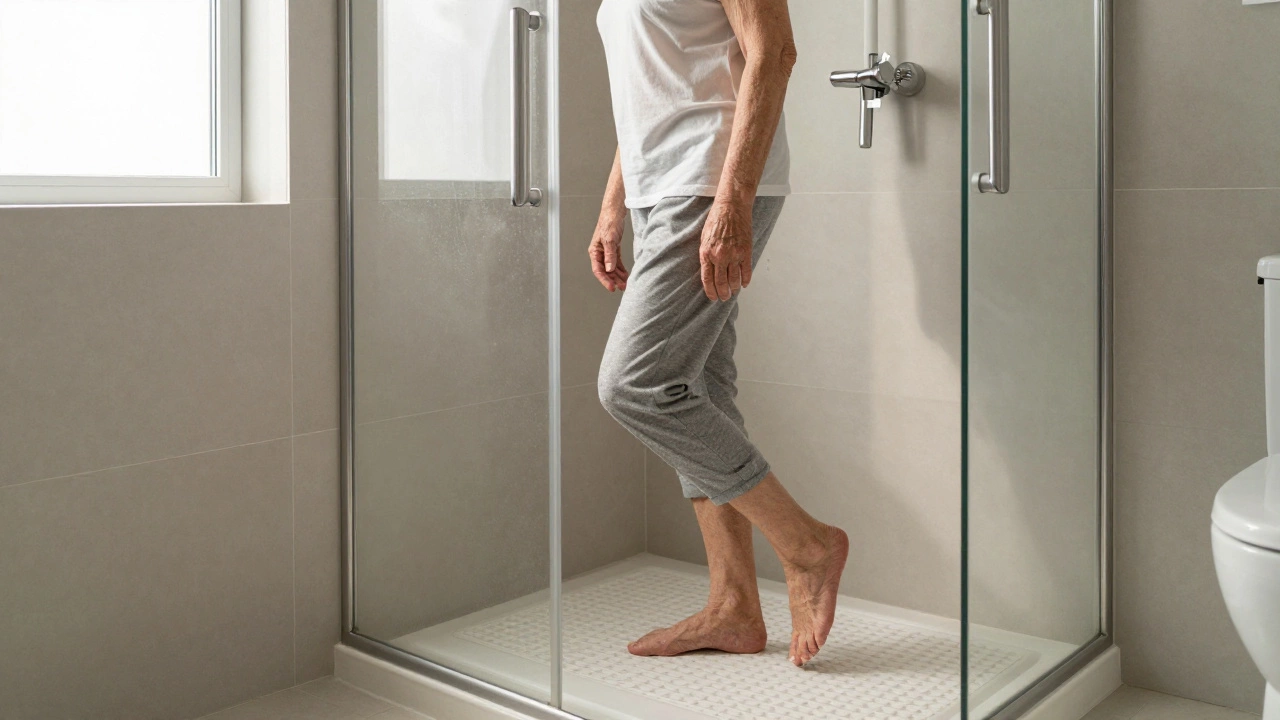
Will Medicare Pay for a Walk-In Shower? Here's What You Need to Know
Medicare won't pay for a walk-in shower directly, but you might get help through Medicaid, VA benefits, or Medicare Advantage plans. Learn how to qualify and find funding for safer bathroom upgrades.