Medicare durable medical equipment: What it covers and what you really need to know
When you hear Medicare durable medical equipment, medical devices prescribed for long-term use at home that support mobility, breathing, or daily living. Also known as DME, it includes things like wheelchairs, walkers, oxygen tanks, and hospital beds—not just temporary tools you rent for a week. This isn’t about bandages or over-the-counter pain relievers. It’s about gear that helps you live independently after an injury, surgery, or chronic condition.
Not every device you think of as medical gets covered. DME, must be durable, used for a medical reason, and meant for home use. A cane? Covered. A massage chair? Not unless it’s prescribed as a therapeutic device—and even then, it’s rare. Medicare coverage, only pays for equipment from approved suppliers who accept assignment. That means you can’t just buy any walker off Amazon and expect reimbursement. You need a doctor’s order, a supplier on Medicare’s list, and the right documentation.
People often assume Medicare pays for everything medical. It doesn’t. Home health devices, like bedside commodes or shower chairs, are often overlooked but critical for safety and independence. Many seniors skip these because they don’t realize they’re eligible. Others pay full price because they don’t know how to navigate the system. The difference between getting a free wheelchair and paying $800 out of pocket? Knowing the rules.
What you’ll find in the posts below aren’t official Medicare guides or legal documents. They’re real-world stories and practical tips from people who’ve been through it—how to spot a supplier that’s actually helpful, why some DME claims get denied and how to fix them, what alternatives exist when Medicare won’t cover something, and how to stretch your benefits without sacrificing comfort or safety. These aren’t theoretical. They’re from kitchens, bedrooms, and bathrooms where people are figuring this out one day at a time.
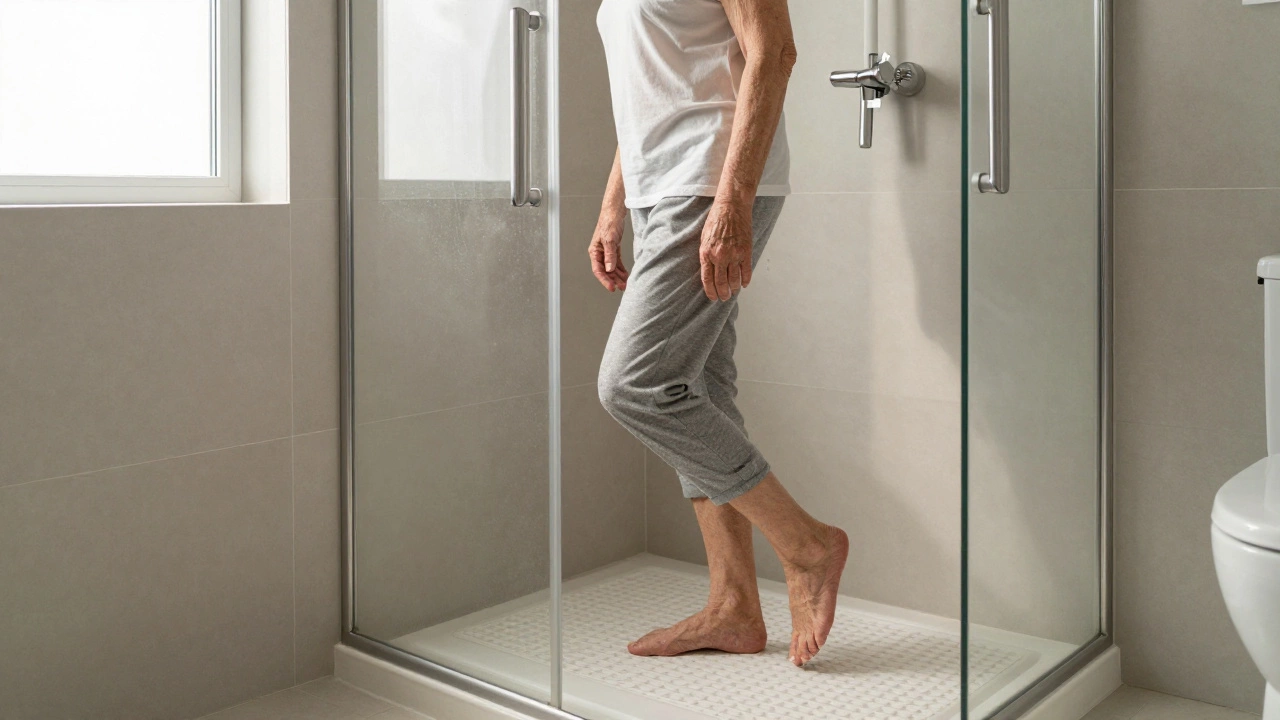
Will Medicare Pay for a Walk-In Shower? Here's What You Need to Know
Medicare won't pay for a walk-in shower directly, but you might get help through Medicaid, VA benefits, or Medicare Advantage plans. Learn how to qualify and find funding for safer bathroom upgrades.